
Olive oil is the best corn oil substitute, used at a 1:1 ratio in most sautéing, roasting, and baking. It adds a grassy to fruity flavor, depending on the variety, and handles medium to medium-high heat for everyday cooking.
For cooking, Avocado Oil also works well - adjust the amount to taste.
Ever find yourself staring at your pantry, realizing you're fresh out of corn oil? You're in the middle of cooking, and boom, that one ingredient is missing.
It happens to the best of us.
What now? Call off the whole meal? No way.
We've got some top-notch swaps that'll save your dish without skipping a beat. These alternatives aren't just stand-ins; they might even bring something new and exciting to your recipes.
The 5 Best Substitutes for Corn Oil
If you're looking for healthier cooking oil, you might want to consider some of these substitutes for corn oil.
1 - Olive Oil
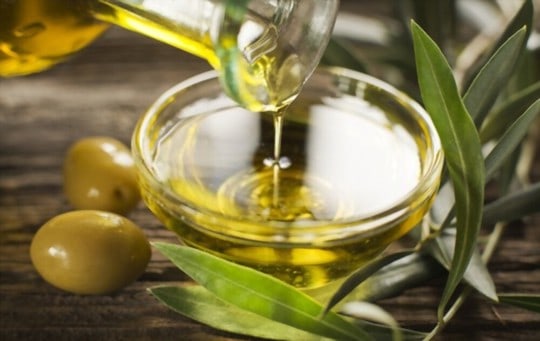
If you're looking for a healthier oil to use in your cooking, olive oil is a great option.
It has a distinctive flavor that can improve the taste of many dishes, and it also offers a number of health benefits.
Olive oil is a good source of antioxidants and can help to protect against heart disease and cancer.
It also contains healthy fats that can help to improve cholesterol levels.
When substituting olive oil for corn oil in your cooking, keep in mind that it has a lower smoke point than corn oil.
This means that it will start to smoke and break down at a lower temperature.
As a result, it's best to use olive oil for low or moderate-heat cooking methods.
2 - Avocado Oil
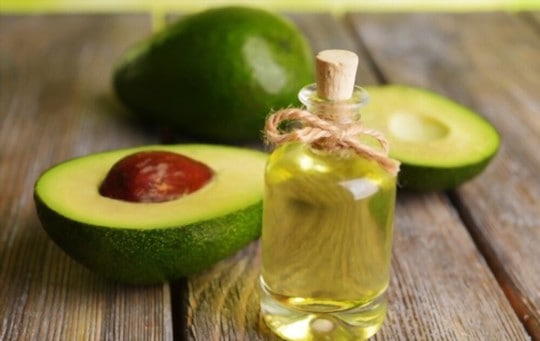
Avocados are delicious and healthy fruit that can be used in a variety of ways.
One lesser-known use for avocados is their oil.
Avocado oil has a light, nutty taste that makes it perfect for salad dressings and marinades.
It is also rich in healthy fats and vitamins, making it an excellent choice for those looking to improve their diet.
In addition, avocado oil has a high smoke point, making it ideal for cooking at high temperatures.
When substituting avocado oil for other oils, it is essential to keep this in mind.
Corn oil, for example, has a lower smoke point and can therefore be more challenging to cook with.
However, the taste and health benefits of avocado oil make it worth considering as a substitution for corn oil or other more processed oils.
3 - Coconut Oil

Coconut oil has a fraction of the saturated fat found in corn oil and is said to be composed of mostly "good" fats.
It also has a higher smoke point than corn oil, making it better for cooking at high temperatures.
Coconut oil is also said to have various health benefits, including improving skin and hair health, boosting cholesterol levels, and strengthening the immune system.
When substituting coconut oil for corn oil, it is essential to remember that it solidifies at cooler temperatures.
As a result, it may not be suitable for all recipes.
However, if you are looking for a healthier alternative to corn oil, coconut oil is definitely worth considering.
4 - Canola Oil
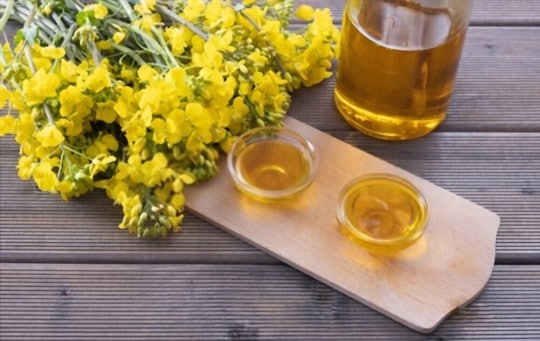
Canola oil is a type of vegetable oil that is extracted from the seeds of the canola plant.
Unlike other vegetable oils, canola oil has a relatively mild flavor and is low in saturated fat.
As a result, it is often used as cooking oil or in processed foods.
Canola oil also has a number of health benefits.
For example, it is a good source of omega-3 fatty acids, which have been linked to reduced inflammation and improved heart health.
Also, canola oil contains antioxidants that may help to protect against cancer.
Given its taste and health benefits, canola oil is a good substitution for corn oil.
However, canola oil has a lower smoke point than corn oil, so it is not suitable for high-heat cooking methods.
5 - Sunflower Oil
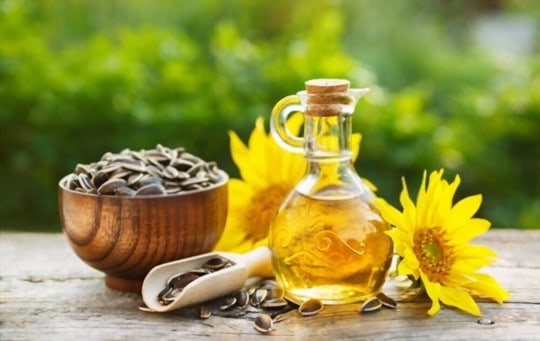
Sunflower oil has a light taste that some say is similar to olive oil, making it a good option for dressing salads or dipping bread.
Unlike olive oil, sunflower oil is high in polyunsaturated fats, which can help to lower cholesterol levels and reduce the risk of heart disease.
Also, sunflower oil is a good source of vitamin E, an antioxidant that helps to protect cells from damage.
When cooking at high temperatures, sunflower oil is a good choice because it has a smoke point similar to corn oil.
This means that it won't start to break down and release harmful chemicals when heated.
For these reasons, many people are choosing to substitute sunflower oil for corn oil in their cooking.
Frequently Asked Questions
Olive Oil, Avocado Oil, Coconut Oil, Canola Oil, and Sunflower Oil. Use it at a 1:1 ratio in any recipe that calls for Best Corn Oil.
In most cases, yes. Try Olive Oil first since the flavor is closest.
Avocado Oil handles heat and texture differently, so test in small batches.
It can, especially with ingredients that have distinct colors or pigments. The difference is usually minor in mixed dishes but may be more visible in lighter sauces or batters.
How do you adjust seasoning when using a substitute?
Taste as you go.
Substitutes can be saltier, milder, or sweeter than the original.
Add seasoning gradually and adjust at the end rather than matching the original recipe amounts exactly.