
Pinot Noir in the same amount is your closest swap, because red Burgundy is made mainly from that grape.
- Merlot is your easy second choice for a braise.
- Cabernet Sauvignon comes last among the wines, since its tannins can turn bitter once reduced (sources differ).
- For no wine at all, you can use red grape juice with a splash of red wine vinegar.
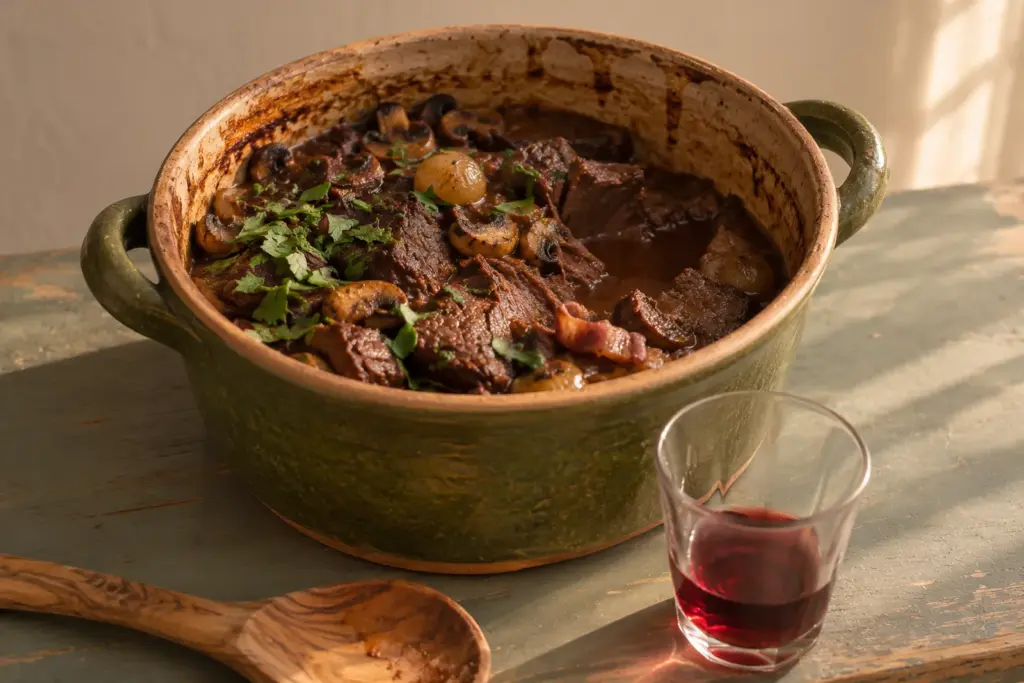
If your recipe calls for Burgundy, you need a dry red wine to braise beef or chicken in.
Julia Child's boeuf bourguignon uses 3 cups of a full-bodied, young red "such as Mâcon, Burgundy, or Mountain Red", and RecipeTin Eats' coq au vin takes 3 cups of Pinot Noir or another dry red that is not too heavy. Both recipes name example wines instead of one bottle, so Burgundy is one of the ingredients you can replace.
What Does Burgundy Mean in a Recipe?
In France, red Burgundy is made mainly from Pinot Noir and white Burgundy mainly from Chardonnay, according to Wikipedia, so a Pinot Noir from any country gives you the same grape. Wine Folly describes Pinot Noir as light to medium in body, low in tannin and high in acidity.
Beaujolais sits administratively inside the Burgundy wine region, but it is made from Gamay, which Wikipedia describes as a light-bodied red with soft tannins.
What Does the Wine Do in Bourguignon and Coq Au Vin?
The wine is the main braising liquid, and you need 3 cups, about one 750 ml bottle, in either recipe, although the two dishes differ in meat and cooking time.
Julia Child has you pour it into the skillet to loosen the browned beef and then into the casserole, while RecipeTin Eats simmers the wine down by half first, which it says intensifies the flavor and thickens the sauce.
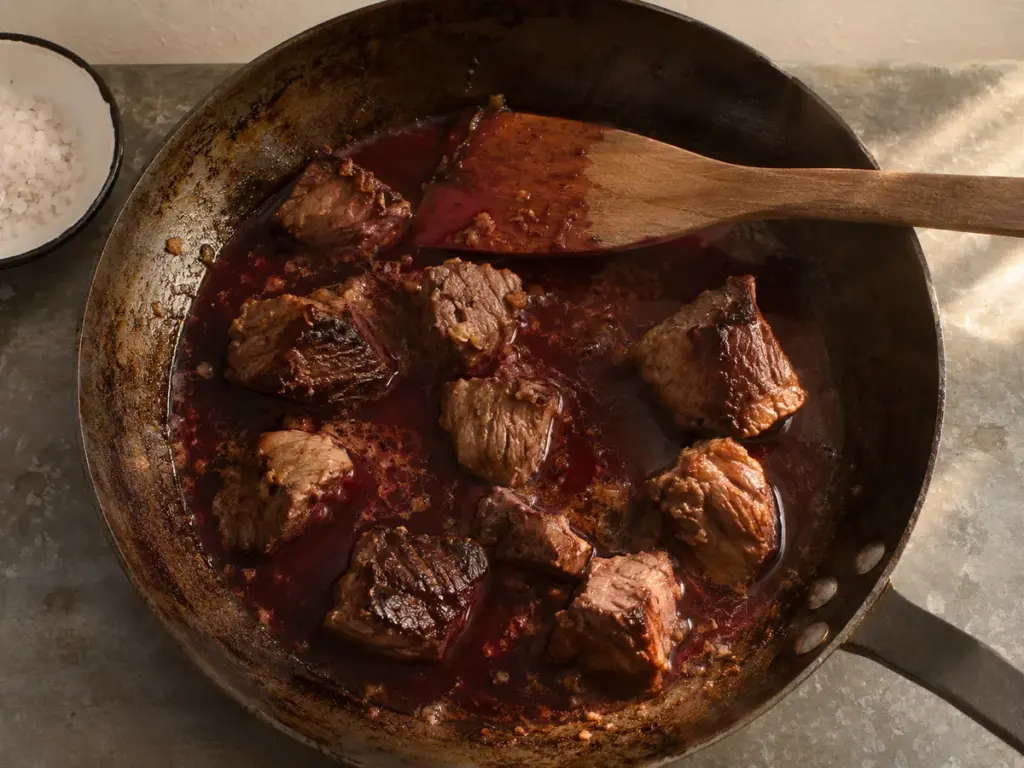
When you reduce wine, its sourness, sugar and tannin concentrate, and the tannins turn more astringent. That is why the Culinary Institute of America advises a dry wine with low residual sugar and a lower-tannin red such as Pinot Noir or Gamay.
Every swap below has to pass that same test before it goes into your pot: dry and low in tannin.
7 Best Substitutes for Burgundy Wine
| Swap | Amount vs. wine | What changes |
|---|---|---|
| Pinot Noir | 1:1 | Closest match |
| Merlot | 1:1 | Plummier, less tangy |
| Cabernet Sauvignon | 1:1 | Can turn bitter |
| Claret | 1:1 | Darker, fuller |
| Red grape juice | 1:1 plus vinegar | Sweeter, no wine |
| Beef broth | 1:1 plus vinegar | Savory, not fruity |
| Pomegranate or cranberry juice | 1:1 | Tart, no wine |
For the vinegar, 1 tablespoon per cup is Healthline's amount for broth, and Tasting Table says only "a splash" for grape juice, so you can treat both as starting points and taste the sauce before you serve it.
1. Pinot Noir
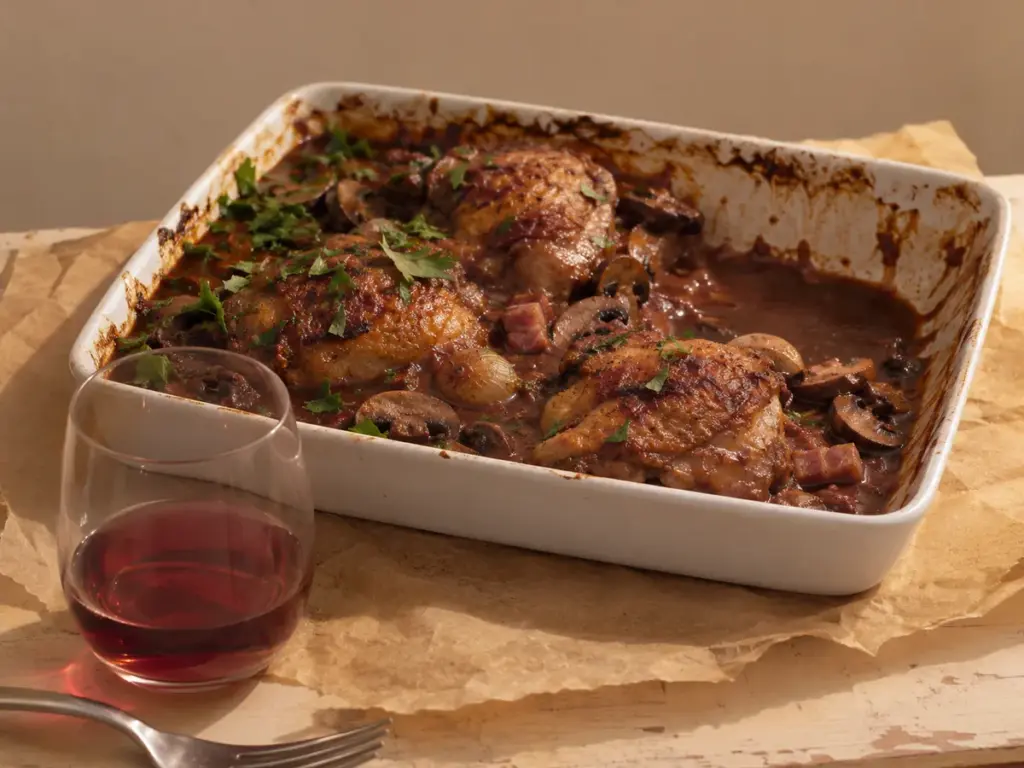
Because red Burgundy is Pinot Noir, you pour in the same amount as the wine, and a California bottle works the same way in the sauce as a French label.
RecipeTin Eats calls Pinot Noir the traditional coq au vin wine and wants a red that is not too heavy, and the low tannin Wine Folly describes is what the Culinary Institute of America says a reduction needs.
For flavor, Wine Folly lists cherry, raspberry and mushroom notes in Pinot Noir. Beaujolais made from Gamay is the other low-tannin red named above, and you can use it as a fair second pick when Pinot Noir is out.
2. Merlot
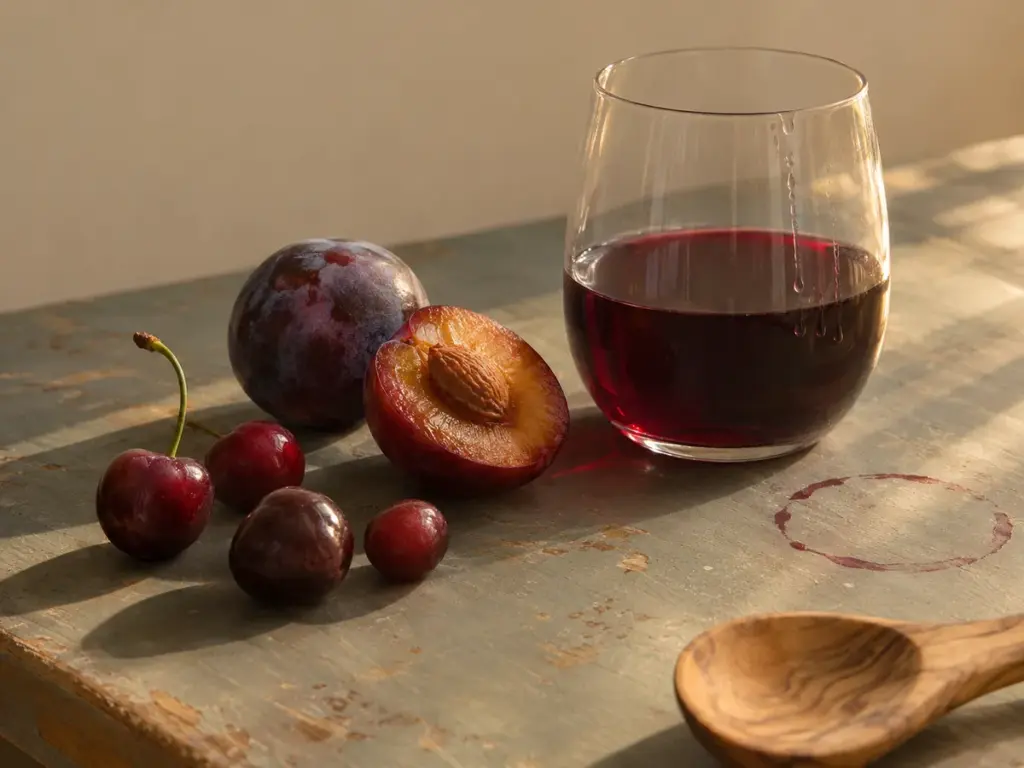
Merlot goes in at the same amount and gives you a fuller, plummier sauce than Pinot Noir, and Cook's Country, from America's Test Kitchen, recommends medium-bodied wines such as Pinot Noir and Merlot for cooking.
Wine Folly puts Merlot at medium acidity, below Pinot Noir's, with medium-high tannin that is generally softer than Cabernet's, and it lists cherry, plum and chocolate flavors. That lower acidity is where the differences between Merlot and Burgundy show, and you will likely taste it as a slightly less tangy sauce.
3. Cabernet Sauvignon
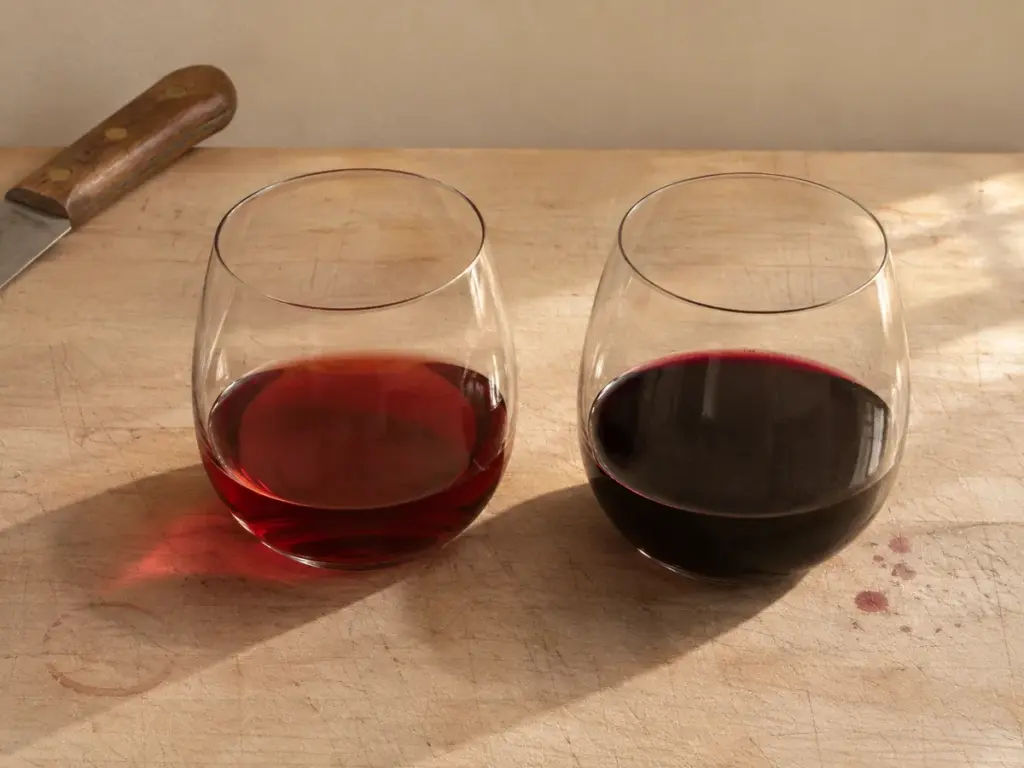
Cabernet Sauvignon is the riskiest dry red here: Wine Folly rates it full-bodied with medium-high tannin and medium-high acidity, and the Culinary Institute of America says reduction makes tannins more astringent.
In Cook's Country's view, oaky wines like Cabernet turn bitter when cooked and are best avoided, while RecipeTin Eats lists Cabernet Sauvignon among the reds that work in coq au vin.
Because those two sources disagree, you should use Cabernet only when nothing softer is open, in the same amount, and taste the sauce before you serve it.
4. Claret
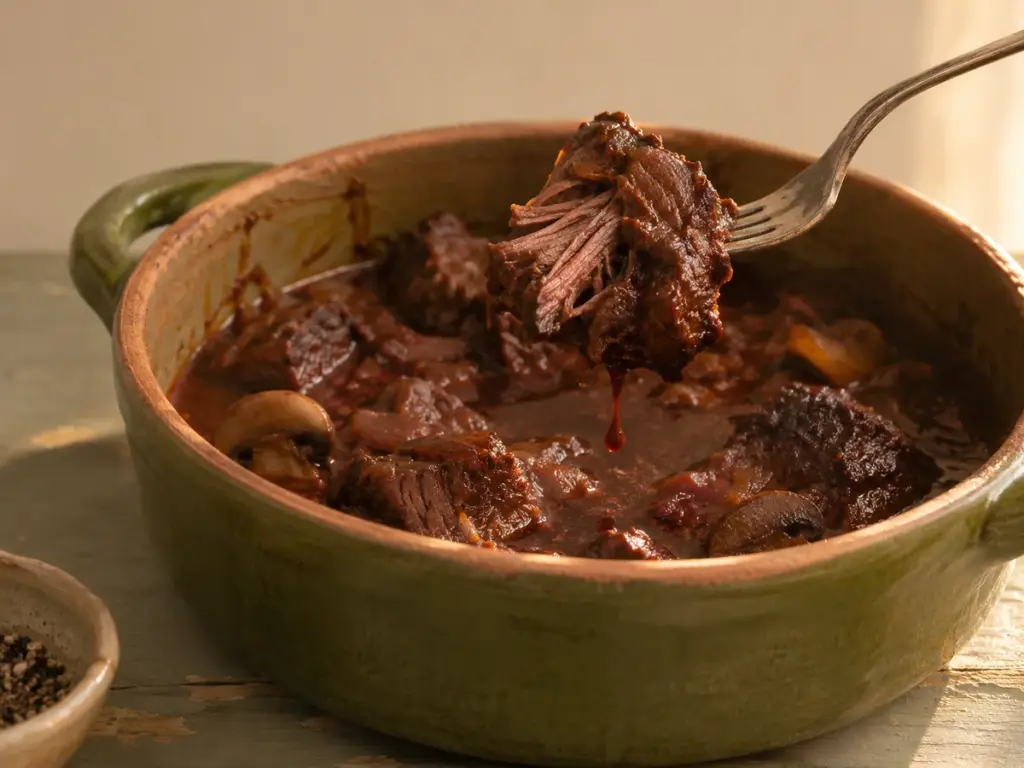
Claret is a British name for red Bordeaux, and Tasting Table lists Merlot, Cabernet Sauvignon and Cabernet Franc as its traditional grapes and calls it dark and full-bodied.
That puts claret closer to Cabernet than to Pinot Noir, so the same amount gives you a heavier sauce than Burgundy does.
The grape list on the back label tells you which way a bottle leans, and a Cabernet-heavy bottle carries the same tannin risk as item 3. In the United States, Tasting Table adds, the word is not protected, so a bottle labeled claret may be any Bordeaux-style red.
5. Red Grape Juice with Red Wine Vinegar
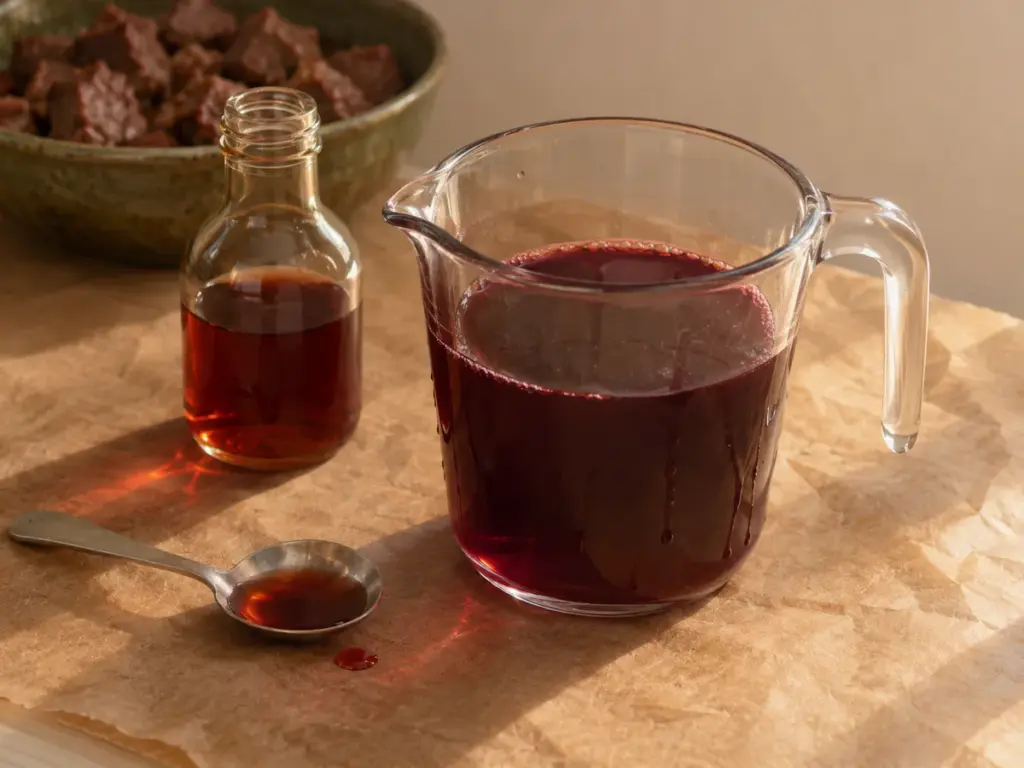
Red grape juice is the usual alcohol-free swap, and Tasting Table and Healthline both use the same amount as the wine. Juice is sweeter than wine, so Tasting Table adds a splash of red wine vinegar, which you can measure with the tablespoon per cup noted under the table.
A 2012 Daring Cooks post for alcohol-free bourguignon shows the idea at full scale: 1½ cups of 100% juice with no sugar added, ½ cup of red grape vinegar and 3 cups of beef stock for 1 pound of beef. Its author notes that alcohol-free grape vinegar exists, and if your pantry has no red wine vinegar, other vinegars can stand in.
6. Beef Broth with a Splash of Vinegar
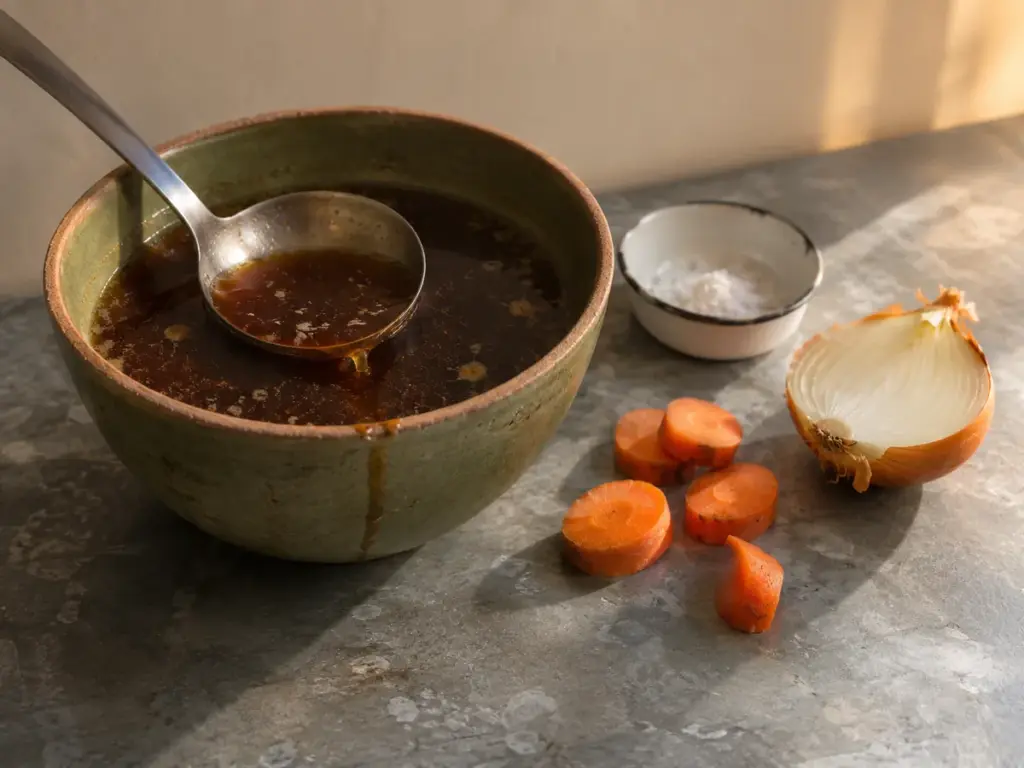
Beef broth adds savory depth and color, which is why Healthline says it works best in place of red wine. You use an equal amount plus 1 tablespoon of vinegar per cup, since broth is much less acidic than wine.
With no fruit or sweetness in the broth, you will notice a meatier, less fruity sauce. For a stronger flavor, Chowhound advises reducing bone broth first to concentrate its umami, with lemon juice or vinegar for brightness.
7. Pomegranate or Cranberry Juice
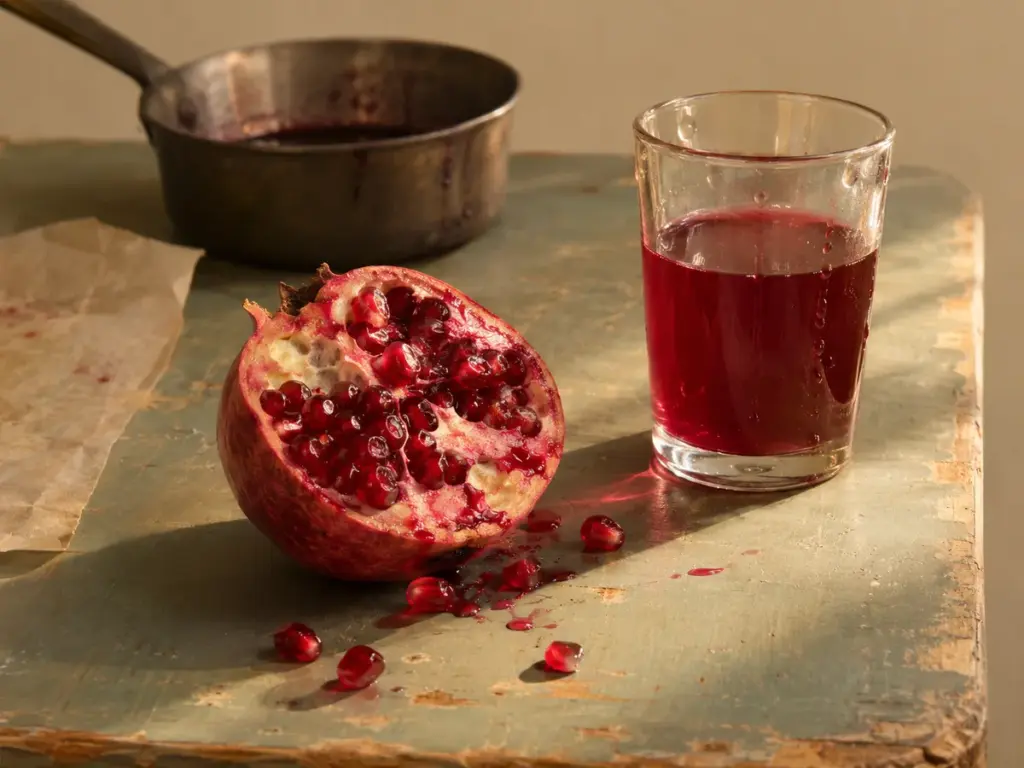
You can use pomegranate juice in the same amount as the wine, and its tart flavor stands in for the wine's acidity. Tasting Table calls the two strikingly similar in acidity and suggests a splash of white vinegar for more tartness.
If you reduce the juice first, as Chowhound advises, its flavor and body concentrate.
Cranberry juice also swaps 1:1, since cranberry juice's tartness is already close to wine's, and Tasting Table says it suits recipes that call for bold dry reds such as Cabernet Sauvignon, Pinot Noir or Syrah. You should choose either juice with little or no added sugar, and if your cranberry juice tastes too sweet, you can add a dash of lemon or lime juice.
Does the Alcohol Cook Out of Burgundy Dishes?
No, not all of it cooks out, and the time in the pot decides how much. Idaho State University's summary of the USDA Table of Nutrient Retention Factors shows how much alcohol stays in a dish:
- 85% when alcohol goes into a boiling liquid and the pan leaves the heat.
- 40% after 15 minutes of simmering, 35% after 30 minutes.
- 25% after 1 hour, 10% after 2 hours, 5% after 2½ hours.
If your bourguignon simmers the full 2½ to 3 hours of Julia Child's recipe, it lands on the 5% row, while a 45-minute coq au vin braise sits between the 30-minute and 1-hour rows. Those percentages are only the nearest USDA categories for each dish, and RecipeTin Eats says it is unsure how much alcohol the chicken marinated in wine keeps.
For a dish with no alcohol at all, items 5 to 7 are your options, though you still read the vinegar label, since Healthline notes that red wine vinegar may contain trace alcohol.
Nonalcoholic wine can hold traces too, because FDA guidance lets dealcoholized wine be labeled as containing less than 0.5% alcohol by volume. Other alcohol-free red wine swaps lean on the same juice and vinegar combination.
Which Substitutes Should You Skip?
Supermarket cooking wine. The "cooking wines" sold in supermarkets are high in salt, according to Cook's Country, which warns you away from them.
White wine, including Viognier. Standard coq au vin recipes call for red wine, often Burgundy, according to Wikipedia, and Julia Child's bourguignon asks for a red too.
A white such as Viognier, or a white Burgundy, which is mostly Chardonnay, gives you a different dish, as regional versions like Alsace's coq au Riesling show.
Undiluted vinegar as the whole liquid. Healthline says wine vinegar is more acidic than wine and suggests diluting it 1:1 with water, which matches Tasting Table's half vinegar, half water.
Sources
- Julia Child Foundation, Boeuf Bourguignon: 3 cups of full-bodied, young red wine such as Mâcon, Burgundy or Mountain Red, deglazing, 2½ to 3 hours.
- RecipeTin Eats, Coq au Vin: Pinot Noir as the traditional wine, not too heavy, 3 cups, reduced by half, 45 minutes at 350°F, alcohol in the marinated chicken.
- Wikipedia, Burgundy wine: red Burgundy mainly Pinot Noir, white mainly Chardonnay.
- Wikipedia, Beaujolais: Gamay, part of the Burgundy wine region administratively, light-bodied with soft tannins.
- Wikipedia, Coq au vin: red Burgundy typically used, regional versions such as coq au Riesling.
- Culinary Institute of America, cooking wine: reduction concentrates sourness, sugar and tannin, dry low-tannin reds such as Pinot Noir or Gamay.
- Wine Folly, Pinot Noir: light to medium body, low tannin, high acidity, flavors.
- Wine Folly, Merlot: medium acidity, medium-high but softer tannin, flavors.
- Wine Folly, Cabernet Sauvignon: full body, medium-high tannin and acidity.
- Cook's Country, Cooking with Wine: medium-bodied Pinot Noir and Merlot, avoid oaky Cabernet and supermarket cooking wine.
- Tasting Table, claret: Bordeaux, Merlot, Cabernet Sauvignon and Cabernet Franc, dark and full-bodied, not protected in the US.
- Tasting Table, juice substitutes for red wine: pomegranate and cranberry juice, 1:1, vinegar or lemon to balance.
- Tasting Table, red wine substitutes: grape juice with a splash of vinegar, half vinegar and half water.
- Healthline, wine substitutes: grape juice and broth 1:1, 1 tablespoon of vinegar per cup of broth, diluting vinegar, trace alcohol in vinegar.
- Chowhound, alcohol-free red wine substitutes: reducing pomegranate juice and bone broth.
- Chef in Disguise, alcohol-free beef bourguignon: 1½ cups red grape juice, ½ cup red grape vinegar, 3 cups beef stock, 1 pound of beef.
- Prince of Pinot, Hearty Burgundy turns 50: trade-secret blend, 2014 tasting note.
- Idaho State University: USDA alcohol retention figures.
- FDA, CPG Sec. 510.400: dealcoholized wine labeled as containing less than 0.5% alcohol by volume.

Food writer at GustoMeadow. Writes ingredient substitutes, food comparisons, taste guides and storage guides for home cooks.
Storage and food-safety numbers follow USDA, FDA and university extension guidance.



