
Thyme: it is a significant part of the Mediterranean diet and a common sight in French and Italian cuisines.
And you can find them in many dishes that call for fresh or dried herbs.
But its significance dates back to ancient Greeks and Egyptians, who used it for therapeutic and culinary purposes.
Today, it is a staple in kitchens and an ingredient in many medicinal products.
What does thyme taste like, and what are the best ways to use it?
Scroll on, and you'll understand the joke of why you need more thyme in the kitchen.
What is Thyme?

You can think of thyme if you were to name an herb with medicinal and dietary benefits that also makes excellent garnishes.
It is an aromatic, perennial Mediterranean herb belonging to the mint family and very similar to oregano in taste and origin.
The leaves are dark green, rounded, and turn brown when dried.
Among the many plants in the genus Thymus, the one used for culinary purposes is Thymus vulgaris.
It gives a satisfying touch to foods, especially meaty dishes and soups.
Apart from its culinary uses, thyme is used in essential oils, as preservatives, and as a treatment for many health concerns.
They make handy treatments for symptoms like diarrhea, sore throat, and stomachache.
History tells us that the ancient Greeks used thyme for embalming, incense, and bath aromatics.
But it wasn't without reason; they believed it calmed their minds and provided them courage.
The ancient practices are verifiable because research shows that thyme has antibacterial and antifungal properties.
There is also a decorative variant of thyme, which makes inexpensive and healthy decorative ornaments.
Thyme's subtle citrusy notes can complement sweets; see lemon dessert pairing ideas for nine compelling matches.
If exploring other distinctive flavors appeals, read the acai berry taste guide revealing flavor for a contrasting fruity profile.
What Does Thyme Taste Like?

Thyme tastes minty with a lemony twist.
Its flavor is complex and tastes like a mix of citrus and mint, woody and floral, and pepper and sweet.
Sometimes its flavor can be extreme or in-between, but it never overwhelms the palate.
Its aroma is somewhat spicy and woody, and if you have some in your kitchen, it'll fill the space with its freshness.
You might even find that thyme tastes somewhat similar to oregano, but the latter has a more strong earthy flavor without much tanginess.
You can sometimes use these two herbs interchangeably, but each has unique uses.
Fresh and dried are quite different.
Properly dried thyme has more flavor than fresh ones, and you won't need as much fresh thyme to season your food.
This is because the flavor gets concentrated during the drying process.
So should you eat dried or fresh thyme? The answer depends on the availability and the uses you need them for.
You'll need to add more fresh thyme to match the flavor provided by the dried ones.
So you can use them when you need some herby garnishes for visual appeal.
Among the many edible variants of thyme, you'll find that English and French thyme are the most widely used ones.
These are suitable for just about any culinary purpose.
The ones specializing in aromatics are Turkish thyme; they have a citrusy twist to the standard flavor of garden thyme and are considered the finest.
How to Cook with Thyme?
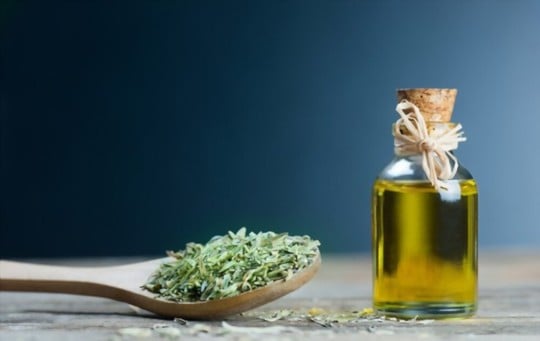
Thyme pairs well with savory dishes that are overwhelming on the palate - try veggie sides that cook fast.
Adding thyme gives a sweet, tangy, and refreshing element, making your food easier to take it.
Here are some ways to cook with thyme:
- Wrap it between meat: If you want more than just aromatics in your meaty dishes, try placing thyme sprigs between layers of meat and let them cook. As the cooking progresses, the flavors in the herb will penetrate all layers of the meat, giving you a herb-infused dish.
- Bouquet garni: This French method of bouquet garni is particularly useful when making stews and soups. You can use it when you only need the flavor, not the actual herb sitting in your dishes.
- Bloom dry thyme in oil: Sometimes you might want a dramatic herby flavor or could just have fewer quantities left than needed. You can bloom them by adding them to hot oil to improve the flavor of dried herbs multiple times. They're good to go once they smell toasty.
When cooking with thyme, fresh ones are better off added at the beginning of the process.
This gives them more time to release their flavor.
Meanwhile, dried ones can be added at any step in the process.
How to Buy Thyme?

When buying thyme, you want to ensure they give the maximum flavor and are suitable for storage.
These tips will make your visits to the grocery or spice aisle worthwhile - check where to buy miso in grocery for locating fermented pastes.
- Get fresh and dried thyme: You'll need the fresh ones while preparing dishes that need a garnish. With proper storing methods, you can make fresh thyme sprigs that last for a week or two. The dried ones are convenient and suitable for long-term storage.
- Check the color of the leaves: When buying fresh thyme, ensure the leaves are bright, no matter the shade. They should be intact and attached to the stem. .
- Look for any signs of mold: Thyme should be dry and firm when you purchase them. If they're not, check if the stems have white or black mold patches. Also, pliable stems are better than hard woody ones. .
- Buy one in a glass container with a shaker top: Using glass bottles and not plastic ones will ensure that your herbs are free of microplastics and chemicals. And the shaker top allows for ease of use; you don't have to worry about accidentally using too much.
Final Thought
Among the many herbs you can use while cooking, thyme has a rich flavor, makes visually appealing garnishes, has aromatic qualities, and are great for drying.
Since they're perennial, you don't have to worry about not finding some fresh ones when in need of a bright garnish.
Just make sure you buy them in good condition without any molds.
And with the proper methods, you can dry them to preserve them for convenience.
You can never say no to always having some thyme around, and yes, you need more thyme in the kitchen and more time to prepare a delicious meal with it.
Dried and ground forms have distinct uses. dried vs ground thyme difference explains how each performs. Similarly, rosemary vs thyme comparison details flavor contrasts for cooking.
Frequently Asked Questions
It is an aromatic, perennial Mediterranean herb belonging to the mint family and very similar to oregano in taste and origin. History tells us that the ancient Greeks used thyme for embalming, incense, and bath aromatics.
Thyme tastes minty with a lemony twist.
Some people enjoy Thyme right away while others need a few tries. The flavor can grow on you, especially when paired with familiar ingredients in a dish you already like.
Does it taste different depending on how it is prepared?
Preparation makes a significant difference.
Raw, roasted, fried, and steamed versions each bring out different qualities - sweetness, bitterness, earthiness, or richness - in the same ingredient.
Yes. Different cultivars, origins, or processing methods produce meaningful flavor differences.
If one version did not appeal to you, trying a different variety is worth the effort.