
Good replacements for Turnips include Rutabagas, Parsnips, Celeriac, Carrots, and Kohlrabi.
However, rutabagas offer a unique flavor and texture that make them worth seeking out.
Parsnips
Parsnips are root vegetables that look like creamy white carrots.
Ever tried swapping out turnips in your favorite dish and found yourself in a culinary conundrum?
That's why we're dishing out the scoop on the top five substitutes that'll save your recipe and maybe even boost its flavor game.
No more staring at your cutting board, wondering what to do next.
Grab these alternatives and watch your dishes transform. Simple swaps, huge difference.
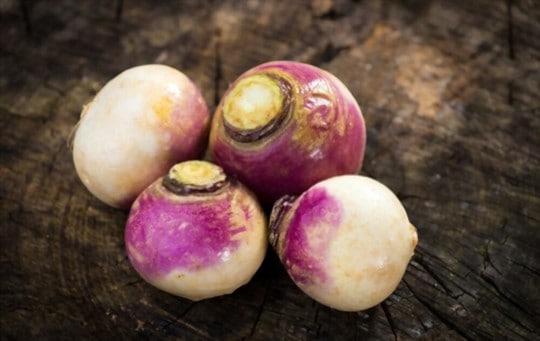
5 Top Turnip Substitutes for Cooking
There are plenty of substitutes that will work just as well in your recipe.
Here are the five best substitutes for turnips:
1 - Rutabagas
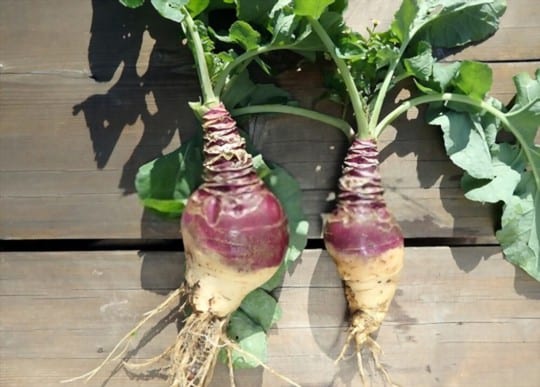
Rutabagas, also known as Swedes or yellow turnips, are a root vegetable that's often overlooked in favor of its close relative, the turnip.
However, rutabagas offer a unique flavor and texture that make them worth seeking out.
Rutabagas are larger and sweeter than turnips, with a creamy white flesh that has a mild cabbage-like flavor.
When cooked, they can be used as a replacement for potatoes or other starchy vegetables.
They can be roasted, mashed, or puréed, and they make an excellent addition to soup or stew.
If you're looking for a new root vegetable to try, consider giving rutabagas a chance.
2 - Parsnips
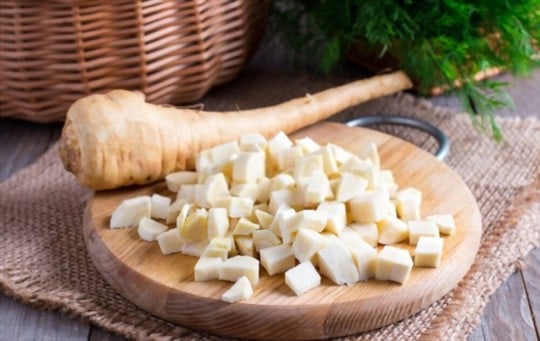
Parsnips are root vegetables that look like creamy white carrots.
They have a sweet, nutty flavor and a slightly fibrous texture.
When cooked, they can be mashable like potatoes or roasted until crispy.
Parsnips can be used as a substitute for turnips in many recipes.
When boiled or roasted, their sweetness becomes more pronounced, and they make a delicious side dish.
Try roasting them with carrots and potatoes for a classic winter root veggie medley.
Or, for something different, try pureeing them into a soup or using them in place of pumpkin in a spice cake.
Parsnips are versatile and delicious vegetables that are worth exploring.
3 - Celeriac
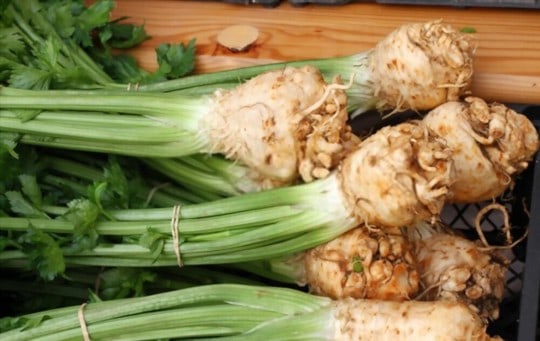
Celeriac, also known as celery root, is a knob-shaped root vegetable that has a creamy white flesh with a mild, celery-like flavor.
Its texture is similar to that of a turnip, but it is slightly more starchy.
Celeriac can be eaten raw or cooked, and it makes an excellent substitute for turnips in many recipes.
When raw, celeriac can be shredded and used in salads or slaws.
It can also be diced and roasted or pureed and used as a thickener for soup.
When cooked, celeriac becomes tender and sweet, making it a delicious addition to mashed potatoes or roasted vegetables.
4 - Carrots
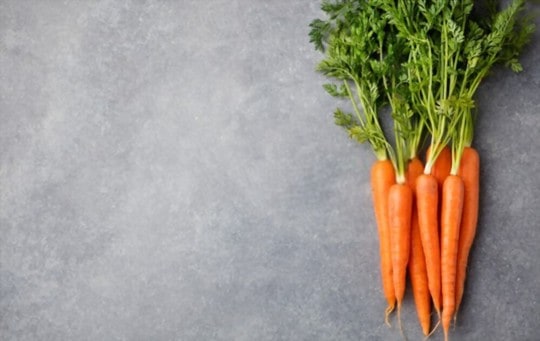
Carrots are a type of root vegetable that is typically orange in color, although they can also be white, yellow, or purple.
The taste is generally sweet, and the texture is crunchy.
Carrots are often used in salads and as a dipping Vegetable, but they can also be cooked in a variety of ways.
When substituting carrots for turnips, it is important to keep in mind that the two vegetables have different textures.
Turnips are usually crisper than carrots, so they may not be suitable for all recipes.
However, if you are looking for a vegetable with a similar flavor and sweetness, then carrots are a good option.
5 - Kohlrabi

Kohlrabi is a root vegetable that resembles a turnip but with a milder flavor.
It can be eaten raw or cooked and is often used as a substitute for turnips in recipes.
When raw, kohlrabi has a crisp texture similar to that of cucumber or apple.
When cooked, it becomes tender and can be mashed like potatoes.
Kohlrabi is an excellent source of vitamins C and B6, as well as fiber and potassium.
It is also low in calories and fat-free.
To substitute kohlrabi for turnips in a recipe, simply dice or slice the kohlrabi into the desired size and shape.
Then, add it to the dish in place of the turnips.
For best results, cook the kohlrabi until it is tender before serving.
You might also want to know how turnips compares and what turnips tastes like.
Frequently Asked Questions
However, rutabagas offer a unique flavor and texture that make them worth seeking out. Use it at a 1:1 ratio in any recipe that calls for Turnips.
In most cases, yes. Try Rutabagas first since the flavor is closest.
Parsnips handles heat and texture differently, so test in small batches.
It can, especially with ingredients that have distinct colors or pigments. The difference is usually minor in mixed dishes but may be more visible in lighter sauces or batters.
How do you adjust seasoning when using a substitute?
Taste as you go.
Substitutes can be saltier, milder, or sweeter than the original.
Add seasoning gradually and adjust at the end rather than matching the original recipe amounts exactly.