
The closest swap is undyed smoked cod, used 1:1 by weight; hot-smoked trout works when the dish only needs warming.
- Cold-smoked fish is not cooked by the smoke, so cook it to 145°F.
- Pregnant people, adults 65+ and people with weak immune systems eat refrigerated smoked fish only in a cooked dish, 165°F in pregnancy.
- Without smoked fish, cook plain haddock or cod with smoked paprika.
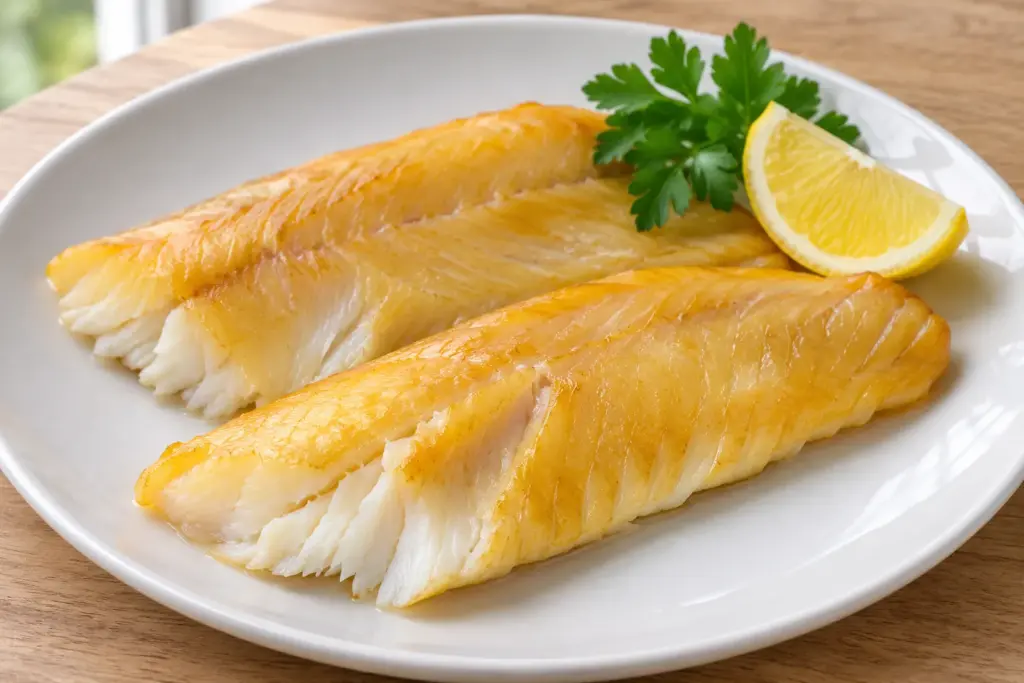
Smoked haddock is a British fish that US supermarkets rarely stock, so kedgeree, Cullen skink and fish pie usually need a stand-in for the missing fish. Every substitute below comes from the regular fish case, the deli or a can, and each one tells you whether to cook it or just warm it.
What Is Smoked Haddock, and Why Is It Hard to Find in the US?
Smoked haddock is haddock that has been salted and smoked, and it comes in two main styles. The style on your package decides whether you cook the fish or just warm it.
- Haddock split on the bone, smoked over peat or green wood
- Not cooked by smoke, so poach, roast or grill it
- Traditional in Cullen skink and kedgeree
- A small whole haddock, cooked and smoked at once
- Ready to eat, though usually reheated
- Eaten warm with butter, or flaked into a dish
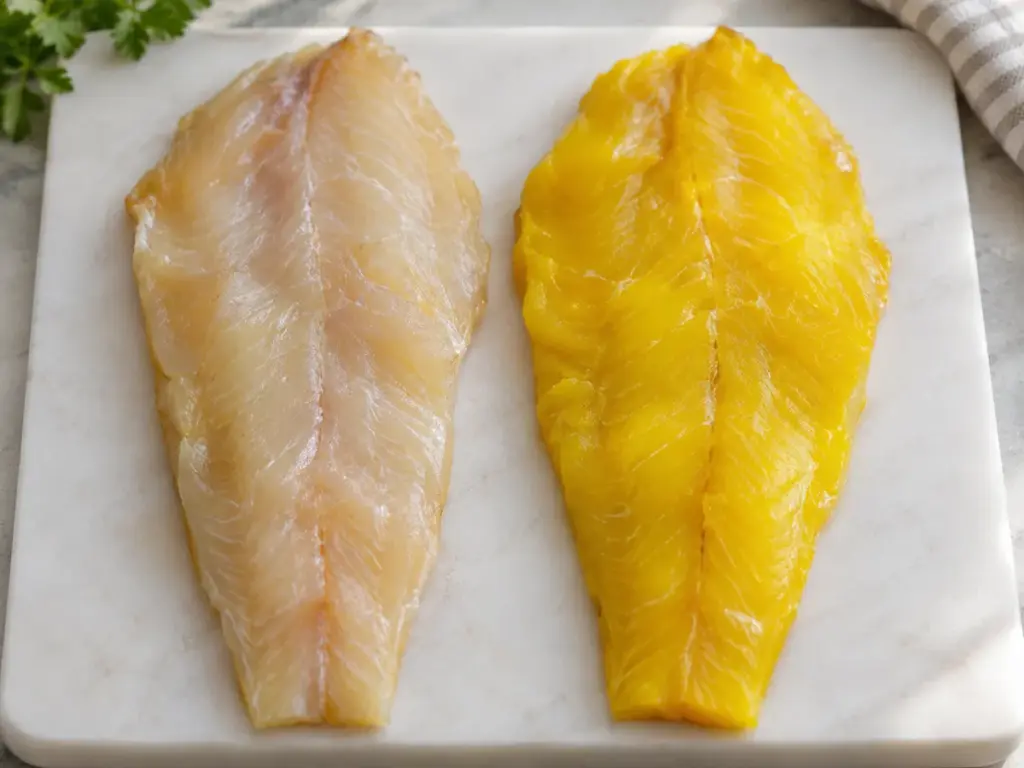
The yellow fillets sold as smoked haddock are usually dyed bright yellow to show they are smoked. Some traditional smokehouses skip the dye and sell pale straw-colored fish, so if the fish you find is pale, you are not getting a worse fish.
In a recipe, smoked haddock adds smoke, salt and soft white flakes. USDA data put it at about 3.5 times the sodium of raw haddock, so a dish written for smoked haddock expects the fish to season the milk, rice or sauce around it. Haddock itself tastes mild and a little sweet, which means any swap has to bring the smoke.
5 Best Substitutes for Smoked Haddock
| Substitute | Ratio | Ready to eat? |
|---|---|---|
| Smoked cod or pollock | 1:1 by weight | Only if the label says so |
| Hot-smoked trout | 1:1 by weight | Yes, hot-smoked |
| Smoked whitefish | 1:1 by weight | Check the label |
| Kippers or smoked mackerel | ¾ of the weight | Check the label; canned keeps on the shelf |
| Plain haddock or cod, smoked paprika | ½ teaspoon per pound | No, cook to 145°F |
Smoked cod is the safest pick for any recipe written for finnan haddie, while trout and whitefish are the easiest to find already cooked. The kippers and the paprika option each need a small change to the dish, which items 4 and 5 spell out.
1. Smoked Cod
Smoked cod is a lean, white, flaky fish with the same smoke and salt, so it is the closest match. Use 1 pound of smoked cod for 1 pound of smoked haddock. Smoked pollock swaps at the same ratio.
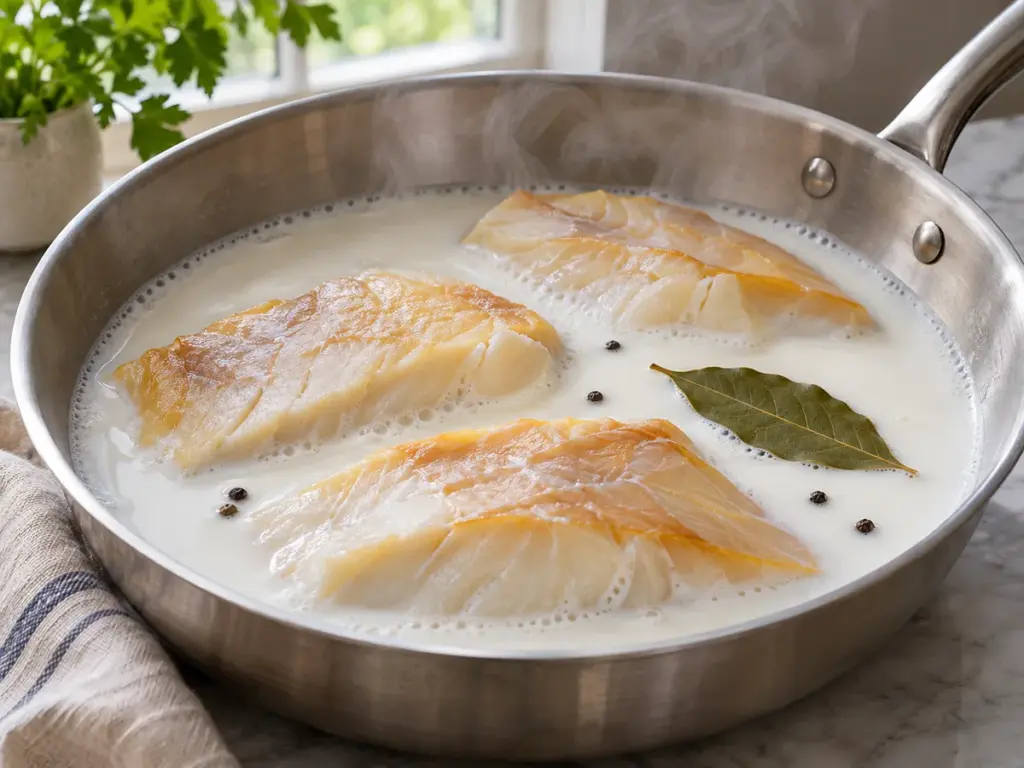
Read the package first. A fillet marked cook before eating has not been cooked by the smoke, so poach it in milk or water until it reaches 145°F and flakes easily. A fillet marked ready to eat only needs warming through, except for the higher-risk groups, who heat the dish as the safety section describes.
2. Hot-Smoked Trout
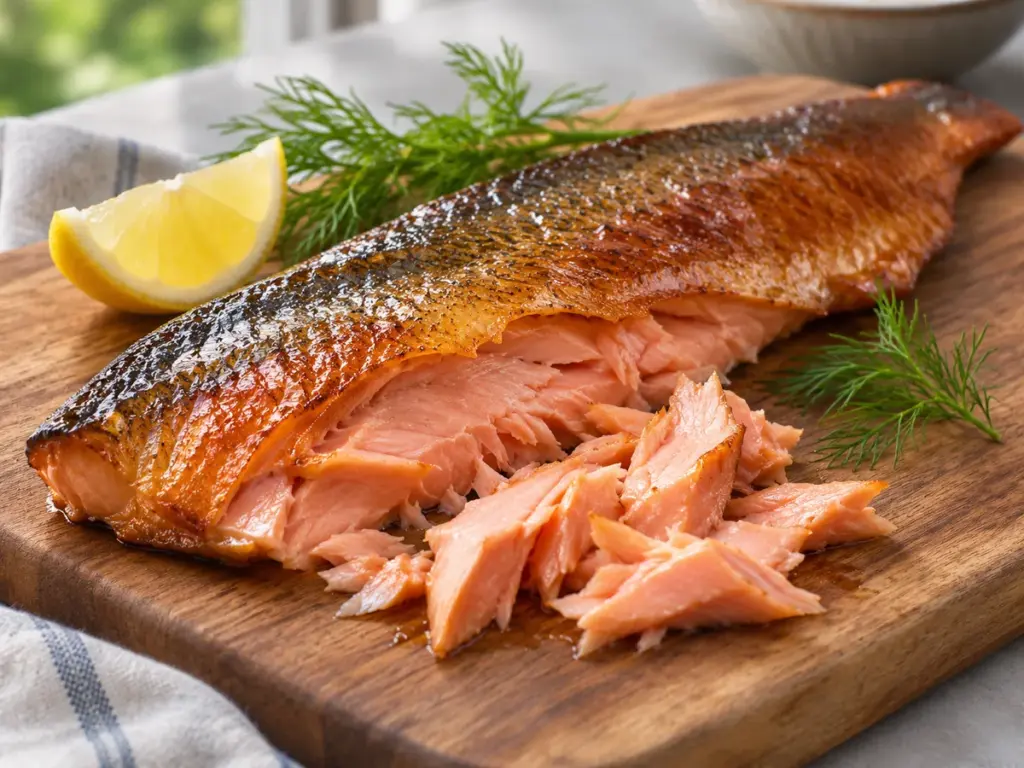
Hot-smoked trout is the easiest swap to find, because delis and supermarkets sell vacuum-packed fillets that are already cooked. Use it 1:1 by weight, pull off the skin, and fold the flakes in at the very end so they warm through without breaking up.
Trout has its own fresh, mild trout flavor and pink flesh, so it suits kedgeree, fish pie and chowder, while smoked cod fits a pale Cullen skink better. A chilled pack still counts as refrigerated smoked fish, so pregnant readers heat the finished dish to 165°F (see the safety section).
3. Smoked Whitefish
Smoked whitefish is a US deli classic, with golden, lean flesh: USDA lists 0.93 g of fat per 100 g, about the same as smoked haddock's 0.96 g. You can swap it 1:1 by weight, and the label tells you whether it is ready to eat or needs cooking.
Whitefish is the saltiest swap, about a third saltier than smoked haddock (calculated from the USDA sodium figures for each fish). Leave out any salt the recipe adds, and taste the milk or rice before you season at the end.
4. Kippers or Smoked Mackerel
Kippers (smoked herring) and smoked mackerel are oily, strong-tasting fish that make a rich kedgeree or fish cake. Kippered herring has about 13 times the fat of smoked haddock (calculated from the USDA figures for each), so start with ¾ of the weight the recipe asks for, a starting point rather than a published ratio, then add more to taste.
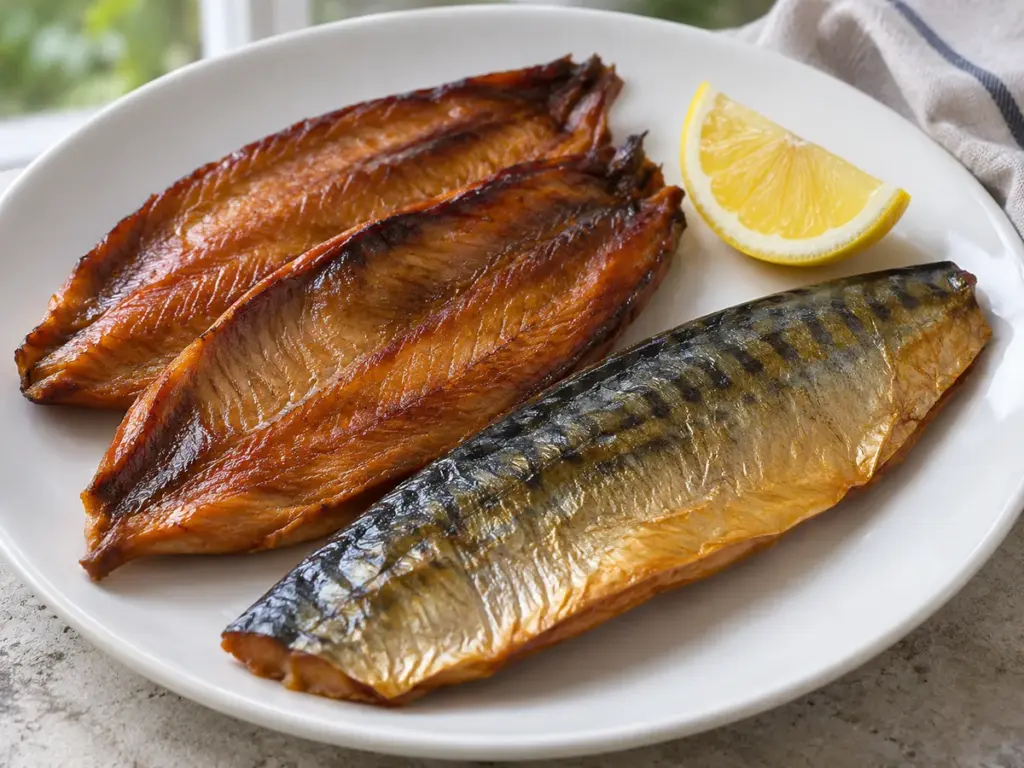
Canned kippered herring is shelf-stable, and the FDA lists canned smoked seafood as the lower-risk choice, so a can in the pantry covers the next kedgeree. Mackerel is stronger and oilier than any white fish, so in a creamy Cullen skink it would take over the potato and milk. Keep it for kedgeree and fish cakes.
5. Plain Haddock or Cod Plus Smoked Paprika
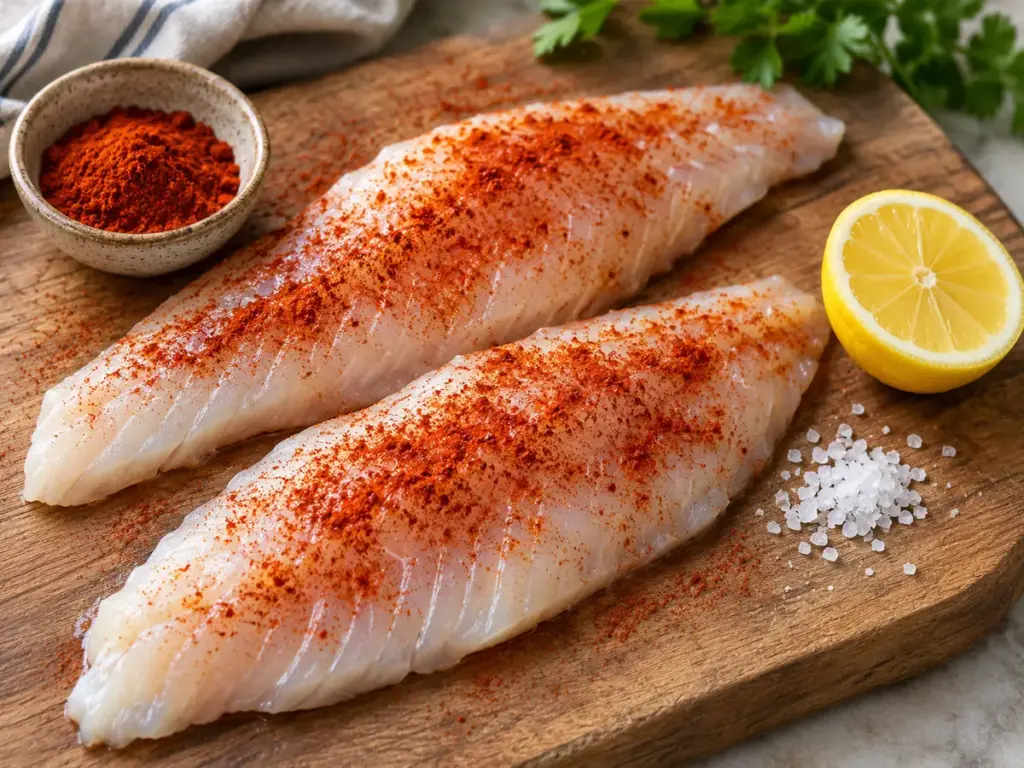
When no smoked fish is on the shelf, fresh or frozen haddock, cod or pollock with smoked paprika gets you most of the way: the fish gives the flake and the paprika gives smoke and color. If the spice jar is empty, smoked paprika alternatives can take its place. Plain fish is far less salty than the smoked kind, so you add the salt yourself.
- Salt the fish. Raw haddock has about 550 mg less sodium per 100 g than smoked, roughly 1 teaspoon of fine salt per pound (calculated from USDA and FDA sodium figures).
- Add the smoke. Rub on ½ teaspoon of smoked paprika per pound, a starting point that no source publishes.
- Cook to 145°F. Poach, bake or simmer until it flakes at 145°F in the thickest part.
- Taste, then adjust. Add paprika a pinch at a time.
Which Smoked Haddock Substitute Fits Your Dish?
Smoked cod and plain haddock go into the milk or sauce early and cook to 145°F, while ready-to-eat trout, whitefish and kippers are folded in at the end and warmed through, with the recipe's own salt cut back. Pregnant readers heat the finished dish to 165°F either way.
- Kedgeree: hot-smoked trout or smoked whitefish, folded into the finished rice so the flakes stay whole.
- Cullen skink: smoked cod simmered in the milk, or plain haddock with smoked paprika. Roasted asparagus and green beans are among the sides that suit haddock.
- Fish pie: smoked cod with a little unsmoked white fish, then green sides for fish pie such as buttered peas or steamed green beans.
- Fish cakes: smoked whitefish or kippers, with the salt cut back.
How Much Salt and Fat Does Each Swap Add?
Salt changes your dish more than anything else here, and kippers also bring far more fat. The USDA figures below are per 100 g, so you can compare the swaps with the fish the recipe names.
| Fish (per 100 g) | Sodium | Fat | USDA FDC ID |
|---|---|---|---|
| Haddock, raw | 213 mg | 0.45 g | 171964 |
| Haddock, smoked | 763 mg | 0.96 g | 174199 |
| Whitefish, smoked | 1,019 mg | 0.93 g | 173712 |
| Herring, Atlantic, kippered | 918 mg | 12.37 g | 173668 |
If you are watching sodium, drop the added salt first and pick plain fish with paprika, which you can salt as lightly as you like. The Dietary Guidelines limit adults to less than 2,300 mg of sodium a day, about 1 teaspoon of table salt (as the FDA cites it), so treat the 1 teaspoon per pound in item 5 as a ceiling and cut it for a salt-sensitive table.
Is Smoked Fish Safe to Eat?
Pregnant women are about 10 times more likely than the general population to get listeriosis, and FoodSafety.gov puts the cooked smoked-seafood dish at 165°F. The FDA's list of refrigerated smoked fish includes salmon, trout, whitefish, cod and mackerel, so chilled hot-smoked trout falls under the same advice.
For everyone else, hot-smoked fish is sold ready to eat, while cold-smoked haddock has not been cooked by the smoke, so you cook it to 145°F unless the label says otherwise. Neither style is guaranteed free of Listeria, so keep smoked fish refrigerated and eat it before the date on the package.
Every swap here is a low-mercury fish. The FDA and EPA place cod, haddock, herring, Atlantic mackerel, pollock, trout and whitefish on the Best Choices list, with 2 to 3 servings a week of 4 ounces each for pregnancy and breastfeeding.
Which Swaps Should You Skip?
Fresh halibut and Pacific rockfish have no smoke at all, and rockfish does not taste like salmon, so use them only the way item 5 uses plain fish, with paprika and salt added. Smoked salmon and lox are a different fish with a different job: smoked salmon is rich and silky, usually sliced thin and eaten cold, so you cannot flake it into milk or rice the way you can with haddock.
Sources
- FDA, Advice About Eating Fish (Best Choices list, servings per week)
- FDA, What You Need to Know About Preventing Listeria Infections (refrigerated smoked seafood, higher-risk groups, 10 times more likely)
- FDA, Ready-to-Eat Foods: Food Safety for Moms-to-Be (smoked fish examples, cooked dish, canned or shelf-stable)
- FoodSafety.gov, Food Safety for Pregnant Women (smoked seafood dish heated to 165°F)
- FoodSafety.gov, Safe Minimum Internal Temperatures (fish 145°F)
- FDA, Sodium in Your Diet (daily sodium limit, about 1 teaspoon of salt)
- USDA FoodData Central: smoked haddock, FDC 174199; raw haddock, FDC 171964; smoked whitefish, FDC 173712; kippered herring, FDC 173668
- The Fish Society, Haddock (finnan haddie, Arbroath smokie, dyed and undyed fillets)
- Slow Food Ark of Taste, Traditional Finnan Haddock (peat and green wood smoking)
- Ontario Fish Plant Guidelines, Smoking (hot-smoked and cold-smoked fish)

Food writer at GustoMeadow. Writes ingredient substitutes, food comparisons, taste guides and storage guides for home cooks.
Storage and food-safety numbers follow USDA, FDA and university extension guidance.



