
If you're out of Sake, reach for Mirin, Chinese Rice Wine, Sherry, Dry Vermouth, and White Wine.
It's sweeter, yet it does the trick.
For cooking, Chinese Rice Wine also works well - adjust the amount to taste since it may be slightly stronger or milder.
Finding the perfect substitute for sake in your cooking can feel like a treasure hunt.
Sometimes, you just can't grab a bottle from the store.
We have. It's a bummer realizing you're out of sake.
Other ingredients can save your meal.
Rice vinegar adds that tangy kick, while white wine brings a touch of elegance. Got mirin?
It's sweeter, yet it does the trick.
And for those non-alcoholic options, lemon juice mixed with water works wonders.
These swaps ensure your dishs remain top-notch. No need to halt your cooking spree.
Just grab one of these options and you're golden.
5 Common Replacements for Sake
Sake is a traditional Japanese rice wine known for its distinct flavors and versatility in cooking.
However, if you don't have sake on hand or want to explore alternatives, there are several substitutes available.
| Substitute | Key Characteristics | Proper Ratio |
|---|---|---|
| Mirin | Sweet rice wine with a lower alcohol content; adds a delicate sweetness and umami flavor to dishes | Use an equal amount of mirin as a substitute for sake |
| Chinese Rice Wine | Traditional Chinese rice wine with a similar flavor to sake; can be used interchangeably | Use an equal amount of Chinese rice wine as a substitute for sake |
| Sherry | Fortified wine with a nutty and sweet flavor; brings complexity to dishes | Use an equal amount of sherry as a substitute for sake |
| Dry Vermouth | Dry white wine fortified with herbs and botanicals; improves recipes | Use an equal amount of dry vermouth as a substitute for sake |
| White Wine | General-purpose wine with various flavors; provides acidity and can enhance flavors | Use an equal amount of white wine as a substitute for sake |
Here is a closer look at each option:
1 - Mirin
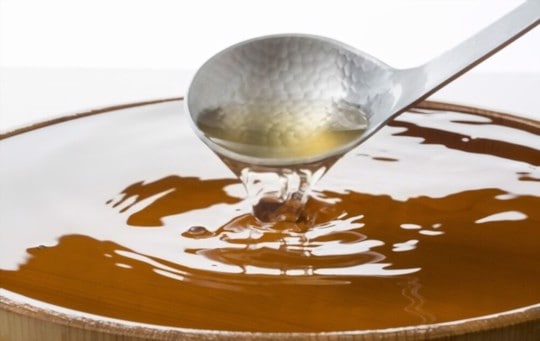
Mirin is a Japanese cooking wine that can be substituted forsake when cooking.
It's a very sweet, low alcohol rice wine similar to sake.
However, Mirin has a lower alcoholic content and sugar content than sake.
It contains about 1 - 3% alcohol content.
The flavor of Mirin is a balance between salty and sweet.
This makes it a great substitute for sake because sake also has a slightly salty flavor.
However, there are some differences between these two ingredients.
First, Mirin typically has a higher sugar content than sake does.
Also, the flavor of the final dish will vary depending on whether or not Mirin is used.
Compared to sake, Mirin produces a mellow, more subtle flavor.
- Key Characteristics: Mirin is a sweet rice wine with a lower alcohol content than sake. It adds a delicate sweetness and umami flavor to dishes. Mirin is commonly used in Japanese cuisine.
- Proper Ratio: Use an equal amount of mirin as a substitute for sake. Adjust the quantity based on your recipe requirements and desired level of sweetness.
2 - Chinese Rice Wine
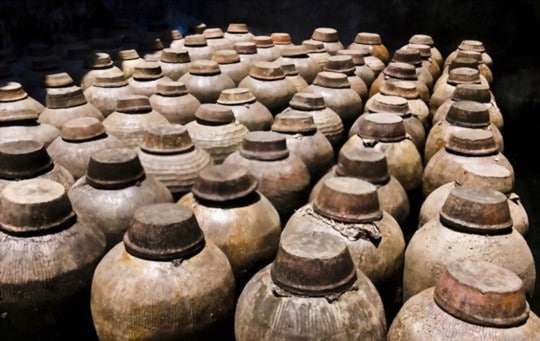
Chinese rice wine can be substituted forsake.
However, it's important to know that Chinese rice wine has a slightly different flavor than Japanese sake.
Also known as Shaoxing wine, it is an alcoholic beverage brewed from rice in China.
This rice wine is most commonly used in cooking and rarely consumed on its own.
Chinese rice wine is best used in Asian dishes.
This rice wine has a nutty and aromatic flavor compared to the more salty and savory taste of sake.
Also, this rice wine contains 15% to 25% alcohol content, much higher than sake's 10%.
This makes it perfect for improving the flavor in any dish.
- Key Characteristics: Chinese rice wine is a traditional wine with a similar flavor to sake. It can be used interchangeably in recipes, especially when preparing Asian dishes.
- Proper Ratio: Use an equal amount of Chinese rice wine as a substitute for sake. Adjust the quantity based on your recipe requirements and desired flavor intensity.
3 - Sherry

Sherry is the best substitute forsake when it comes to Western dishes.
The alcohol content of both these ingredients is comparable, and sherry also has a nutty flavor.
This wine typically has an amber color with strong flavors.
The main flavor present in Japanese rice wine, sake, and Spanish sherry is nuts.
This is why they work so effectively as a substitute for one another.
In addition, both sake and sherry have a high viscosity level compared to wines.
Still, sherry can be substituted in any recipe that calls forsake.
- Key Characteristics: Sherry is a fortified wine with a nutty and sweet flavor. While distinct from sake, it can bring complexity and richness to recipes, making it a viable substitute.
- Proper Ratio: Use an equal amount of sherry as a substitute for sake. Adjust the quantity based on your recipe requirements and desired depth of flavor.
4 - Dry Vermouth

Dry vermouth can be substituted forsake.
This wine does have a different flavor than sake.
However, dry vermouth is used similarly to sake, and it has an alcohol content comparable to rice wine.
Like sherry and Mirin, dry vermouth is a fortified white or rosé wine - usually around 17% to 18% alcohol content.
It produces a dry flavor and a slightly spicy or fruity aroma.
When using this substitute, make sure you pick up the dry one.
Sweet vermouth does not work well in place of sake because it will produce a very different flavor in your dish.
- Key Characteristics: Dry vermouth is a dry white wine fortified with herbs and botanicals. Although different from sake, it can add depth and complexity to recipes, particularly in savory dishes.
- Proper Ratio: Use an equal amount of dry vermouth as a substitute for sake. Adjust the quantity based on your recipe requirements and desired flavor.
5 - White Wine

Almost any white wine can be substituted forsake.
It's important to remember that the key is finding a wine that you enjoy drinking, so you know it will taste good in your dish too.
White wines are typically dry with an earthy flavor.
With this substitute, one thing to keep in mind is that substituting wines means changing the flavor of your dish.
This is because not all white wines are the same.
Also, substitute with caution - some people may be sensitive or allergic to sulfites in wine.
Sulfites are naturally-occurring chemicals found in many fruits and vegetables.
They're used as a preservative in winemaking to keep the fresh flavor of the grapes when the grape skins are broken and exposed to air.
- Key Characteristics: White wine is a general-purpose wine with various flavors. It provides acidity and can enhance flavors in recipes. While not identical to sake, it can be a suitable alternative.
- Proper Ratio: Use an equal amount of white wine as a substitute for sake. Adjust the quantity based on your recipe requirements and desired level of acidity.
You might also want to know how sake compares.
Frequently Asked Questions
It's sweeter, yet it does the trick. Use it at a 1:1 ratio in any recipe that calls for Sake.
Absolutely. Mirin is the closest swap.
Chinese Rice Wine also works in a pinch. Match the original amount and tweak from there.
Can this substitute be used in baking as well as cooking?
Some work in both, but baking is less forgiving.
Substitutes that alter fat content, sweetness, or moisture can shift the structure of baked goods.
Test with a small batch first.
Frozen substitutes sometimes change texture after thawing. This matters more in raw applications like salads than in cooked dishes where texture is softened by heat anyway.