
If you're out of BEST Grape Vinegar, reach for Red Wine Vinegar, White Wine Vinegar, Champagne Vinegar, Rice Vinegar, and Apple Cider Vinegar.
Red Wine Vinegar
Red wine vinegar is a type of vinegar made from red wine.
For cooking, White Wine Vinegar also works well - adjust the amount to taste.
Grape vinegar flew off the shelves, and your salad's screaming for a tangy twist?
Mother Nature's pantry is bursting with zesty alternatives that'll rescue your dish, and possibly make it even more awesome.

The 5 Best Substitutes for Grape Vinegar
There are plenty of substitutes that will work just as well in your recipe - including eggs in meatballs substitute options for protein swaps.
Here are the 5 best substitutes for grape vinegar:
1 - Red Wine Vinegar

Red wine vinegar is a type of vinegar made from red wine.
It has a tart, acidic flavor that can add dimension to a dish.
Red wine vinegar is also relatively inexpensive and easy to find in most supermarkets.
In terms of taste and texture, red wine vinegar is similar to grape vinegar.
However, it has a slightly deeper and more complex flavor.
Also, red wine vinegar is usually a bit more viscous than grape vinegar.
This means that it can be a great substitution for grape vinegar in recipes, calling for a thicker liquid - or paired with red onions substitution ideas for texture in savory dishes.
To substitute red wine vinegar for grape vinegar, simply use an equal amount of vinegar.
For example, if a recipe calls for 1 cup of grape vinegar, you would use 1 cup of red wine vinegar instead.
Keep in mind that the flavor of your dish may be slightly different with this substitution.
2 - White Wine Vinegar

White wine vinegar is a type of vinegar that is made from white wine.
It has a light, slightly floral taste, and a thin, watery texture.
It is most commonly used in salads and as a pickling agent, but it can also be used in place of grape vinegar in many recipes.
When substituting white wine vinegar for grape vinegar, it is important to remember that it is not as strong as grape vinegar, so you may need to use more of it to achieve the desired flavor - and balance heat with white pepper swap suggestions for milder spice if needed.
Also, white wine vinegar will not add the same color to your dish as grape vinegar, so if you are looking for a white or pale-colored sauce or dressing, white wine vinegar is a good choice.
3 - Champagne Vinegar
Champagne vinegar is a type of vinegar made from champagne.
It has a light, fruity flavor with a slightly acidic taste.
The texture of champagne vinegar is thin and watery.
Champagne vinegar can be used as a substitute for grape vinegar in recipes - see champagne vinegar substitute options when a lighter, fruitier tang is wanted.
It can also be used to add flavor to salads and other dishes.
To use champagne vinegar, simply substitute it for the grape vinegar called for in a recipe.
You may need to adjust the amount of vinegar used depending on the strength of the champagne vinegar.
4 - Rice Vinegar

Rice vinegar is a type of vinegar made from fermented rice.
It is often used in Asian cooking, as well as in salad dressings and pickling recipes.
Rice vinegar has a light, mild flavor and a slightly sweet taste.
It is also less acidic than other types of vinegar.
The texture of rice vinegar can vary depending on the type of rice used to make it.
For example, brown rice vinegar is typically darker and thicker than white rice vinegar.
Rice vinegar can be substituted for grape vinegar in many recipes - and for rice-based dishes, consider glutinous rice substitute ideas to match texture.
When substituting rice vinegar for grape vinegar, it is important to remember that it is less acidic, so you may need to add a little extra acidity to the recipe to achieve the desired flavor.
5 - Apple Cider Vinegar
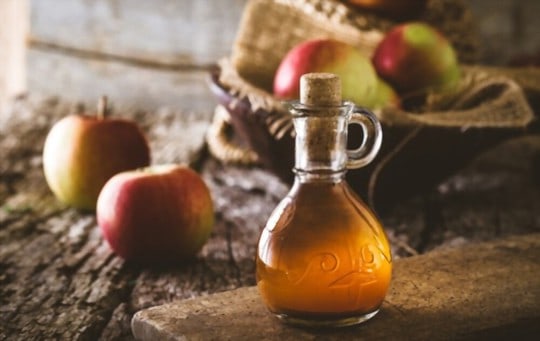
Apple cider vinegar is a type of vinegar made from apple cider that has been fermented.
It is typically pale to medium amber in color and has a distinctly sour, tart flavor.
Apple cider vinegar can be used in much the same way as other types of vinegar, such as grape vinegar.
It can be used for pickling or as a dressing or marinade. It can also be used as a natural cleaning agent.
When substituting apple cider vinegar for grape vinegar, use a 1:1 ratio.
Frequently Asked Questions
Red Wine Vinegar, White Wine Vinegar, Champagne Vinegar, Rice Vinegar, and Apple Cider Vinegar. Use it at a 1:1 ratio in any recipe that calls for BEST Grape Vinegar.
Absolutely. Red Wine Vinegar is the closest swap.
White Wine Vinegar also works in a pinch. Match the original amount and tweak from there.
Can this substitute be used in baking as well as cooking?
Some work in both, but baking is less forgiving.
Substitutes that alter fat content, sweetness, or moisture can shift the structure of baked goods.
Test with a small batch first.
Frozen substitutes sometimes change texture after thawing. This matters more in raw applications like salads than in cooked dishes where texture is softened by heat anyway.
For herb-infused options, 5 BEST Substitutes for Tarragon Vinegar lists alternatives to try. Cooking Simplified: 5 Substitutes for Red Wine Vinegar provides more red-wine-based swaps.