
Good replacements for Castelvetrano Olives include Picholine Olives, Cerignola Olives, Manzilla Olives, Kalamata Olives, and Liguria Olives.
Picholine Olives
Picholine olives are a variety that is beloved for their fragrant and slightly tart flavor.
For cooking, Cerignola Olives also works well - adjust the amount to taste.
Craving Castelvetrano olives and your kitchen says "nope"?
Chill, it's all good. This hiccup is just your ticket to jazzing up dishes in ways you haven't yet dreamed of.
Those buttery, mild olives are a tough act to follow, true.
Yet, we've scouted out five knock-out contenders that are ready to slide into your recipes and steal the show.
Each brings its own flair, ready to make your taste dances in new and exciting ways.
Grab your apron; it's time to mix things up and keep your foodie adventures fresh!
5 Substitute Options for Castelvetrano Olives
If you are looking for a substitute for Castelvetrano olives, there are a few options available - including Gaeta olive substitutes list for briny swaps.
Here is a list of the five best substitutes for Castelvetrano olives:
1 - Picholine Olives
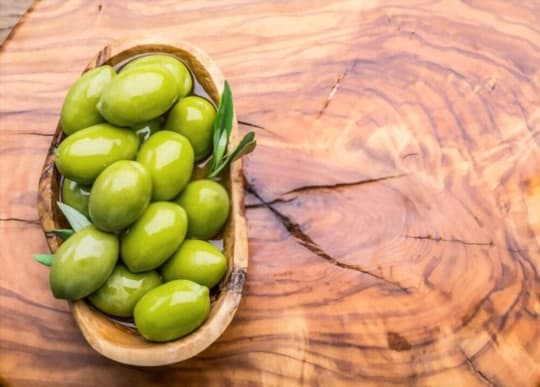
Picholine olives are a variety that is beloved for their fragrant and slightly tart flavor.
They have a delicate texture, making them perfect as a snack or as an addition to many dishes.
They are also the perfect substitute for the more costly Castelvetrano olives - with their fleshy texture and intense buttery flavor, Picholine olives make an excellent alternative to the expensive favorites - or consider black olive substitute options for similar uses.
Craving those bright green gems? Reach for some Picholine olives - they're sure to satisfy.
2 - Cerignola Olives

Cerignola olives are among the most popular Italian green table olives.
These large, round olives have a mild flavor and meaty texture that is distinctive without being overpowering.
These olives make a great snack on their own, plus they can be used to enhance dishes like salads or pasta.
For cooks looking for a substitute for Castelvetrano olives, Cerignola olives will do the trick: their unique flavor will stand up to strong flavors, and the larger size of Cerignola makes them an impressive feature on any plate - also see Nicoise olive substitute ideas for similar salads.
3 - Manzilla Olives
Manzanilla olives, a type of mixed U.S. olive, have come to the limelight in recent years and offer an exciting alternative to traditional Castelvetrano olives.
With their distinctive flavor and bright popping color, Manzanilla olives are quickly becoming a staple in pantries across the country.
They have a slightly tart taste with the perfect hint of bitterness that works well with salads, antipasti platters, or even as a topping for sandwiches.
The texture is slightly chewier than Castelvetrano olives.
However, they have a uniquely enjoyable crunch.
As an olive enthusiast who loves trying different varieties, I highly recommend Manzanilla Olives as a great substitute for Castelvetrano in your favorite dishes - learn more about black vs green olive differences explained to match flavor and texture.
4 - Kalamata Olives
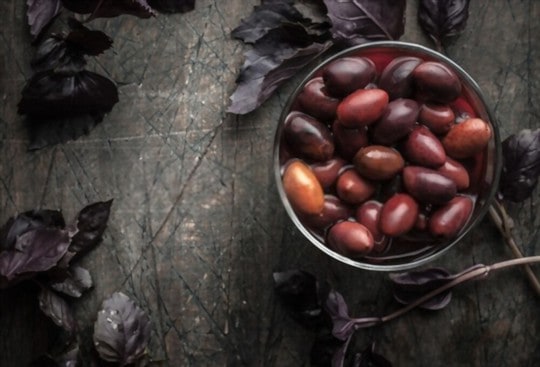
Kalamata olives are a famous Greek food popular in Europe and the Middle East.
Often used as part of a salad, kalamata olives have a unique flavor that is both salty and intense.
They have a dense and meaty texture, making them an ideal topping or addition to dishes.
For those looking to substitute Castelvetrano olives in their recipes, Kalamata olives make an excellent substitution due to their similar color and shape - compare with Nicoise vs Kalamata comparison for recipe fits.
However, they offer a stronger flavor that is more assertive and salty than many other types of green olives.
5 - Liguria Olives
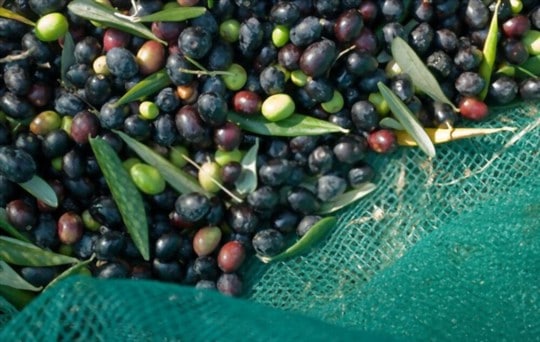
Liguria Olives are a flavorful and colorful addition to any dish.
These mild, subtly salty olives have a creamy texture that can melt in your mouth - they're incredibly delicious.
If you wish to substitute Castelvetrano olives for Liguria olives, it's easy to do so, as the flavor is quite similar.
Liguria olives are often brighter in appearance and a bit milder in flavor but bring the same beautiful green hue to any olive dish.
These olives work great with everything from salads to sandwiches and pasta recipes, always bringing richness and complexity to taste.
Flavors range from mild and buttery to briny and sharp - see a quick olive taste guide with descriptions and compare how presentation affects use in pitted vs unpitted olive differences.
Frequently Asked Questions
Picholine Olives, Cerignola Olives, Manzilla Olives, Kalamata Olives, and Liguria Olives. Use it at a 1:1 ratio in any recipe that calls for Castelvetrano Olives.
In most cases, yes. Try Picholine Olives first since the flavor is closest.
Cerignola Olives handles heat and texture differently, so test in small batches.
It can, especially with ingredients that have distinct colors or pigments. The difference is usually minor in mixed dishes but may be more visible in lighter sauces or batters.
How do you adjust seasoning when using a substitute?
Taste as you go.
Substitutes can be saltier, milder, or sweeter than the original.
Add seasoning gradually and adjust at the end rather than matching the original recipe amounts exactly.