
Good replacements for Kabocha Squash include Butternut Squash, Pumpkin, Acorn Squash, Delicata Squash, and Spaghetti Squash.
Butternut Squash is the closest match - it has a similar flavor and works at a 1:1 ratio in most recipes.
For cooking, Pumpkin also works well - adjust the amount to taste since it may be slightly stronger or milder.
Finding a kabocha squash can be like searching for a needle in a haystack.
Lucky for us, there are plenty of swaps that'll save your dish without skipping a beat.
No kabocha? No problem.
We're here to keep your cooking stress-free and just as delicious.
With these substitutes, you won't even miss the original. Your meals will still be the talk of the town.
5 Kabocha Squash Substitutes for Cooking
Kabocha squash, also known as Japanese pumpkin, is a versatile and flavorful vegetable commonly used in various culinary dishes.
However, if you don't have access to kabocha squash or want to try different flavors, there are several substitutes available.
| Substitute | Key Characteristics | Proper Ratio |
|---|---|---|
| Butternut Squash | Sweet and nutty flavor with a smooth texture; versatile and commonly used as a substitute | Use an equal amount of butternut squash as a substitute for kabocha squash |
| Pumpkin | Mild and slightly sweet flavor with a dense and smooth texture; often used in pies and desserts | Use an equal amount of pumpkin as a substitute for kabocha squash |
| Acorn Squash | Nutty and sweet flavor with a tender and creamy texture; pairs well with savory and sweet recipes | Use an equal amount of acorn squash as a substitute for kabocha squash |
| Delicata Squash | Sweet and creamy flavor with a tender skin; great for roasting and stuffing | Use an equal amount of delicata squash as a substitute for kabocha squash |
| Spaghetti Squash | Mild and slightly sweet flavor with a stringy texture; popular as a low-carb pasta alternative | Use an equal amount of spaghetti squash as a substitute for kabocha squash |
Here is a closer look at each option:
1 - Butternut Squash
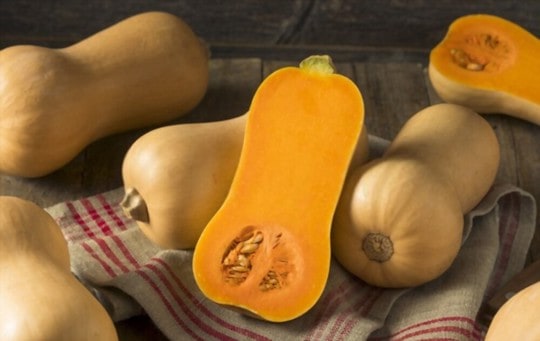
Butternut squash is similar to kabocha in taste, texture, and nutrition.
If you are having trouble finding fresh kabocha squash but can get your hands on some butternut squash, give it a try.
You can use butternut squash in the same way you would kabocha. It is versatile and microwavable.
Also, it's also great when baked or roasted.
Whether for an entrée or side, you can use butternut squash to substitute for kabocha.
However, note that butternut squash is pretty sweet and might add a little more sweetness to your recipes.
- Key Characteristics: Butternut squash has a sweet and nutty flavor with a smooth texture. It is a versatile substitute for kabocha squash and is commonly used in soups, stews, and roasted dishes.
- Proper Ratio: Use an equal amount of butternut squash as a substitute for kabocha squash. Adjust the quantity based on your recipe requirements.
2 - Pumpkin
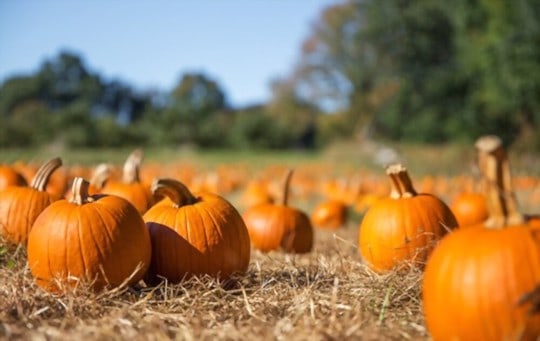
Even though pumpkin was not mentioned in the article on Kabocha squash, it's actually a great substitute.
Pumpkin is a type of winter squash and tastes similar to kabocha.
Pumpkin, much like butternut squash, can be microwaved or baked in the oven.
The pumpkin becomes soft and has a neutral taste when it's boiled - perfect for purees.
If you're looking for something with more flavor, give the pumpkin a try sliced and roasted.
Pumpkin is not as sweet as butternut squash.
In addition, it can be used in the same way as kabocha for recipes such as soups, stews, casseroles, and pie fillings.
- Key Characteristics: Pumpkin has a mild and slightly sweet flavor with a dense and smooth texture. While often associated with desserts, it can also be used as a substitute for kabocha squash in savory dishes such as curries and roasted vegetables.
- Proper Ratio: Use an equal amount of pumpkin as a substitute for kabocha squash. Adjust the quantity based on your recipe requirements.
3 - Acorn Squash
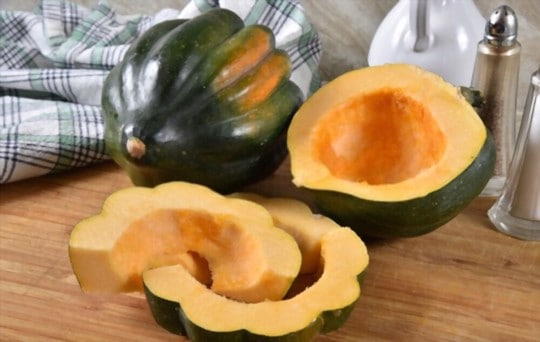
When substituting kabocha for acorn squash, consider that the two have different textures.
Acorn squash is firm and has tough skin.
In addition, it's a pale yellow color with dark green streaks - just like kabocha.
Acorn squashes are slimmer than kabocha. They also have less orange flesh.
They have a much milder flavor when compared to kabocha.
Turn it into a puree, or add some salt and pepper.
You can also add it to soups or stews.
- Key Characteristics: Acorn squash has a nutty and sweet flavor with a tender and creamy texture. It pairs well with both savory and sweet recipes, making it a suitable substitute for kabocha squash in dishes like soups, purees, and casseroles.
- Proper Ratio: Use an equal amount of acorn squash as a substitute for kabocha squash. Adjust the quantity based on your recipe requirements.
4 - Delicata Squash
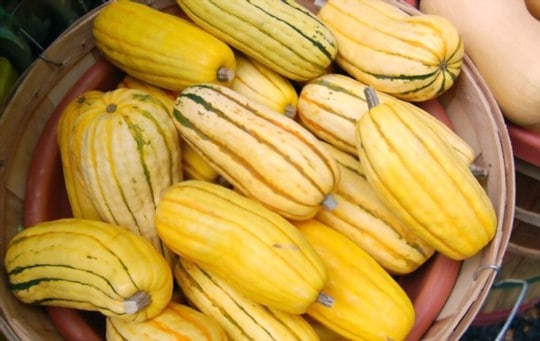
Delicata squash is a type of winter squash similar to kabocha.
The skin and flesh tend to be firm and pale yellow or green in color.
It has dark green stripes compared to kabocha - which doesn't have any.
Delicata squashes are a bit sweeter than kabocha.
However, it can be used in the same way as kabocha for recipes such as soups, stews, casseroles, and pie fillings.
When substituting for kabocha, squash is very similar in nature.
The differences are in color and texture.
If you come across a fruit that looks like kabocha, give it a try.
It just might be your next favorite dish.
- Key Characteristics: Delicata squash has a sweet and creamy flavor with a tender skin that does not need to be peeled. It is great for roasting and stuffing, and can be used as a substitute for kabocha squash in various recipes.
- Proper Ratio: Use an equal amount of delicata squash as a substitute for kabocha squash. Adjust the quantity based on your recipe requirements.
5 - Spaghetti Squash
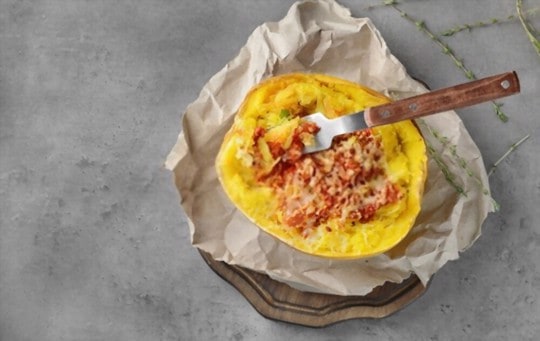
Spaghetti squash is very unique winter squash.
In fact, it's not even a type of pumpkin - which is what most people expect.
It should be no surprise that spaghetti squash looks different - it looks more like yellow zucchini.
The fruit has fleshy strands that are edible and have the taste and texture of pasta.
Spaghetti squash has a mild taste and makes the perfect pasta dish.
It's also great boiled, microwaved, or baked.
The best part is that it's whole, so you don't have to do any prep work.
Just cook it and enjoy.
- Key Characteristics: Spaghetti squash has a mild and slightly sweet flavor with a stringy texture that resembles spaghetti strands. It is popular as a low-carb pasta alternative and can also be used as a substitute for kabocha squash in recipes like stir-fries and casseroles.
- Proper Ratio: Use an equal amount of spaghetti squash as a substitute for kabocha squash. Adjust the quantity based on your recipe requirements.
Frequently Asked Questions
Butternut Squash is the best substitute for Kabocha Squash because it shares a similar flavor and texture. Use it at a 1:1 ratio in any recipe that calls for Kabocha Squash.
In most cases, yes. Try Butternut Squash first since the flavor is closest.
Pumpkin handles heat and texture differently, so test in small batches.
It can, especially with ingredients that have distinct colors or pigments. The difference is usually minor in mixed dishes but may be more visible in lighter sauces or batters.
How do you adjust seasoning when using a substitute?
Taste as you go.
Substitutes can be saltier, milder, or sweeter than the original.
Add seasoning gradually and adjust at the end rather than matching the original recipe amounts exactly.