
No legal food gives the effect of THC, but hemp seed foods and herbal teas are legal options you can cook or brew.
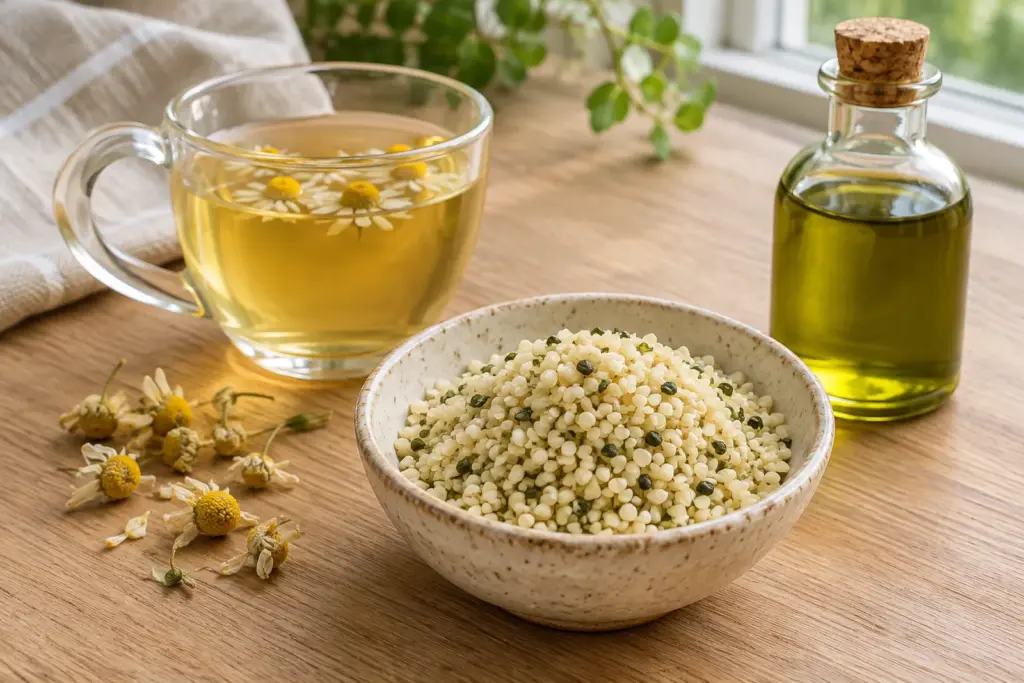
- Hemp seeds and hemp seed oil taste nutty, and FDA says they cannot make you high.
- Chamomile or lavender tea is caffeine-free, though sleep studies are small.
- CBD, kava, kratom and delta-8 THC carry real health risks, so you're better off leaving them out.
Those four products sit on the skip list below because FDA and the National Institutes of Health tie them to liver injury, addiction or intoxication, and FDA lists liver injury among CBD's known risks.
A legal alternative to marijuana can mean a food with the plant's flavor, a calm evening drink, or help cutting back. Hemp foods and herbal teas cover the first two.
As with any ingredient substitution, the right pick depends on the job you need filled, and the third job, cutting back, has its own section near the end.
What Does Marijuana Do That Food Can't Copy?
FDA calls THC the psychoactive component of cannabis, so THC is what cooking with cannabis is after. The plant itself only adds a grassy, bitter herbal flavor that most edible recipes try to hide.
Hemp seeds come from the same plant species, but FDA says the seeds don't naturally contain THC. Its review of hulled hemp seed, hemp seed protein powder and hemp seed oil found only trace amounts of THC and CBD picked up during harvest and processing, and it concluded these foods are not capable of making you high.
Herbal teas do a different job. They give you a warm, caffeine-free drink for the evening, and the research on their calming effects is early, small or mixed, so it makes sense to treat them as drinks first.
6 Best Legal Alternatives to Marijuana
Each option is an ordinary grocery-store food or tea, and each does one job and has one main limit:
| Option | Use it for | Limit |
|---|---|---|
| Hemp hearts | Oatmeal, salads | No high |
| Hemp oil, milk | Dressings, coffee | Oil is for raw use |
| Chamomile | Evening cup | Thin sleep evidence |
| Lavender | Tea, shortbread | Small studies |
| Valerian | Bedtime tea | Short term only |
| Ginger | Upset stomach | Not for motion sickness |
The hemp foods bring the plant's flavor to the plate, and the teas give you an evening routine.
1. Hemp Hearts
Hulled hemp seeds, sold as hemp hearts, are the closest link to cannabis in your kitchen, because they come from the same plant. They taste mild, nutty and a little earthy, and their soft texture disappears into oatmeal or a smoothie.
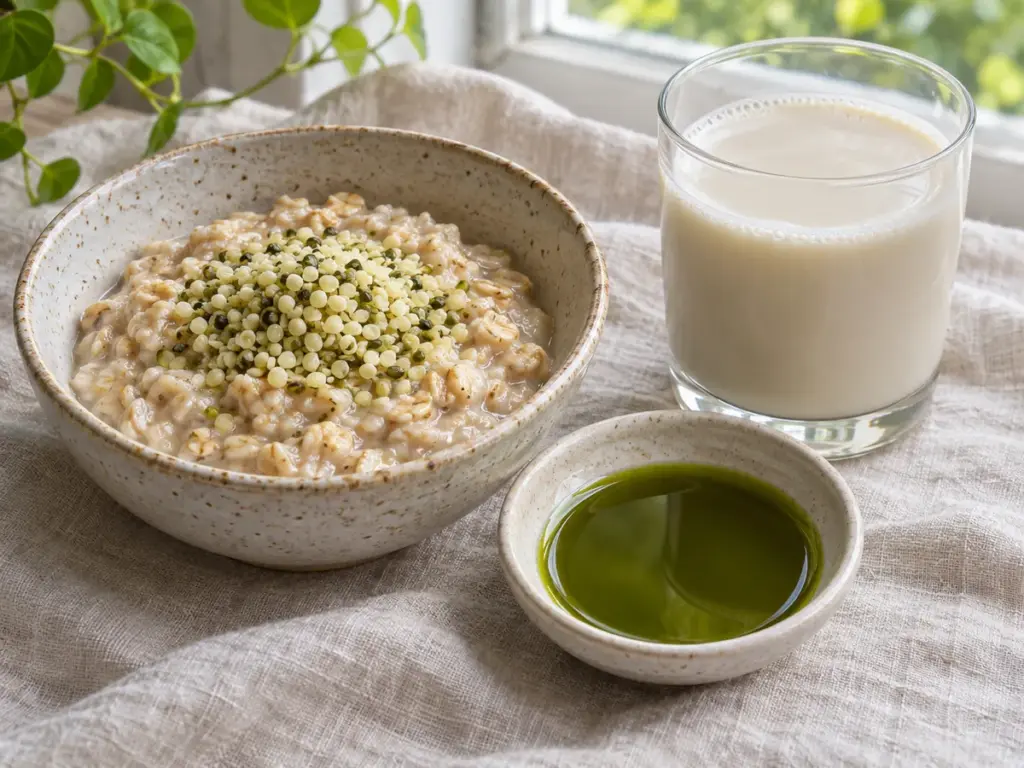
USDA lists 31.6 grams of protein per 100 grams of hulled seeds, so 3 tablespoons (30 grams) give you about 9.5 grams of protein and 166 calories.
- Oatmeal and yogurt keep the seeds' soft bite when you stir them in after cooking.
- Salads and grain bowls take hemp hearts well, and you can sprinkle them in place of sesame or sunflower seeds.
- A smoothie picks up extra protein from a spoonful of hemp hearts.
If you'd rather avoid hemp altogether, flax or pumpkin seeds give a similar crunch in the same dishes.
2. Hemp Seed Oil and Hemp Milk
Cold-pressed hemp seed oil is green and tastes grassy and nutty, so you'll want it raw, whisked into salad dressings, drizzled over soup or stirred into dips. If you fry with it, you waste its flavor.
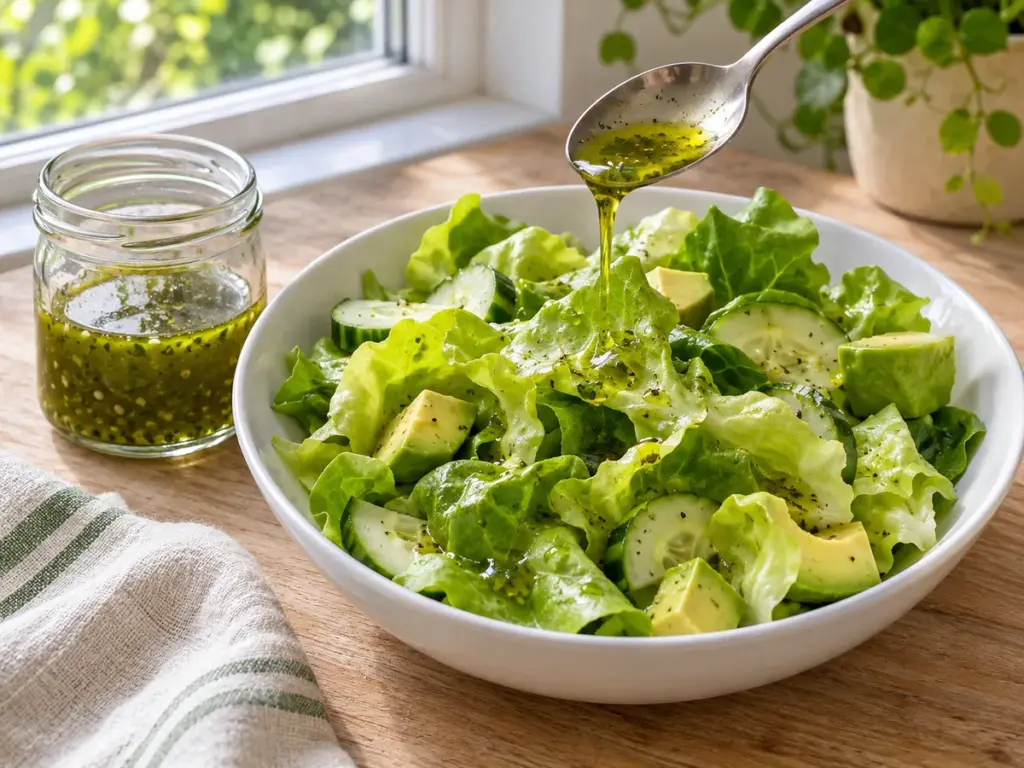
FDA's review covered hemp seed oil with only trace amounts of CBD and THC. A bottle sold as "CBD oil" is a different product, covered under the skip list below.
Hemp milk is hulled hemp seeds blended with water, and it works in coffee, cereal and smoothies. If you find its earthy taste too strong, oat or soy milk swaps in at the same amount.
3. Chamomile Tea
NIH's National Center for Complementary and Integrative Health (NCCIH) says chamomile is likely safe in the amounts found in tea. It is an herbal tisane, so a cup has no caffeine, and you'll taste soft apple and honey notes.
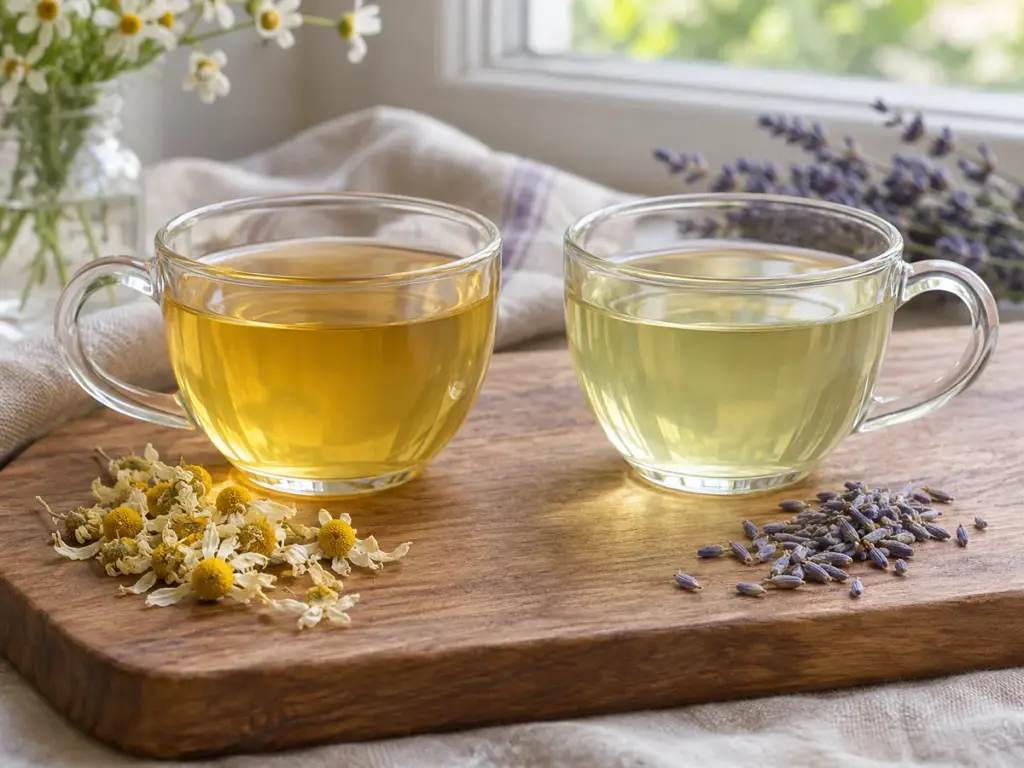
The evidence for calm is thin. Early studies suggest a chamomile supplement might help generalized anxiety disorder, but a 2019 review found only one study on insomnia, and that study showed no benefit.
Chamomile is not for you if you're allergic to ragweed, chrysanthemums, marigolds or daisies. If you take warfarin or other medicines processed by the liver, ask your doctor first, since NCCIH lists reported interactions.
4. Lavender in Tea and Baking
NCCIH says lavender is likely safe in the amounts used in foods. You'll want lavender labeled culinary, and only a small pinch in tea, shortbread or lemonade, because a heavy hand makes its floral, slightly herbal taste turn soapy.
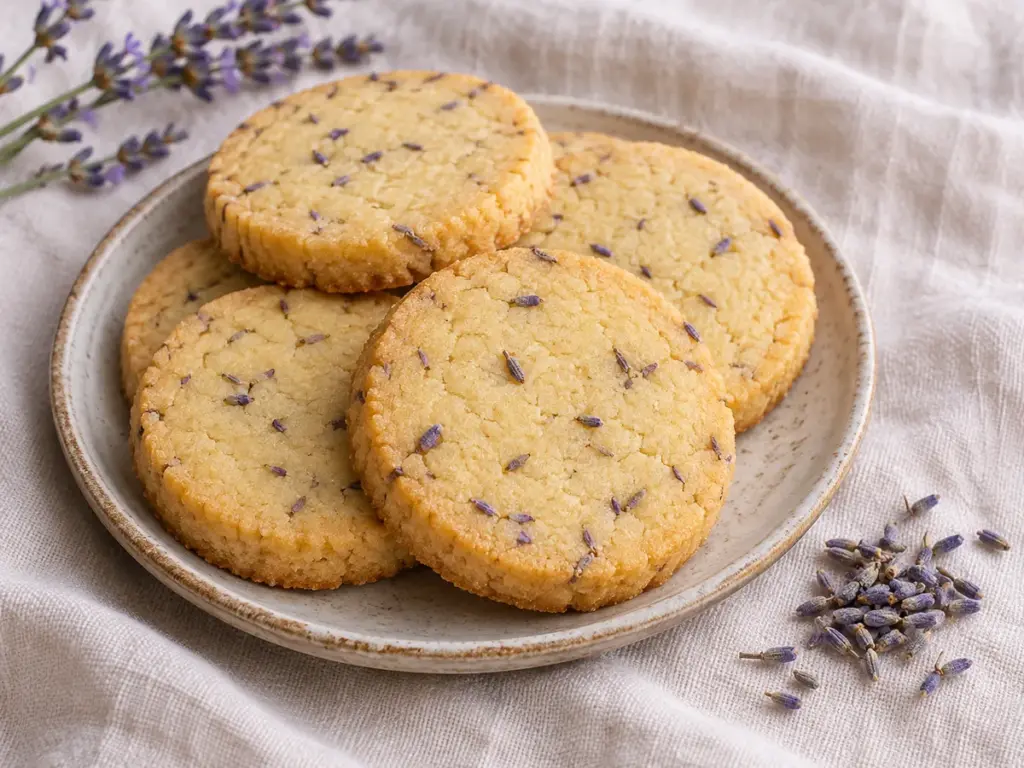
A lavender oil product taken by mouth might help with anxiety in studies, though NCCIH notes the research has limits such as small sample sizes. Some people get diarrhea, headache, nausea or burping from oral lavender products.
NCCIH adds that little is known about lavender in pregnancy or while breastfeeding, so if that applies to you, check with a doctor before using it beyond a food pinch.
5. Valerian Tea, for Short-Term Use Only
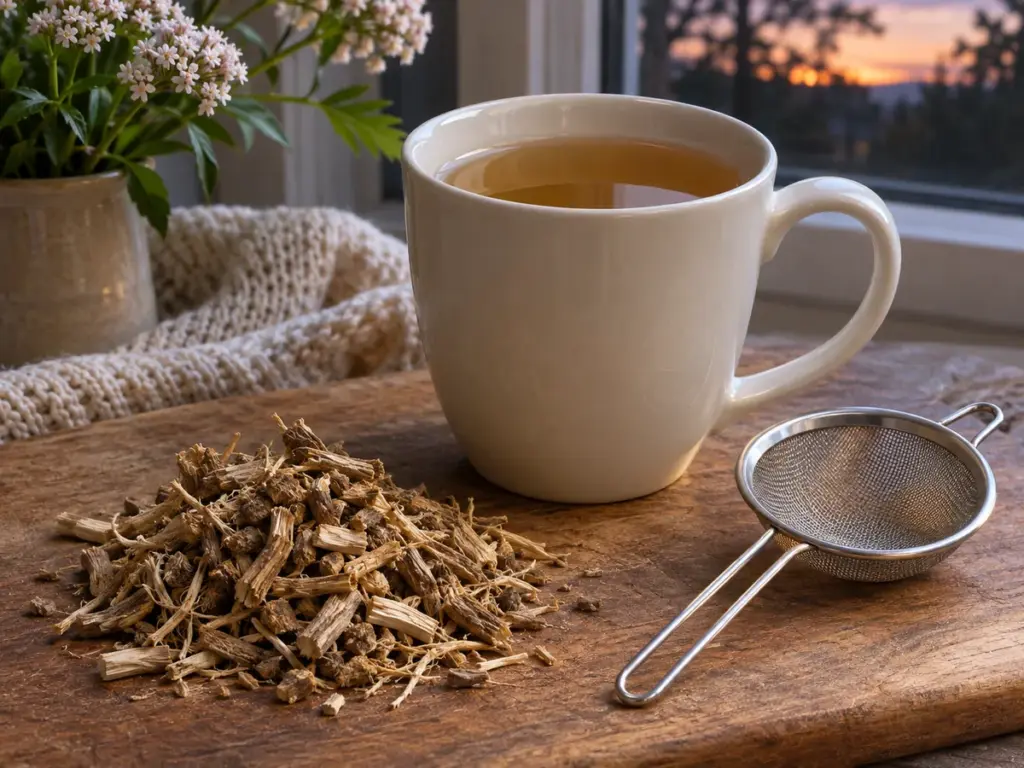
Valerian root is the most sleep-focused herb here, and also the one with the most limits. If you're hoping it helps you sleep, NCCIH calls the evidence for sleep inconsistent, and the American Academy of Sleep Medicine recommended against valerian for chronic insomnia in adults in 2017.
6. Ginger Tea
Ginger is the one item here with a clear stomach job. NCCIH says ginger may be helpful for nausea and vomiting in pregnancy, but most studies of ginger for motion sickness haven't shown it to help, and it is uncertain whether it helps nausea from chemotherapy or surgery.
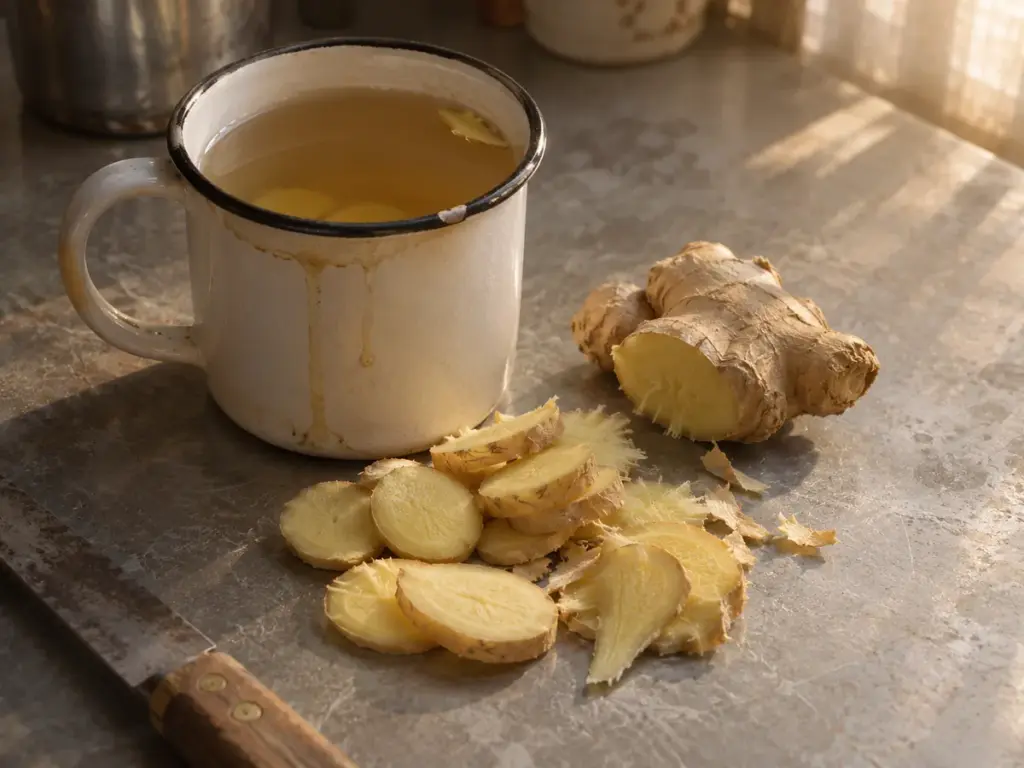
You can pour hot water over a few thin slices of fresh root and steep it until the flavor suits you, and what ginger tea tastes like depends on how long it sits.
Most of the nausea studies NCCIH describes tested ginger supplements, and it lists abdominal discomfort, heartburn and diarrhea as side effects. It also advises talking with a health care provider before using ginger if you take any medicine.
Which Option Fits What You Want?
The right pick depends on whether you want the plant, an evening routine or a calmer stomach:
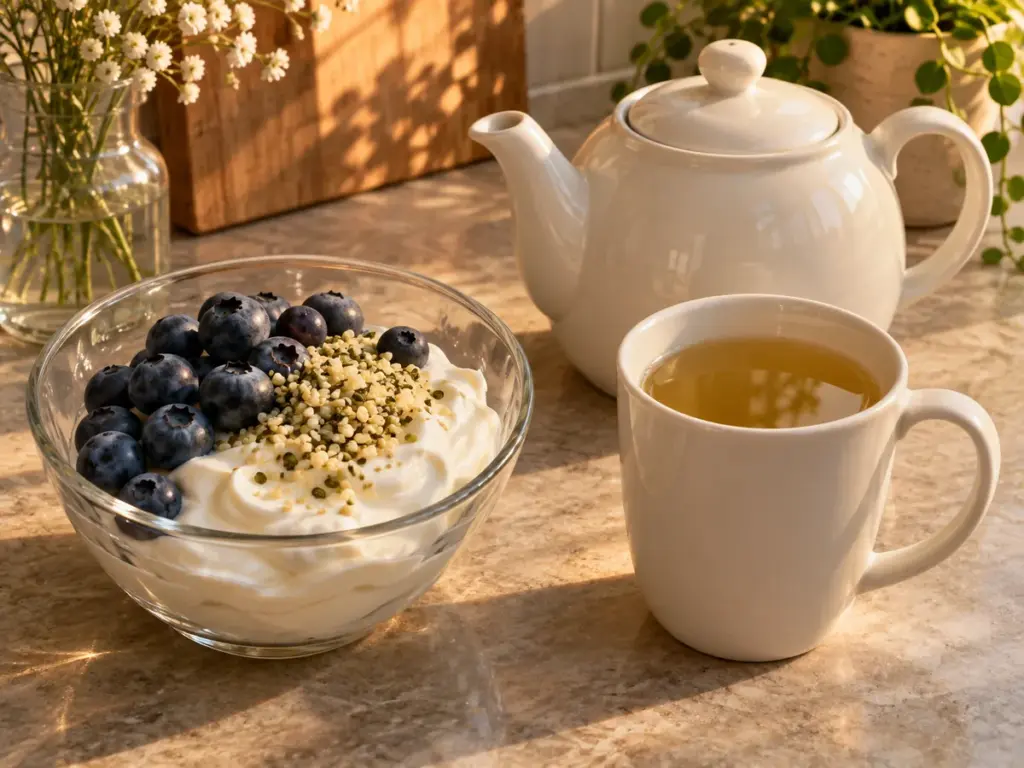
- Hemp hearts go on oatmeal or salad.
- Hemp seed oil goes into a raw dressing.
- Hemp milk goes into coffee.
- Chamomile fits the evening unless you have a ragweed allergy.
- Lavender works with a small pinch of buds.
- Ginger tea suits an unsettled stomach.
If what you miss is the high itself, no food here copies it. Readers also ask about focus and concentration, and none of these foods or teas has research behind it for that, so a doctor is the better person to ask.
Can You Smoke Something Else Instead of Weed?
Many readers ask which herb they can smoke in place of marijuana. The American Lung Association says smoke is harmful to lung health, and that burning wood, tobacco or marijuana all releases toxins and carcinogens.
The same group says vape pens used with cannabis concentrates may have similar respiratory health effects as e-cigarette use, so a vape pen is not a proven way around the smoke question either.
If the smoking break is the habit you want to keep, a mug of tea at the same time of day fills that slot without any smoke.
What Replaces Cannabis Butter or Oil in a Recipe?
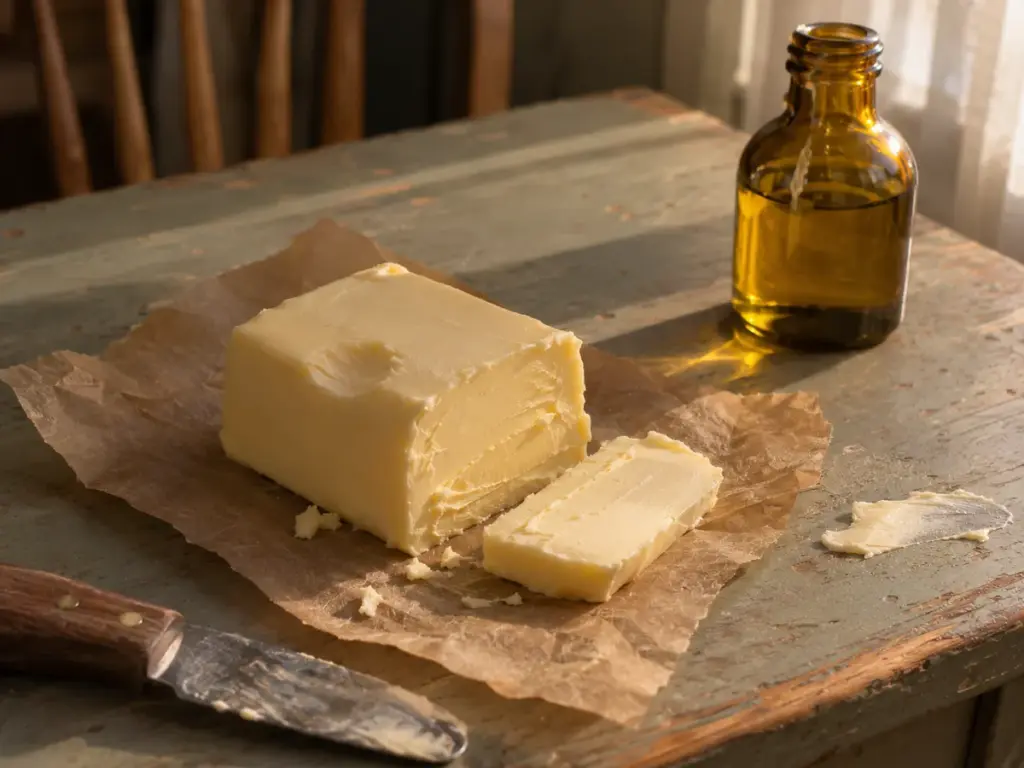
Cannabis butter and cannabis oil are ordinary butter and oil that were infused with the plant, so in a recipe that calls for them, the same amount of plain butter or oil keeps the texture and richness of the dish.
Once you switch, the dish loses only the plant's flavor and the THC.
Which "Legal Highs" Should You Skip?
Four products often show up on lists of marijuana alternatives. Federal health agencies have warned about each of them.
CBD Foods and Drinks
CBD gummies, seltzers and coffees are easy to find, yet FDA says it is a prohibited act to ship food with added CBD or THC across state lines, and that CBD products are excluded from the dietary supplement definition. The only FDA-approved CBD product is a prescription drug, Epidiolex.
FDA lists these known risks of CBD:
- Liver injury.
- Changes in how other drugs work, which can cause serious side effects.
- Drowsiness and other changes in alertness.
- Diarrhea or a smaller appetite.
- Irritability and agitation.
- Male reproductive harm in laboratory animal studies.
You also can't trust the labels, since a 2017 JAMA study that bought 84 CBD products online found only about 3 in 10 held the CBD amount on the label, within 10%, and some products also contained THC.
Kava
Kava is a common entry on weed-alternative lists, and NCCIH links kava products to rare cases of liver injury, some serious or even fatal, including cases involving kava drinks made with water.
If you're thinking of kava for calm, NCCIH says it should not be combined with alcohol or other sedating substances, and it did not appear to help generalized anxiety disorder.
Kratom
FDA says kratom cannot be lawfully added to conventional foods and is not appropriate as a dietary supplement. It warns of liver toxicity, seizures and substance use disorder.
One kratom compound, 7-OH, is, according to FDA, more potent than morphine at the mu-opioid receptor.
Delta-8 THC
FDA says delta-8 THC has psychoactive and intoxicating effects, like the THC in marijuana, and that it has not been evaluated or approved for safe use in any context. Poison control centers logged 2,362 delta-8 exposure cases between January 2021 and February 2022.
Some makers use potentially unsafe household chemicals to produce it, and it often comes as gummies and chocolates that appeal to children.
FDA asks you to keep these products away from children and pets. If someone has a serious reaction, call 911.
Do Turmeric, Black Pepper and Echinacea Work as Substitutes?
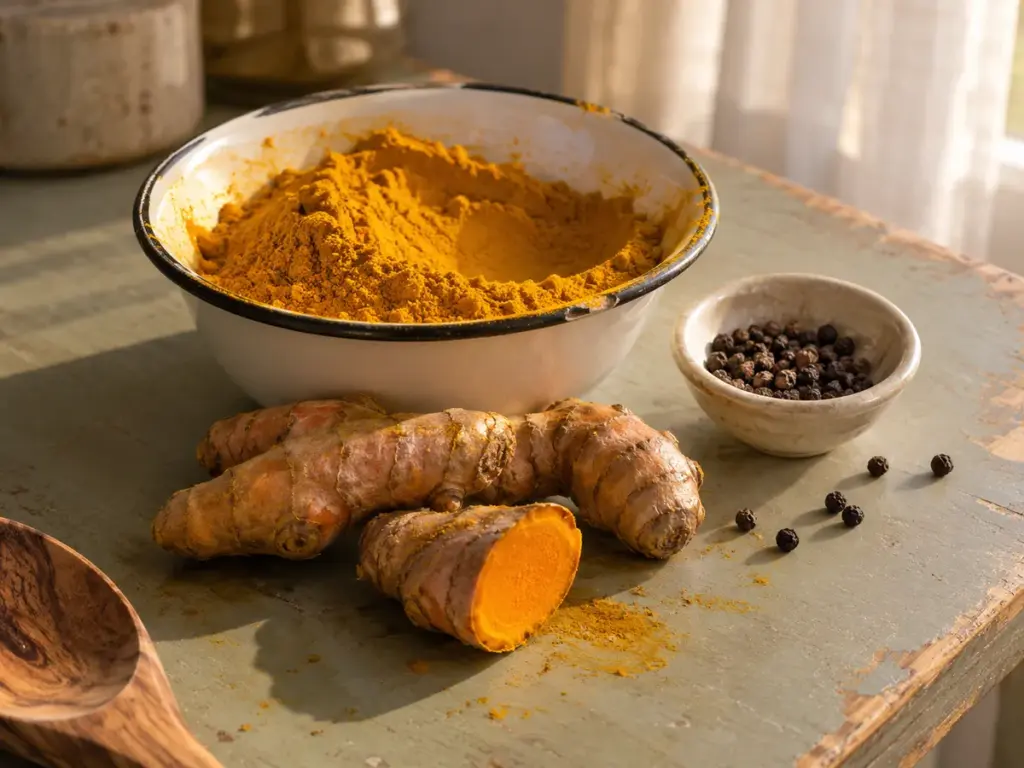
Older lists of marijuana alternatives also name turmeric with black pepper and echinacea. Turmeric is a kitchen spice with a warm, earthy taste, but NCCIH says the evidence is not enough to conclude that turmeric or curcumin helps any health problem.
NCCIH also reports liver damage in some people who took highly bioavailable curcumin products, and notes that supplements often add piperine from black pepper to raise absorption.
Echinacea is mainly promoted as a supplement for colds, and NCCIH's page does not describe it as a calming or pain-relief herb. It is closely related to sunflowers, daisies and ragweed, and some people have severe allergic reactions to it.
What If You're Trying to Cut Back on Marijuana?
A food swap can only replace part of a habit, such as what you drink in the evening. If you want to use less marijuana, SAMHSA's National Helpline, 1-800-662-4357, is free, confidential and open around the clock, and its staff refer callers to local treatment and support.
If you see a doctor about cutting back, mention any herbal tea or CBD product you use, because chamomile, valerian and CBD can each interact with other medicines or add to their sleepiness.
Sources
- FDA: Regulation of Cannabis and Cannabis-Derived Products, Including CBD
- FDA: Responds to Three GRAS Notices for Hemp Seed-Derived Ingredients
- FDA: What You Need to Know About Products Containing Cannabis or CBD
- FDA: 5 Things to Know About Delta-8 THC
- FDA and Kratom
- NCCIH: Chamomile
- NCCIH: Lavender
- NCCIH: Valerian
- NCCIH: Ginger
- NCCIH: Kava
- NCCIH: Turmeric
- NCCIH: Echinacea
- American Lung Association: Marijuana and Lung Health
- Bonn-Miller et al., Labeling Accuracy of Cannabidiol Extracts Sold Online, JAMA 2017
- USDA FoodData Central: Seeds, Hemp Seed, Hulled
- SAMHSA's National Helpline

Food writer at GustoMeadow. Writes ingredient substitutes, food comparisons, taste guides and storage guides for home cooks.
Storage and food-safety numbers follow USDA, FDA and university extension guidance.



