
Do you know why you're always told to cover your meals in airtight containers or plastic bags when storing them?
To prevent air from getting in and avoid molds from growing on your foods, as they can be harmful.
But have you ever eaten or tasted mold? Though mold is safe on cheese, it's highly dangerous on spoiled foods.
It can cause issues like diarrhea, nausea, and fever.
So what does mold taste like? Does it even have a flavor?
If you're here, you're probably curious about it.
We'll let you know what mold is, its taste, and more.
What is Mold?
Mold is a fungus that grows in humid areas and mainly on food when not stored properly.
It not only has a distinctive odd smell but is also noticeable and tastes quite unpleasant - for a contrasting fruity profile, see acai berry taste guide.
Often it looks fluffy like mushrooms and can have several colors.
They have very thin threads that might not be visible and may be rooted deep inside the foods.
Also, mold is the main reason why most foods get spoiled now and then.
Mold grows all year round, be it summer or winter.
It produces spores that float on air and land on food wherever the conditions suit them, and that's where they start to grow and reproduce.
There are different types of mold, they're primarily toxic and have an unpleasant sight that can even suppress your appetite.
Also, there might also be bacteria growing with molds that can make you sick.
For contrasting bright flavors that work well with tart textures, what goes with lemon in desserts ideas outlines nine dessert-friendly pairings.
What Does Mold Taste Like?
There's nothing special about the taste of mold. It isn't good.
It has an unpleasant or musty smell, and its flavor can be described as earthy and sour depending on the type of fungus that has contaminated the food.
Often, you'll see mold growing in several colors, such as green, grey, black, white, or greenish blue.
They're very quick to grow on moist foods leaving an unpleasant odor, making them toxic and inedible.
Food items like bread, jams, fruits, vegetables, meat, and dairy products are vulnerable to mold.
But since they're not invisible, it should be easy for you to spot and remove them, so it doesn't ruin your or your pet's health.
Some people are okay with mold growing on food and its smell, it can be unbearable and disgusting for many.
After all, it doesn't look appetizing.
Although molds such as mycotoxins and aflatoxin are considered unhealthy and poisonous, some molds like penicillium and koji are used for food production and fermentation and are generally safe.
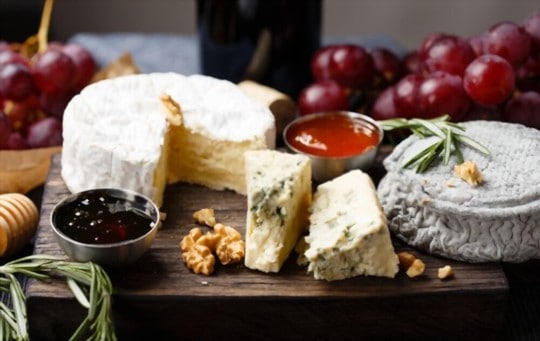
For example, blue cheese, alcoholic beverages, and soybean paste use molds for fermentation, giving them their distinctive taste.
Besides foods that count on molds for exclusive delicacies, unhealthy mold growing on products you consume daily should be discarded.
It's because the toxins spread quickly once contaminated.
Hence, to minimize mold spores from affecting your food, keep them covered or use plastic wraps to cover fresh-cut veggies, fruits, and salads.
What Happens If You Eat Mold?
In most cases, if you eat food that has mold, it can be dangerous and lead to several issues like shortness of breath, skin irritation, vomiting, and upset stomach.
It can also trigger allergies in those people with acute health problems.
While it may be tempting to wash and scrape off the affected part and eat the food, that might not be wise.
You never know what type of mold you're eating or whether they're safe, as some are very toxic and can even cause death.
But here's a solution.
Molds don't spread easily on dry foods, so you can easily cut off the portion as it won't cause harm.
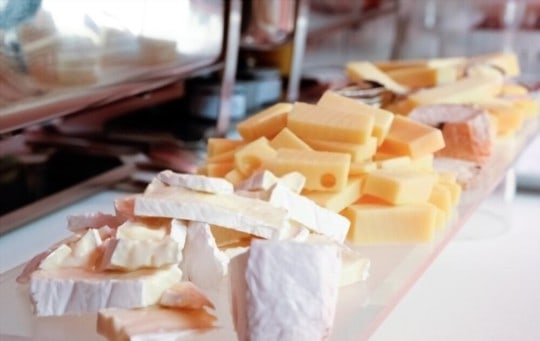
Items like dry ham, hard cheese, or fresh veggies and fruits need not be thrown away.
However, moist or soft foods like pasta, jam, soft cheese, butter, sour cream, and baked food items should be discarded immediately once invaded by mold so that it doesn't spread to other fresh goods.
Also, don't try to sniff contaminated food, as it may lead to respiratory issues.
If you doubt whether to throw or eat food that has mold, the best option is to throw it.
But you can also easily differentiate from its texture and smell too.
If mold forces a change in plans for avocados, consider alternative pairings and dips; what to eat with guacamole combos suggests tasty substitutes and matches.
Identifying Mold Flavors in Foods
Not all molds are toxic, but the ones that grow on your foods in the refrigerator are unsafe.
Most people might think cutting off the moldy part may make the food edible, but sadly that doesn't work on all foods.
It may be visible only on the outside, its thread can penetrate your food and grow inside, making it unsafe to eat or leaving a sour taste.
Hence, to protect other foods from contamination, it's best to throw them if you notice an unpleasant odor or spot fungus growing.
Frequently Asked Questions
But have you ever eaten or tasted mold? So what does mold taste like?
Does it even have a flavor? Try it in a few different preparations to find which version you prefer.
What pairs well with Mold?
Mold pairs well with ingredients that complement its natural flavor.
Try it alongside contrasting textures and seasonings to find combinations you enjoy.
Yes, noticeably. Fresh versions tend to have a brighter, more pronounced flavor.
Older or improperly stored versions can taste muted, sour, or slightly off - freshness matters here.
Start with a preparation that shows its natural flavor without overwhelming additions. Simple seasoning and a familiar context - alongside something they already enjoy - eases the introduction.