
Among variants of spices, sumac might be the most versatile one.
Both it's used as a cooking ingredient but also in medicine or as a dye.
Sumac is a flowering plant that bears red-colored berries.
This bright red-colored spice may not be as popular as paprika or chili powder, mainly due to the limited availability of this spice in grocery stores.
However, that doesn't deter the fact that it's an excellent cooking ingredient that gives flavor to a dish.
Besides, the demand for this spice has been growing gradually in recent years.
Want to know what does sumac taste like? Read on as we'll reveal its taste profile, variants, and how to serve it.
What is Sumac?
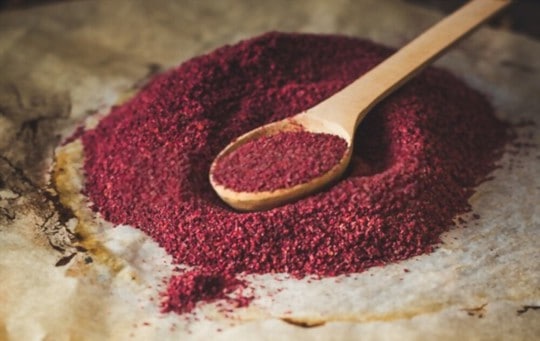
Sumac primarily grows in temperate and subtropical regions across the globe.
It's widely cultivated in Eastern Europe and Middle East countries.
This spice has been in existence for centuries and is still an essential cooking ingredient.
The sumac plant belongs to the Anacardiaceae family, which is also home to Peruvian pepper, mango, and poison ivy.
It has different variations, but burgundy or red is the most used one.
In contrast, white-colored sumacs are poisonous.
The tightly clustered berries from the sumac plant are harvested to be dried or soaked in the water, depending on the purpose.
For instance, dried sumac is grounded to turn it into powder.
The powdered form of this spice is found in most grocery stores.
It's widely used in several recipes, especially in Middle Eastern cuisines ranging from salad to meat-based dishes.
Because sumac brings citrus-like acidity, desserts that pair well with lemon can contrast its tang; lemon dessert pairings list shows nine complementary options.
Curious about similar tart fruit flavors? acai berry taste guide reveals flavor.
What Does Sumac Taste Like?
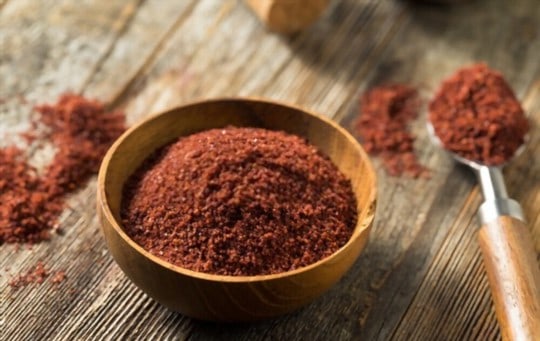
By the look of it, one may think sumac's taste either peppery or spicy.
However, it's quite the opposite. It's a mix of sweet and tangy flavors like lemon.
In fact, before lemon, the Phoenicians used this spice as a flavoring agent in their food.
Because of the presence of malic acid, which is known for giving a sour taste to fruits, sumac has a tart flavor.
Some may also say it has a tinge of vinegar flavor.
Despite having a sour flavor, this spice blends with most of the ingredients.
Whether vegetable or meat-based dishes, it complements perfectly.
However, be wary of the quantity used since it's pretty rich in flavor.
It may get too overpowering if used in a large amount.
Use sporadically based on the recipe or ingredients in it.
Sumac also goes well with other spices, particularly cumin and turmeric.
It has a distinct flavor but delivers an excellent result when mixed with other ingredients.
As mentioned above, sumac is used for medicinal purposes.
It's packed with antioxidants that help improve heart health and prevents cancer.
Even a tiny usage of this spice in recipes contains a good number of vitamins, healthy fats, and fibers.
It will be an excellent addition to your food if this spice is found in your local grocery stores.
How to Cook and Serve Sumac?
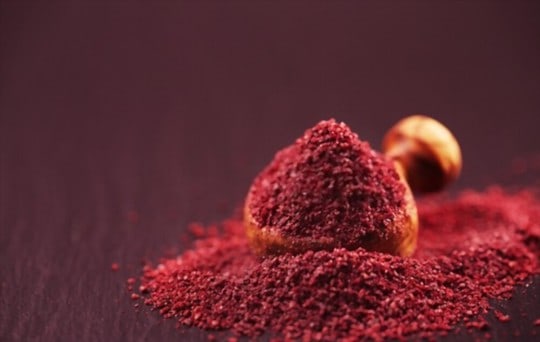
Sumac may not be the star ingredient in most recipes but one cannot deny the flavor it brings to the dish.
Despite using it in small quantities, the taste is noticeable due to its rich flavor.
You may include sumac in various recipes.
It's perfect for duck and lamb cuisines as the tangy flavor cuts the meat's fattiness.
This spice is also great in salads because of its acidic flavor in it.
Instead of squeezing lemon juice over the salad, sprinkle the ground sumac, which gives a more or less similar taste.
It's also an ideal seasoning ingredient for vegetable-based dishes - try 22 veggie sides that cook quickly for fast pairings.
This spice's rich flavor removes the veggies' blandness and gives a nice taste instead.
It also makes an excellent addition to homemade hummus.
This ingredient provides ample space for improvisation because of its versatile flavor.
All you need to be careful of is the amount used.
Check the ingredient list if you're getting grounded sumac from grocery stores.
Some contain salt, which means you need to watch out for the amount of salt used in the dish, or else it may get salty.
Avoid including sumac in your food if you have an allergy to cashews or mangoes.
Since it belongs to the same family, chances are likely to get an allergic reaction.
Distinctive Taste Profile of Sumac
Sumac makes an excellent ingredient in various recipes.
The sweet and tangy flavor adds color to a dish allowing you to enjoy a nice meal.
It's an ideal ingredient in meat-based dishes and salads too.
This spice is worth giving a shot if you haven't tried it yet.
Besides, it makes an excellent substitute for vinegar and lemon.
Both does it adds flavor to a dish, but it also has several health benefits.
Grounded sumac is likely to be found in your local grocery stores.
If it's not available, you may order it from online stores.
Frequently Asked Questions
Want to know what does sumac taste like? Read on as we'll reveal its taste profile, variants, and how to serve it.
Let's get into its taste profile now that you know what sumac is.
Several foods share flavor notes with Sumac. Tasting similar items side by side is the easiest way to map out what you enjoy and find new favorites.
Can you adjust the intensity of the flavor?
Yes.
Pairing it with acidic, sweet, or fatty components shifts the perceived intensity.
A squeeze of citrus brightens mild flavors, while fats like butter or oil mellow sharper ones.
Avoid pairings that clash with its dominant flavor note. Competing intensities - very sweet with very sour, or heavy with delicate - tend to obscure rather than go with the taste.
Sumac vs Za'atar clarifies how flavors diverge. sumac vs za'atar comparison and cooking with zest: sumac substitutes outline alternative options.