
Good replacements for Maitake Mushrooms include Shiitake Mushrooms, Portobello Mushrooms, Chanterelles, Crimini Mushrooms, and Oyster Mushrooms.
Shiitake Mushrooms is the closest match - it has a similar flavor and works at a 1:1 ratio in most recipes.
For cooking, Portobello Mushrooms also works well - adjust the amount to taste since it may be slightly stronger or milder.
Finding the perfect substitute for maitake mushrooms can feel like a culinary quest.
Oops. It's cool, though.
Our kitchens become makeshift labs, and our aprons, the cloaks of flavor wizards.
Maitake mushrooms pack a savory punch, known for their rich, earthy flair.
They can improve any dish from "meh" to "wow." But hey, scarcity or a last-minute grocery gap shouldn't kill the vibe.
Lucky for us, the world of fungi offers some pretty awesome understudies ready to jump into the spotlight.
Today, we're spilling the beans on five of these stand-ins. Trust us; you're gonna want to bookmark this.

5 Alternatives for Maitake Mushrooms
Maitake mushrooms, known for their rich flavor and meaty texture, are a popular ingredient in various culinary dishes.
However, if you cannot find maitake mushrooms or are looking for alternative options, there are several substitutes available.
| Substitute | Key Characteristics | Proper Ratio |
|---|---|---|
| Shiitake Mushrooms | Earthy and savory with a meaty texture; can add depth and umami to dishes | Use an equal amount of shiitake mushrooms as a substitute for maitake mushrooms |
| Portobello Mushrooms | Large, mature version of crimini mushrooms with a rich, meaty flavor; have a dense and hearty texture | Use an equal amount of portobello mushrooms as a substitute for maitake mushrooms |
| Chanterelles | Delicate and fruity with a peppery, earthy flavor; have a firm and meaty texture | Use an equal amount of chanterelles as a substitute for maitake mushrooms |
| Crimini Mushrooms | Similar taste profile to button mushrooms but with a deeper, earthier flavor; have a slightly firmer texture | Use an equal amount of crimini mushrooms as a substitute for maitake mushrooms |
| Oyster Mushrooms | Mild and delicate flavor with a slightly sweet and briny taste; have a tender and velvety texture | Use an equal amount of oyster mushrooms as a substitute for maitake mushrooms |
Here is a closer look at each option:
1 - Shiitake Mushrooms
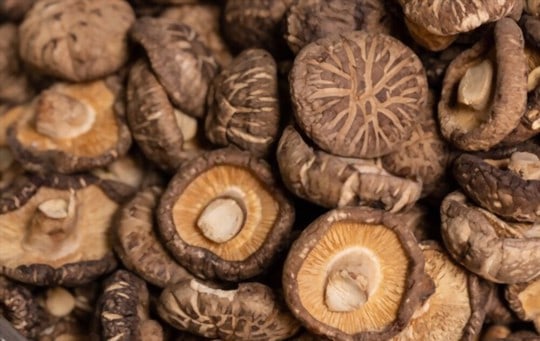
In terms of texture, shiitakes are springier than maitakes.
Shiitakes also have a stronger flavor than maitake mushrooms, which is why they're so popular in many dishes.
These can be cooked in different ways to yield various tastes - they may be added raw to salads or cooked in soups or sauces.
Shiitake mushrooms are great for both cold and hot dishes.
They have a nutty flavor that mixes well with other meats, vegetables, and pasta.
When cooked with certain spices such as garlic, thyme, parsley, and pepper, they can taste more flavorful than maitake mushrooms.
The best thing about these mushrooms is that, because they're widely available in grocery stores and Asian markets, they're easy to find.
- Key Characteristics: Shiitake mushrooms have an earthy and savory flavor with a meaty texture. They can add depth and umami to dishes, making them a suitable substitute for maitake mushrooms.
- Proper Ratio: Use an equal amount of shiitake mushrooms as a substitute for maitake mushrooms. Adjust the quantity based on your recipe requirements and desired flavor intensity.
2 - Portobello Mushrooms
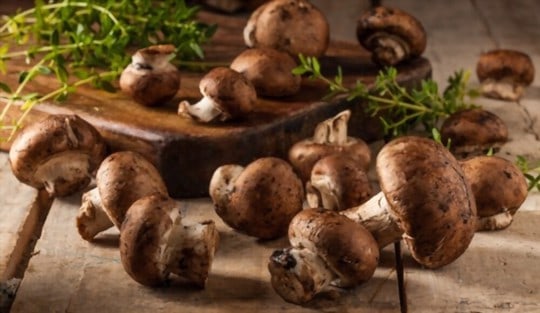
Portobello mushrooms are rather meaty with a thick texture often used as a substitute for steak or even hamburger patties.
These are great for grilling and have a wonderful taste that goes well with marinades.
In terms of texture, portobello mushrooms are slightly chewier than maitake but not as much as shitake mushrooms.
In addition to being used for sandwiches, these mushrooms can also be baked or grilled whole and stuffed with different ingredients.
They're rich in flavor but not too dominating, which is why they're often mixed with lighter flavors.
- Key Characteristics: Portobello mushrooms are larger and more mature versions of crimini mushrooms. They have a rich, meaty flavor and a dense, hearty texture, making them a suitable substitute for maitake mushrooms in dishes that require a substantial presence of mushrooms.
- Proper Ratio: Use an equal amount of portobello mushrooms as a substitute for maitake mushrooms. Adjust the quantity based on your recipe requirements and desired flavor intensity.
3 - Chanterelles

Chanterelles are the second priciest mushroom professionally grown in France.
They are also cultivated in Canada, Japan, China, Australia, New Zealand, and the United States.
It's difficult to cultivate chanterelle mushrooms, and they're also hard to find.
Chanterelles can be found either fresh or dried and are available year-round.
In terms of flavor, chanterelle mushrooms have a delicate but sweet taste that is often versatile enough to be added to lots of recipes for an interesting twist.
Some dishes include pasta, risotto, and mushroom soup.
These mushrooms are grown in various soils and climates, which is why they have such a unique flavor.
- Key Characteristics: Chanterelles have a delicate and fruity flavor with a hint of peppery earthiness. They have a firm and meaty texture, adding a unique taste and texture to recipes as a substitute for maitake mushrooms.
- Proper Ratio: Use an equal amount of chanterelles as a substitute for maitake mushrooms. Adjust the quantity based on your recipe requirements and desired flavor intensity.
4 - Crimini Mushrooms

Criminis are one of the most popular types of mushrooms used worldwide.
They have a very distinct color darker than common white button mushrooms but lighter than portobellos.
In addition, the edges of criminis are often lighter than the rest of them.
Crimini mushrooms have a porous texture that's somewhat meaty and crisp with a nutty flavor comparable to maitake mushrooms.
These taste great in stews, soups, omelets, and casseroles.
They can also be grilled until they're slightly browned and served whole.
One of the most popular criminis dishes is stuffed mushrooms, which can be prepared in many different ways.
- Key Characteristics: Crimini mushrooms have a similar taste profile to button mushrooms but with a deeper, earthier flavor. They have a slightly firmer texture, making them a suitable alternative to maitake mushrooms in various dishes.
- Proper Ratio: Use an equal amount of crimini mushrooms as a substitute for maitake mushrooms. Adjust the quantity based on your recipe requirements and desired flavor intensity.
5 - Oyster Mushrooms

Oyster mushrooms are often mistaken for shiitakes because of their similar appearance, but oyster mushrooms have a taste that's less meaty and more subtle than shiitakes.
These are more of a delicacy used in salads, stir-fry dishes, and soups.
These mushrooms have a soft velvety texture that's light on the palate with just enough flavor to be enjoyed without overpowering ingredients in other recipes.
Most of these mushrooms are white, but they may be tinted slightly yellow or grey.
Oyster mushrooms can be purchased either fresh or dried and still maintain most of their amazing flavor.
These are also considered one of the least allergenic types of mushroom.
- Key Characteristics: Oyster mushrooms have a mild and delicate flavor with a slightly sweet and briny taste. They have a tender and velvety texture, making them a suitable option as a substitute for maitake mushrooms in various recipes.
- Proper Ratio: Use an equal amount of oyster mushrooms as a substitute for maitake mushrooms. Adjust the quantity based on your recipe requirements and desired flavor intensity.
Frequently Asked Questions
Shiitake Mushrooms is the best substitute for Maitake Mushrooms because it shares a similar flavor and texture. Use it at a 1:1 ratio in any recipe that calls for Maitake Mushrooms.
In most cases, yes. Try Shiitake Mushrooms first since the flavor is closest.
Portobello Mushrooms handles heat and texture differently, so test in small batches.
It can, especially with ingredients that have distinct colors or pigments. The difference is usually minor in mixed dishes but may be more visible in lighter sauces or batters.
How do you adjust seasoning when using a substitute?
Taste as you go.
Substitutes can be saltier, milder, or sweeter than the original.
Add seasoning gradually and adjust at the end rather than matching the original recipe amounts exactly.