
The closest alternatives to Hawaiian Sea Salt are Himalayan Pink Salt, Kala namak, Fleur de sel, Kosher Salt, and Coarse Sea Salt.
Himalayan Pink Salt
Himalayan Pink salt is a type of rock salt that hails from the foothills of the mighty Himalayas.
For cooking, Kala namak also works well - adjust the amount to taste.
Running out of Hawaiian sea salt in the middle of a recipe can feel like hitting a snag.
Lucky for us, there are some amazing substitutes that can save the day.
You might wonder if ordinary table salt can stand in for the unique flavor of Hawaiian sea salt.
Spoiler: it's not just about the saltiness.
The right substitute adds that distinct taste and crunch, bringing your dishes to life.
Here are the top five alternatives that keep your kitchen game strong.
No need to run to the store or scrap your meal plans.
These swaps are likely hanging out in your kitchen already, ready to jazz up your dishes.
The 5 Best Substitutes for Hawaiian Sea Salt
If you're looking for a flavorful alternative to Hawaiian sea salt, these five substitutes will add unique flavor and texture to your dishes - or explore eggs substitute options for meatballs for a different kind of swap.
1 - Himalayan Pink Salt
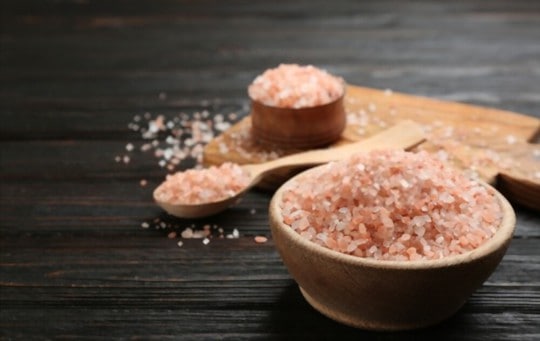
Himalayan Pink salt is a type of rock salt that hails from the foothills of the mighty Himalayas.
With its rosy hue and distinctive taste and texture, it's quickly becoming a popular choice amongst chefs and foodies alike.
Its savory flavor makes it perfect for use as an everyday cooking condiment, while its crystalline structure adds interesting texture to meats, vegetables, and anything else you can imagine.
For those seeking a more subtle alternative to Hawaiian sea salt (which packs quite a punch), this one can easily substitute in recipes with little noticeable difference - and for a peppery alternative, consider pink peppercorn substitutes for flavor.
2 - Kala namak
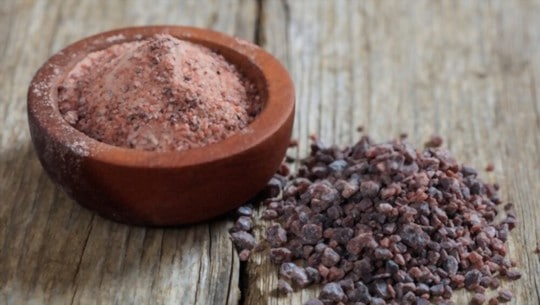
Kala namak, or Himalayan black salt, is a type of volcanic rock salt, pinkish in color when unground and grey in color after grinding.
It has an odor similar to that of hard-boiled eggs due to its high sulfur content.
In terms of taste and texture, it has a salty flavor with a slight note of sulfurous aroma, which makes it distinct from other types of salts.
Kala namak is a great substitute for Hawaiian sea salt as it can be used in the same way one would use table salt.
Its strong flavor pairs amazingly well with fish dishes, salads, and other savory snack ingredients.
Also, Kala namak is known to reduce acidity in foods while providing the same salty satisfaction found in Hawaiian sea salt.
3 - Fleur de sel
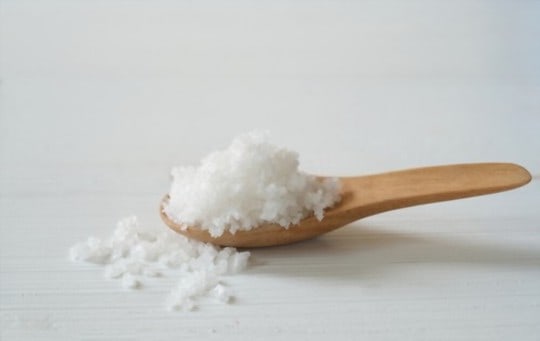
Fleur de sel is a unique, light-colored French sea salt that is well-known for its fine texture and delicate flavor.
It has a delicate texture that melts quickly, and it carries complex flavors like bursts of sweetness and hints of minerality.
Even though more expensive than other more common varieties of sea salt, such as Hawaiian sea salt, fleur de sel can be used as a substitute in any recipe.
Adding the right amount will bring an extra level of flavor to dishes.
When substituting it for Hawaiian sea salt, use significantly less because fleur de sel has much more flavor concentration.
4 - Kosher Salt
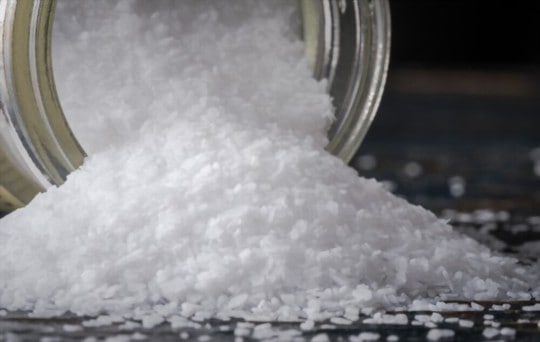
Kosher salt is a coarse, flaky salt that gets its name from the fact it is traditionally used in Jewish rituals.
Kosher salt has a more strong flavor than regular table salt and is less salty than most other types of sea salt.
The flakiness also makes it great for sprinkling on food and absorbing moisture from outward surfaces like meat or vegetable dishes.
When cooking, some people prefer to substitute Hawaiian sea salt with Kosher Salt because they have similar textures and saltiness levels, but Kosher Salt is a lot more affordable than Hawaiian sea salt - for flavored-salt swaps, try garlic salt substitutes for seasoning.
However, keep in mind when substituting one for the other, the measurements may differ slightly as the grain sizes vary between each type of salt.
5 - Coarse Sea Salt
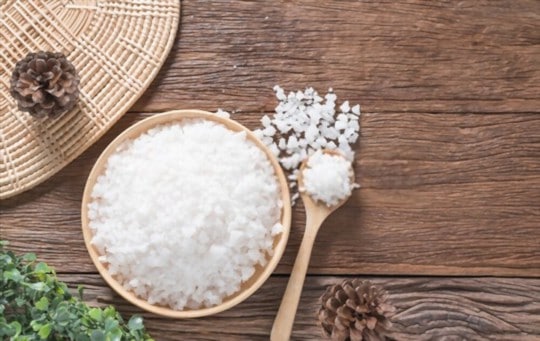
Coarse sea salt can be a good addition to any kitchen.
Its flavor and texture make it a favorite among chefs, as it lends its characteristic crunch to dishes.
Coarse sea salt gets its origin from evaporating seawater, just like Hawaiian sea salt; however, the two differ in terms of grain size because coarse sea salt chunks are much larger than those of Hawaiian sea salt.
If you need an alternative to Hawaiian sea salt but still want some crunch, then coarse sea salt is a good substitution.
This type of salt delivers a noticeable salty taste without being too overpowering and makes for an ideal garnish or topping for pasta, salads, and side dishes.
Seasoning can be swapped to suit texture or budget. Seasoning Secrets: sea salt flakes substitutes covers similar flaky-salt options. pretzel salt substitutes for snacking shows alternatives when coarse crunch matters.
Frequently Asked Questions
Himalayan Pink Salt, Kala namak, Fleur de sel, Kosher Salt, and Coarse Sea Salt. Use it at a 1:1 ratio in any recipe that calls for Hawaiian Sea Salt.
Yes, and the results are often hard to tell apart. Himalayan Pink Salt is the go-to replacement.
For variety, Kala namak adds its own twist to the dish.
Sometimes. Blending two partial substitutes - one for flavor and one for texture - gets closer to the original.
This works best when neither alone fully replicates what you need.
Not always. Some substitutes are processed or have a strong raw flavor that disappears with heat.
Check whether the original is typically used raw before assuming the substitute will work the same way.