
The closest alternatives to Mexican Oregano are Marjoram, Greek Oregano, Lemon Verbena, Epazote, and Cilantro.
The leaves of marjoram have a light scent reminiscent of oregano and lemon.
For cooking, Greek Oregano also works well - adjust the amount to taste.
Mexican oregano brings that zing to dishes, lending flavors you can't just get from anywhere.
Sometimes, though, you reach into the cupboard and-oops-it's not there.
Our kitchens have seen it all, from last-minute recipe saves to experimental dinners that somehow turn out amazing.
These substitutes aren't just stand-ins; they're taste bud heroes, ready to rescue your cooking without missing a beat.
Here's our list of the five best alternatives to keep your meals lively and your pantry prepared for anything.

5 Mexican Oregano Alternatives You Didn't Even Know Existed.
If you don't have access to Mexican oregano or want to try something a bit different, there are several alternatives you can use in its place.
If a recipe calls for a chocolate-forward touch, Mexican chocolate substitute ideas for desserts lists five sweet swaps that preserve smoky, cinnamon notes.
1 - Marjoram

Marjoram is a member of the mint family, native to warm climates throughout Europe and Asia as well as parts of North Africa.
The leaves of marjoram have a light scent reminiscent of oregano and lemon.
Its flavor has a mild sweetness and combines pungency and gentle bitterness.
Texturally, it's quite soft and delicate compared to other leafy herbs.
A teaspoon of freshly chopped leaves is usually enough for most dishes, making marjoram an easy herb to use regularly in cooking.
For those looking for a stronger oregano-like flavor, Mexican oregano can be used as a substitute: simply add twice the amount of Mexican oregano in your recipe, and you'll get great results.
2 - Greek Oregano

Greek oregano, or origanum heracleoticum, is an herb with a slightly bitter and earthy flavor.
It has small, oval-shaped leaves that are lightly crinkled and dark green in color.
Although it tastes similar to other types of oregano, it has a unique flavor that can't truly be duplicated.
Greek oregano has an aroma suggestive of thyme, yet subtly sweet and more fragrant than Mexican oregano.
This makes it perfect for recipes like soups, sauces, grilled meats, pasta, and salads, where the herb can stand out from the rest of the ingredients.
Substituting Greek oregano for Mexican oregano in a recipe will give you different flavors; however, try using it at half the amount, as Greek oregano is milder than its counterpart.
For dishes that benefit from Greek-style tang, Greek yogurt swap options for healthful dishes outlines five alternatives that keep creamy texture without changing flavor balance.
3 - Lemon Verbena

Lemon verbena is an incredibly fragrant herb native to South America and widely used in French, Spanish, and Latin cooking.
It has a softer aroma than many other herbs, usually described as having a hint of lemon citrus with slight floral notes.
The leaves are long and narrow, with a smooth texture.
When added to dishes, it provides an invigorating flavor that complements sweet or sour dishes alike, making it perfect for desserts or meat-based meals.
When substituted for Mexican oregano, lemon verbena can provide a milder flavor without completely changing the composition of a dish.
It also adds extra zest to a marinade or sauce that requires oregano.
Preserved lemon replacement suggestions for savory dishes can help when a recipe needs brighter citrus notes than lemon verbena provides.
4 - Epazote
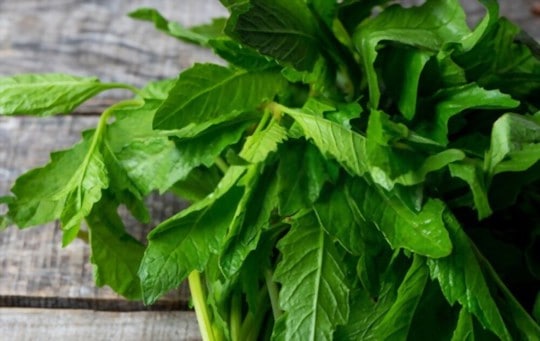
Epazote is an herb native to Central and South America, typically used in Mexican cuisine.
Spicy and pungent, it has a unique aroma reminiscent of citrus and mint.
The taste of epazote is best described as being savory, slightly astringent, and somewhat reminiscent of gasoline.
It is commonly used to flavor beans, soups, stews, and tamales but works well with various types of meat, fish, poultry, and other vegetables.
Although it's most widely known for seasoning recipes from Latin American countries, it should not be substituted for Mexican oregano since the two herbs have a completely different flavors.
Substituting epazote instead of Mexican oregano will change the flavor dramatically, so try adding small amounts at first to ensure the desired flavor is achieved.
When a recipe specifically calls for epazote, epazote substitute recommendations for Mexican recipes lists suitable herb swaps and how to use them sparingly.
5 - Cilantro
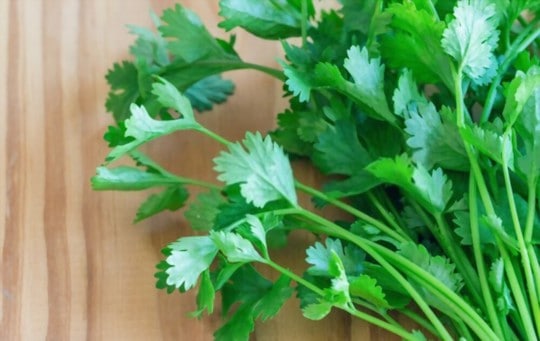
Cilantro is a delicate herb used widely in Mexican and Latin American cuisines.
With its slight lemony flavor, it pairs well with coriander, chili flakes, and other seasonings to create flavor-packed dishes.
The fine textured leaves of cilantro are usually chopped finely for dishes such as tacos, enchiladas, or guacamole.
In terms of texture, cilantro gives that extra bite to meals that would otherwise be one-dimensional.
If you're out of Mexican oregano or looking for a substitution, you can use cilantro - the drying process helps to concentrate their flavor and make them more flavorful than fresh versions.
When using dried cilantro, make sure to adjust the amount, as it can be quite powerful.
For broader oregano alternatives, see oregano substitute options for cooking. Complementary side dish ideas for summer grills are collected at Mexican street corn side dishes.
Frequently Asked Questions
Marjoram, Greek Oregano, Lemon Verbena, Epazote, and Cilantro. Use it at a 1:1 ratio in any recipe that calls for Mexican Oregano.
Yes, and the results are often hard to tell apart. Marjoram is the go-to replacement.
For variety, Greek Oregano adds its own twist to the dish.
Sometimes. Blending two partial substitutes - one for flavor and one for texture - gets closer to the original.
This works best when neither alone fully replicates what you need.
Not always. Some substitutes are processed or have a strong raw flavor that disappears with heat.
Check whether the original is typically used raw before assuming the substitute will work the same way.