
Good replacements for Old Fashioned Oats include Quinoa Flakes, Buckwheat, Steel-cut Oats, Amaranth, and Millet.
This nutritious superfood is packed with essential vitamins and minerals, as well as being gluten-free.
For cooking, Buckwheat also works well - adjust the amount to taste.
Old fashioned oats are a staple, no doubt. Yet, sometimes, it's refreshing to mix things up.
Ever thought of what else could kickstart your morning right?
Here are the top 5 substitutes that are not only easy to prepare but pack a punch in terms of nutrition and flavor.
These alternatives might just surprise you and become your new go-to morning fuel.
5 Oat Substitutes for Breakfast Bowls
Breakfast is the most important meal of the day, so why not make it interesting and exciting? One ingredient that has been a staple breakfast item for centuries is old-fashioned oats.
But what if you're looking for something new or want to switch up your routine - consider oat bran substitute options?
1 - Quinoa Flakes
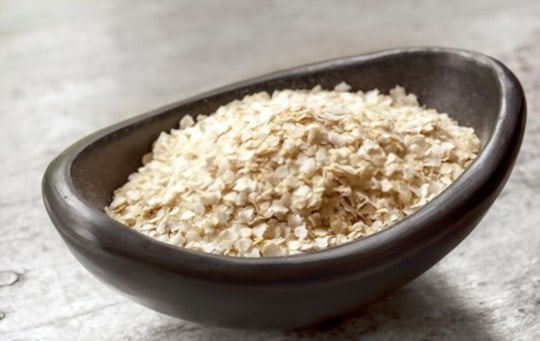
This nutritious superfood is packed with essential vitamins and minerals, as well as being gluten-free - see quinoa flour substitutes for baking for similar pantry swaps.
Quinoa flakes have a light, crunchy texture, reminiscent of traditional oatmeal but with added nutritional benefits.
They can be used in a variety of dishes or incorporated into smoothies and other recipes.
Although they don't cook up quite as fluffy as regular oatmeal, they do make an excellent substitute for old-fashioned oats in most recipes.
The subtle nutty flavor of quinoa flakes is truly pleasant and provides a little something special to upgrade your breakfast routine.
2 - Buckwheat

Buckwheat has become a popular addition to the modern pantry, with good reason - see kasha vs buckwheat comparison to understand the differences.
A close relative of rhubarb, buckwheat is an incredibly nutritious whole grain that's jam-packed with essential vitamins and minerals, including magnesium, potassium, manganese, and zinc.
It also contains plenty of fiber and protein-two nutrients important for satiety and regular blood sugar levels.
Buckwheat has a mild flavor that can vary from mildly sweet to slightly earthy; its texture is chewy on the outside but fluffy and soft on the inside.
Because buckwheat doesn't contain gluten, it can make an easy substitute for old-fashioned oats in dishes like savory granola bowls or even creamy porridge; this hearty grain can also be used in salads and stir-fries for added texture.
3 - Steel-cut Oats

Steel-cut oats are whole grain, an unprocessed alternative to their more common and refined counterpart, the old-fashioned rolled oats - compare buckwheat vs oats comparison for texture and cooking differences.
A steel-cut oat is created by slicing whole groats with a steel blade, resulting in a chewy texture that many people find more flavorful than conventional oats.
It also retains much of its nutritional value, as it contains more protein and dietary fiber than regular rolled oats.
Steel-cut oats can be used in both sweet and savory recipes but have the most appeal when cooked low and slow, creating a creamy porridge or hearty side dish or snack.
As they take longer to cook than regular rolled oats, they are often prepared in bulk to be reheated throughout the week.
While not an exact substitute for old-fashioned oatmeal due to its different taste and texture profile, steel-cut oats are an excellent way to add variety to your breakfast routine without sacrificing nutrition.
4 - Amaranth
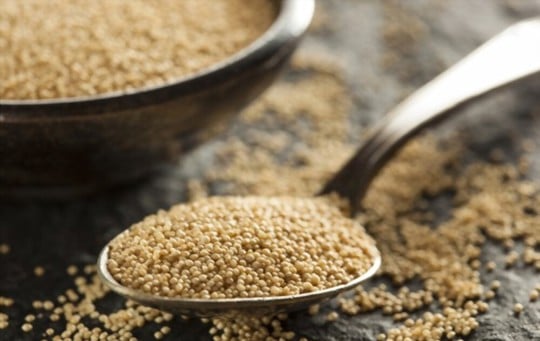
Amaranth is one of the most ancient and versatile grains, with origins dating back thousands of years in the Aztec and Mayan cultures.
Pronounced as "am-uh-ranth," it's a filling superfood loaded with plant-based protein, calcium, and iron, making it a nutritious addition to any diet.
Unlike many other grains, amaranth has a mild nutty flavor and a light, crunchy texture when cooked.
It is often used as an alternative to old-fashioned oats in morning dishes like oatmeal or breakfast porridge, but it can also be used for baking bread or tossing into salads - check 5 BEST Substitutes for Amaranth when exploring swaps.
When substituting oats with amaranth, you only need a small amount since it cooks and expands twice as much; this makes amaranth quite economical and cost-efficient.
With its impressive nutritional value and delicious taste and texture, amaranth can be an exciting new ingredient in your meals.
5 - Millet

Millet is a grain that can be overlooked because of its small size, but it packs some serious health and nutrition benefits.
Highly popular among vegetarians and also traditionally consumed in many parts of the world, it has an interesting balance between nutritious elements like complex carbohydrates and minerals like phosphorous, magnesium, and iron.
For starters, it has a mild flavor with a slight sweetness that makes it perfect for sweet or savory dishes - you can even use it as porridge flour.
Both is it gluten-free, but it's easier to digest than wheat or oats, making millet an excellent substitute for old-fashioned oats.
In terms of texture, its small size creates a light and fluffy consistency once cooked that gives any dish added shape and mounds of flavor.
Enhance savory recipes with seasoning swaps. Old Bay seasoning swap ideas lists common alternatives. Old Bay vs Cajun comparison explains how the flavors differ.
Frequently Asked Questions
Quinoa Flakes, Buckwheat, Steel-cut Oats, Amaranth, and Millet. Use it at a 1:1 ratio in any recipe that calls for Old Fashioned Oats.
In most cases, yes. Try Quinoa Flakes first since the flavor is closest.
Buckwheat handles heat and texture differently, so test in small batches.
It can, especially with ingredients that have distinct colors or pigments. The difference is usually minor in mixed dishes but may be more visible in lighter sauces or batters.
How do you adjust seasoning when using a substitute?
Taste as you go.
Substitutes can be saltier, milder, or sweeter than the original.
Add seasoning gradually and adjust at the end rather than matching the original recipe amounts exactly.