
If you're out of Dukkah, reach for Tsire, Za'atar, Furikake, Ras el Hanout, and Cajun Spice Blend.
Tsire is the closest match - it has a similar flavor and works at a 1:1 ratio in most recipes.
For cooking, Za'atar also works well - adjust the amount to taste.
Sure, finding Dukkah in your pantry might seem like hitting the jackpot for your palate.
Your delicious plans don't have to hit a snag.
We've scoured kitchens far and wide to bring you the top five stand-ins for Dukkah that are probably chilling in your kitchen right this second.
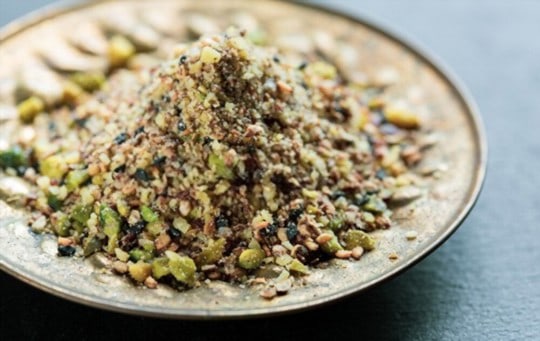
5 Flavorful Alternatives to Dukkah Spice
We have rounded up the top five substitutes that will give your dishes a unique flavor.
From za'atar to furikake, these options are sure to tempt your palate - or try Chinese five spice substitutes list for warm complexity.
Now, let's explore each substitute in detail:
1 - Tsire
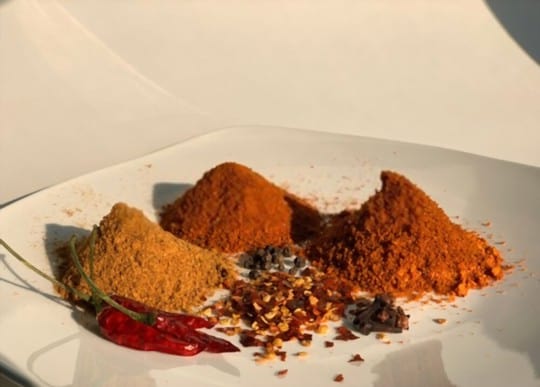
There is a highly underrated and widely unrecognized Middle Eastern condiment that adds an immense burst of flavor to dishes ranging from salads to dips.
Made from a blend of spices, nuts, and beans, this mixture packs a considerable punch of zesty goodness that its supermarket equivalents fail to provide.
It has an incredibly unique taste with its nutty sweetness and herby undertones providing complexity to any dish it graces.
Not to mention the crunchy texture that it provides gives food the extra bite it needs.
If you're looking for something for a new unique flavor for your meals or want to sub out Dukkah, Tsire is the perfect substitution.
2 - Za'atar
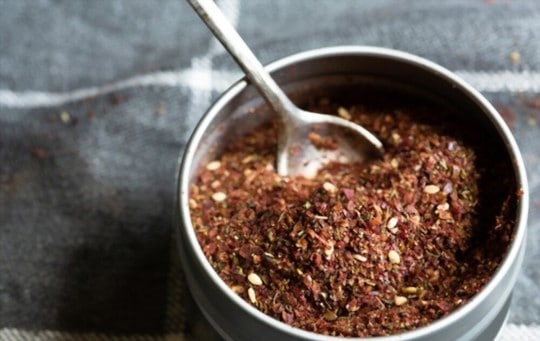
Za'atar is a popular Middle Eastern condiment that packs a flavorful punch.
It's made with a blend of sumac, sesame seeds, and herbs like marjoram and thyme for an earthy taste.
You may also come across wide variations that include ingredients like ground coriander or cumin.
The texture of za'atar is quite unique, with the crunchiness of the sesame and the roughness of sumac coming through.
If you're looking to substitute za'atar for Dukkah, try combining equal parts sumac, sesame seeds, and nuts or seeds, which are readily available in most grocery stores.
Sprinkle it over salads or yogurt dishes for added flavor and texture.
With its rich flavor and versatility, za'atar is a great go-to condiment to have on hand.
3 - Furikake
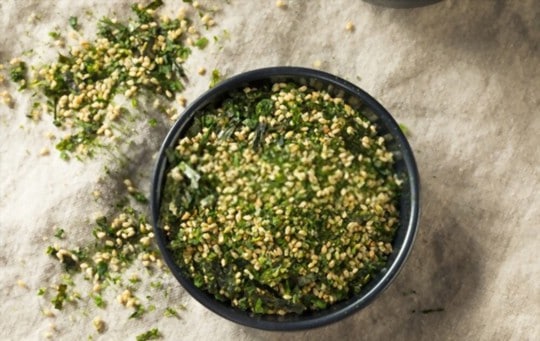
Furikake, an iconic Japanese condiment, is making its way into the world of cooking due to its unique taste.
A blend of dried seaweed with sesame seeds, salt, and various other seasonings, furikake adds a nice crunch to many dishes.
Its flavor typically ranges from sweet to salty, depending on which ingredients are used in the mix.
Its texture varies from fine powdery dust to large crystal-like flakes.
For those looking to try something new in their cooking routine, substitute in furikake instead of your usual dukkah seasoning - see furikake substitute ideas for Japanese crunch for close alternatives.
The umami flavor truly stands out and will leave you wanting more.
4 - Ras el Hanout
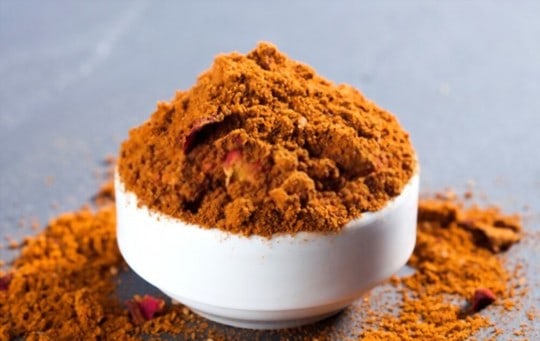
Ras el hanout is a type of spice blend that can add a tempting burst of flavor to your dish - compare baharat vs ras el hanout comparison to see which suits the recipe best.
It has its roots in Morocco, where it's been used for centuries.
The blend typically consists of over a dozen spices, including turmeric, cardamom, rosebuds, pepper, cumin, and more.
When you take a whiff of freshly ground Ras el Hanout mix, you'll be hit with an array of intense fragrances that slowly unfold in your nose.
A teaspoon or so of this potent mix can make all the difference at mealtime, adding an exotic earthiness that blends the flavors together perfectly.
If you don't have access to Ras el Hanout in your area, you can still get a similar effect by mixing equal parts Dukkah and paprika; the result will yield an equally pleasing taste experience with different nuances.
5 - Cajun Spice Blend
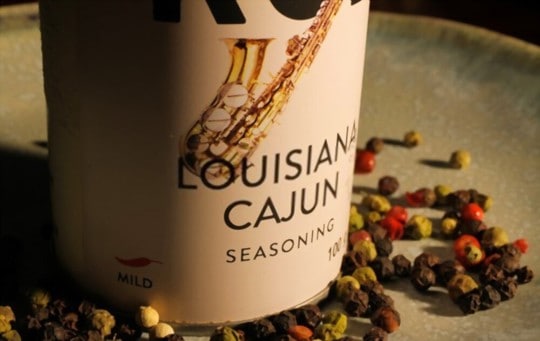
The Cajun spice blend is a complex mix of flavors and aromas that can instantly liven up any dish.
It's made from spices such as garlic powder, onion powder, paprika, cayenne pepper, thyme, oregano, and salt.
It has a wonderfully rich and pungent taste with just enough heat to tempt your palate.
The blend varies depending on the chef's preference, but it always serves to add depth and richness of flavor to any dish.
You can lightly sprinkle Cajun spice over meats or vegetables if you want some extra zing without overwhelming the dish.
You can also substitute it for Dukkah in many recipes due to its similar ingredients and bold flavor.
No matter how you use it, the Cajun spice blend is sure to give your dish an extra flair.
Frequently Asked Questions
Tsire, Za'atar, Furikake, Ras el Hanout, and Cajun Spice Blend. Use it at a 1:1 ratio in any recipe that calls for Dukkah.
Absolutely. Tsire is the closest swap.
Za'atar also works in a pinch. Match the original amount and tweak from there.
Can this substitute be used in baking as well as cooking?
Some work in both, but baking is less forgiving.
Substitutes that alter fat content, sweetness, or moisture can shift the structure of baked goods.
Test with a small batch first.
Frozen substitutes sometimes change texture after thawing. This matters more in raw applications like salads than in cooked dishes where texture is softened by heat anyway.