
The best substitutes for Lemon Juice in Cheesecake are Lime Juice, Orange Juice, Vinegar, Citric Acid, and Lemon Zest.
Lime Juice is the closest match - it has a similar flavor and works at a 1:1 ratio in most recipes.
For cooking, Orange Juice also works well - adjust the amount to taste.
Ran out of lemon juice while making cheesecake?
We've all been there, scrambling through the pantry looking for a quick fix. Is, your cheesecake dream isn't crumbling.
We've rustled up five fantastic swaps that'll do the trick. Ever thought that vinegar or lime could save your dessert?
Or perhaps you've got some yogurt chilling in the fridge? These alternatives can keep your baking on track.
And hey, who says a recipe tweak won't turn into your new secret ingredient?
Why Use Lemon Juice in Cheesecake?

If you are making a cheesecake, there is one ingredient that might have you perplexed: lemon juice.
Although it may seem like an odd addition, lemon juice can actually provide great taste and texture to your cheesecake.
It helps balance the sweetness while also improving the creamy texture of the dessert.
Lemon juice is even sometimes used to reduce the amount of sugar needed in baked goods by adding a natural tartness while still providing flavor to the dish.
The best way to use lemon juice in a cheesecake is by adding some directly into the mixture and then garnishing it with fresh slices of lemon for great flavor and presentation.
Both does it add great flavor, but lemon juice also helps keep your cheesecake from becoming dry or tough.
So go ahead and give this delicious and simple ingredient a try - your tastebuds will thank you.
5 Lemon Juice Replacements for Cheesecake
For cheesecake lovers, the tartness of lemon juice is essential in creating the perfect balance to its creamy-rich base.
But what if you don't have any fresh lemons on hand?
There are plenty of other ingredients that can be used as an alternative to lemon juice in cheesecake recipes.
| Substitute | Key Characteristics | Substitute Ratio |
|---|---|---|
| Lime Juice | Tangy and citrusy flavor, similar acidity to lemon juice | 1:1 |
| Orange Juice | Sweet and citrusy flavor, less acidity than lemon juice | 1:1 |
| Vinegar | Sour and acidic flavor, can add tanginess to recipes | 1 tablespoon vinegar = 1 teaspoon lemon juice |
| Citric Acid | Tart and tangy flavor, highly concentrated form of citric acid | ½ teaspoon citric acid = 2 tablespoons lemon juice |
| Lemon Zest | Intense lemon flavor, but without the liquid consistency | 1 tablespoon lemon zest = 1 tablespoon lemon juice |
Here is a closer look at each option:
1 - Lime Juice

Limes, often compared to their citric cousin lemons, are incredibly versatile and can be used for a range of tasks.
The juice of limes is tart, making it a good addition to any recipe that requires extra zing.
For example, when added to cheesecake or other desserts as a substitute for lemon juice, it gives any dish a unique tangy twist.
Adding lime juice brings nuance to the flavor and creates an intriguing flavor.
Also, this impressive citrus fruit is also high in Vitamin C and healthier than most citric substitutes available.
To substitute lime juice for lemon juice in cheesecake recipes, remember that one lime produces around two tablespoons of liquid, so plan accordingly before you begin baking.
2 - Orange Juice

Orange juice is a breakfast staple, but its uses go far beyond that.
It's an incredibly versatile juice with a bursty flavor and sweet taste.
Both can it be sipped alone, but it's also perfect for blending with other juices or adding a citrus kick to all sorts of recipes.
The texture of orange juice can range from pulpy to smooth, depending on the type you buy, and this thick liquid adds moisture to whatever you're cooking or baking.
One unique use for orange juice is in cheesecake; it helps provide the tanginess that comes from the lemon juice but without the acidic aftertaste.
To substitute orange juice for lemon in cheesecake recipes, just be sure to add more sugar as well to offset the acidity.
3 - Vinegar

Vinegar is one of those under-appreciated kitchen ingredients that can be a staple for many recipes.
Its tart and acidic flavor balances perfectly with dishes like salad dressings, marinades, and sauces; however, it's also a great substitute for lemon juice when baking cheesecake.
It adds texture and depth to the taste without being oddly flavored.
To substitute vinegar for lemons in a cheesecake recipe, simply reduce the amount of sugar by half a teaspoon per tablespoon and add an equal amount of white vinegar.
The result is an incredibly creamy and rich finished product - perfect for dessert.
4 - Citric Acid
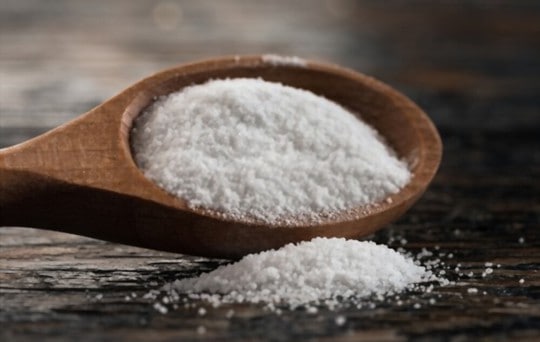
Citric acid is often used as a preservative, flavor enhancer, and pH balancer.
Its crystal-like powder form has a tart, acidic taste, which can add tanginess to its ingredients.
It also helps in reacting with the dairy proteins present in cheese to give it an intensely creamy and smooth texture.
When substituting citric acid for lemon juice in a cheesecake, use 1 part citric acid for every ten parts of lemon juice.
Make sure to adjust the amount according to the given recipe.
Be mindful that citric acid imparts a sharper taste compared to lemon juice, so it's best not to substitute more than suggested, or else you might end up with an intensified sourness in your cheesecake.
5 - Lemon Zest

Lemon zest is a fabulous addition to many dishes, adding a delicate citrus flavor that is hard to replicate with anything else.
The peel of the lemon provides both a fresh, fragrant smell and an array of different flavors to amplify any recipe - from ice cream to cocktails.
Lemon zest is finely grated, revealing the sugary white pithy part beneath the main yellow rind.
This results in a soft texture that casually joins your dish as it cooks.
To substitute for fresh lemon juice in cheesecake recipes, combine equal parts sugar and freshly grated lemon zest.
Allow it to sit at room temperature until it starts to exude some liquid - no more than fifteen minutes - before mixing it into your batter.
Make sure not to overwork the mixture, as you don't want it too gummy or overly sweet.
Frequently Asked Questions
Lime Juice, Orange Juice, Vinegar, Citric Acid, and Lemon Zest. Use it at a 1:1 ratio in any recipe that calls for Lemon Juice in Cheesecake.
Yes. Lime Juice and Orange Juice work as direct replacements in most recipes.
Use the same quantity and adjust seasoning after tasting.
Usually not, but check moisture content. Wetter substitutes may need a slightly higher temperature or longer cook time to evaporate excess liquid and achieve the right texture.
Is the substitute appropriate for all dietary restrictions?
Check labels carefully.
Many substitutes introduce allergens or ingredients that conflict with specific diets - dairy, gluten, soy, or nuts may appear in processed alternatives.