Unopened Gatorade is good until its best-by date, often well past it, but an opened bottle lasts only about 3 to 5 days.
- Gatorade says that date marks peak flavor and quality, not safety.
- An opened bottle needs a tight cap and a fridge within 24 hours.
- Pour out a bottle that is cloudy or smells sour.
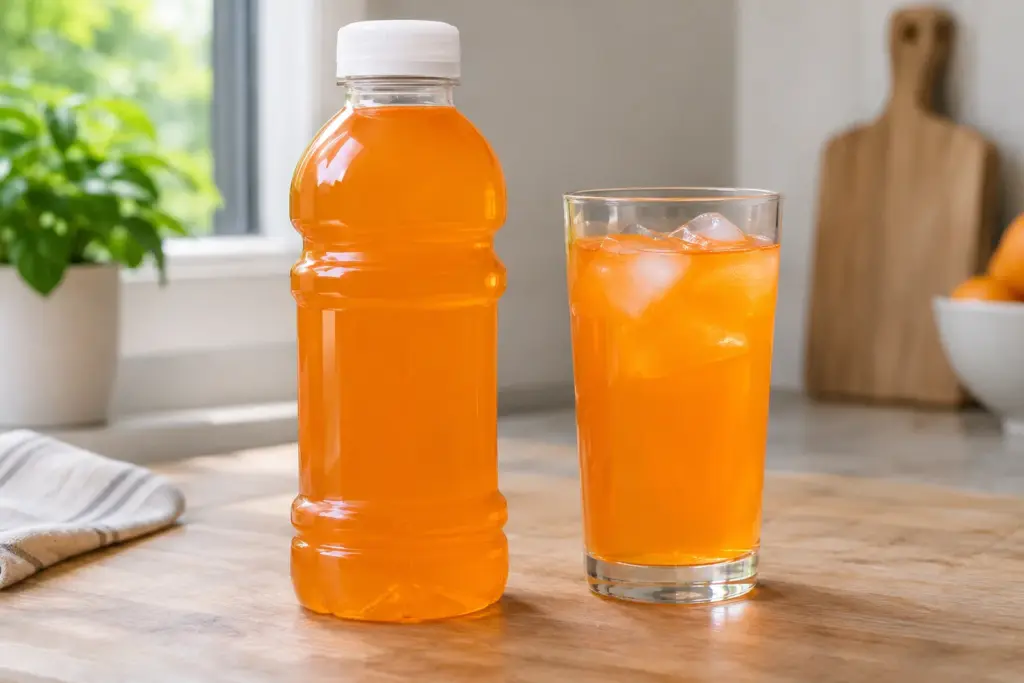
Those 3 to 5 days assume the cap is on tight and the bottle is in the fridge within 24 hours. Floating particles are another reason to pour a bottle out.
A sealed bottle of Gatorade is shelf stable, which makes it very different from the perishable foods people check when they ask how long food lasts. You do not need a fridge until you open it, and from then on the clock runs in days, not months.
1. How Long Does Gatorade Last?
Gatorade's FAQ says the best-by date on the bottle exists "to ensure peak flavor and quality," and that shelf stable beverages are safe to consume past the date, with only slight changes in flavor or color as the bottle ages. The FDA reads a "Best if Used By" date the same way: it marks quality, not a safety deadline.
- Keep it in a clean, dry, cool spot such as a pantry.
- It lasts until the best-by date, and is safe to drink after it per the brand.
- Keep it in the fridge, tightly capped, chilled within 24 hours.
- It holds 3 to 5 days of fresh flavor (Gatorade FAQ).
- An opened bottle left on the counter, in a bag or in a car has no official time, because the brand's 3 to 5 days assume the fridge.
- Freezing any bottle is not recommended, since the flavor emulsion may be damaged.
| Form | Where to keep it | How long |
|---|---|---|
| Sealed powder drink mix | Pantry | 18 to 24 months from purchase (USDA FoodKeeper, drink mixes in general) |
| Opened powder drink mix | Pantry | 1 to 3 months (USDA FoodKeeper, drink mixes in general) |
| Powder mixed with water | Fridge, covered | No published time, see the powder section below |
Gatorade gives no month or year count for a sealed bottle, so the "9 months" and "2 to 3 years" figures that circulate online do not come from the brand. Treat the date on the bottle as your limit for best flavor, and know that a sealed bottle past it is still safe to drink by the brand's own statement.
2. Does Gatorade Need to Be Refrigerated?
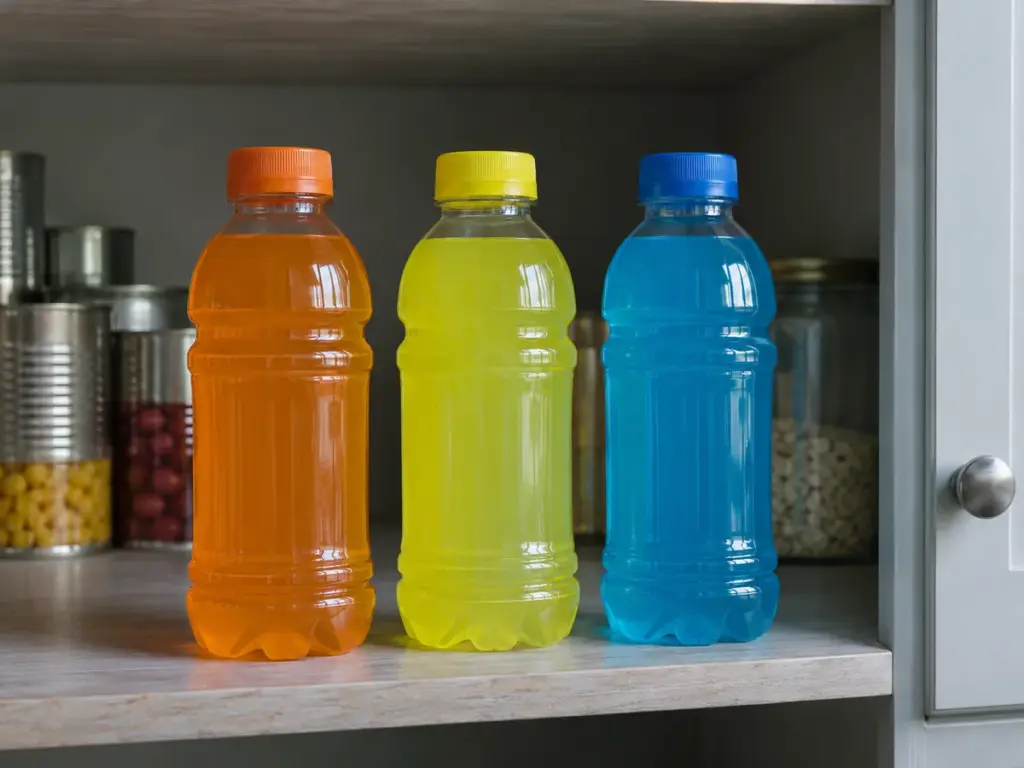
Not while it is sealed. Gatorade tells you to store it in a clean, dry and cool location, and warns that high temperatures, direct sunlight and humidity can shorten the recommended shelf life. A bottle that rides in a hot car or sits on a sunny windowsill is the one to watch.
- Keep it in a cool, dry spot, out of sun, heat and humidity
- Leave it out of the freezer
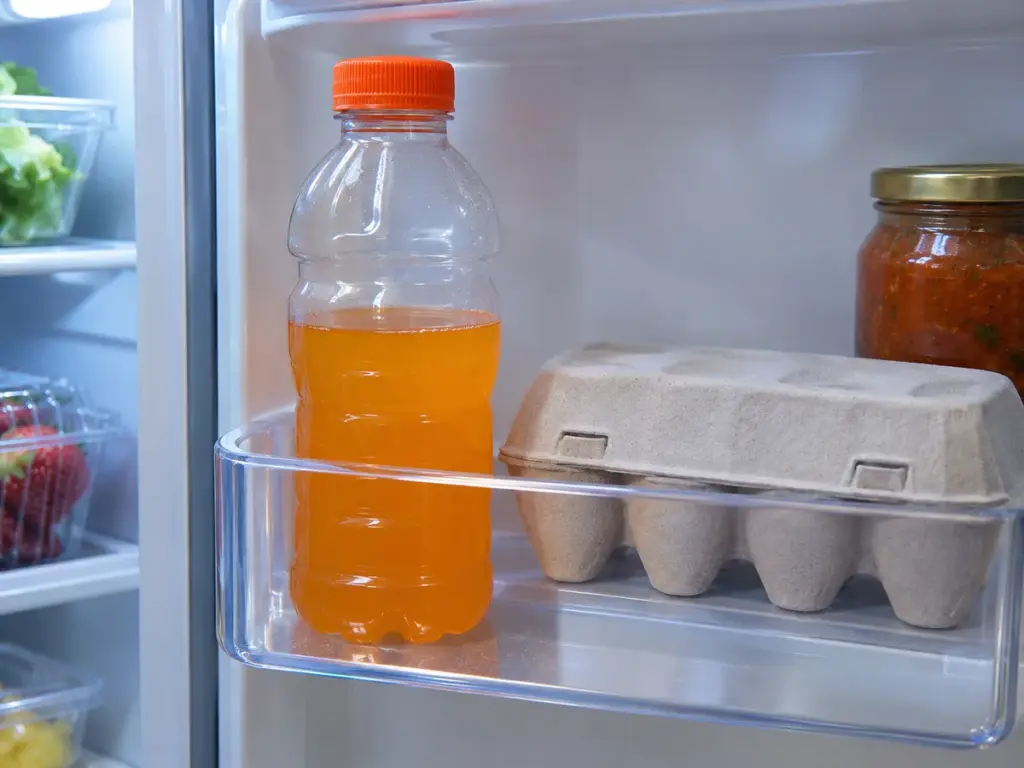
- Screw the cap on tightly and refrigerate within 24 hours, where the brand says to keep it at 40 to 60°F
- Finish it within 3 to 5 days
The clock starts at opening because a sealed cap keeps air out, while an open bottle takes in air and, if you drink straight from it, whatever is in your mouth. The fridge slows down anything that gets in. A half-finished bottle that sat in a gym bag for a day is the one you should pour out.
3. Can You Freeze Gatorade?
Gatorade says it does not recommend freezing the drink, because the flavor emulsion may be damaged if the bottle is frozen or kept below 40°F. A full bottle also has no room for ice to expand, so keep it in the fridge or pantry instead.
4. How Can You Tell if Gatorade Has Gone Bad?
Most old bottles are still fine, so check before you pour one out. Gatorade says flavor or color can shift a little with age, and that is only a drop in quality. Run through these checks in order:
- Look at the bottle. A bulging, leaking or cracked bottle goes in the trash without a taste.
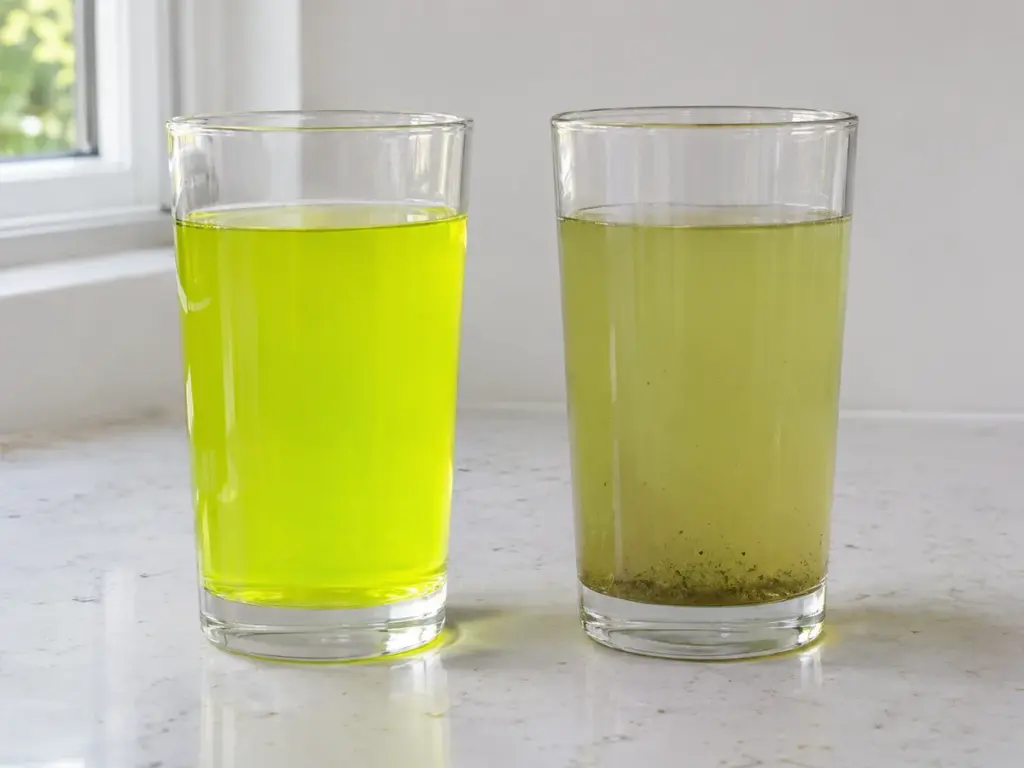
- Hold it up to the light. Cloudy liquid, floating strands or sediment on the bottom mean something has grown or separated, so discard the drink.
- Smell it. A sour, yeasty or musty smell means the drink has turned, and you should not taste it.
- Taste a small sip only if the first three checks pass. A fresh bottle tastes sweet and fruity, the way blue Gatorade tastes when it is new, while a flat, sour or metallic sip means you should pour it out.
5. How Long Does Gatorade Powder Last?
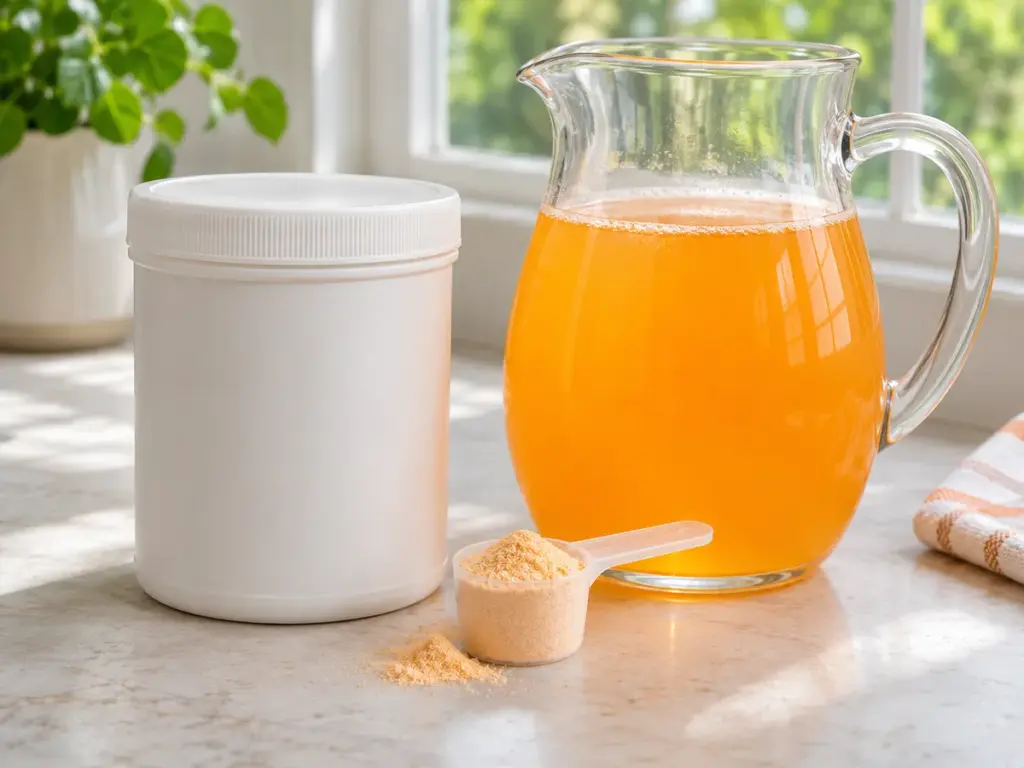
Gatorade's FAQ has no entry for powder, so the best numbers come from the USDA FoodKeeper's general listing for powdered drink mixes: 18 to 24 months in the pantry from purchase and 1 to 3 months after you open the container. Those are drink-mix figures in general, so the date on your own tub or packet comes first.
Once you stir powder into water, you have a drink with no published storage time. We'd keep it covered in the fridge and treat the bottle rule of 3 to 5 days as a ceiling, not a target, because a pitcher mixed at home was never sealed at the factory. If you mix a fruit-and-water drink instead of a powder, fruit-infused water has its own storage limits.
6. How Does Gatorade Compare With Soda and Juice After Opening?
Once the cap is off, Gatorade falls between soda and orange juice. These are the opened-in-the-fridge windows from the brand and from FoodKeeper:
| Drink | Opened, in the fridge | Source |
|---|---|---|
| Soda, bottles or cans | 2 to 3 days | USDA FoodKeeper |
| Gatorade bottle | 3 to 5 days of fresh flavor | Gatorade FAQ |
| Orange juice, commercial carton | 7 to 10 days | USDA FoodKeeper |
An opened soda has the shortest window of the three, so finish it first. A carton of orange juice lasts longer once opened, but it has to stay in the fridge the whole time.
FoodKeeper lists 8 to 12 days in the fridge for opened fruit juice in cartons, so a bottle of cranberry juice gets that same window. Opened pineapple juice also belongs in the fridge, and a sour smell means it should go in the trash.
Sources
- Gatorade, Frequently Asked Questions: the best-before date, shelf stable drinks past the date, 3 to 5 days after opening, 24-hour refrigeration, 40 to 60°F, storage away from heat and sunlight, and no freezing.
- USDA FoodKeeper: powdered drink mixes, soda and commercially packaged orange juice. FoodKeeper has no entry for sports drinks.
- FDA, Confused by Date Labels on Packaged Foods?: "Best if Used By" describes quality, not safety.

Food writer at GustoMeadow. Writes ingredient substitutes, food comparisons, taste guides and storage guides for home cooks.
Storage and food-safety numbers follow USDA, FDA and university extension guidance.