A classic Wiener Schnitzel needs only a squeeze of lemon; saucy versions are Jägerschnitzel (mushroom) and Rahmschnitzel (cream).
- In Austria and Germany the name Wiener Schnitzel is reserved for veal; pork is sold as "Wiener Art."
- Pick mushroom, cream or paprika sauce, or tartar sauce or mustard on a weeknight.
- Cook pork and veal to 145°F with a 3-minute rest, and chicken to 165°F.
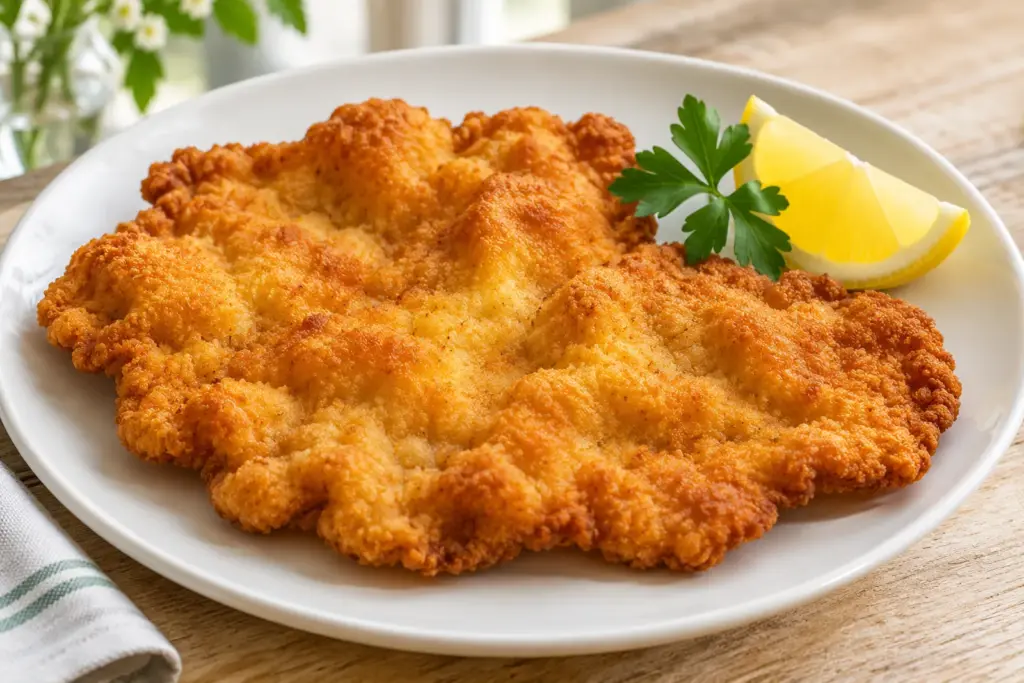
A schnitzel is a thin, crisp cutlet, so a sauce either adds the sharpness the fried crust needs or soaks the breading and ruins it. Start with the sauces that carry real German and Austrian names, then pick an everyday sauce, and finish the plate with potatoes, salad or other side dishes.
What Is the Traditional Sauce for Schnitzel?
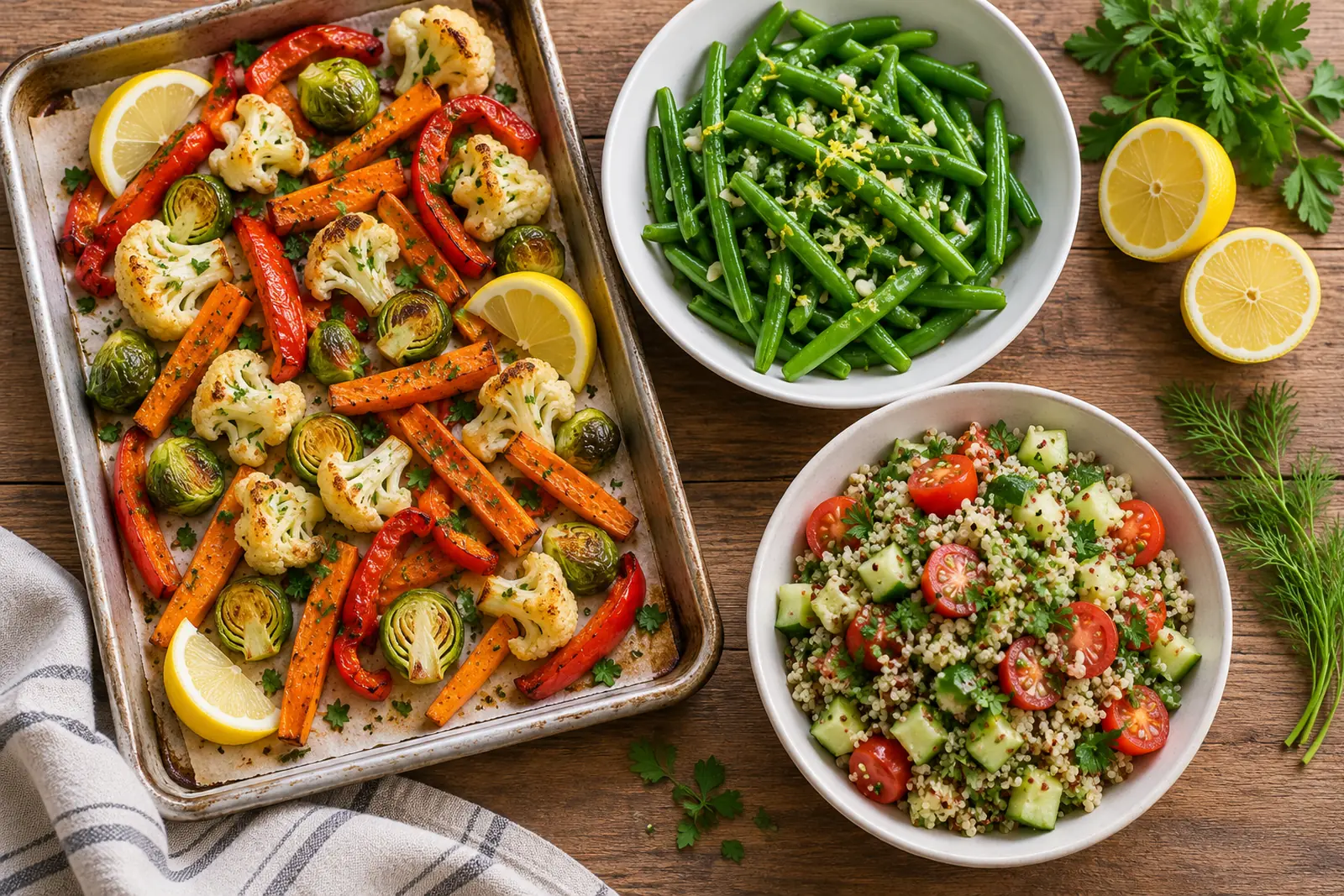
In Vienna the traditional answer is lemon and no sauce at all. The Vienna tourist board garnishes the veal cutlet with lemon slices and fried parsley and serves parsley-tossed potatoes and a potato, cucumber, tomato or lettuce salad beside it.
Vienna Sunday Kitchen says a Wiener Schnitzel is never served with any kind of sauce and allows a tablespoon of lingonberry jam at most, and Wikipedia adds that a breaded schnitzel with sauce is considered unacceptable in Austrian culture.
The sauces came with the regional variants, and each menu name tells you the sauce before you order, according to the Schnitzel entry on Wikipedia.
| Menu name | Sauce | What you taste |
|---|---|---|
| Wiener Schnitzel | Lemon wedge, no sauce | Sour and clean |
| Jägerschnitzel ("hunter's") | Mushroom sauce | Earthy and savory |
| Rahmschnitzel ("cream") | Cream sauce, in Austria often with some mushrooms | Rich and mild |
| Paprikaschnitzel (also Balkan-Art or Budapester Art) | Tomato, bell pepper and onion | Sweet with a little acid |
What Job Does Each Sauce Do on Schnitzel?
Every sauce below does one of three jobs, and the job tells you where it goes on the plate.
- Acid and sharpness cut the frying fat: lemon, tartar sauce, mustard and hot sauce.
- Sweet-tart notes balance the salty crust: lingonberry jam, paprika sauce, ketchup and barbecue sauce.
- Warm, rich sauces stand in for pan juices: Jäger, cream, tomato and cheese sauce.
Dips stay in a small dish beside the cutlet, and rich sauces cover half the cutlet so the other half of the crust stays crisp.
12 Best Sauces for Schnitzel
The first five are the Austrian and German choices, and the other seven are everyday sauces that suit the same crust.
1. Lemon Wedge
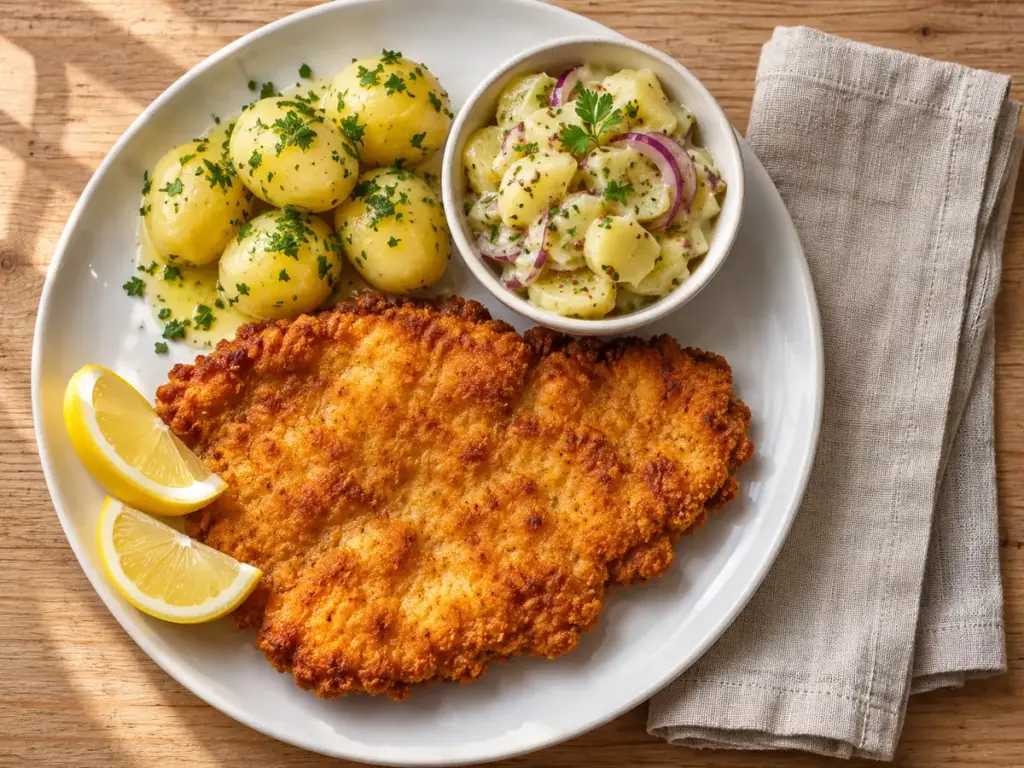
You need only a lemon wedge on a Wiener Schnitzel, because its acid cuts the frying fat and gives mild veal a sharp edge. Austrian plates pair it with parsley potatoes and potato salad.
Squeeze it right before you eat. Vienna Sunday Kitchen says the lemon should reach the plate only just before serving so the breading stays dry, and juice poured over the whole cutlet softens the crust where it lands. A thick wedge lets one squeeze cover a few bites.
2. Lingonberry Jam
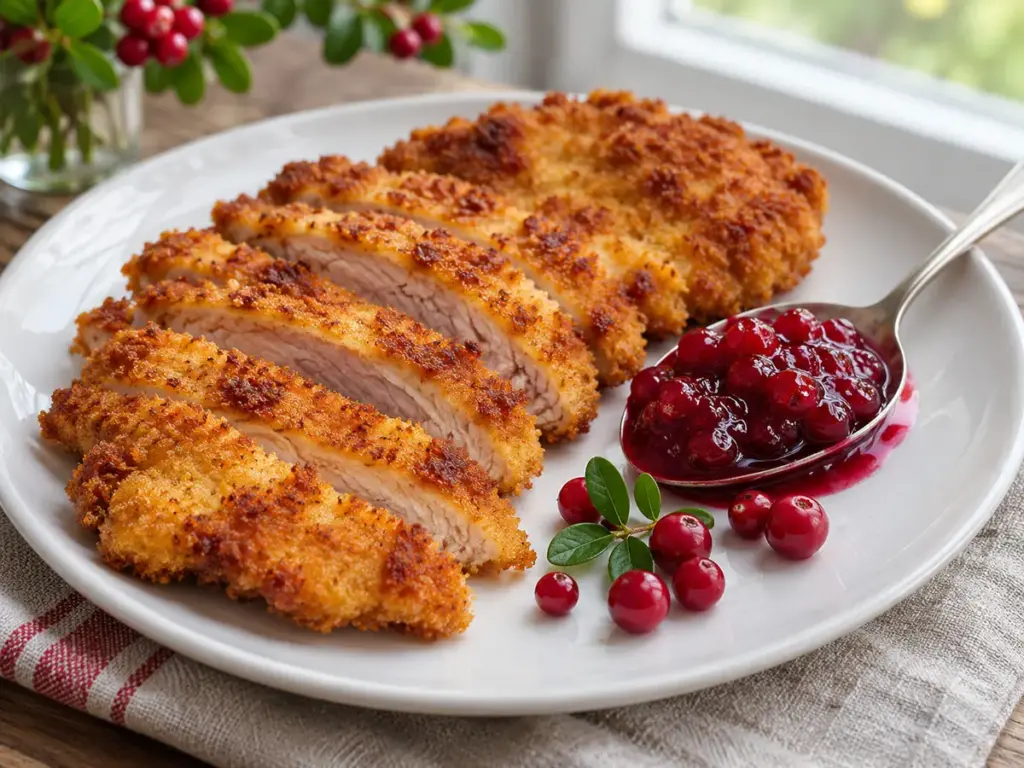
A spoonful of lingonberry jam, called Preiselbeeren in German, gives you a tart, sweet counterpoint to the salty crust. Vienna Sunday Kitchen says it is frequently served with Wiener Schnitzel but could not find it in the historic cookbooks it checked, so treat it as a popular extra and keep it to about a tablespoon.
Lingonberries taste tart and a little bitter, like a small, sharp cranberry. If you cannot find the jam, cranberry sauce is the nearest everyday swap, and the same tablespoon rule applies.
3. Jäger Sauce (Mushroom)
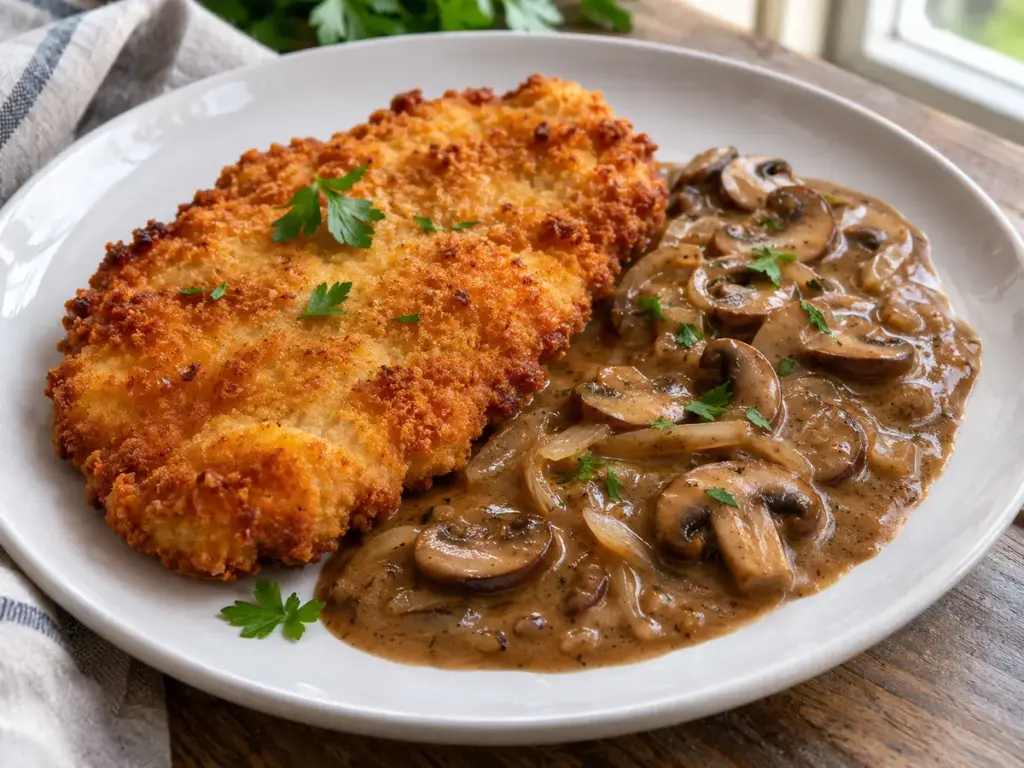
Jägerschnitzel means "hunter's schnitzel" and comes with a mushroom sauce. The Daring Gourmet's Jägersoße serves 4 from onion, 16 ounces of mushrooms, red wine and 2 cups of beef broth in about 30 minutes.
- Soften the onion in butter or bacon fat for 5 to 7 minutes.
- Brown the mushrooms for 5 to 7 minutes, until their liquid has evaporated.
- Add the wine, tomato paste and broth, then simmer it covered for 10 minutes.
- Thicken with cornstarch and stir in 2 tablespoons of butter.
Dried mushrooms concentrate flavor more than fresh ones, so 1 tablespoon of ground dried porcini gives you a deeper sauce than button mushrooms alone. A few tablespoons of heavy cream at the end make it creamy. The East German Jägerschnitzel is another dish: a breaded Jagdwurst sausage slice with no sauce.
4. Cream Sauce (Rahmsauce)
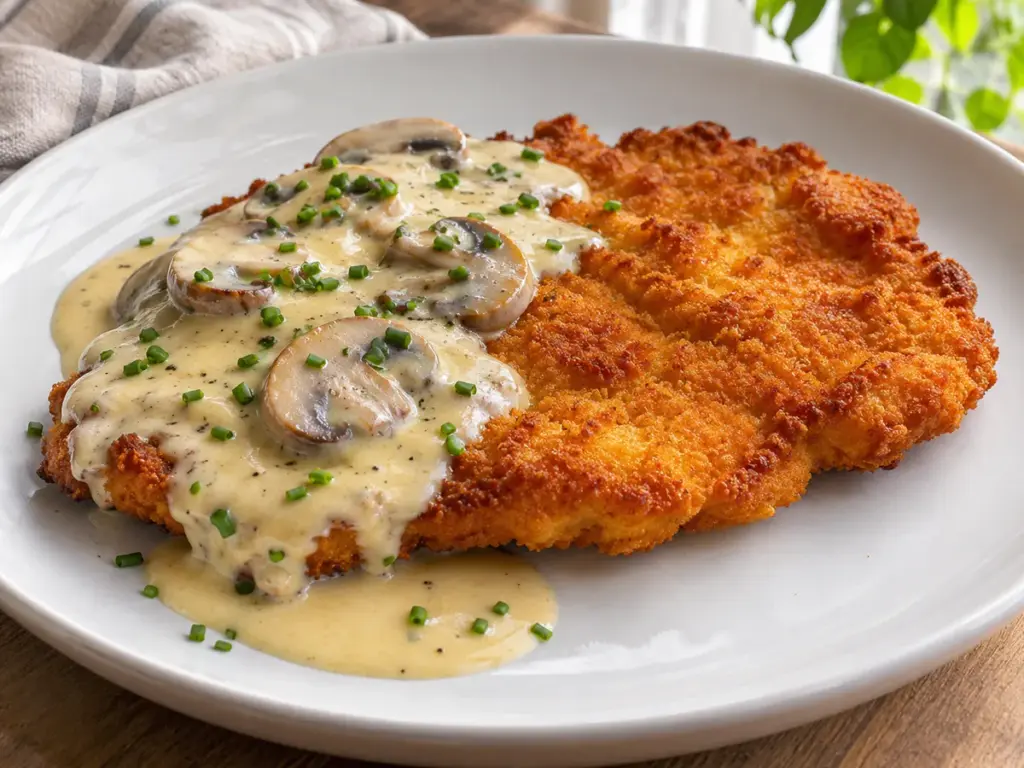
Rahmschnitzel means "cream schnitzel," and in Austria the sauce often holds a few mushrooms. Thomas Sixt's recipe for two cutlets sears 10 button mushrooms with shallot, deglazes with 3 tablespoons of white wine and ½ cup of vegetable broth, then stirs in a scant ½ cup of heavy cream. The pan needs about 15 minutes.
Sixt flours the cutlets and finishes them in the sauce, so it can cover the whole piece. A breaded cutlet needs a different plan, so you spoon the cream over half of each cutlet and leave the other half bare, because cream soaks into the crumbs where it lands. Spätzle or pan-fried potatoes go beside it.
5. Paprika Sauce
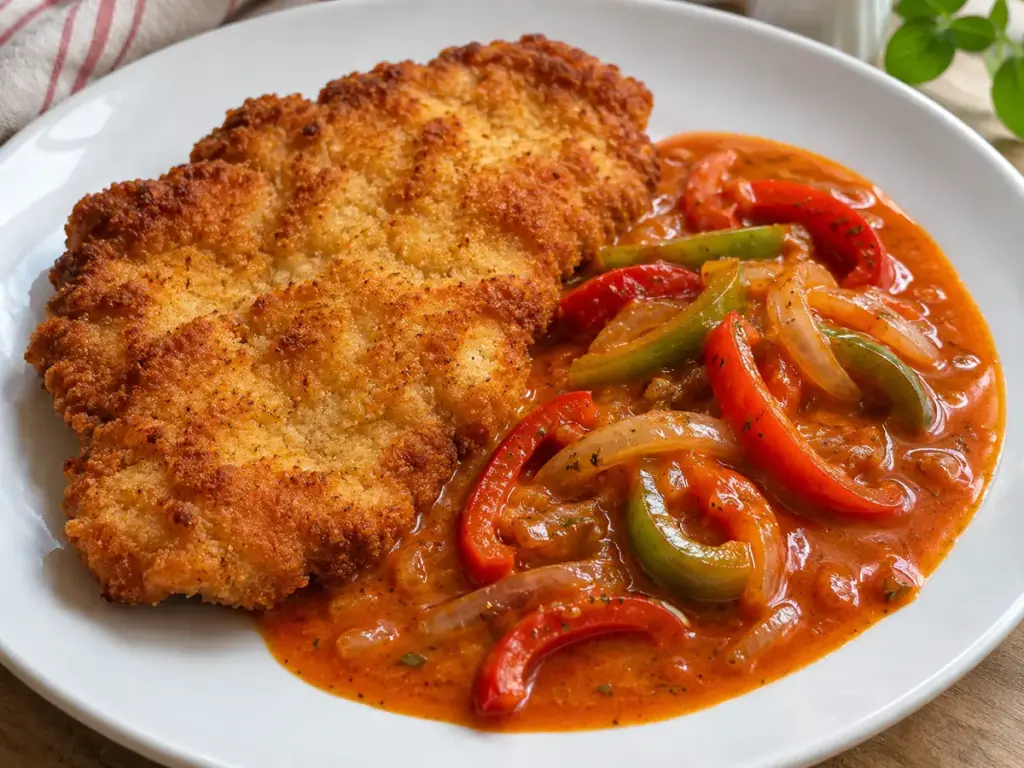
Paprikaschnitzel comes with a sauce of tomato, bell pepper and onion. Older menus and jars called it Zigeunerschnitzel, but Knorr renamed its jar "Paprika Sauce Hungarian Style" in 2020 after its owner Unilever said the old name could be read negatively, so current menus and jars say paprika sauce.
MyDinner's version takes 20 minutes from 1 pound of bell peppers, 2 onions, a 14-ounce can of chopped tomatoes, 3½ ounces of unsweetened gherkins, 1 tablespoon of sweet paprika and ½ teaspoon of chili powder. Simmer it about 5 minutes so the peppers stay cooked but slightly crunchy.
Sweet peppers and tomato bring both sweetness and acid, which balances a fatty pork cutlet and suits a chicken one just as well. Keep it 3 to 4 days in an airtight container in the fridge, the USDA limit for cooked leftovers.
6. Tartar Sauce
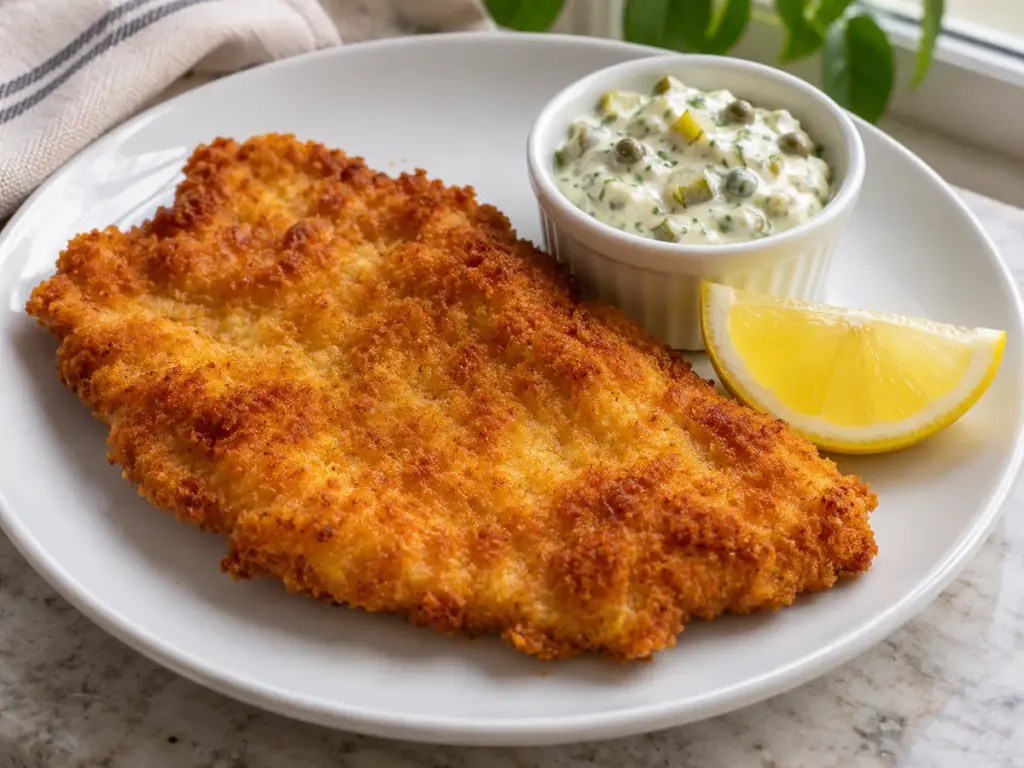
Tartar sauce, a cold mayonnaise sauce with chopped gherkins, capers and lemon juice, brings cool, creamy acid to a hot crust. Wikipedia lists Wiener schnitzel among the breaded, fried or grilled meats it is served with in Europe, and it names dill, parsley and chives as common herbs.
You get the best result on chicken or turkey cutlets, since neither has much flavor of its own. Keep the sauce in a small dish so the crust stays dry, and stir in some Greek yogurt with the mayonnaise if you want it lighter.
7. Mustard
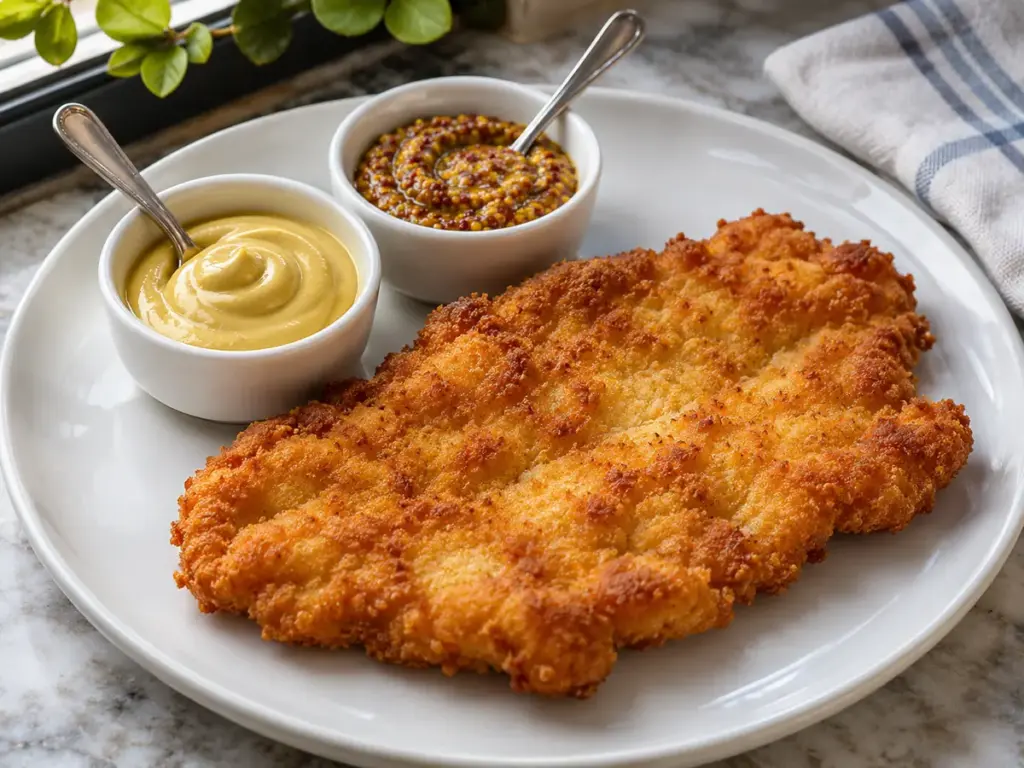
Dijon or a coarse German-style mustard adds sharp, vinegary heat with almost no moisture, so the crust stays crisp. Wikipedia says Dijon is made from brown mustard seeds, white wine, vinegar, water and salt, so it brings acid as well as heat. Put a thin line of it beside the cutlet and dip each bite.
A smooth Dijon suits a delicate veal cutlet, and a coarse mustard stands up to a thicker pork cutlet. If you only have Dijon, it replaces German mustard one to one.
8. Ketchup
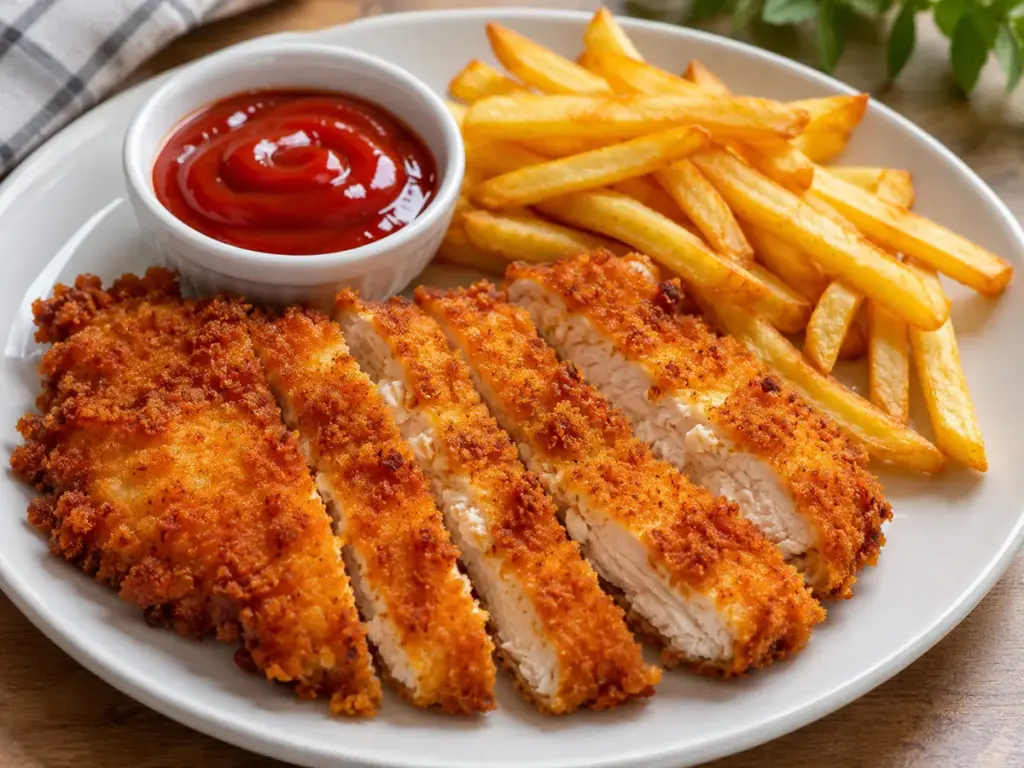
Ketchup gives you sweetness and a little vinegar acid with no heat, so chicken schnitzel, fries and picky eaters all suit it. Keep it in a small dish for dipping and dip each bite, so your crust does not turn soft where the ketchup lands.
For a German twist, you can stir curry powder into it. Wikipedia describes curry ketchup as a spiced ketchup made mainly from tomato paste and curry powder, common in Germany, Belgium and the Netherlands, where it goes on fries and sausages.
9. Barbecue Sauce
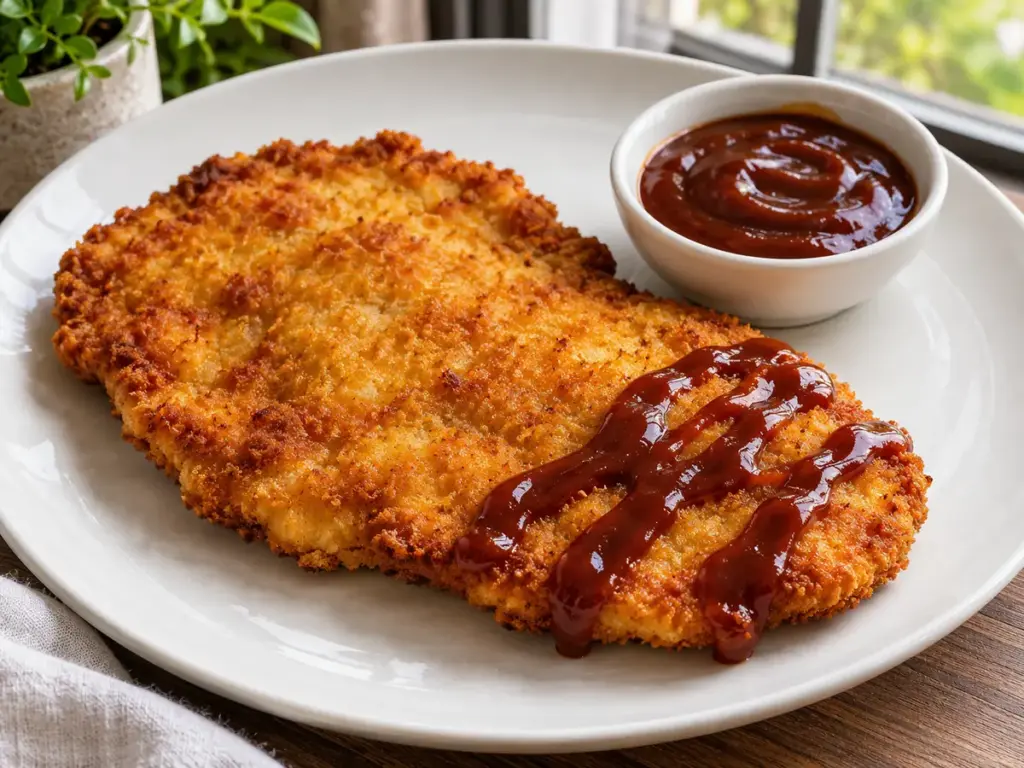
Barbecue sauce is sweet and tangy, so your pork cutlet takes it best. Wikipedia says most barbecue sauces start from vinegar or tomato paste, or both, with sugar or molasses added, and that Kansas City style is thick and sits on the surface of the meat. Brush a thin ribbon on one end only and keep the rest of the crust crisp.
For a barbecue-cheddar plate, you can lay a slice of sharp cheddar on the hot cutlet first and add the sauce after it melts.
10. Hot Sauce
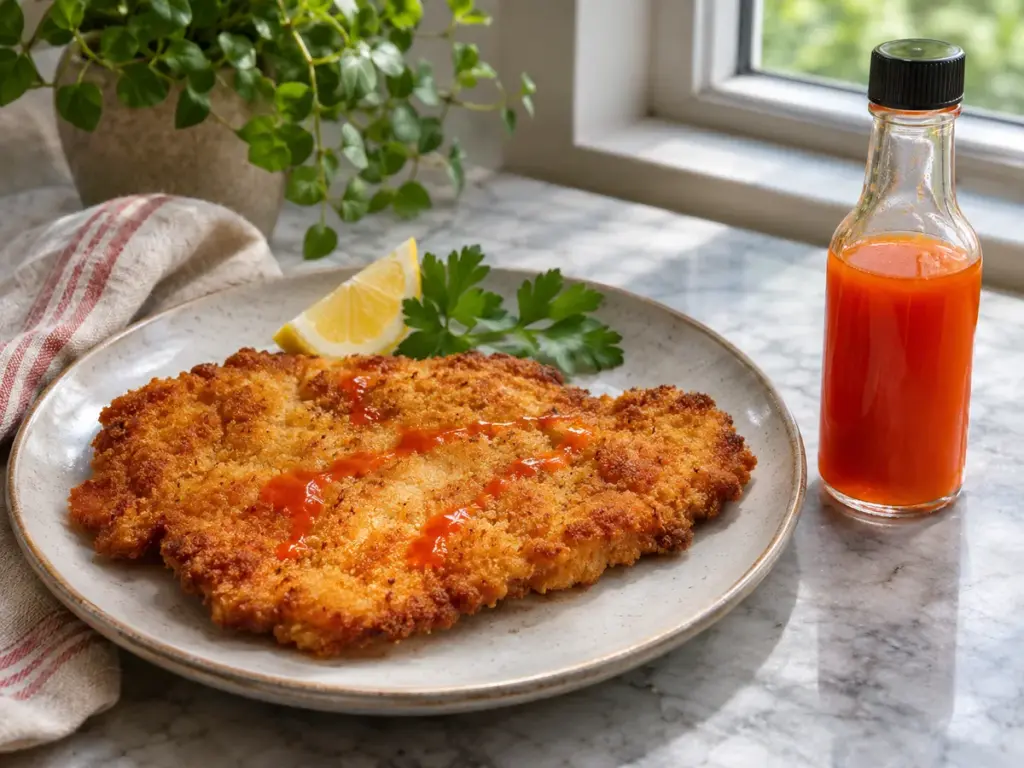
A few drops of hot sauce give you vinegar and heat without wetting the crust. Wikipedia describes Louisiana-style hot sauce as red chili peppers, vinegar and salt, and Tabasco, Frank's RedHot and Crystal each stand in for Louisiana hot sauce in equal amounts.
Sriracha is sweeter and thicker, so dot it on instead of shaking it. Three or four dashes along one edge are enough. Shake the bottle over the empty rim of the plate, not over the crust, so the vinegar does not run across the breading.
11. Tomato Sauce
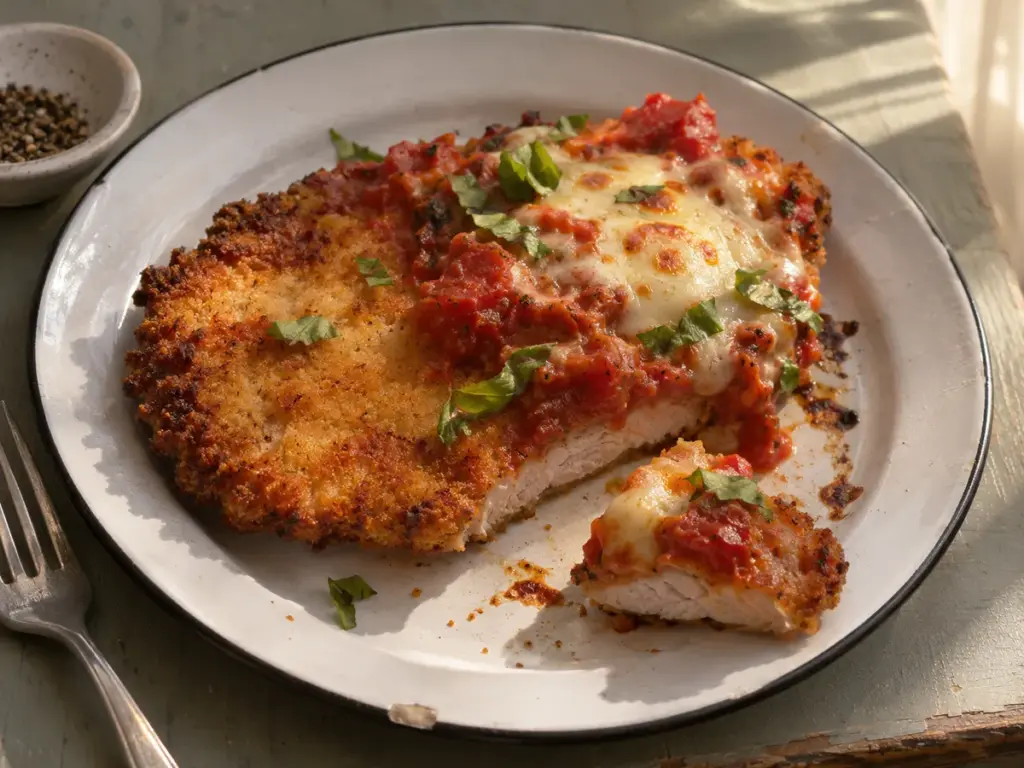
A warm tomato sauce adds tangy sweetness and color and turns a cutlet into something close to chicken parmigiana. Sandra Valvassori's quick sauce takes 20 minutes from a 28-ounce can of tomatoes, 3 tablespoons of olive oil, ½ cup of chopped onion, 3 sliced garlic cloves and 1 teaspoon of salt.
Soften the onion in the oil for about 2 minutes, add the garlic for 1 more minute, then add the tomatoes with ¼ cup of water and simmer 12 to 15 minutes until thickened. Spoon it beside the cutlet, or over one half under a slice of mozzarella. Kvalifood's Schnitzel Napoli skips the sauce and bakes ham, tomato slices and Emmentaler on the cutlet at 425°F for 10 to 15 minutes.
12. Cheese Sauce
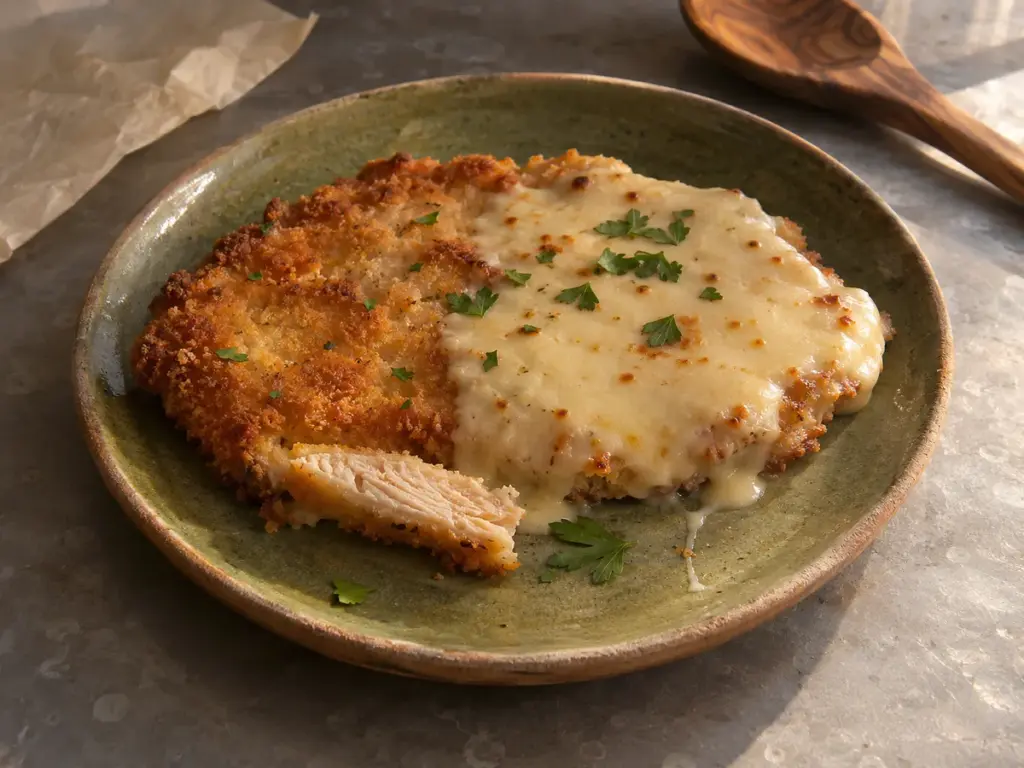
Cheese sauce is a béchamel with grated cheese stirred in, and the classic French version is Mornay. Reluctant Gourmet makes about 2 cups from 3 tablespoons of butter, 3 tablespoons of flour and 1½ cups of milk, then stirs in 2 ounces of grated hard cheese.
Take the pan off the heat before you stir in the cheese, because heat makes a cheese sauce grainy. Reluctant Gourmet lists Gruyère first among four cheeses, and sharp white cheddar suits a heartier cutlet. Pour it over half of the cutlet and serve it right away.
How Do You Keep the Crust Crisp Under a Sauce?
A sauce only works when your crust is still crisp, so the cutlet decides the plate before the sauce does. Pound the cutlet thin first. The Vienna tourist board tenderizes veal to about 2 to 4 millimeters, so the meat cooks through in the few minutes the crust needs to brown. Three steps follow.
- Fry in hot fat. Vienna Sunday Kitchen tests the fat with a few breadcrumbs, which should form plenty of bubbles when it is ready.
- Drain on paper. Lay your cutlets on kitchen paper in one layer, and do not stack them.
- Sauce last. Put the sauce beside the cutlet, or over half of it, just before you serve.
Thin, wet sauces such as teriyaki, sweet and sour sauce or salsa soak into breading quickly, so keep them for unbreaded cutlets.
Can You Make Schnitzel Sauce Ahead?
Three of the sauces above can be cooked before you fry the cutlets.
- Jäger sauce can be made a day ahead and reheated gently over low heat, but a cornstarch-thickened sauce does not freeze well.
- Paprika sauce keeps 3 to 4 days in an airtight container in the fridge, the USDA limit for cooked leftovers.
- Cheese sauce keeps up to 3 days in the fridge, reheats gently without boiling, and turns grainy if frozen.
Which Sauce Fits Your Cutlet?
- Lemon for a classic Wiener Schnitzel.
- Mushroom or paprika sauce for a hearty dinner.
- Cream sauce when you want something rich.
- Lingonberry jam for a sweet-tart side.
- Tartar sauce for a cool, creamy dip.
- Mustard for sharp heat.
- Ketchup or hot sauce for a fast weeknight plate.
- Tomato or cheese sauce for a saucy dinner.
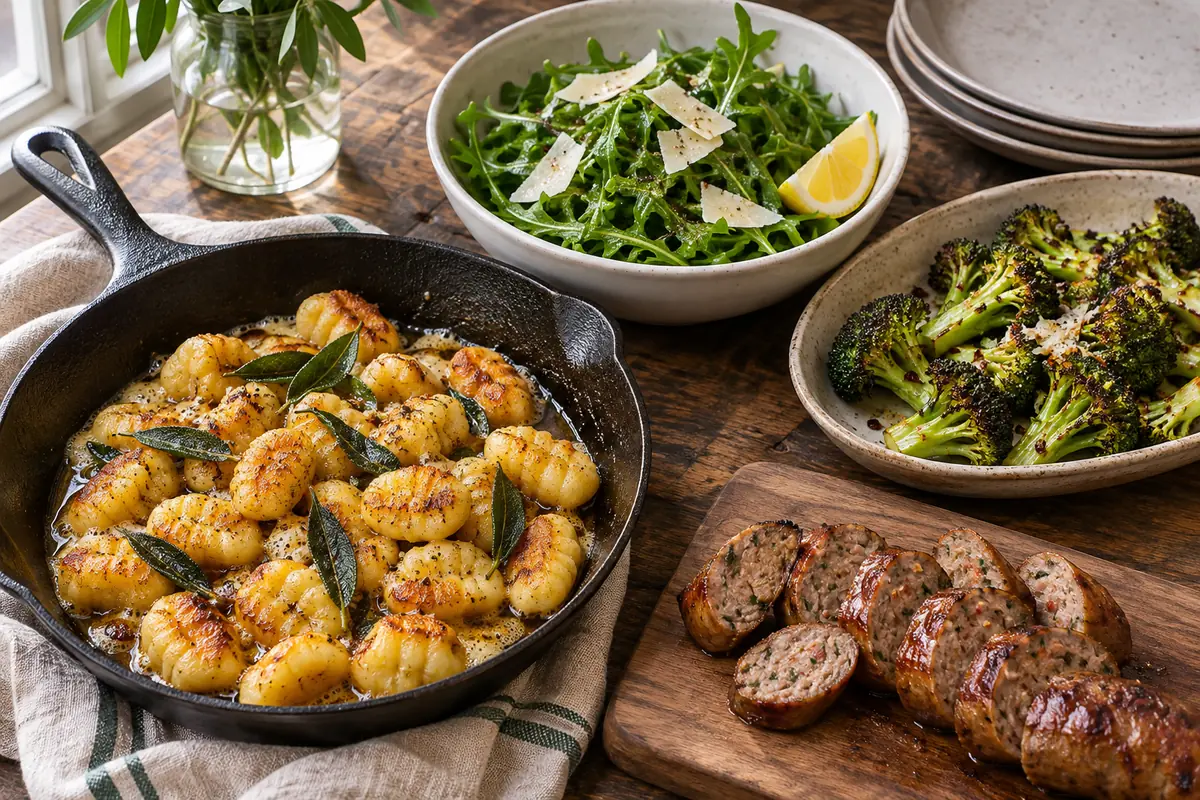
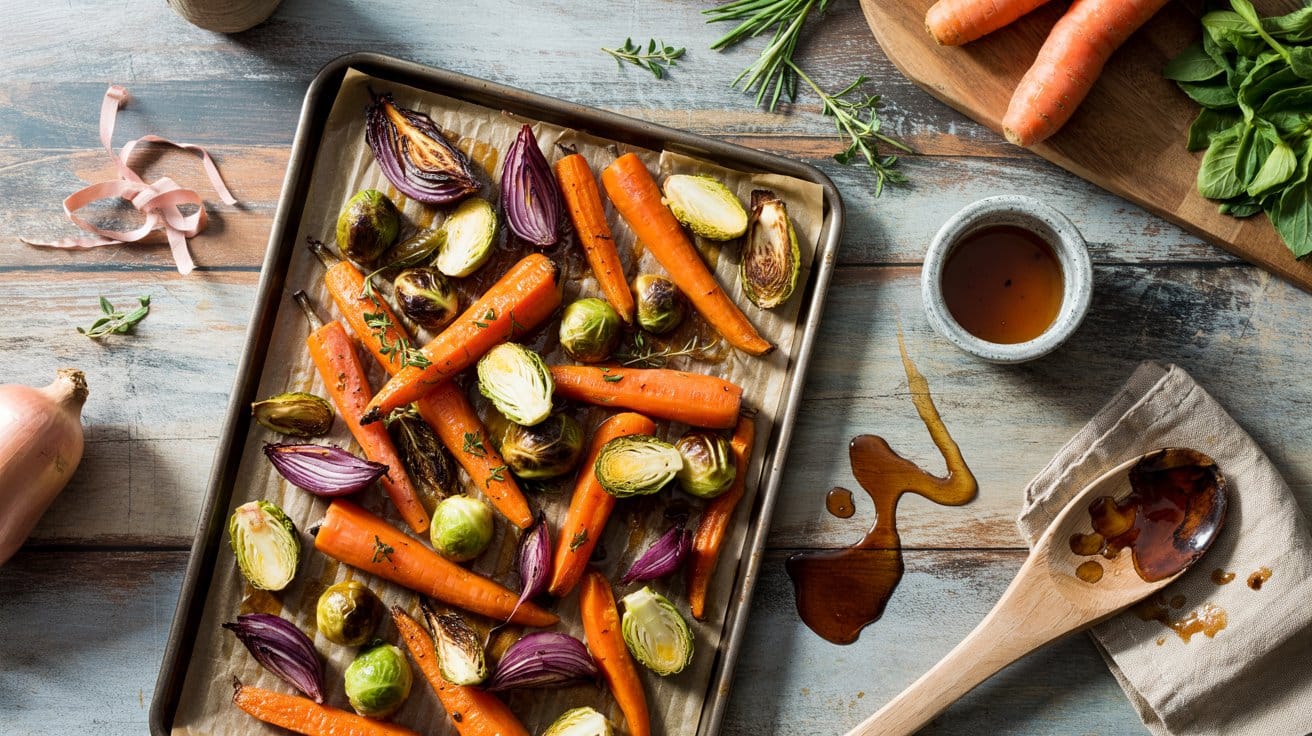
Jäger and cream sauces go with spätzle or pan-fried potatoes, and a lemon-only schnitzel goes with parsley potatoes or potato salad. With pork schnitzel you can serve red cabbage and Bratkartoffeln, and with a chicken cutlet potato pancakes or tzatziki.
Sources
- Vienna Tourist Board: Wiener Schnitzel recipe
- Wikipedia: Schnitzel (naming rules and variants)
- Vienna Sunday Kitchen: How to make an authentic Wiener Schnitzel
- The Daring Gourmet: Jägersoße
- Thomas Sixt: Rahmschnitzel
- MyDinner: Zigeuner sauce
- IBTimes: Knorr renames its Zigeuner sauce
- Wikipedia: Tartar sauce
- Wikipedia: Curry ketchup
- Kvalifood: Schnitzel Napoli
- Reluctant Gourmet: Mornay sauce
- USDA FSIS: Safe minimum internal temperature chart
- USDA FSIS: Leftovers and food safety (3 to 4 days in the refrigerator)
- Sandra Valvassori: Quick homemade tomato sauce
- Wikipedia: Dijon mustard
- Wikipedia: Barbecue sauce
- Wikipedia: Hot sauce

Food writer at GustoMeadow. Writes ingredient substitutes, food comparisons, taste guides and storage guides for home cooks.
Storage and food-safety numbers follow USDA, FDA and university extension guidance.