Serve creamy lemon garlic butter on pan-seared salmon, honey mustard on baked fillets and yogurt dill on grilled ones, because each sauce suits one method.
- Butter sauces come from the skillet, sugary glazes go under the broiler, and cold dill sauces cool a grilled fillet.
- Cook the fillet to 145°F, the FoodSafety.gov minimum for fish.
- Brush teriyaki and miso glazes on late.
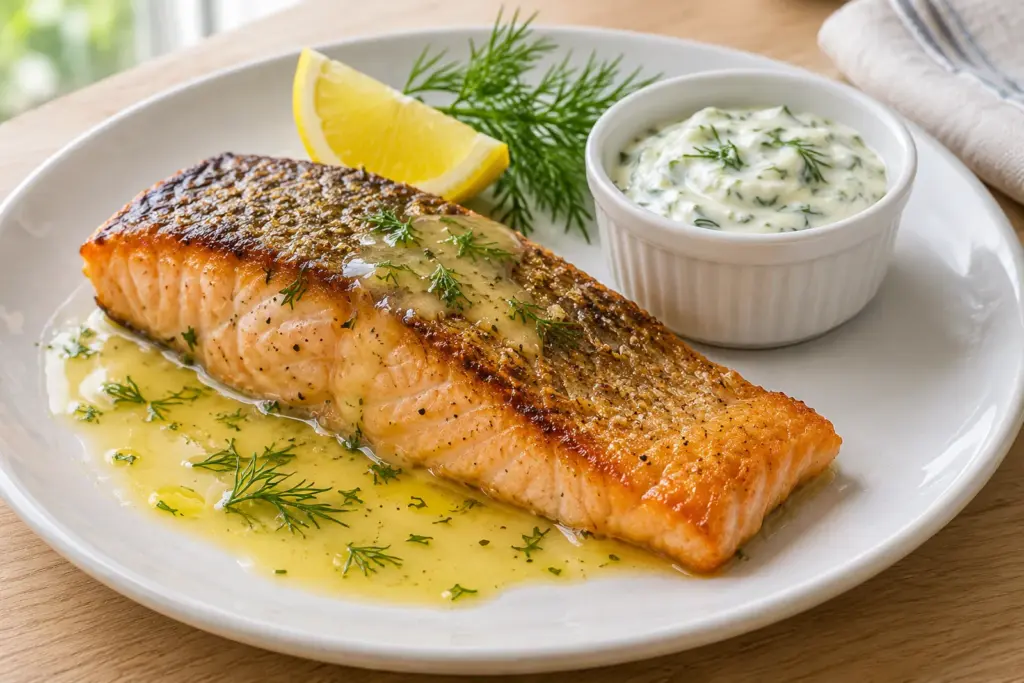
Salmon has a rich, oily flavor, so you want a sauce that adds acid, salt or fresh herbs to cut through the fat. The 10 sauces below come with a ratio for about four fillets and the cooking method each one suits, so you can match the sauce to your pan, oven or grill.
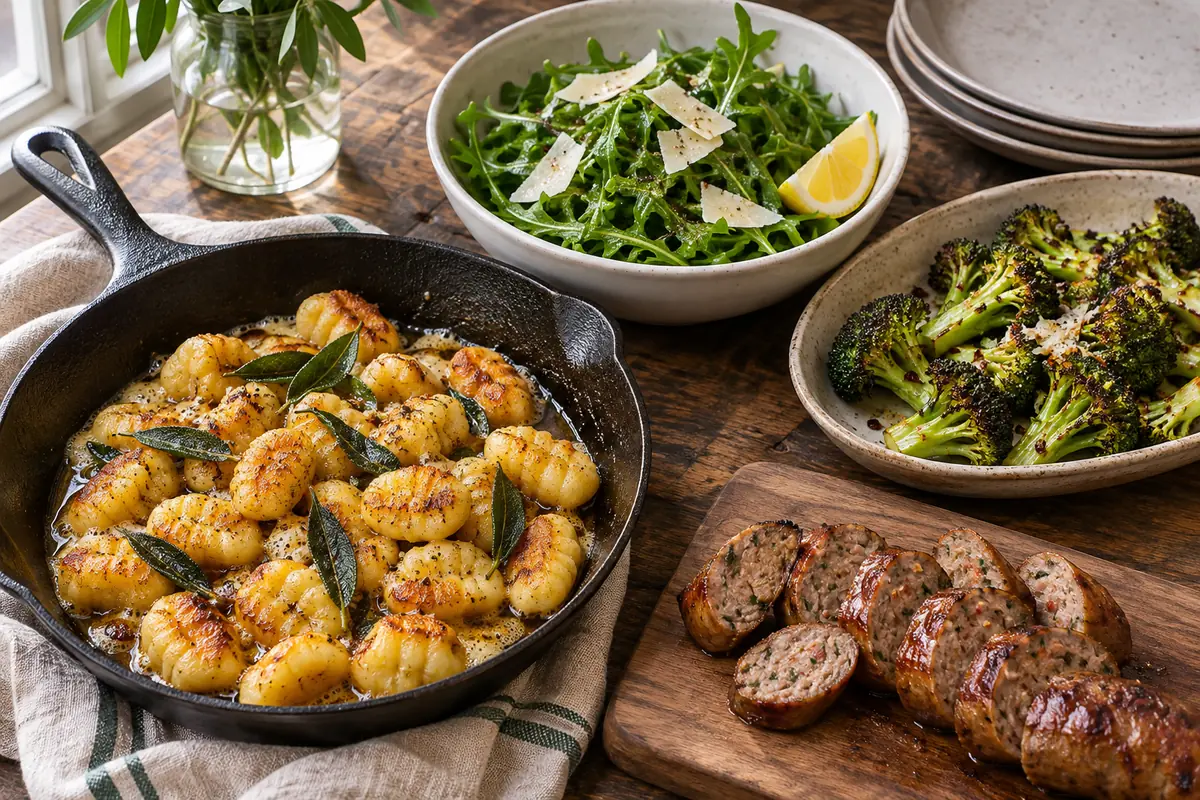
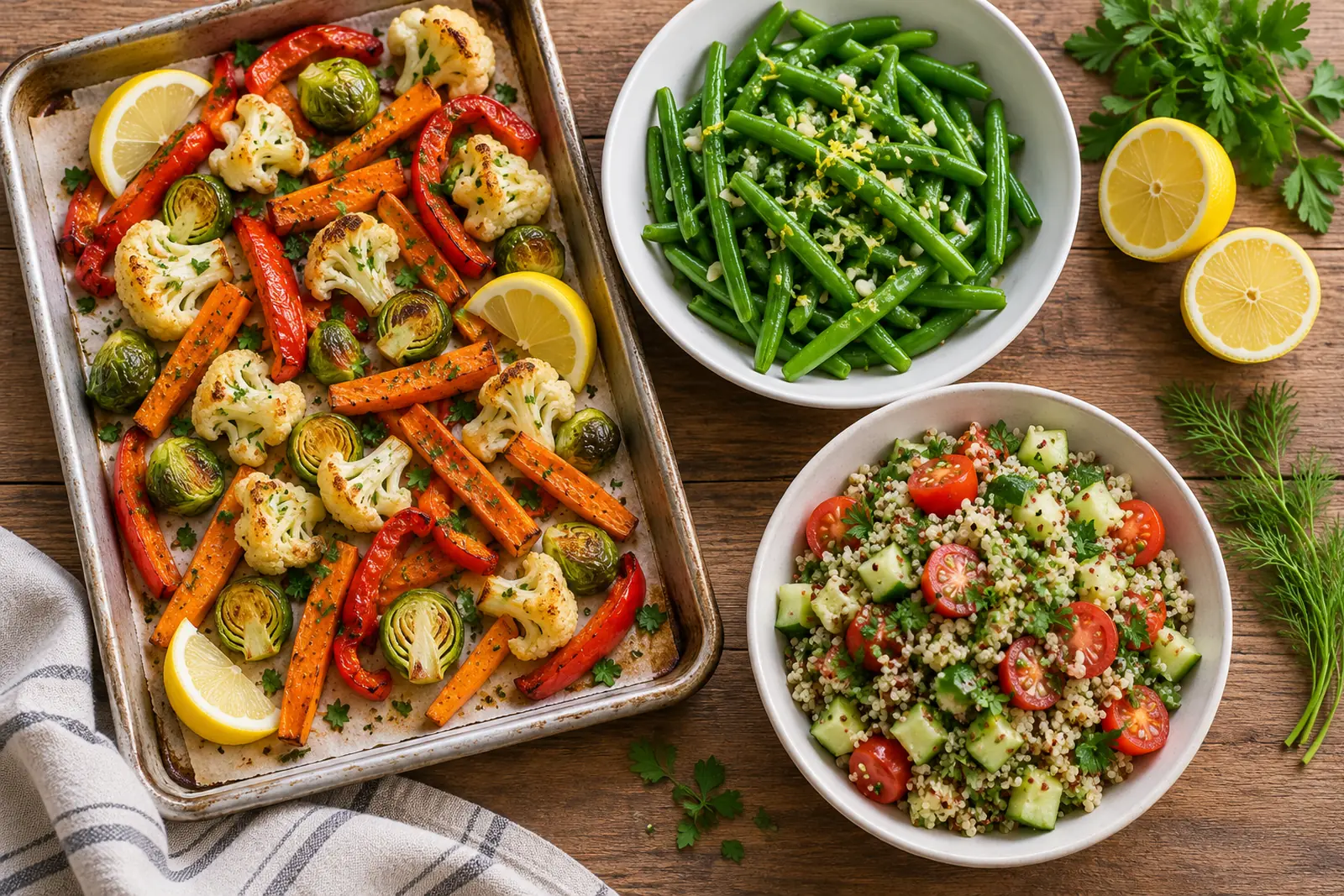
Once you pick a sauce, choose sides for the whole plate that do not repeat its flavor, such as plain rice with a salty glaze or a crisp salad with a cream sauce.
Which Sauce Matches How You Cook the Salmon?
Start with how you cook the fillet, because that narrows your choice fast. Your skillet leaves browned bits that turn into a pan sauce, your broiler caramelizes sugar in minutes, and your grill leaves char that a tart, cold sauce balances.
| How You Cook It | Sauces That Suit It |
|---|---|
| Pan-seared in a skillet | Lemon garlic butter, white wine, lemon dill butter |
| Baked or roasted | Honey mustard, sweet and sour, yogurt dill |
| Grilled | Tomatillo salsa verde, yogurt dill |
| Broiled | Miso glaze, teriyaki |
| Poached or chilled | Dill mayonnaise, yogurt dill |
- With pan-seared salmon, you make the sauce in the same pan, and the lemon or wine acid cuts the fat under a crisp skin.
- With baked or roasted salmon, a thin coat of a sweet sauce browns in a 400°F oven, and a cold yogurt sauce cools the fillet.
- With grilled salmon, a tart, cold sauce balances the char from the grates.
- The sugar browns in 1 to 4 minutes, so the glaze goes on at the very end.
- A cold sauce needs no heat, and it tastes better after 15 minutes in the fridge.
Sugar is the one trap, because honey, mirin and brown sugar scorch fast. You get the best glaze when you brush sweet sauces on for the last 2 to 4 minutes and hold a little back to spoon on at the table.
If you wrap your fillets in puff pastry, richer emulsified sauces such as hollandaise and béarnaise are the usual picks for salmon en croute.
What Temperature Should Salmon Reach Before You Sauce It?
You will meet cooks who pull salmon earlier. America's Test Kitchen preferred 120°F for wild salmon and 125°F for farmed Atlantic salmon, where the flesh turns firm and silky. That is one test kitchen's taste preference, and it sits below the federal number.
If your table includes pregnant women, young children, older adults or anyone with a weakened immune system, cook their salmon to 145°F, because the FDA tells these groups to avoid undercooked fish.
When white beads appear on your fillet, that is albumin, a harmless protein. A 15-minute brine before cooking reduces it, per America's Test Kitchen, and a spoonful of sauce hides whatever is left.
The 10 Best Sauces for Salmon
Every ratio below covers about four fillets, so halve it for two.
1. Creamy Lemon Garlic Butter Sauce
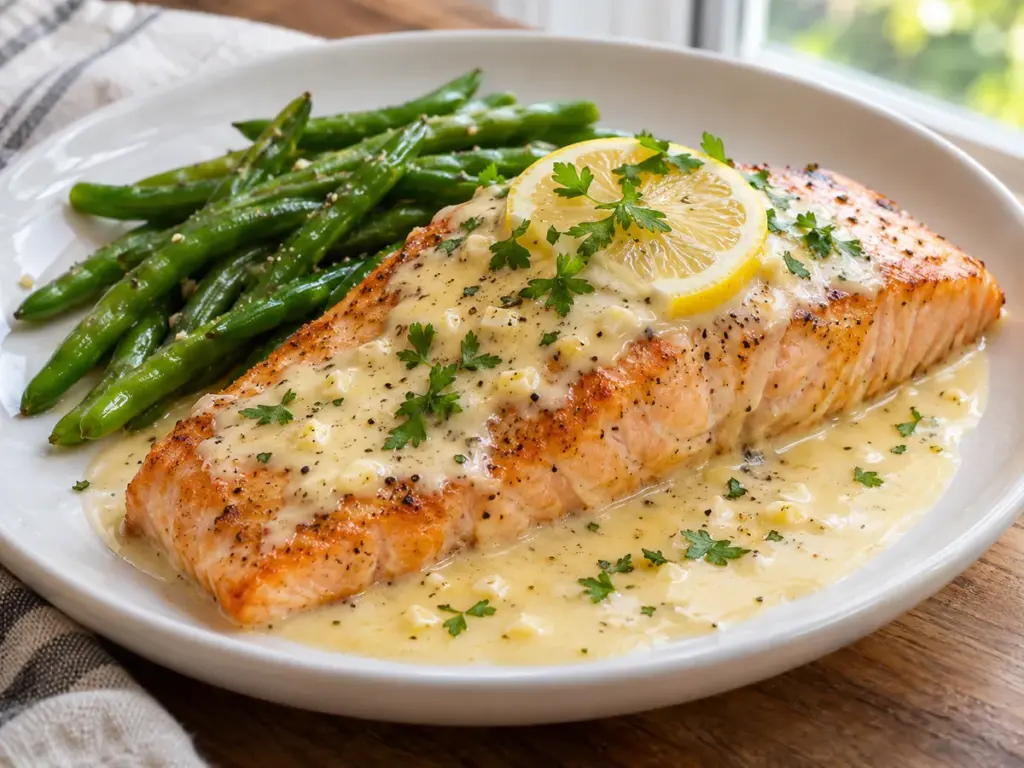
This is the sauce for pan-seared salmon. You make it in the skillet right after the fish comes out, so it picks up the browned bits, and the lemon cuts the fat while the cream rounds off the acid.
- Melt 3 tablespoons butter over medium heat, then cook 3 minced garlic cloves until fragrant, which takes under a minute.
- Pour in ½ cup heavy cream and 2 tablespoons lemon juice, then simmer on low and never boil, so the cream stays smooth.
- Season with salt and pepper and spoon it over the fillet right away. Any extra coats steamed green beans and asparagus well.
2. Honey Mustard Sauce
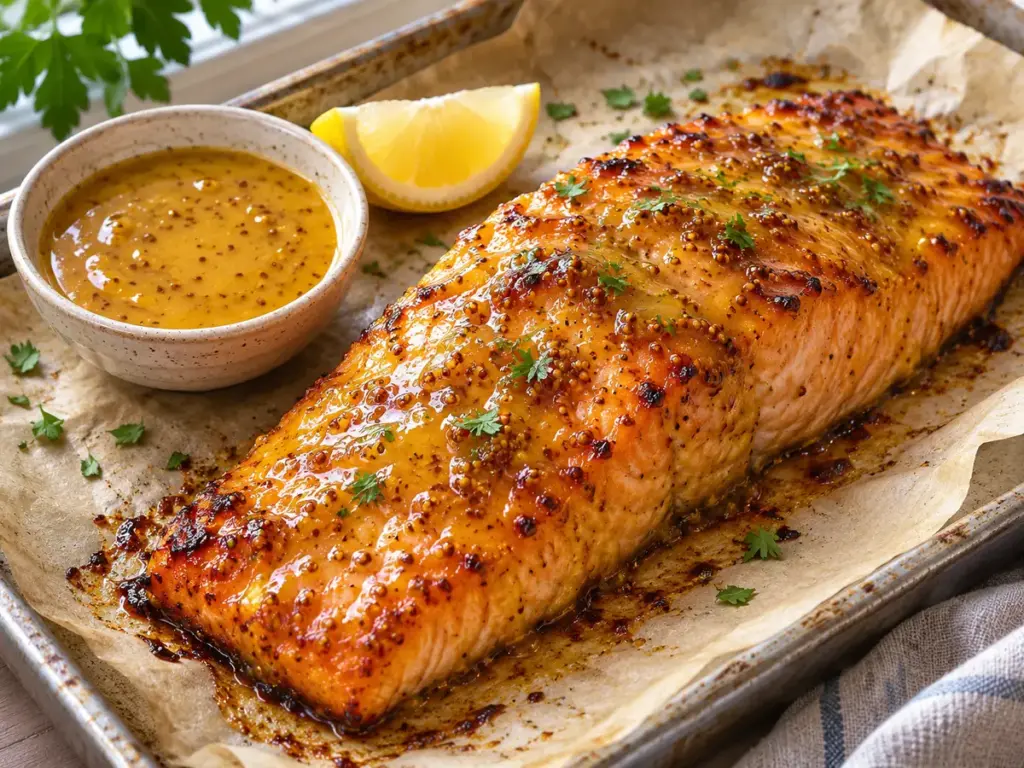
Honey mustard works on baked salmon, because the honey browns at oven heat and the Dijon keeps your glaze from tasting like candy.
- Whisk 2 tablespoons Dijon mustard with 1 tablespoon honey and 1 teaspoon lemon juice. Add more honey toward equal parts if you like it sweeter, and a pinch of garlic powder deepens it.
- Brush half of it on the fillets and bake at 400°F for about 12 to 15 minutes, until the thickest part reaches 145°F. Thick fillets take longer.
- Serve the rest from a separate bowl, so a brush that touched raw fish never goes back in. If the Dijon jar is empty, yellow, spicy brown or whole-grain mustard fills in, as these stand-ins for Dijon show.
3. Tomatillo Salsa Verde
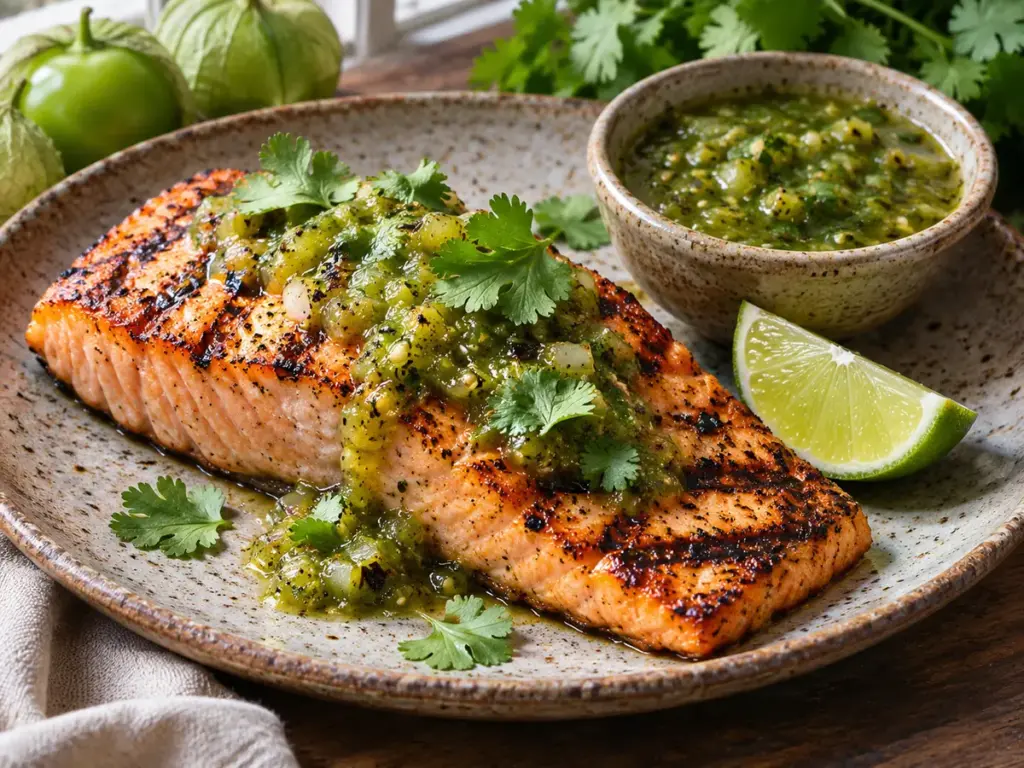
Salsa verde is the sauce for grilled salmon. You get a tart, bright flavor from roasted tomatillos, which balances the char and the oil in the fish.
- Husk and rinse 1 pound of tomatillos, then broil them on a sheet pan with 1 to 2 serranos and 2 garlic cloves for about 10 minutes, flipping halfway, until charred and soft.
- Blend with ½ cup cilantro, 2 tablespoons lime juice and ½ teaspoon salt. Add a pinch of sugar if the tomatillos taste too sharp.
- Grill the salmon about 4 to 5 minutes per side, check for 145°F, and spoon the salsa on top. Serranos are hotter than jalapeños, so use one first and add the second after tasting. Without fresh tomatillos, green salsa verde from a jar is the quickest stand-in.
4. Creamy Yogurt Dill Sauce
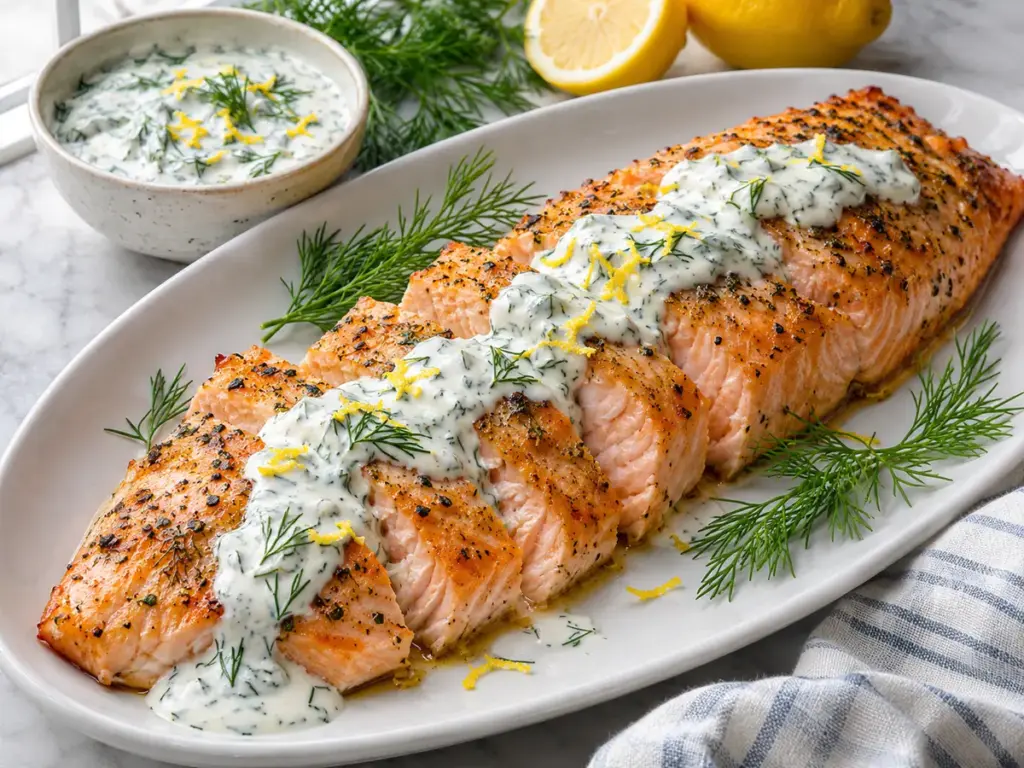
You can use yogurt dill on baked, grilled or chilled salmon, because the cold, tangy sauce cools a hot fillet and needs no cooking.
- Stir together 1 cup plain Greek yogurt, 1 teaspoon lemon zest, 1 tablespoon lemon juice, 3 tablespoons chopped fresh dill and a pinch of salt.
- Thin it with a splash of water or lemon juice if it is too thick, and add a spoonful of yogurt if it runs.
- Use fresh dill here, since dried dill tastes milder and gives the sauce less of its grassy lift. A little garlic powder adds punch, and the leftovers work as a dip for fish tacos.
5. White Wine Sauce
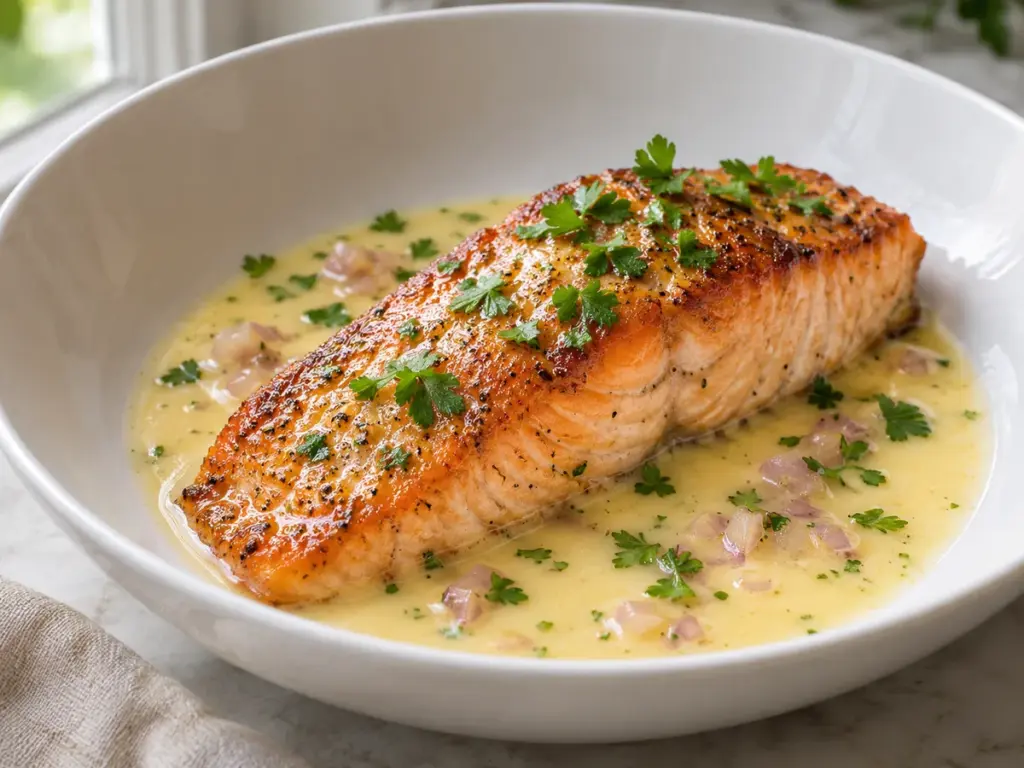
White wine sauce is the classic French partner for pan-fried salmon. You get a silky sauce that tastes tart from reduced wine and soft from butter.
- Simmer 1 cup dry white wine with 1 minced shallot over high heat for 6 to 8 minutes, until about 2 tablespoons of liquid remain.
- Lower the heat, add ¼ cup cream, then whisk in ½ cup cold butter one cube at a time. The cold butter keeps the sauce from separating.
- Finish with 1 tablespoon lemon juice and chopped parsley. Without wine, dry vermouth or chicken broth with a little white wine vinegar is the nearest swap.
6. Miso Glaze
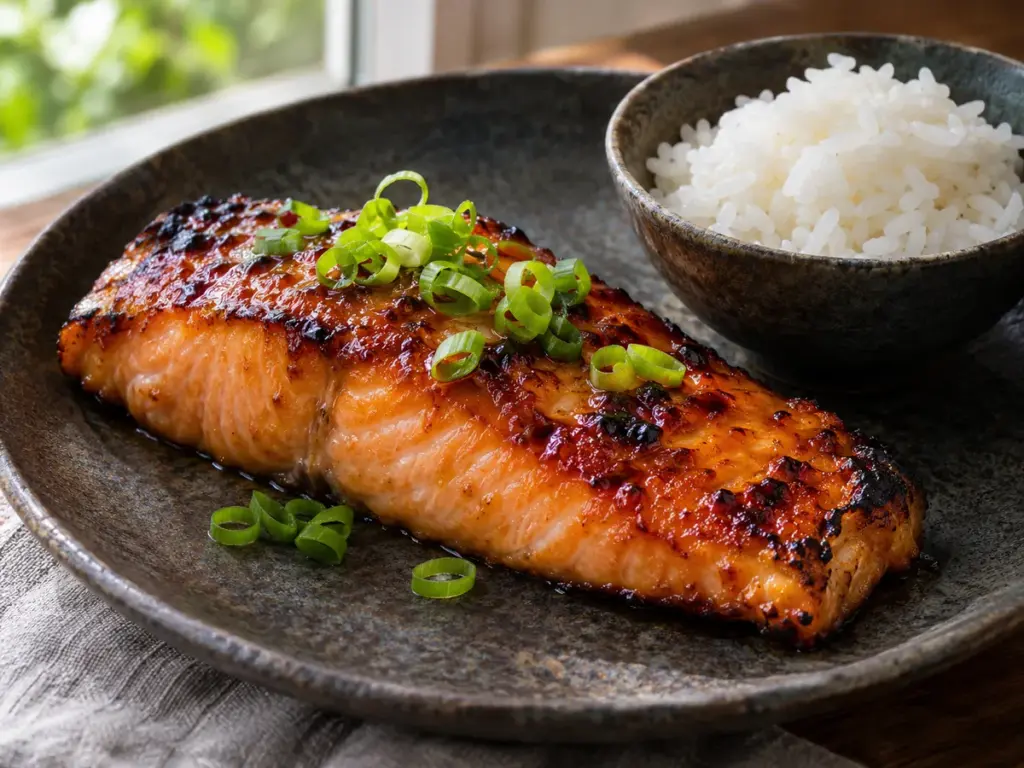
Miso is a fermented soybean paste, and you can turn it into a salty, savory glaze for broiled or baked salmon. The paste already carries the salt, so taste before you add soy sauce.
- Mix ¼ cup white or yellow miso, 2 tablespoons mirin, 2 tablespoons sake and 1 tablespoon sugar. Dry sherry replaces mirin 1:1 if you have none.
- Coat the fillets and refrigerate for at least 1 hour, then wipe off the excess so the sugar does not burn.
- Bake at 400°F until nearly done, then broil for 1 to 2 minutes until the top browns, and check for 145°F at the thickest part.
7. Sweet and Sour Sauce
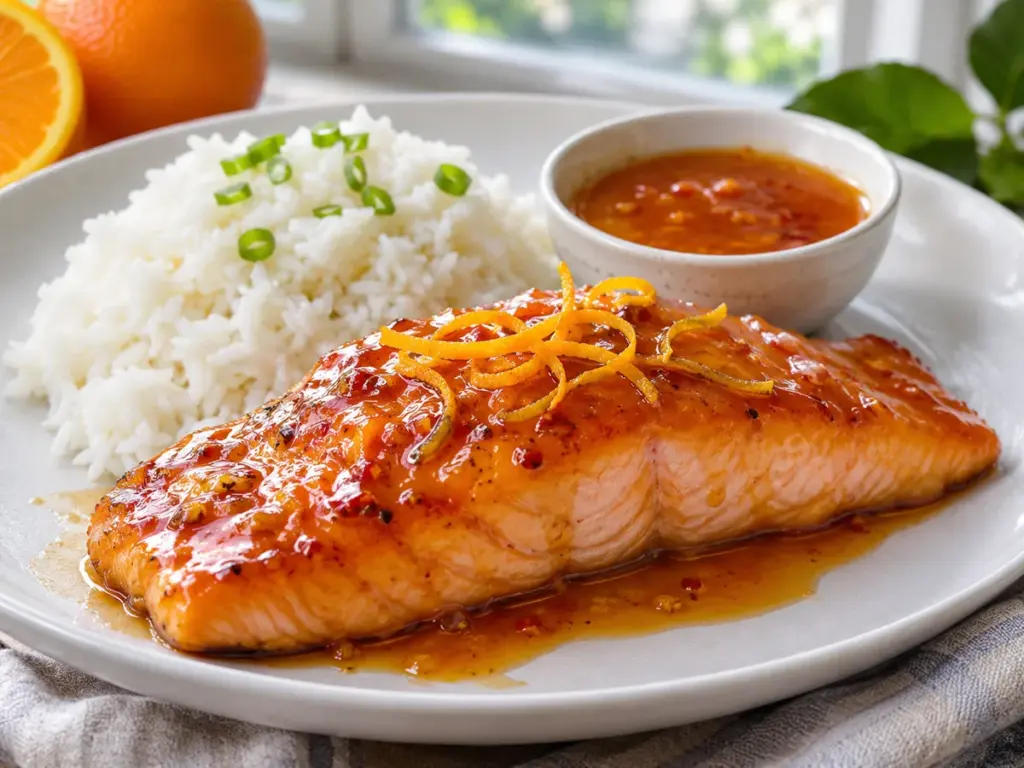
Sweet and sour turns baked or pan-seared salmon into a quick weeknight dinner. In this orange version, you get the tartness from vinegar and the sweetness from juice and sugar.
- Simmer ½ cup orange juice, ¼ cup brown sugar, 2 tablespoons rice vinegar and 2 tablespoons soy sauce until the sugar dissolves. Use less sugar if your juice is sweetened.
- Whisk 1 tablespoon cornstarch into 2 tablespoons cold water, stir it in, and cook until the sauce bubbles and thickens.
- Brush it on in the last minutes of cooking and keep some back for the table. A teaspoon of Dijon or prepared horseradish adds bite.
8. Teriyaki Sauce
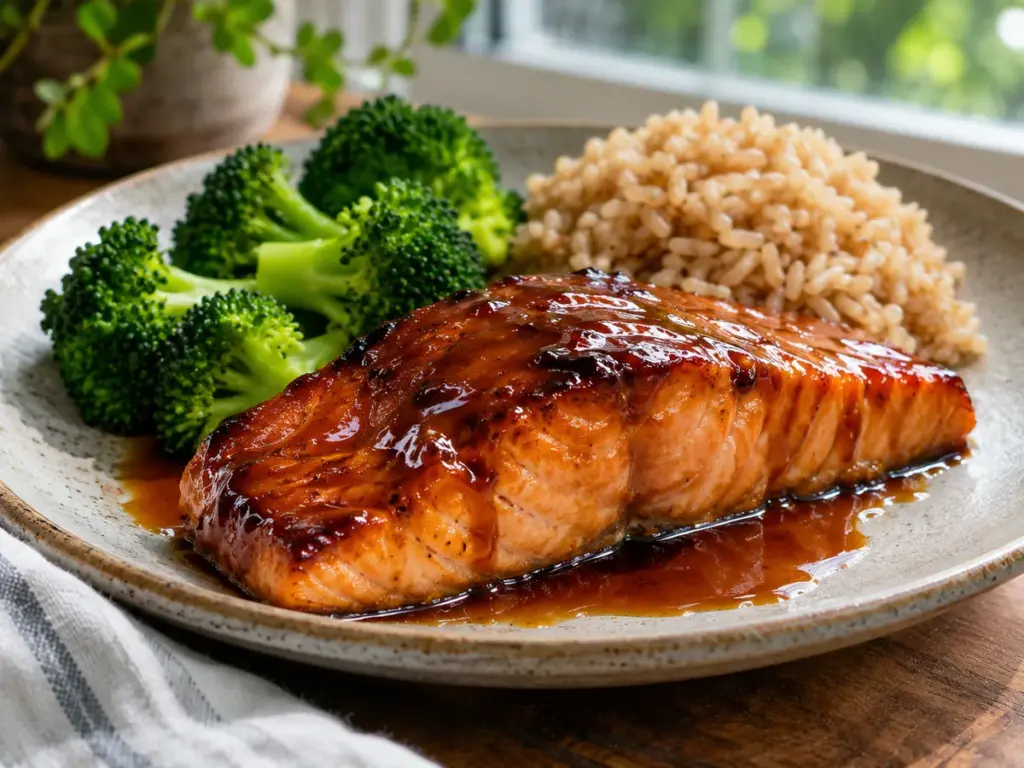
Teriyaki is the salty-sweet glaze you can use on broiled or pan-cooked salmon. A thick teriyaki finishes the fish, and you can thin it for a marinade before cooking.
- Simmer ¼ cup low-sodium soy sauce, ¼ cup mirin and 2 tablespoons brown sugar or honey for 2 to 3 minutes, until it coats the back of a spoon.
- Serve it with steamed broccoli and brown rice, or with a cold noodle salad in summer.
9. Classic Dill Mayonnaise Sauce
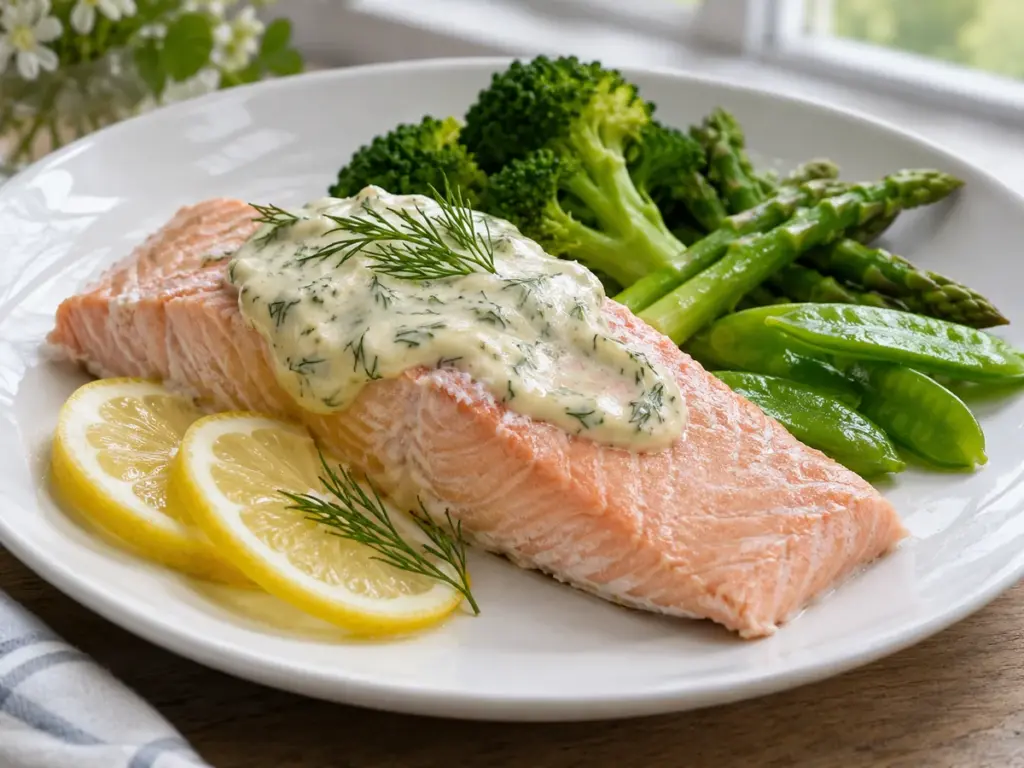
Dill mayonnaise is heavier and richer than the yogurt version, so you can use it on poached or chilled salmon and on steamed vegetables.
- Whisk ¾ cup mayonnaise, 2 tablespoons white wine vinegar, 3 tablespoons minced fresh dill, 1 teaspoon lemon juice and 1 teaspoon Dijon mustard.
- Season with salt, then let it sit in the fridge for at least 15 minutes so the dill flavors the mayonnaise.
10. Lemon Dill Butter Sauce
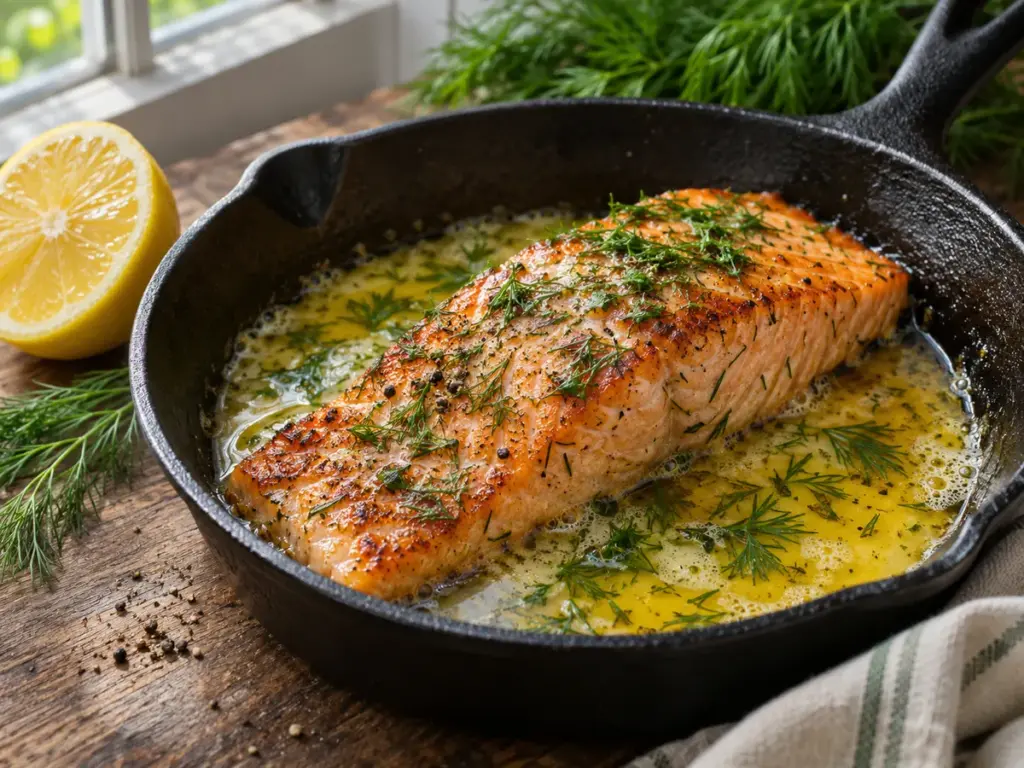
Lemon dill butter is the fastest sauce here, and you can spoon it over seared or grilled salmon served hot. It has no cream, so you taste more lemon and less richness than in the garlic butter.
- Melt 4 tablespoons butter in a small saucepan over medium-low heat.
- Whisk in 1 tablespoon lemon juice until the butter turns creamy, then add 2 tablespoons chopped fresh dill, kosher salt and black pepper.
- Spoon it over the fillet while both are hot, and add more lemon a teaspoon at a time.
Which Sauces Can You Make Ahead?
If you cook for guests, make the cold sauces first and build the warm ones while your salmon rests.
- Yogurt dill and dill mayonnaise taste better after resting in the fridge.
- Salsa verde and honey mustard need no heat.
- Teriyaki and sweet and sour are simmered once, then brushed on cold.
- Lemon garlic butter and white wine sauce are best made in the pan while the salmon rests.
- Miso glaze goes on an hour ahead.
Sources
- FoodSafety.gov, Safe Minimum Internal Temperatures (145°F for fish)
- FDA, Selecting and Serving Fresh and Frozen Seafood Safely
- America's Test Kitchen, Ideal Doneness Temperature for Wild Salmon (120°F wild, 125°F farmed, albumin)
- USDA FSIS, Leftovers and Food Safety (2-hour rule, 3 to 4 days)

Food writer at GustoMeadow. Writes ingredient substitutes, food comparisons, taste guides and storage guides for home cooks.
Storage and food-safety numbers follow USDA, FDA and university extension guidance.