
Indians don't require an introduction to curry sauce, given it's essential to Indian households and cuisine.
However, those that are unaware of curry sauce are missing out big time.
It's a delicious sauce combining several ingredients (which we'll explain briefly).
Today's post will discuss the tempting aroma and taste of curry sauce and answer the long-awaited question of, "What does curry sauce taste like?".
What is Curry Sauce?
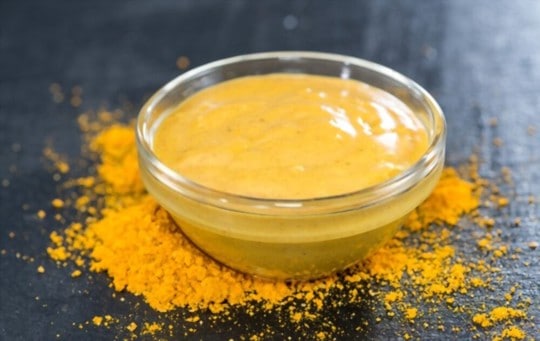
Curry sauce is a delicious sauce made through a mixture of various spices that's commonly found in Indian cuisine.
The sauce itself is made through the use of several common and easy-to-source ingredients, such as garlic, onions, ginger, and spices like coriander, cumin, chili powder, and turmeric.
The ingredients are often blended and cooked together in butter or oil along with a thick purée made of cream and coconut milk or even tomato purée.
This helps the curry achieves its signature creamy and thick consistency.
Curry sauce is known for its versatility and often is a base for other dishes such as stews, soups, meat and veg curries, etc. - explore Japanese curry taste guide for a milder, sweeter variation.
The spice content of the curry can also be adjusted according to your preference while cooking it - read curry taste explained guide for typical heat and flavor ranges.
Another great thing about curry sauce is the nutritional value it provides.
This is due to the blend of spices used in making the curry, which is known to carry various health benefits.
What Does Curry Sauce Taste Like?
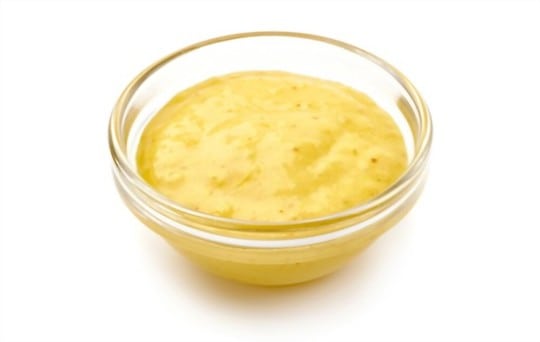
Curry sauce can often taste different based on the ingredients used.
However, its general taste typically leans towards a savory, slightly spicy, and warm flavor.
This unique combination results from the spice blend used in making the sauce.
Again, depending on the ingredients used, such as tomato purée or coconut milk, curry sauce can also taste either sweet or tangy.
But, the overall taste of curry sauce is considered a combo of flavor-packed, spicy, and aromatic flavors.
Speaking of aromatic flavor, curry sauce produces a complex and rich scent thanks to its use of various spices.
The distinct aroma of coriander, cumin, and chili powder also pairs well with the aromatic string notes of ginger and garlic, resulting in its complex scent.
The sauce also comes with a distinctly creamy texture, which sets it apart from other sauces, which are often thinner in comparison.
However, the sauce consistency can be changed to suit your preference.
Meanwhile, the texture and flavor are similar to other popular South-Asian and Indian cuisines that use similar ingredients.
If you frequently eat Indian cuisine, chances are, you can get a sense of similarity and nostalgia from the sauce.
Curry sauce is also considered relatively healthy.
Although, the health factor primarily depends on the ingredients used while making the sauce.
For instance, the spices used can be considered a great source of vitamins, minerals, and fiber.
However, pre-packaged curry sauce may not provide substantial health benefits as it can contain high sodium, preservatives, added sugars, and more instead to homemade ones.
How to Cook Curry Sauce?

Curry sauce is not a complex dish to make.
In fact, if you're not new to Indian cuisine, you'll likely have most of the ingredients, especially the spices used in the dish.
So, to make the sauce, you'll have to first sauté some ginger, garlic, and onion in butter or oil.
Once they appear translucent, add the spices to the mix and cook them for about 1-2 minutes.
Once the mixture appears and smells slightly toasted, add some liquid source to create its creamy texture.
Some of the common liquids used are tomato purée, cream, or coconut milk.
The last option is considered the most common ingredient used to create the creamy texture, adding a hint of sweetness.
Once the liquid is mixed, simmer the mixture until it reaches your preferred consistency.
Remember that the longer it cooks, the flavors will intensify and develop gradually.
You can blend them in a food processor if you want a super smooth texture.
After completing the entire process, you can store the sauce away for future use.
You can use this sauce in numerous ways to improve your dish's flavor.
So, get creative and look for ways to experiment with this sauce.
Quick-cooking vegetable sides pair well with curry - 22 veggie sides under 12 minutes for quick pairing suggests fast, flavor-matching options.
Flavor Elements of Curry Sauce
Curry sauce is not a new trending recipe popularized by TikTok.
It's been around for ages, and it can instantly lift the mood of any dish.
So, if you're new to this curry, make sure to give it a try and taste it for yourself.
Although you can buy ready-made curry sauce, it's best to create your homemade sauce to keep it more original and healthy.
It also allows you to expand your cooking skills and experiment more with the dish.
Confused about what to serve with curry sauce? You can easily find many recipes online on incorporating curry sauce with other dishes.
Teriyaki contrasts and complements different sauces - teriyaki sauce taste breakdown details that profile. For bold steak or burger pairings, A1 sauce flavor reveal explains the sharp, tangy notes.
Frequently Asked Questions
Today's post will discuss the tempting aroma and taste of curry sauce and answer the long-awaited question of, "What does curry sauce taste like?". So, stick around and keep scrolling to learn more about this delicious, flavor-packed sauce.
This helps the curry achieves its signature creamy and thick consistency.
Freshness matters. Curry Sauce tends to have a brighter, more pronounced taste when fresh.
Stored or aged versions may develop mellower or slightly different flavor notes.
Significantly. Younger or less ripe versions are often sharper, more astringent, or more bitter.
As it matures, flavors typically mellow and deepen into something more complex and approachable.
Texture and taste are inseparable. A pleasant texture encourages slower eating and better flavor perception.
Off-putting textures - too mushy, too fibrous, or unexpectedly gritty - can make even good flavors less enjoyable.