
If you're out of Black Olives, reach for Green Olives, Capers or Caper Berries, Pickled Peppers, Kalamata Olives, and Pickled Tomatoes.
Green Olives is the closest match - it has a similar flavor and works at a 1:1 ratio in most recipes.
For cooking, Capers or Caper Berries also works well - adjust the amount to taste since it may be slightly stronger or milder.
Black olives pack a unique punch, and finding something that can slide into their spot isn't always straightforward. Yet, we've dug around and found five alternatives that'll do more than just make do; they'll bring their own flair to the table.
5 Black Olive Substitutes to Try
Black olives are a popular ingredient known for their savory flavor and unique texture.
However, if you're in need of a substitute for black olives due to availability or personal preference, there are several alternatives worth considering - including black pepper substitute ideas for seasoning that can change a dish's profile.
| Substitute | Key Characteristics | Proper Ratio |
|---|---|---|
| Green Olives | Briny and tangy taste; firm texture; similar to black olives in appearance; widely available | Use an equal amount of green olives as a substitute for black olives |
| Capers or Caper Berries | Tart and salty flavor; small and round; adds a pop of tanginess; commonly used in Mediterranean dishes | Use an equal amount of capers or caper berries as a substitute |
| Pickled Peppers | Tangy and slightly spicy flavor; crunchy texture; adds a pop of flavor | Use an equal amount of pickled peppers as a substitute for black olives |
| Kalamata Olives | Rich and fruity taste; smooth texture; often used in Mediterranean cuisine | Use an equal amount of Kalamata olives as a substitute for black olives |
| Pickled Tomatoes | Tangy and juicy flavor; firm texture; adds a zesty twist to dishes | Use an equal amount of pickled tomatoes as a substitute for black olives |
Here is a closer look at each option:
1 - Green Olives
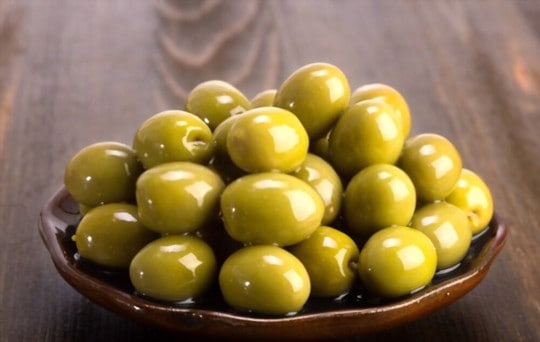
Let's start with the most obvious substitution - green olives.
Green olives are the unripe fruit of the olive tree, and they have a slightly different flavor than black olives.
They're less intense and more acidic, and they're a great way to add a pop of color to your dish.
In terms of texture, green olives are slightly firmer than black olives, but they'll still break down when cooked.
Green olives can be used in the same dishes as black olives, but they may not flavor.
They can be used as a garnish in salads or pasta dishes.
When substituting green olives for black olives, start with half the olives and add more to taste.
For a different vegetal texture in warm dishes, green beans substitute ideas for sides suggest alternatives that hold up similarly when cooked.
- Key Characteristics: Green olives have a briny and tangy taste with a firm texture. They resemble black olives in appearance and are widely available.
- Proper Ratio: Use an equal amount of green olives as a substitute for black olives. Adjust the quantity based on personal preference and desired taste.
2 - Capers or Caper Berries
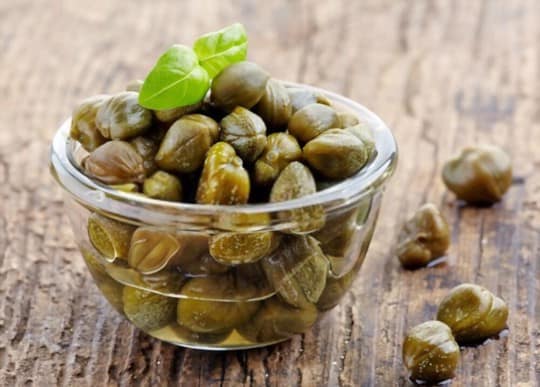
One of the most popular ingredients in Mediterranean cuisine is capers - see capers substitute options for cooking when a recipe calls for their tart punch.
These small, green pods are picked before they ripen and dried or brined.
Capers have a tart, acidic flavor that can add zing to dishes.
Caperberries are similar to capers but larger.
They also have a more intense flavor.
When substituting capers for black olives, you need to consider the flavor of your dish.
Capers are more tart than olives, so they may not be a good choice if your dish is already quite acidic.
You'll also want to use less since they pack a bigger flavor punch.
Keep in mind that both capers and caper berries can be expensive, so they may not be a practical substitute for black olives in every situation.
Texture-wise, capers are slightly softer than black olives.
If you're looking for a similar texture in your dish, you may want to use caper berries instead.
- Key Characteristics: Capers or caper berries offer a tart and salty flavor. They are small and round, providing a pop of tanginess to dishes. They are commonly used in Mediterranean cuisine.
- Proper Ratio: Use an equal amount of capers or caper berries as a substitute for black olives. Adjust the seasoning to taste.
3 - Pickled Peppers
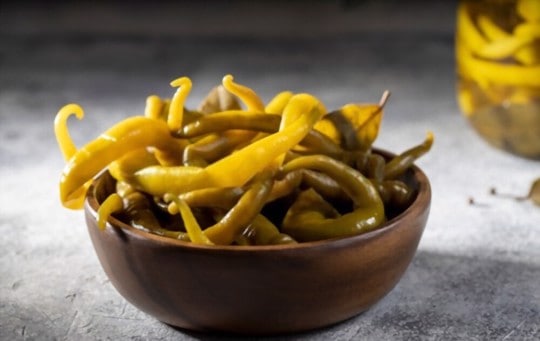
If you're looking for a tasty, tangy treat, pickled peppers are the way to go.
While they can be enjoyed fresh, pickling them adds an extra zing that takes them to the next level.
Plus, it's a great way to preserve peppers so you can enjoy them all year long.
Pickled peppers are easy to make at home, and the results are well worth the effort.
All you need is a selection of peppers, some vinegar, and a little salt.
Once you've gathered your ingredients, slice the peppers and place them in a jar.
Add vinegar and salt to taste, screw on the lid, and give them a good shake.
That's it - you're done. Store the jars in a cool, dark place and let them sit for at least two weeks before enjoying.
The longer they sit, the more flavorful they'll become.
Pickled peppers make a great substitute for black olives.
They have a similar texture and flavor and are perfect for adding tangy goodness to any dish.
Just be sure to add them early on in the cooking process, so they have time to soften up.
If you're in a pinch and need a black olive substitute ASAP, jarred peppers are a good option.
If a recipe specifically calls for milder, sweet peppers, piquillo pepper substitute ideas for recipes offer suitable stand-ins for pickled peppers.
- Key Characteristics: Pickled peppers have a tangy and slightly spicy flavor with a crunchy texture. They add a pop of flavor to dishes and can provide a unique twist as a substitute for black olives.
- Proper Ratio: Use an equal amount of pickled peppers as a substitute for black olives. Adjust the seasoning based on personal preference.
4 - Kalamata Olives
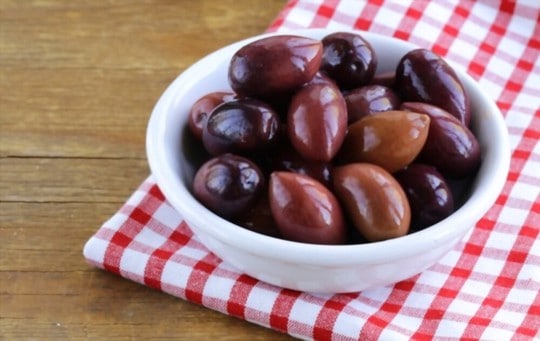
This is one of the more common substitutes for black olives that you will find - and Gaeta olive substitute options for dishes are useful to compare when choosing an olive swap.
Kalamata olives are a type of black olive, but they have a distinct flavor that sets them apart.
They are very fruity and have a slightly salty taste.
The texture is also different from other types of black olives.
They are much firmer and have a meatier texture.
Kalamata olives are a great substitute for black olives if you look for something with a distinct flavor.
Their fruity taste and texture make them a good addition to many recipes.
Depending on the recipe, you may want to adjust the amount of salt in the dish to account for the salty taste of the olives.
- Key Characteristics: Kalamata olives have a rich and fruity taste with a smooth texture. They are commonly used in Mediterranean cuisine and can serve as a suitable alternative to black olives.
- Proper Ratio: Use an equal amount of Kalamata olives as a substitute for black olives. Adjust the seasoning to taste.
5 - Pickled Tomatoes
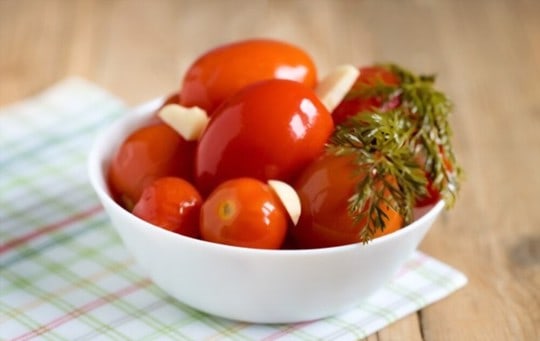
One of the simplest, most delicious ways to preserve tomatoes is pickling them.
The acidic vinegar solution inhibits the growth of bacteria and mold, allowing you to store your pickled tomatoes in the fridge for months.
Pickling is a great way to preserve tomatoes that are about to go bad, but it's also a delicious way to add flavor to dishes all year round.
The vinegar and spices infuse the tomatoes with flavor, making them a tasty addition to salads, sandwiches, or just about anything you can think of.
You can pickle any variety of tomato, but we recommend using cherry or grape tomatoes for their small size and sweetness.
When substituting pickled tomatoes for black olives, keep in mind that the flavor will be somewhat different.
Pickled tomatoes are tart and acidic, while black olives are salty and savory.
Consider using pickled tomatoes when you want a bright, tangy flavor in your dish.
- Key Characteristics: Pickled tomatoes offer a tangy and juicy flavor with a firm texture. They add a zesty twist to dishes and can be a flavorful substitute for black olives.
- Proper Ratio: Use an equal amount of pickled tomatoes as a substitute for black olives. Adjust the seasoning based on personal preference.
You might also want to know how black olives compares.
Frequently Asked Questions
Green Olives is the best substitute for Black Olives because it shares a similar flavor and texture. Use it at a 1:1 ratio in any recipe that calls for Black Olives.
Absolutely. Green Olives is the closest swap.
Capers or Caper Berries also works in a pinch. Match the original amount and tweak from there.
Can this substitute be used in baking as well as cooking?
Some work in both, but baking is less forgiving.
Substitutes that alter fat content, sweetness, or moisture can shift the structure of baked goods.
Test with a small batch first.
Frozen substitutes sometimes change texture after thawing. This matters more in raw applications like salads than in cooked dishes where texture is softened by heat anyway.
Black soy sauce alternatives can replace bold umami in many recipes. black soy sauce substitute suggestions for umami explains workable swaps. Fermented black beans bring a different fermented depth; fermented black bean substitute ideas for flavor covers alternatives that keep that savory character.