
Summary of key points
The difference between Pressure Canning and Water Bath Canning lies in their methods and the types of food they are best suited for. Pressure canning uses high temperature under pressure to preserve foods, making it suitable for low-acid foods like vegetables, meats, and poultry.
Water bath canning involves boiling jars of food in water and is suitable for high-acid foods like fruits, jams, jellies, and pickles. Each method ensures the safe preservation of food by eliminating bacteria and sealing the jars.
If you're interested in preserving food, then odds are you have heard of canning.
It's a popular way to extend the shelf life of fruits, vegetables, and other kinds of food. But did you know that there are two different forms of canning?
Pressure canning and water bath canning are two distinct methods for preserving food, each with its own benefits and drawbacks.
So what's the difference between them?
Let's get into this perplex article as we explain everything about pressure vs water bath canning - from how each method works to recommended jar sizes!

What is Pressure Canning?
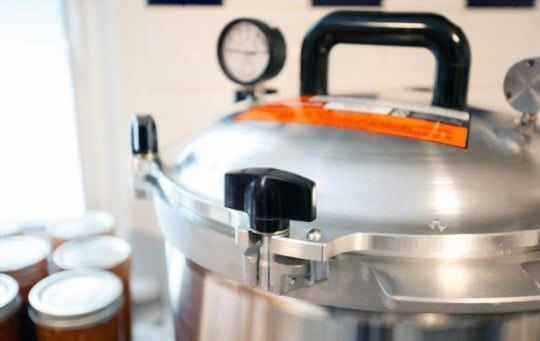
Pressure canning is a method of preserving food in which heat is used to kill bacteria and other microorganisms.
It involves placing food into jars, sealing them tightly with lids and bands, and then boiling them at a high temperature under pressure.
This process creates an environment that is hostile to most microorganisms, so that the food will be safe to eat for an extended period.
Pressure canning ensures that low-acid foods are heated to a high enough temperature to destroy any harmful bacteria or other microorganisms that may be present.
This is particularly important since botulism spores can survive in low-acid environments and produce deadly toxins if not destroyed.
If you want to do pressure canning at home, it's important to carefully follow instructions for each recipe or product you plan to preserve.
The process requires specialized equipment such as a pressure canner with a gauge that accurately measures the pressure inside the pot.
Differences between sealed, high-heat methods and gentle-heat techniques are explained in sous vide vs pressure cooker comparison for cooks which helps clarify when pressure is essential.
What is Water Bath Canning?

Water bath canning is a popular method of preserving low-acid foods like tomatoes, pickles, and fruit.
This process involves heating jars of food in a large pot of water for a set period of time to kill off any harmful bacteria and seal the jars.
Unlike pressure canning, which uses high pressure and temperatures to preserve food, water bath canning is much simpler and requires fewer supplies.
When using this method, it is important to select recipes that have been tested for safety by reputable sources.
It's also important to follow instructions carefully and use recommended processing times based on the size of the jar and the type of food being preserved.
Overall, water bath canning is an easy, affordable way to extend the shelf life of your favorite fruits and vegetables.
By properly sterilizing jars and heating them in boiling water, you can create delicious preserves that last for months or even years.
For a look at how two similar-sounding ingredients differ in texture and use, see water chestnuts vs chestnuts comparison for recipes which can help with recipe substitutions in preserves.
Differences Between Pressure Canning and Water Bath Canning
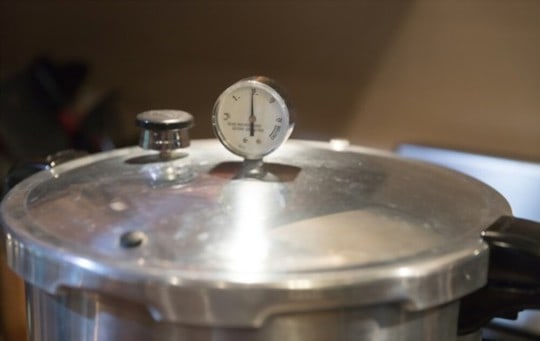
The Differences Between Pressure Canning and Water Bath Canning are significant in terms of the type of food that can be preserved and the equipment required.
While both methods involve sealing the jars to avoid bacterial contamination, they differ in terms of the temperature and pressure applied during processing.
For another look at how different cooking appliances affect results and versatility, check pressure cooker vs multi cooker comparison of functions to see how equipment choice changes what can be safely prepared.
Method and Equipment
The method and equipment used for pressure canning and water bath canning are different.
Pressure canning requires specialized equipment, such as a pressure canner, whereas water bath canning uses a large stockpot.
The difference lies in the fact that pressure canners come with a locking lid that creates a high-pressure environment inside the vessel.
Once you have packed your jars with food and closed them with lids, the only thing left is to seal them.
For water bath canning, this means immersing sealed jars in simmering water up to their brims.
For pressure canning, you need to put some water at the bottom of your pressure cooker before placing jars inside.
The pressure in the container must then be raised according to guidelines before starting the process.
Moving on from understanding method and equipment differences between these two types of preserving systems, it is now important that we explore safety consideration when determining what kind of food product are ideal for either of these two systems.
Food Types and Safety Considerations
Safety should be the top priority.
Canning is a process that involves preserving food for extended periods by sealing it in airtight containers.
Therefore, the quality of the container and the contents inside must be taken into consideration before beginning any canning project.
Different food types require different processing times and temperatures to ensure they are safe for consumption.
For example, when canning fruits like apples, blueberries, or cherries, water bath is the recommended method because these fruits are high in acid.
On the other hand, vegetables such as carrots or green beans contain lower acidity levels and are highly susceptible to Clostridium Botulinum bacteria growth if not processed correctly.
Therefore, pressure canning is required to achieve the high temperatures required for safe preservation.
It's also essential to check each recipe for ingredients that may impact processing times and temperature requirements when choosing between pressure canning and water bath methods.
For example, recipes containing meat or flour-based sauces may require pressure canning due to their low-acidity content.
Making sure your cans are tightly sealed is critical regardless of which method you opt for.
Also, follow your chosen method instructions closely regarding lid preparations as this plays an important role in making sure proper sealing.
Texture and particle size can affect processing times, and the differences between devices are covered in food mill vs ricer comparison for texture which helps determine how smooth preserves will be.
Processing Time and Temperature

Processing Time and Temperature is an important aspect when it comes to canning food to ensure that they are safe to eat.
The duration for which the food needs to be processed in either a water bath or a pressure canner depends on factors such as acidity, density, and consistency of the food being canned.
The ideal temperature at which the food should be processed also varies accordingly.
In summary, Processing Time and Temperature are key factors that must be taken into consideration when canning food using either a water bath or a pressure canner.
The ideal temperature at which the food should be processed varies depending on whether it is high-acid or low-acid.
The duration for which the food needs to be processed also varies based on factors such as density, consistency, and altitude.
Timing matters across food prep contexts, and timing schedules are compared in what time does Burger King start serving lunch as an example of scheduled service windows.
Examples of Foods that Require Pressure Canning
Not all foods are created equal.
Some require a high-pressure canner to safely preserve them, as they are low in acid and can harbor harmful bacteria if not canned properly.
Pressure canning is necessary for these types of food because the higher temperature achieved during the process kills any harmful bacteria present.
It's important not to skip this step or use a water bath method instead.
If you're unsure if a food requires pressure canning or water bath canning, check the pH level.
Low acid foods with a pH level greater than 4.
6 require pressure canning.
It's also important to follow specific recipes for each type of food when pressure canning.
This ensures the correct amount of processing time and pressure is used for maximum safety.
In summary, using a pressure canner is important when preserving low acid foods, as it ensures the safety of the food by eliminating harmful bacteria.
Always check the pH level and follow recipe instructions for each type of food.
Understanding which methods produce the high temperatures needed is similar to choosing between appliances; see pressure cooker vs steamer comparison of heat to grasp why pressure is necessary for some foods.
Examples of Foods that Can Be Water Bath Canned
Water bath canning is suitable for acidic foods with a pH below 4.
6 since it prevents the growth of bacteria and microorganisms that cause spoilage.
These foods have enough acid to prevent the growth of Clostridium botulinum, which causes botulism.
The water bath method involves placing jars in a boiling water bath for a specified period based on the contents and altitude.
When using the water bath method for canning food items without adding acids such as lemon juice or vinegar (as required in pressure canning), jars must be sterilized to prevent bacterial contamination.
Ensure that there are no air pockets before putting lids on and tightening rings.
Home-canned products should also be evaluated before use by checking for indicators such as cloudy liquid content or off smell.
When choosing a flavor base or mixer for preserves and syrups, the distinctions in taste profiles are outlined in tonic water vs ginger ale flavor comparison which can inspire different preserve recipes.
Which Method is Best?

You may wonder which method is best - pressure canning or water bath canning?
Water bath canning is great for high acid foods like fruits, pickles and jams.
It's an easy method that doesn't require any specific or technically advanced equipment.
Plus, it takes comparatively less cooking time than pressure canning.
However water bath canning won't be helpful if you want to preserve meat or vegetables since these are low acid foods that require more extensive processing than what simple boiling can achieve.
On the other hand, pressure canning requires specialized equipment and takes more time but it's the only suitable method for low acid foods like meat, fish and vegetables.
The reason is simple - water bath canning may not be strong enough to battle all microbes in them.
In short, if you want to store low acid foods safely for extended periods of time you should opt for pressure canning.
With advanced technology and market penetrations; safe, pre-packaged food storage options are available today that hardly require manual processing technique.
So which method is best? It really depends on what you're looking to preserve.
If you want to store high acid foods like fruit, pickles and jams, water bath canning is an effective method.
However, for low acid foods like meat and vegetables, pressure canning is the way to go.
Don't forget to consult an expert or thoroughly research guidelines before you begin the process.
When to Use Pressure vs Water Bath Canning
However, the best method for you depends on the type of food you want to preserve and the time and equipment you have available.
Also, if you don't have a lot of time to spend preparing your items or supervising them during processing then water bath may be more appropriate for you as it takes less time than pressure canning.
Both methods have their pros and cons depending on what type of food you're preserving and how busy your schedule is.
Steam bath vs water bath baking comparison of techniques explains related gentle-heating differences. 5 best substitutes for vinegar in canning options lists safe acidic swaps for recipes.
Frequently Asked Questions
But did you know that there are two different forms of canning? They share some similarities but each has qualities that make it better suited for certain recipes.
Choose Pressure Canning when you want more control over the process. Water Bath Canning works better for hands-off preparation.
The best choice depends on your available time and equipment.
Availability varies by region. One is usually a standard grocery store item while the other may require a specialty or international market depending on where you live.
Can a beginner tell the difference by taste?
In a side-by-side tasting, yes.
The difference becomes less obvious when mixed into a recipe with other ingredients.
Most people notice the distinction more clearly on its own.