
Swap Vinegar in Canning with Lemon Juice, Lime Juice, Apple Cider Vinegar, Distilled Vinegar, and Wine.
Lemon Juice
Many people love the tart and tangy taste of lemon juice.
For cooking, Lime Juice also works well - adjust the amount to taste.
Canning season's here, and so is the when you realize you're out of vinegar. No vinegar?
No problem.
But here's the kicker: you can still get those jars sealed tight and your pantry stocked with tasty, preserved goodness.
These substitutes aren't just stand-ins; they'll make your preserves pop with flavor. Ready to dodge a canning crisis and keep those harvest flavors locked in?
5 Vinegar Replacements Suitable for Canning
If you're looking for a substitute for vinegar in cooking or canning, you have many options - including tarragon vinegar substitute options that work well in delicate recipes.
Here are five of the best alternatives that can help you achieve the desired outcome:
1 - Lemon Juice
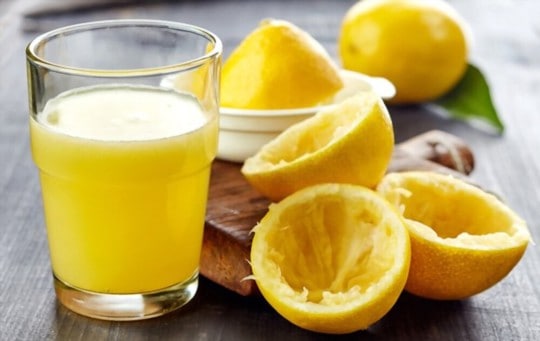
Many people love the tart and tangy taste of lemon juice.
It can be used to give a dish a nice zesty flavor as well as make it more appetizing by providing a bright yellow color to the food.
The substitute for vinegar in cooking and canning is particularly useful if you don't have any vinegar - simply use equal parts lemon juice instead, or consider preserved lemon substitute ideas for a saltier, more concentrated citrus note.
You may find that replacing the vinegar altogether in some recipes can really improve the flavor of your dishes, making them taste even brighter.
With a range of citrus fruits available and the ability to freeze or store lemon juice for later use, this delicious pantry staple should always be on hand for adding zest to dishes.
2 - Lime Juice

Lime juice is tart and a little bit sweet and imparts an amazing flavor to dishes it touches.
Its unique sourness and sweetness bring a wonderful tang to beverages like margaritas or mojitos.
It adds freshness to salads and is great for marinades and sauces, and the juice itself can be cooked with chilies as part of a Mexican dish.
One of the best uses of lime juice, though, is in place of vinegar when cooking and canning - see lime substitutes for cooking for more citrus swap ideas.
Here, it provides just enough acidity needed for food preservation.
The subtle lime flavor also blends perfectly with many recipes that could benefit from a more complex flavor than what simple vinegar can provide.
3 - Apple Cider Vinegar
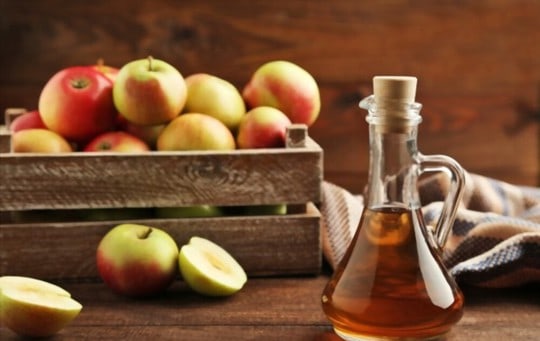
Apple cider vinegar is one of the oldest and most versatile condiments known today.
It is made from natural ingredients and has a unique taste that gives dishes a tangy and flavorful finish.
The taste of apple cider vinegar ranges from sweet to acidic, but no matter what you choose, it will always make a good addition to whatever dish you are cooking or canning.
Both is apple cider vinegar great in salads, stews, marinades, and other recipes, but it can also be a great substitute for more common vinegar like balsamic or distilled white vinegar when making homemade salsa, pickles, or relishes - and small tweaks mirror how apple jelly substitute suggestions adjust for sweetness and texture.
Try using this healthy alternative as a secret ingredient in all sorts of recipes next time you're in the kitchen.
4 - Distilled Vinegar

Distilled vinegar has been an integral part of cooking and canning for centuries.
It imparts a wonderfully sharp, tangy flavor to dishes like pickles, marinades, and sauces.
However, it can also be used in a more subtle way, adding a hint of brightness without changing the overall flavor.
Distilled vinegar is the go-to substitute for other types of vinegar due to its neutral flavor and ability to be easily mixed with seasonings - see white distilled vinegar substitutes list when a different acidity profile is needed.
As such, it's ideal for use in salad dressings or when canning fruits or vegetables; just remember to add sweeteners to balance out the sharpness of the acidity.
5 - Wine

Wine is a beverae enjoyed by many, and its unique taste will vary depending on the grape and region it was made in.
Cabernet Sauvignon will have a bolder flavor than Pinot Noir, while a French Bordeaux will be different from an American Napa Valley vintage.
Wine is not just for drinking, however.
It can be used as an alternative to vinegar when cooking or canning.
The subtle notes it adds can create complexity and bring out the best flavors in dishes like BBQ sauces, salad dressings, pickling liquid, and chutneys.
Wine can be used in small amounts to achieve big results - just enough to add some acidity without overpowering the ingredients you've taken so much care in choosing.
Frequently Asked Questions
Lemon Juice, Lime Juice, Apple Cider Vinegar, Distilled Vinegar, and Wine. Use it at a 1:1 ratio in any recipe that calls for Vinegar in Canning.
You have several options. Lemon Juice matches the original closely, while Lime Juice brings a slightly different character.
Either works at a 1:1 ratio.
Yes. Check your grocery store's international or health food aisle for widely available options.
Many substitutes are pantry staples that are easier to source than the original.
Forgiving dishes - soups, stews, casseroles, and sauces - are the best starting point. They mask small texture or flavor differences better than dishes where the ingredient is the star.
Different vinegars fit different dishes. balsamic vinegar substitute options help match sweet or savory needs. Chinese black vinegar swap list offers alternatives for bold, umami-rich recipes.