
The best all-round swap for apple jelly is strained apricot jam, used 1:1, because it melts into a clear, glossy glaze.
- For spreading, use red currant or quince jelly in the same amount.
- For baking and sauces, use apple butter 1:1, or sweetened, simmered-down applesauce.
- Honey glazes a roast but never sets, so use about three quarters as much.
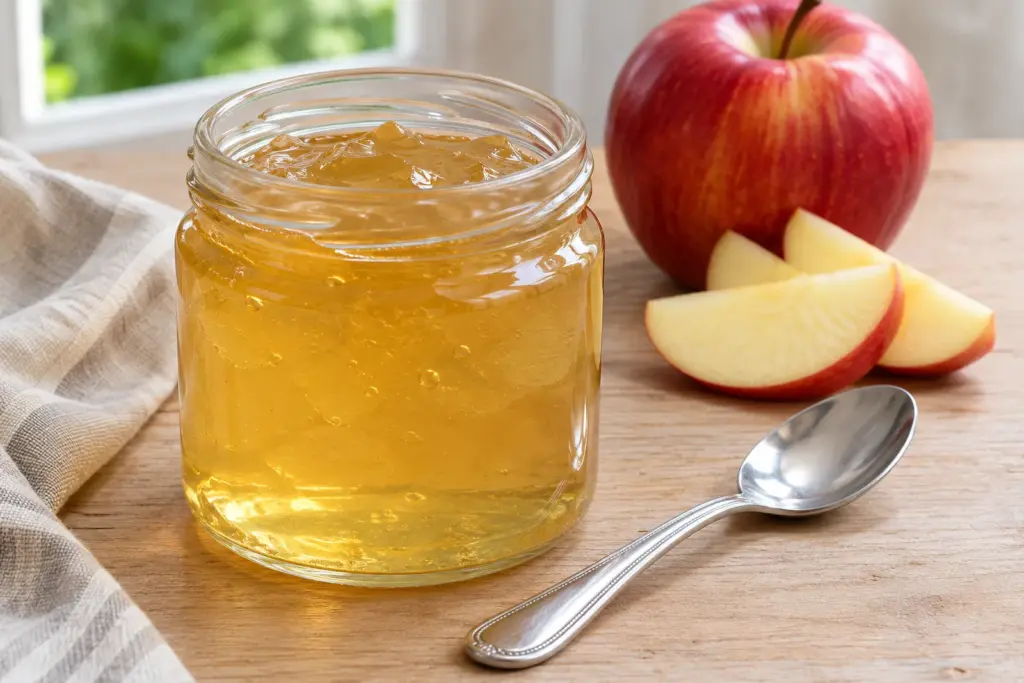
Apple jelly is easy to substitute in recipes once you know which job it does: shine on a glaze, sweetness in a sauce or filling, or a clear spread. The wrong swap shows up fast as a runny filling, a cloudy glaze or a purple tart.
What Does Apple Jelly Do in a Recipe?
Apple jelly is apple juice, sugar and pectin boiled until it sets. The FDA standard for fruit jelly calls for at least 45 parts fruit juice to 55 parts sugar and a finished jelly of 65 percent soluble solids or more, and it lets makers add pectin when the juice has too little. Sour apples that are not overripe already carry enough pectin and acid to gel with sugar alone, according to Clemson extension.
Fruit jelly sets with pectin, not gelatin, so Jello-style gelatin desserts are not a swap.
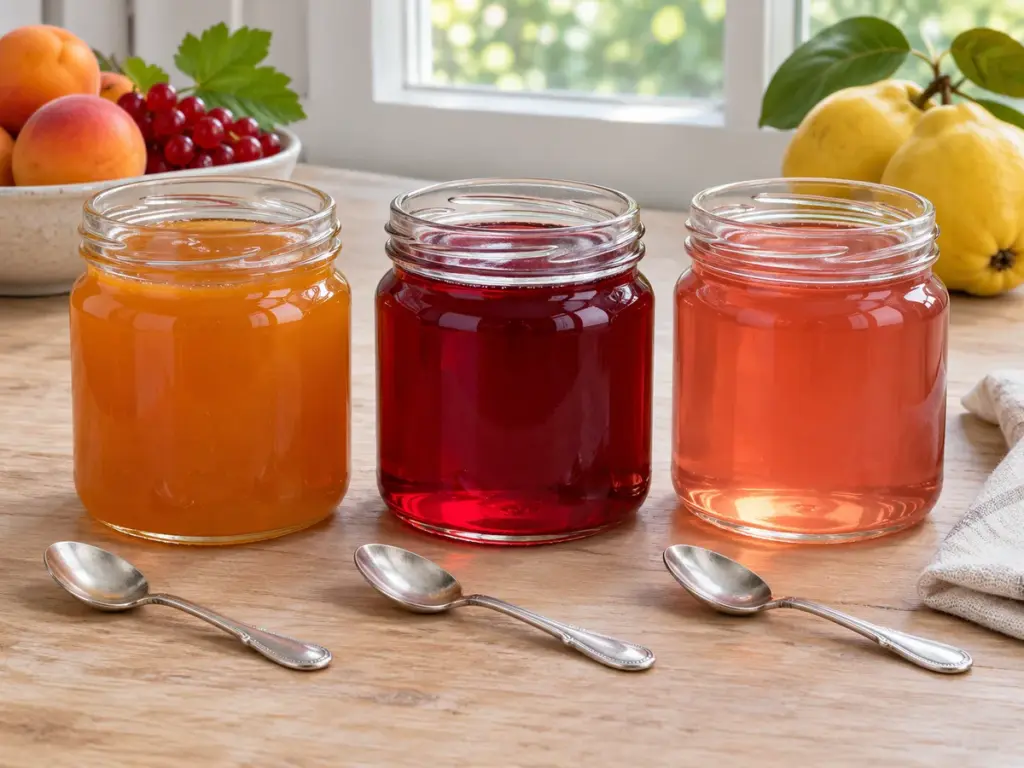
The juice is strained, so apple jelly is clear, pale and mild, with no fruit pieces. Jam keeps the crushed fruit, which makes it thicker, darker and lumpier, and that is the main difference between jelly and other fruit preserves. Decide which of two jobs your recipe gives the jar, because the swap follows from it:
- A glaze that stays glossy on a tart or roast
- A spread that holds its shape on toast
- A cookie or tart filling that must not leak
- A sweet-sour sauce or marinade
- A batter or bar where a spoonful adds sugar
- A stir-in for oatmeal or yogurt
Carbohydrate per 100 g tells you whether a swap can go in 1:1. USDA FoodData Central lists generic jelly at about 70 g of carbohydrate per 100 g, so a 21 g tablespoon of jelly carries about 15 g. When a swap lands near that figure you can use it 1:1, and when it lands far away you add or cut sugar.
| Food (USDA FoodData Central) | Carbohydrate per 100 g | FDC ID |
|---|---|---|
| Jellies, generic | 70 g | 169642 |
| Apricot jam | 64 g | 170645 |
| Honey | 82 g | 169640 |
| Apple butter | 42 g | 168816 |
| Applesauce, canned, unsweetened | 11 g | 167772 |
| Apple juice, unsweetened | 11 g | 167771 |
6 Best Substitutes for Apple Jelly
Six swaps cover both jobs. The first three set into a gel, and the last three only add sweetness and apple flavor.
| Substitute | Ratio | What changes |
|---|---|---|
| Strained apricot jam | 1:1 | Light gold tint |
| Red currant jelly | 1:1 | Red color, tarter |
| Quince jelly | 1:1 | Tastes of quince |
| Honey | About ¾ as much | Never sets, sweeter |
| Apple butter | 1:1, plus 1 to 2 teaspoon sugar per tbsp | Brown, opaque, less sweet |
| Simmered applesauce | Cook down, then sweeten to taste | Cloudy, far less sugar |
Pick from the first three for glazes, spreads and cookie fillings that need a gel. The last three suit sauces, batters and bars, where a spoonful of sweetness is enough.
1. Strained Apricot Jam
Apricot jam is the first swap to reach for. Its sugar is close to apple jelly's (64 g of carbohydrate per 100 g against about 70 g), so you can use it 1:1 without changing how sweet the dish tastes.
Apricots do not gel on their own, because Clemson extension lists them among the fruits that always need added acid, pectin or both. Jam also keeps the fruit pieces, so melt it and press it through a fine sieve before you brush it on.
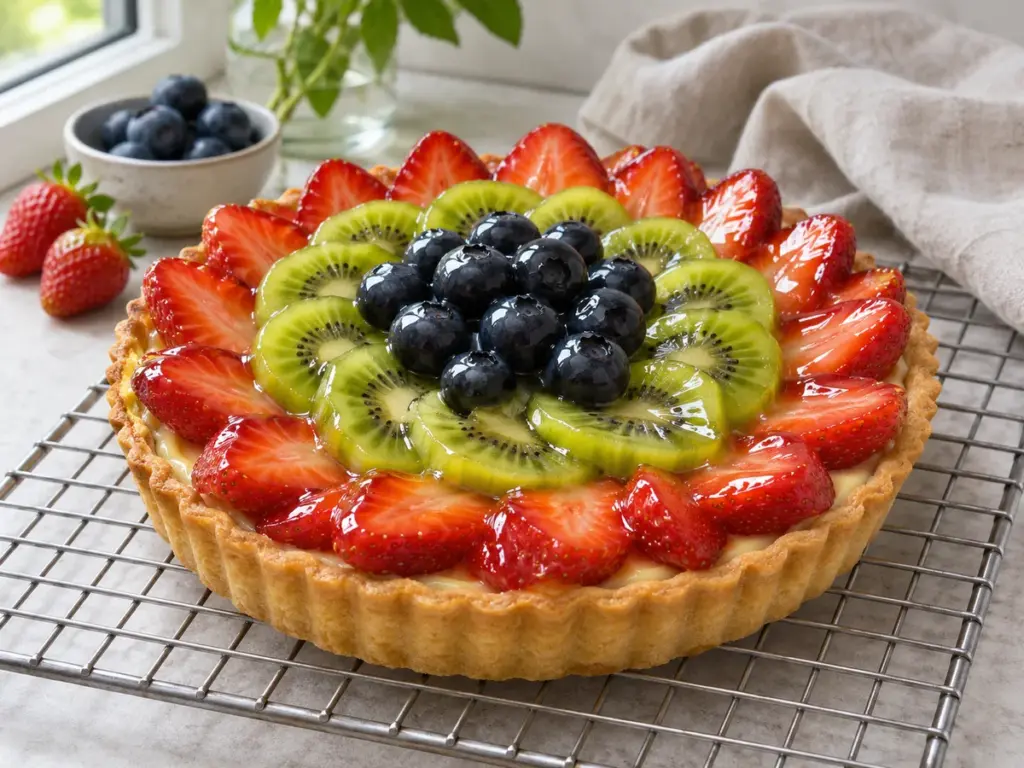
Leiths calls apricot glaze, because of its pale and neutral color, very useful as a general-purpose glaze. On an apple tart you will see only a slight golden tint, so it is the easiest swap when your recipe glazes apples.
2. Red Currant Jelly
Red currant jelly is the closest match in texture. Currants sit with sour apples and quinces in Clemson's group of fruit that has enough natural pectin and acid to gel with sugar alone, so the jelly sets clear and firm. Use it 1:1 to spread on toast or to glaze berry tarts, ham and roast pork.
The deep red also stains, so keep it off pale pear or apple tarts. The swap runs both ways: apple jelly is one of the red currant jelly stand-ins when you are cooking from a recipe that asks for the red kind.
3. Quince Jelly
Quince is another high-pectin fruit in the same Clemson group as apples and currants, so quince jelly sets clear and holds a spoon the way apple jelly does. Use it 1:1 as a spread, on a cheese board or as a glaze. It is less common on shelves than the other jars, so check the specialty section before you plan your recipe around it.
Taste a spoonful first, because quince's flavor is its own and not apple's. The jelly reads as quince, not apple, so you will like it more with roast pork or cheese than on a plain apple pastry.
4. Honey
Honey works where apple jelly adds sweetness and shine to a glaze or sauce. It has no pectin, so it never gels: on a tart it slides off, and in a cookie filling it leaks. USDA lists honey at about 82 g of carbohydrate per 100 g (FDC 169640), well above jelly's 70 g, so start with about ¾ as much, for example 3 tablespoons of honey for every 4 tablespoons of jelly.
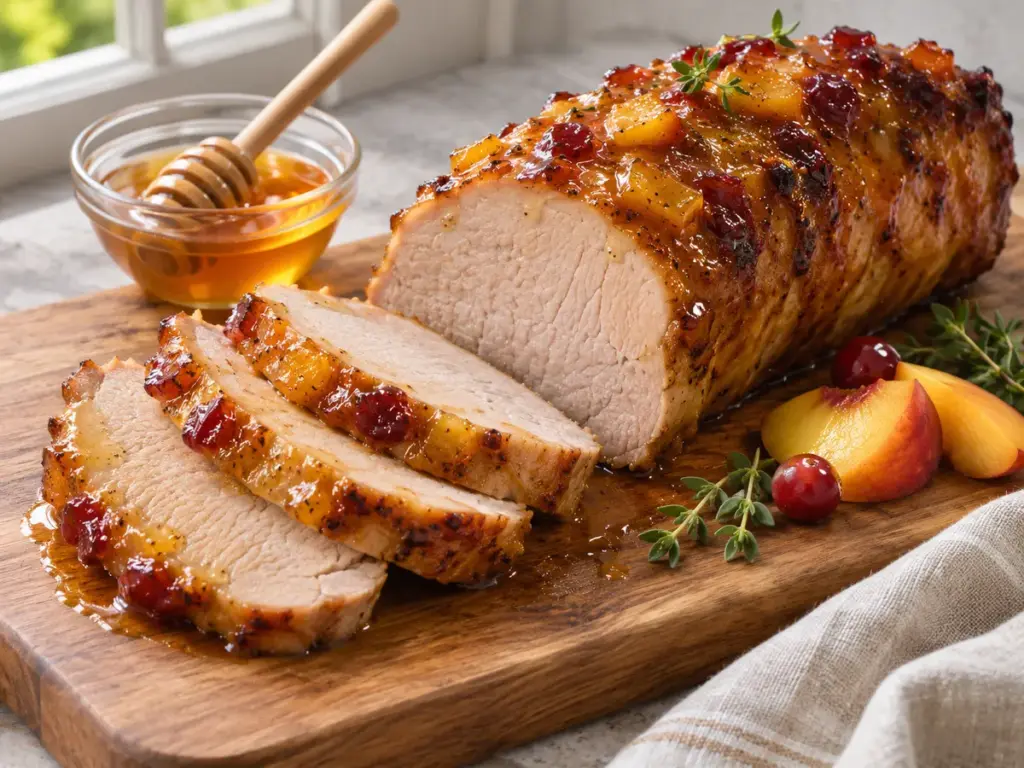
Brush honey on during the last stretch of roasting, because its sugar scorches before the meat is done if you add it early. If the glaze tastes flat, a few drops of lemon juice bring back some of the tartness that apple jelly gets from its fruit.
5. Apple Butter
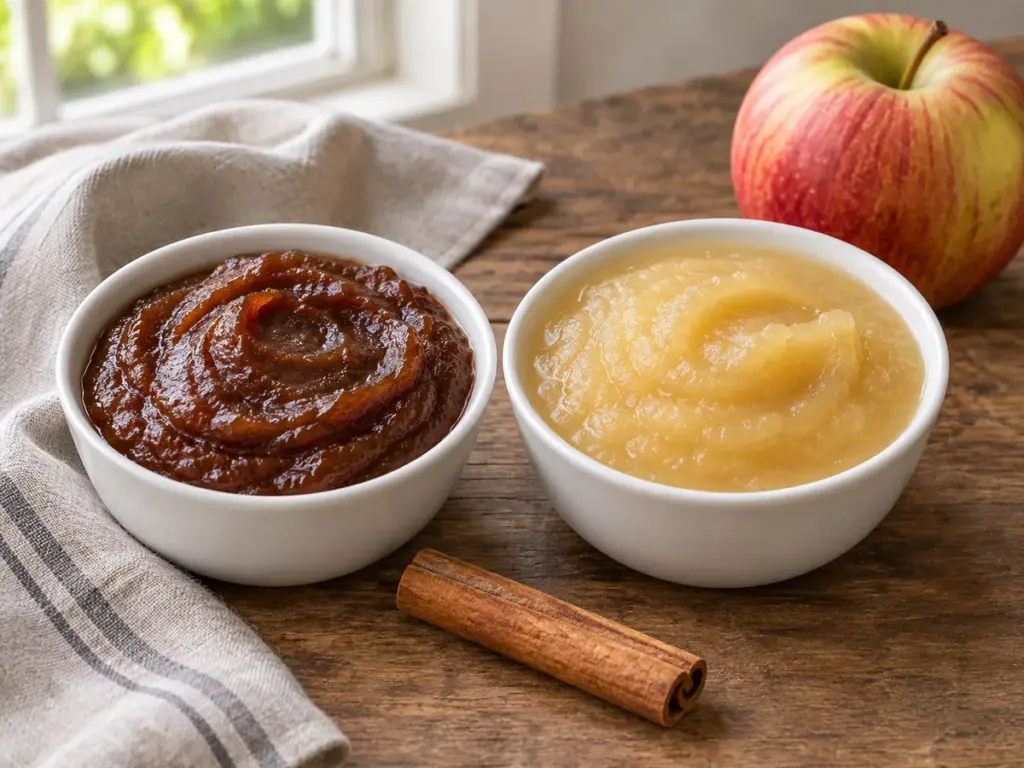
Apple butter is cooked-down apple, so it brings the apple flavor but not the clarity: it is thick, brown and opaque. It suits baking, sauces and toast, and you should skip it for glazes. USDA puts it at about 42 g of carbohydrate per 100 g (FDC 168816), roughly 40 percent below jelly.
Use it 1:1, then stir in 1 to 2 teaspoons of sugar per tablespoon and taste. The amount is calculated from the USDA figures above (a tablespoon of jelly carries about 15 g of carbohydrate and a tablespoon of apple butter about 9 g, a gap of roughly 1.5 teaspoons of sugar), and the jar you own may be sweeter or more spiced than the USDA average.
6. Simmered Applesauce
Plain applesauce has the flavor but little else. Unsweetened canned applesauce is only about 11 g of carbohydrate per 100 g (FDC 167772), roughly one sixth of jelly, so you have to cook it down and sweeten it before it can stand in.
Simmer it over low heat, stirring, until a spoon drawn through leaves a trail, then add sugar a teaspoon at a time and taste. Keep it to batters, bars and sauces, because it will never turn clear or set. Applesauce is also one of the usual apple butter swaps when a recipe asks for apple butter instead.
How Do You Turn Jam Into a Clear Glaze?
Jam has fruit pieces and a thicker body, so you need four steps to turn a jar of it into a glaze that looks like apple jelly:
- Melt it gently. Warm ½ cup (125 g) of apricot jam with 1 tablespoon of water over low to medium heat, stirring until smooth, and keep it below a boil.
- Strain it. Press the melted jam through a fine sieve to catch fruit bits and seeds.
- Thin it only if needed. If it is still thick, add warm water a teaspoon at a time until it runs like runny honey. Too much water stops it clinging.
- Cool, then brush. Let it cool until it is only slightly warm, then brush a thin coat over the food.
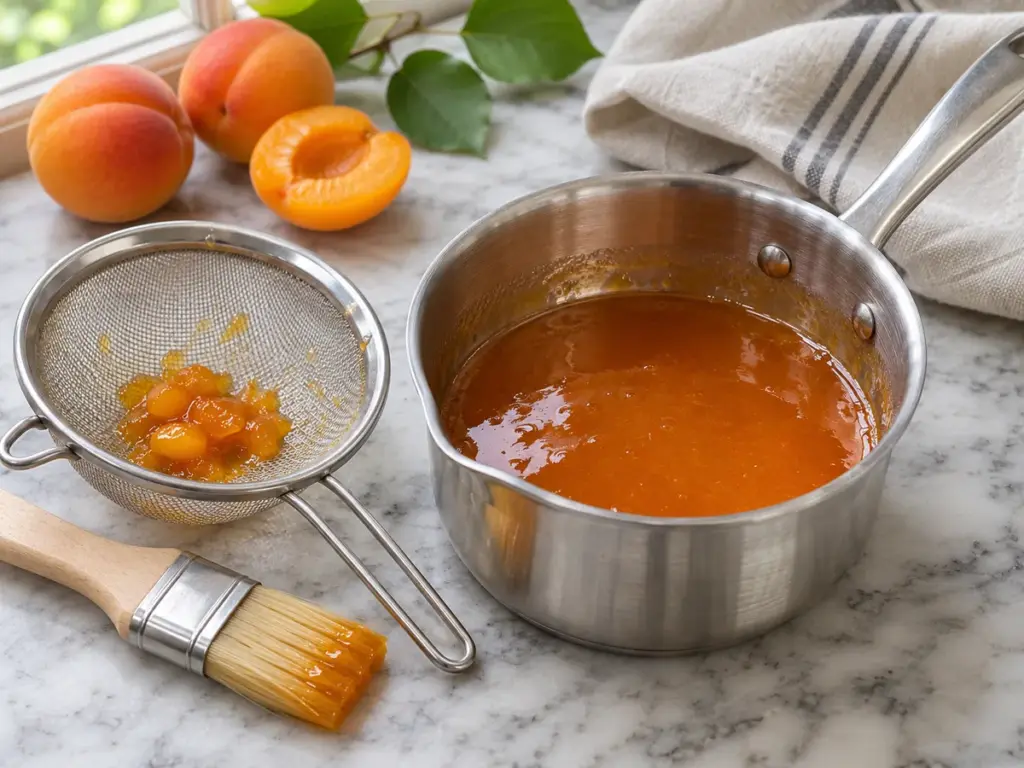
This method follows Leiths and Joy of Baking. Coat the fruit lightly, because a thick layer looks jelly-like once it dries. For a red currant glaze, use the jelly in place of the jam and skip most of the water.
Which Substitute Should You Use for Your Dish?
- Pale fruit tart or apple pastry: strained apricot jam, brushed on in a thin coat.
- Berry or cherry tart: red currant jelly, which sets clear and matches the fruit color.
- Baked ham or roast pork: honey at about ¾ the amount, brushed on late, or red currant jelly 1:1.
- Thumbprint cookies and tart fillings: apricot jam or red currant jelly, because honey and applesauce run out of the dough.
- Muffins, bars and sauces: apple butter 1:1 with a little extra sugar, or simmered applesauce.
- Toast and cheese boards: quince jelly or red currant jelly.
Substitutes That Only Work Sometimes
Apple juice is what jelly is made from, but it has no gel and little sugar. USDA lists unsweetened apple juice at about 11 g of carbohydrate per 100 g (FDC 167771), against 70 g for jelly, so a 1:1 swap leaves you with a runny, bland dish. A spoonful can thin a glaze that has set too thick, and that is its only job here.
Canned peaches are a common first thought, and they are a weak swap. Peaches also need added acid, pectin or both to gel, per Clemson, so mashed peaches give you wet fruit, not a spread or a glaze.
Grape jelly sets like apple jelly and is fine on toast, but its purple color shows through on a glaze. Marmalade adds bitter peel strands, so you will like it more on a savory ham glaze than on a delicate tart, as jam and marmalade differ in just that way.
Sources
- FDA, 21 CFR 150.140, Fruit jelly
- Clemson Cooperative Extension, Basics of Jelly Making
- Leiths School of Food and Wine, How to Make a Jam Glaze
- Joy of Baking, Apricot Glaze
- USDA FoodData Central: FDC 169642 (jellies), 170645 (apricot jam), 169640 (honey), 168816 (apple butter), 167772 (applesauce), 167771 (apple juice)
- USDA FoodKeeper, jams, jellies and preserves

Food writer at GustoMeadow. Writes ingredient substitutes, food comparisons, taste guides and storage guides for home cooks.
Storage and food-safety numbers follow USDA, FDA and university extension guidance.



