
If you're out of Balsamic Vinegar, reach for Cider Vinegar and Sugar, Red Wine Vinegar and Maple Syrup, and Fruity Vinegar and Sugar.
Cider Vinegar and Sugar is the closest match - it has a similar flavor and works at a 1:1 ratio in most recipes.
For cooking, Red Wine Vinegar and Maple Syrup also works well - adjust the amount to taste since it may be slightly stronger or milder.
We're spilling the beans on the top three swaps for balsamic vinegar that'll save your recipes. Sometimes, you're mid-recipe and realize you're out of balsamic vinegar.
These aren't just any alternatives; they're solid options in the kitchen. Trust us, these swaps are so good, you might even prefer them over the real deal.
Ready to get into these lifesaving tips?
3 Best Replacements for Balsamic Vinegar
Balsamic vinegar is a flavorful and versatile condiment commonly used in various dishes and dressings.
However, if you find yourself without balsamic vinegar in your pantry or need a substitute due to dietary restrictions or availability, there are several alternatives that can provide a similar taste profile.
| Substitute | Key Characteristics | Proper Ratio |
|---|---|---|
| Cider Vinegar and Sugar | Apple-based vinegar with a tangy flavor, combined with sugar to replicate the sweet and tart notes | Mix 1 tablespoon of cider vinegar with 1 teaspoon of sugar for every 1 tablespoon of balsamic vinegar |
| Red Wine Vinegar and Maple Syrup | Tangy red wine vinegar paired with maple syrup for a balance of acidity and sweetness | Mix 1 tablespoon of red wine vinegar with 1 teaspoon of maple syrup for every 1 tablespoon of balsamic vinegar |
| Fruity Vinegar and Sugar | Fruit-infused vinegar, such as raspberry or pomegranate, combined with sugar for a fruity and tangy flavor | Mix 1 tablespoon of fruity vinegar with 1 teaspoon of sugar for every 1 tablespoon of balsamic vinegar |
Here is a closer look at each option:
1 - Cider Vinegar and Sugar

Cider vinegar has long been used as a natural remedy to treat various ailments, from skin conditions to digestive issues.
But what many people don't realize is that cider vinegar is also a great nutritional supplement, thanks to its high levels of vitamins and minerals.
Whether consumed on its own or added to other foods, cider vinegar provides valuable nutrients like potassium, calcium, and magnesium.
Also, cider vinegar's acidity helps kickstart digestive processes and reduce unwanted bloating.
And, of course, it's always delicious when paired with a bit of sweetener like sugar.
- Key Characteristics: Cider vinegar is an apple-based vinegar with a tangy flavor. When combined with sugar, it can replicate the sweet and tart notes of balsamic vinegar.
- Proper Ratio: Mix 1 tablespoon of cider vinegar with 1 teaspoon of sugar for every 1 tablespoon of balsamic vinegar. Adjust the quantity of sugar based on desired sweetness.
2 - Red Wine Vinegar and Maple Syrup

Red wine vinegar and maple syrup are two of the most beloved ingredients in the kitchen.
Both are rich in flavor and intensely aromatic, adding bold notes to various savory dishes.
But what sets these two ingredients apart is their unique composition.
Red wine vinegar is made from fermented red wine and rice, while maple syrup is derived from the sap of certain trees.
Also, red wine vinegar has a slightly acidic bite, while maple syrup is naturally sweet.
Depending on your culinary preferences, one or the other might be a better choice for improving your cooking.
Whether you prefer to add richness with mahogany notes or balance out the sweetness with a touch of tartness, red wine vinegar and maple syrup have plenty to offer in the kitchen.
So why not give them both a try? They're sure to make any meal taste better.
- Key Characteristics: Red wine vinegar offers a tangy flavor that is balanced by the natural sweetness of maple syrup. This combination creates a similar taste profile to balsamic vinegar.
- Proper Ratio: Mix 1 tablespoon of red wine vinegar with 1 teaspoon of maple syrup for every 1 tablespoon of balsamic vinegar. Adjust the amount of maple syrup based on desired sweetness.
3 - Fruity Vinegar and Sugar
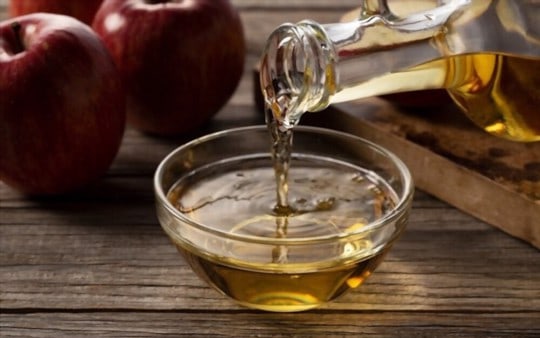
Tangy recipes, nothing beats the combination of fruity vinegar and sweet sugar.
Whether you're whipping up a tangy salad dressing or baking a sweet treat, this unique flavor duo will impress.
With so many different fruits and flavors to choose from, there are endless possibilities for making your dishes stand out.
Some popular options include apple cider vinegar with brown sugar for a classic fall treat, bright raspberry vinegar paired with delicate white sugar for a light and refreshing addition to desserts, or zesty lemon juice with granulated sugar for an easy way to add extra zing to savory sauces.
No matter which direction you decide to go in, fruity vinegar and sugar are sure to be a winning combination.
- Key Characteristics: Fruit-infused vinegars, such as raspberry or pomegranate vinegar, provide a fruity and tangy flavor. When combined with sugar, they can mimic the taste of balsamic vinegar.
- Proper Ratio: Mix 1 tablespoon of fruity vinegar with 1 teaspoon of sugar for every 1 tablespoon of balsamic vinegar. Adjust the amount of sugar based on desired sweetness.
You might also want to know how balsamic vinegar compares.
Frequently Asked Questions
Cider Vinegar and Sugar is the best substitute for Balsamic Vinegar because it shares a similar flavor and texture. Use it at a 1:1 ratio in any recipe that calls for Balsamic Vinegar.
Absolutely. Cider Vinegar is the closest swap.
Sugar and Red Wine Vinegar and Maple Syrup also works in a pinch. Match the original amount and tweak from there.
Can this substitute be used in baking as well as cooking?
Some work in both, but baking is less forgiving.
Substitutes that alter fat content, sweetness, or moisture can shift the structure of baked goods.
Test with a small batch first.
Frozen substitutes sometimes change texture after thawing. This matters more in raw applications like salads than in cooked dishes where texture is softened by heat anyway.