
A multi-cooker is an electric pot that cooks several ways, while a pressure cooker only cooks under pressure.
- Stovetop models reach about 15 psi (250°F), an Instant Pot on high 10.2 to 11.6 psi.
- Not every multi-cooker pressure cooks, so check the specs.
- Do not use a multi-cooker for canning, since no USDA-tested process exists.
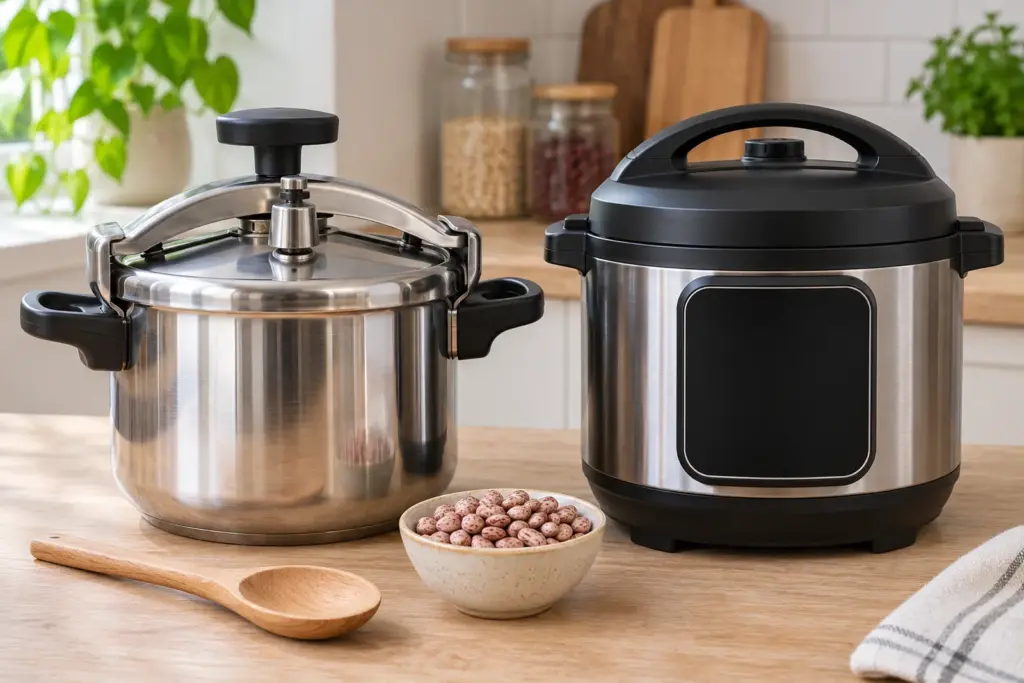
This pair confuses people more than most kitchen appliance comparisons, because one appliance can be both. An Instant Pot is a pressure cooker and a multi-cooker at once, so you are really choosing between a single-job stovetop pot and an electric pot that also slow cooks and sautés.
1. What Is the Difference Between a Pressure Cooker and a Multi-Cooker?
The names overlap because "pressure cooker" covers three different pots: a stovetop pressure cooker, an electric pressure cooker that only pressure cooks, and a multi-cooker with a pressure mode, like the Instant Pot. The stovetop pot and the multi-cooker differ the most, so here they are side by side:
- The heat source is your burner
- You hold the pressure by adjusting the burner and watching the clock
- A built-in heating element, plugged into an outlet
- The cooker holds the pressure after you set pressure and time
| What changes | Stovetop pressure cooker | Multi-cooker with a pressure mode |
|---|---|---|
| Pressure and temperature | About 15 psi and 250°F (Penn State Extension) | Instant Pot on high: 10.2 to 11.6 psi, about 239 to 244°F (Instant Pot FAQ) |
| Other jobs | A regular pot with the lid off | Slow cook, sauté, steam and keep warm, and on some models rice, yogurt or air frying |
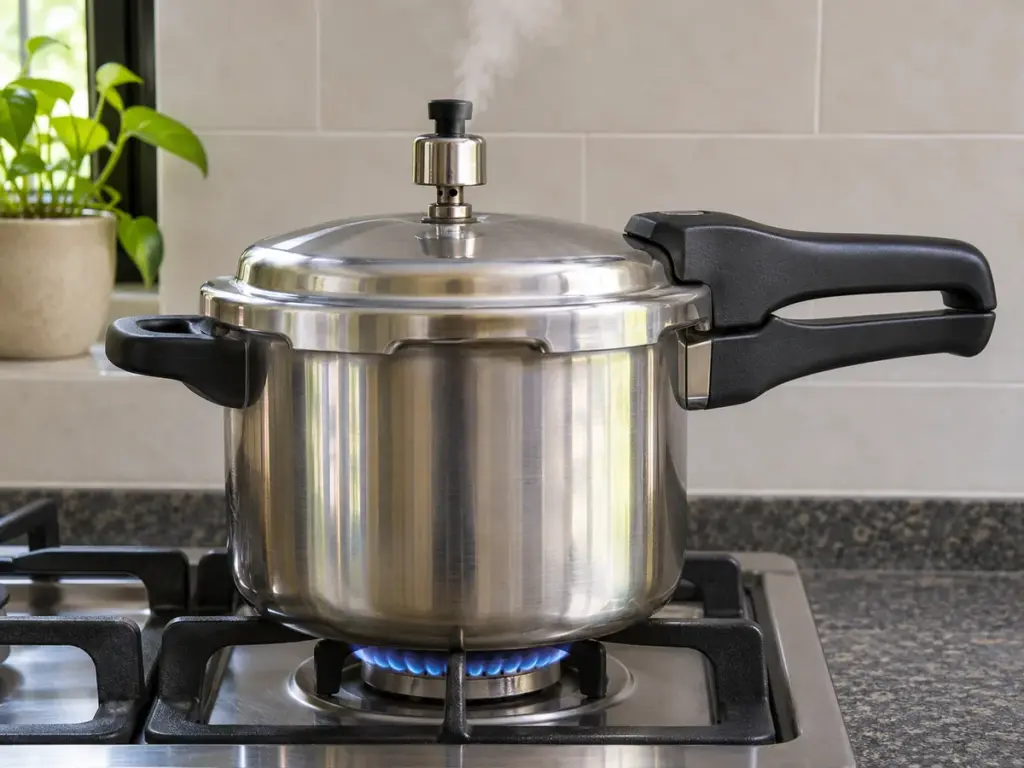
The row that changes your evening is who holds the pressure. On a stovetop cooker you raise or lower the burner and keep a close watch on the cooking time, as Penn State Extension describes it. In a multi-cooker you set the pressure and time and the cooker regulates itself, so you can start dinner and leave the kitchen.
2. What Is a Multi-Cooker, and Does Every One Pressure Cook?
A multi-cooker is an electric pot with a heating element, a lid and a control panel that runs several cooking programs. Instant Pot's FAQ lists pressure cook, slow cook, steam, sauté and warm for its Dual Action Multi-Cooker, and Wikipedia's multicooker article adds programs for rice and yogurt on other models.
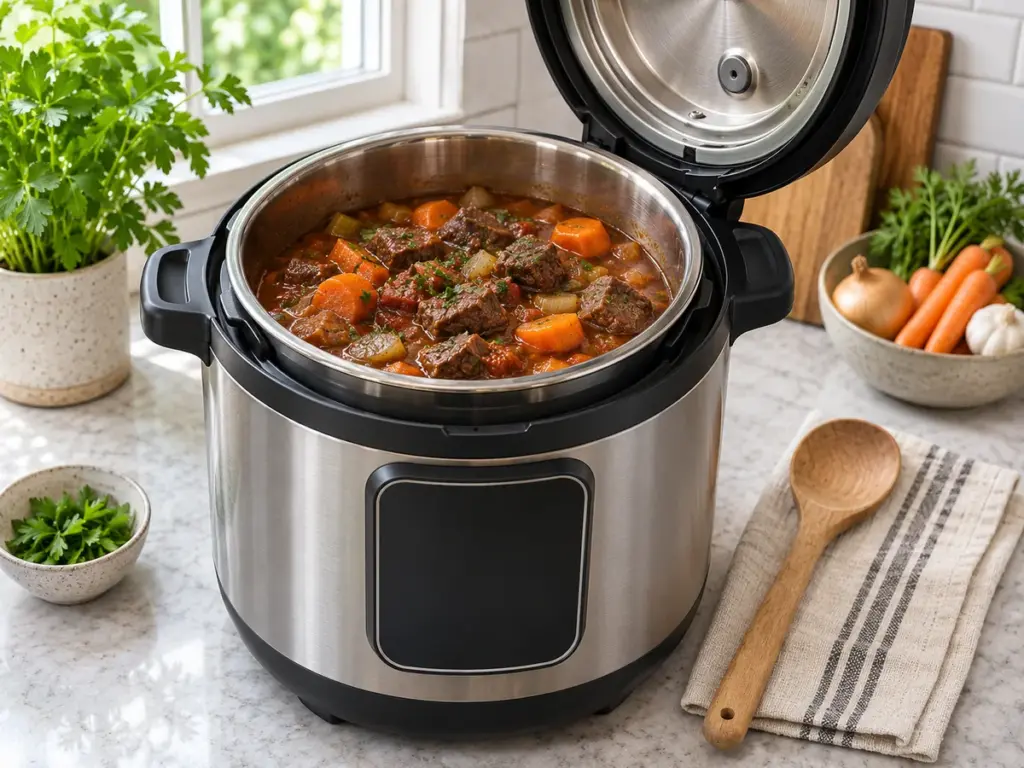
Pressure cooking is not guaranteed. Wikipedia's article treats pressure as an option that only some models support, so check the specs for a pressure setting and its psi range before you buy.
Programs also differ inside one brand. Instant Pot's FAQ says the Duo Crisp has no yogurt setting and cooks only on high pressure, but it adds an air fryer lid for crisping.
3. Does the Lower Pressure Change Cooking Time?
It can. A stovetop cooker reaches 250°F at 15 psi, and an Instant Pot on high holds about 239 to 244°F, so the electric pot runs roughly 6 to 11 degrees cooler. A recipe written for a stovetop cooker can therefore need a few more minutes in a multi-cooker, so start with a recipe written for your type of cooker and test the food for doneness.
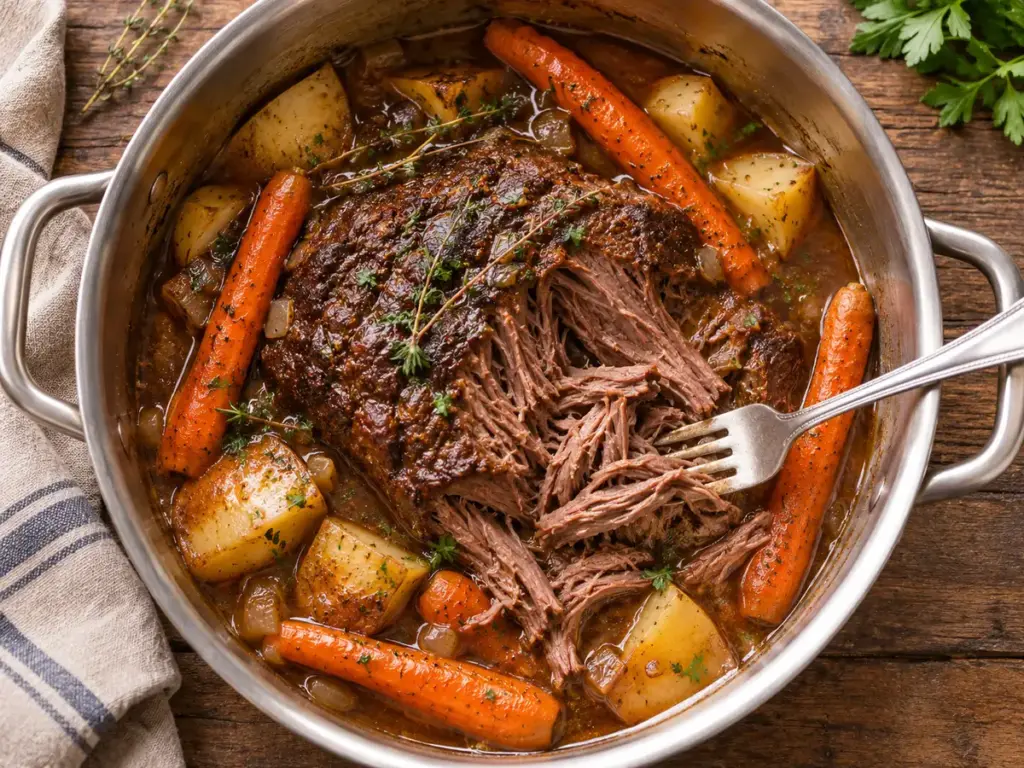
Two other things move the clock in either pot, according to University of Maine Extension. Frozen food takes longer to come up to pressure but keeps the same cooking time, and at or above 2,000 feet you add time because the air is thinner.
4. How Do You Use Each One Safely?
Both pots work only if you follow a few rules, and a stovetop cooker adds one more: you hold the pressure steady with the burner, so you cannot walk away from it. These tips come from university extension guidance:
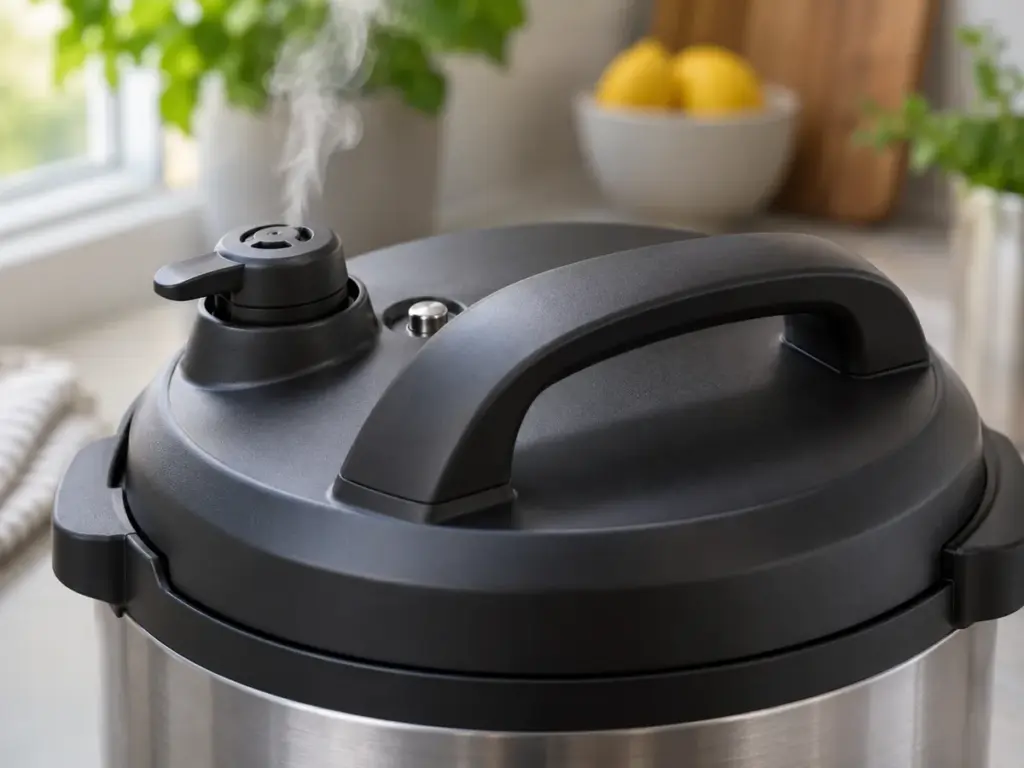
- Fill only to the max line, and no more than halfway for beans and rice, because starchy foods swell as they cook (University of Maine Extension).
- Point the vent away from cabinets and walls before a quick release, since it sends out a large volume of steam (University of Maine Extension).
- Leave the lid alone while it cooks, because the metal parts of an electric cooker's lid get hot (University of Maine Extension).
- Check meat with a thermometer: 165°F for poultry, 145°F for fish and steaks, which Penn State Extension calls the only reliable way to confirm safety.
5. Can You Use Either One for Canning?
No. A pressure cooker cooks dinner, and a canner preserves jars. The National Center for Home Food Preservation (NCHFP) writes its processes for stovetop pressure canners that hold four or more quart jars standing upright.
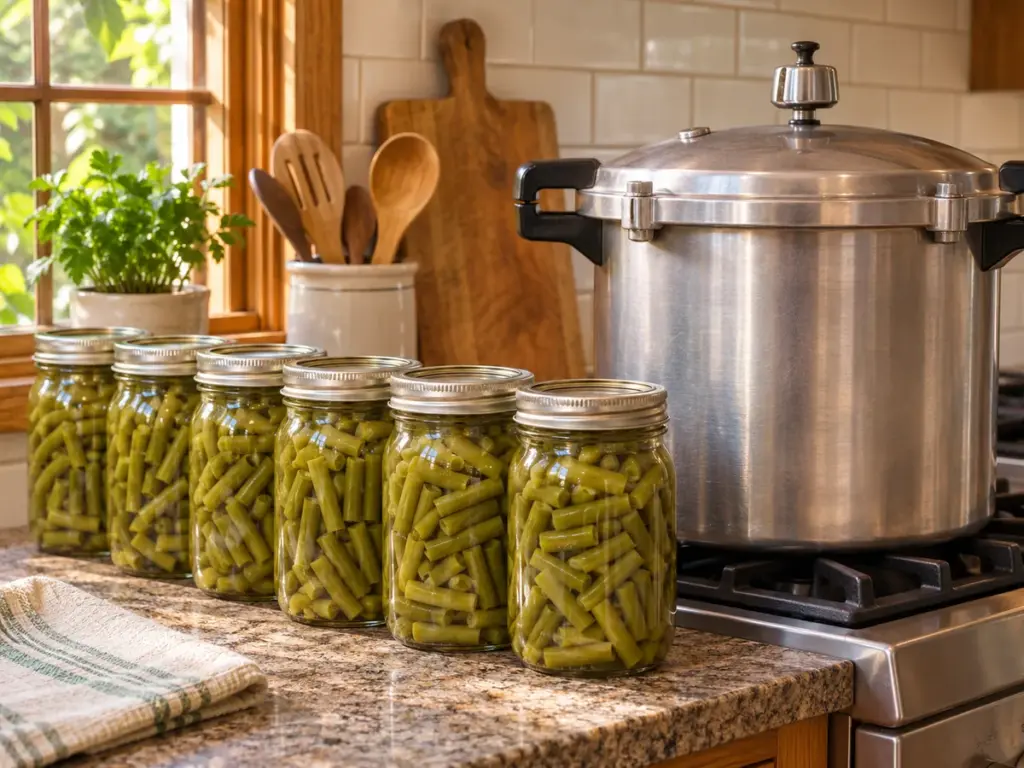
NCHFP says it does not support its canning processes in electric multi-cookers, even ones with a "canning" button, because no USDA thermal process work has been done with jars inside an electric pressure cooker. University of Maine Extension adds that electric cookers do not get hot enough for long enough to replace a stovetop canner.
6. Which Other Appliances Can a Multi-Cooker Replace?
The slow cook mode lets a multi-cooker stand in for a slow cooker, so one pot can cook low and slow or pressure cook the same dish in less time. A model with a rice program can also take over from a rice cooker.
For delicate vegetables and fish, a plain steamer is the gentler tool, because a pressure cooker is built to break down tough foods like dried beans and chuck roast. You can see how the pressure cooker and the steamer divide those jobs on their own page.
7. Which Should You Buy?
- You want the highest pressure, about 15 psi at 250°F.
- You will watch the burner and clock yourself.
- You want one tool for one job, no electronics.
- You want to sauté, then pressure cook in one pot.
- You want to set the time and leave.
- You skip a separate slow cooker.
Neither pot wins for home canning, which needs a stovetop pressure canner, or for steak cooked to an exact doneness. Sous vide holds food in a bag in a water bath at one set temperature, and pressure cooking does not.
If you already want an electric pot, read the spec sheet for a pressure setting and its psi range, then pick a model and brand, such as the Crockpot Express against the Instant Pot. A stovetop cooker needs a burner and your attention, and a multi-cooker needs an outlet.
Sources
- Penn State Extension, Preparing Meals with Pressure Cookers: stovetop pressure (15 psi, 250°F), manual pressure control, thermometer temperatures.
- University of Maine Cooperative Extension, Tips for Cooking With Electric Pressure Cookers: fill limits, steam release, frozen food, altitude, canning.
- Instant Pot, Frequently Asked Questions: working pressure and temperature, Max model, Duo Crisp, multi-cooker functions.
- National Center for Home Food Preservation, Can I Can in a Multi-Cooker?: no tested processes, temperature over pressure.
- National Center for Home Food Preservation, Canning in Electric Multi-Cookers: stovetop canners only, "canning" buttons not supported.
- Wikipedia, Multicooker: what a multicooker is, optional pressure mode, rice and yogurt programs.

Food writer at GustoMeadow. Writes ingredient substitutes, food comparisons, taste guides and storage guides for home cooks.
Storage and food-safety numbers follow USDA, FDA and university extension guidance.



