
Are you confused about the differences between the two Asian cooking staples - Shaoxing wine and mirin?
Are you trying to figure out when it's appropriate to use each one in your dishes, but just aren't sure?
Get excited to finally understand their distinct functions in the kitchen!
Summary of key points
- Shaoxing Wine: It has a more strong, complex flavor with notes of caramel, nuts, and soy sauce. It is often used for its deep, aromatic, and slightly sweet flavor, making it suitable for marinating and braising meats.
- Mirin: This Japanese sweet cooking wine is sweeter than Shaoxing wine and has a lighter flavor with subtle acidity. It is commonly used as a seasoning rather than an alcoholic beverage and is known for its ability to add sweetness and shine to dishes.
- Substitutability: While they are both rice wines, mirin can be substituted for Shaoxing wine in certain dishes, but adjustments may need to be made due to the difference in sweetness and flavor.
- Alcohol Content: Shaoxing wine has a higher alcohol content, making it more akin to dry sherry, whereas Mirin has a lower alcohol content and is often used as a seasoning rather than purely for its alcoholic properties.

What is Shaoxing Wine?

Shaoxing Wine is a traditional Chinese rice wine that has been produced for thousands of years.
It is named after the city of Shaoxing in Zhejiang Province, where it was first created.
It is a popular cooking ingredient, commonly used in Chinese cuisine to add depth and complexity to dishes.
It can be used as a marinade for meat, added to stir-fries or soups, or even used as a base for sauces.
It is also often used in traditional dishes like drunken chicken and hairy crab.
There are different types of Shaoxing Wine available on the market - some are intended for cooking while others are meant for drinking.
The latter is usually more expensive and higher quality than the former.
What is Mirin?

Mirin is a sweet rice wine that is an essential ingredient in Japanese cuisine.
It is widely used as a seasoning, adding flavor and complexity to dishes.
The alcohol content of Mirin ranges from 14% to 20%, making it less potent than Shaoxing wine, which contains around 17% to 20% alcohol by volume.
Mirin comes in two varieties: hon mirin (true mirin) and mirin-fu chomiryo (mirin-like seasoning).
Hon mirin is authentic Mirin, while Mirin-fu chomiryo is a cheaper substitute made with glucose syrup, corn syrup or other sweeteners.
Any dish calling for Mirin must not be confused with sake or Shaoxing wine.
Although they share similar flavors, both Sake and Shaoxing wine contain much more alcohol than Mirin.
Also, Sake has not been intentionally fortified with salt; therefore it tastes much less salty when compared to another type of seasoned cooking sake called Saishikomi.
Shaoxing Wine vs Mirin: Differences in flavor and Usage

Shaoxing wine and mirin are two popular cooking wines used in Asian cuisine.
They differ in terms of their flavor and usage, each having their own distinct characteristics.
Shaoxing wine is a Chinese rice wine made from fermented glutinous rice, wheat yeast, and spring water.
It has a nutty, mellow flavor with a hint of sweetness that pairs well with savory dishes.
Shaoxing wine is commonly used in Chinese cuisine for braising meat and seafood dishes, as it helps to infuse depth and complexity into the dish.
Mirin, on the other hand, is a sweet Japanese cooking wine made from glutinous rice that has been polished to remove the bran.
It has an alcohol content of around 14% and is primarily used in Japanese cuisine for marinades, glazes or sauces.
Due to its sweet taste, mirin can help balance out salty flavors in dishes.
While both Shaoxing wine and mirin can be used as substitutes for one another in some recipes, they do possess different flavors that can alter the outcome of a dish.
It is important to consider which wine is best suited for your recipe based on the desired outcome.
For a look at how stronger fermented beverages compare to lighter options, see barley wine vs beer comparison guide for context on flavor intensity and uses.
1 - flavor
Shaoxing wine and mirin are two key ingredients in traditional Asian cuisine.
Both of these cooking wines add sweetness, acidity, and depth to dishes, but they have distinct differences in flavor - compare extract vs flavor comparison explaining taste sources to see how production creates those contrasts.
Shaoxing wine has a nutty aroma and taste because it is made with a combination of jiafan rice, yeasts, and mold that undergoes fermentation.
The unique fermentation process imparts savory umami notes that can enhance meaty flavors in stews, marinades or sauces.
On the other hand, mirin is made from sweet glutinous rice with added brewers yeast then it undergoes saccharification in a warm and humid room.
It has a mild sweetness similar to sake with a slight acidity that balances the alcohol content.
2 - Culinary Uses
Both Shaoxing wine and Mirin have their own unique characteristics that make them suitable for certain dishes.
Shaoxing wine is widely used in Chinese cuisine as a cooking ingredient that imparts rich flavors to stir-fries, stews and marinades.
It is especially well-suited for braising meats as it can tenderize them while providing deep umami notes.
On the other hand, Mirin is more delicate and sweet which makes it a popular choice for Japanese sauces like teriyaki, ginger dressing or glazing eel or fish.
Both these ingredients are versatile and can be used interchangeably in some ways.
For example, adding a splash of Shaoxing wine in teriyaki sauce instead of mirin will provide it with a deeper flavor.
Similarly, adding mirin to Chinese-style stir-fries will impart an unexpected sweetness to the dish.
The culinary uses of these two ingredients are wide-ranging and can be adapted to suit personal preferences too.
However, understanding the differences between the two can help improve your cooking game by pairing them with the right dishes.
Health Benefits and Nutritional Content of Shaoxing Wine and Mirin
Shaoxing wine and mirin are two condiments commonly used in Asian cuisine.
Both have unique flavors and nutritional benefits.
In this section, we will take a closer look at the health benefits of these two ingredients.
As seen from the table, Shaoxing wine has less sodium and carbohydrates than mirin.
This makes it a better option for those who are looking to reduce their sodium intake or follow a low-carbohydrate diet.
However, mirin contains more sugars than Shaoxing wine.
Shaoxing wine also contains polyphenols, which are antioxidants that help protect against cell damage.
It also helps lower blood pressure, promotes liver health, and reduces inflammation in the body.
Mirin is made from sweet rice, which naturally contains amino acids that help break down proteins in the body.
It also contains iron, which aids in transporting oxygen throughout the body.
Both condiments should be used in moderation as they do contain alcohol or sugar.
However, incorporating them into your diet can provide some health benefits.
For a similar nutritional comparison between two acidic cooking liquids, review white cooking wine vs white wine vinegar side-by-side to understand how acidity and sodium vary.
1 - Shaoxing Wine
Shaoxing Wine is a type of traditional Chinese rice wine that has been produced for over 2000 years.
It is named after the city where it originated - Shaoxing, which is located in the Zhejiang province of China.
The wine is made from fermented glutinous rice and aged for a long period of time to create its distinct taste and aroma.
Aside from being used in cooking, Shaoxing Wine is also known for its health benefits.
It has been shown to improve blood circulation, aid digestion, and help control high blood pressure.
In Chinese cuisine, Shaoxing Wine is a key ingredient in many dishes such as hot-pot, stir-fries, and braised meat dishes.
Its unique flavor adds depth and complexity to these dishes.
If you're interested in trying out this traditional Chinese rice wine, it can be found at specialty Asian grocery stores or online retailers.
Next up on our comparison list is Mirin - a sweet Japanese rice wine that's commonly used in Japanese cuisine.
Unlike Shaoxing Wine, Mirin has a lower alcohol content (around 14%) and is often used as a seasoning rather than an alcoholic beverage.
To contrast Shaoxing Wine's savory depth with more vinegary condiments, see red wine vs red wine vinegar taste differences for how aging and production change flavor profiles.
2 - Mirin
Mirin is a sweet rice wine that has its origins in Japanese cuisine.
It is one of the most commonly used cooking wines in Japanese dishes and is known for its unique sweetness and tanginess.
Unlike Shaoxing Wine, which is traditionally used in Chinese recipes, Mirin has a low alcohol content and is usually added to dishes towards the end of the cooking process.
To understand how Mirin compares to Shaoxing Wine, rice vinegar vs mirin comparison of acidity and sweetness highlights key differences in usage and taste.
In terms of flavor, Mirin has a prominent taste of umami and sweetness, making it a good addition to many Asian dishes.
It also contains natural sugars that help to bring out the flavors of other ingredients in the dish.
Mirin has a distinct light golden color with a slightly syrupy consistency.
It is made from glutinous rice, which gives it its signature texture and aroma.
Also, since it is only lightly fermented, it does not have the same depth of flavor as other types of rice wine.
In terms of usage, Mirin is typically added towards the end of cooking or used as part of marinades or dipping sauces.
Its low alcohol content means that it does not need to be evaporated like Shaoxing Wine and can be used more liberally without affecting the overall flavor of the dish.
Overall, while both Shaoxing Wine and Mirin share certain similarities as rice wines, they have distinct differences in terms of flavor, appearance, and usage.
Depending on what you are looking for in your dish or recipe, either can be a great choice.
How to Substitute Shaoxing Wine and Mirin in Recipes?

Shaoxing Wine and Mirin are popular ingredients in many Asian recipes.
However, if you don't have either of these at hand, there are some substitutes you can use that work just as well.
Here's how to substitute Shaoxing wine and Mirin in your recipes.
When substituting Shaoxing Wine or Mirin in a recipe, it's important to consider the flavor of the dish you're making.
Both of these ingredients bring specific flavors that can be difficult to replicate with a substitute.
For example, if you're using Shaoxing Wine in a marinade, you'll want to go for a substitute that has a similar tangy flavor.
In this case dry sherry would work better than rice vinegar since the latter is more acidic and less sweet.
Another thing to keep in mind when substituting is the quantity.
If a recipe calls for one tablespoon of Mirin or Shaoxing wine, follow this ratio closely when using your substitute.
Don't be tempted to use more or less thinking that it won't matter; changes to ratios could lead to disasters.
In summary, when substituting Shaoxing Wine or Mirin in a recipe:
- Consider the flavor of the dish.
- Choose substitutes that have similar flavors but not exact replacements.
- Follow the ratio given in the recipe.
Next up we'll look at where you can purchase both ingredients online or in-store.
When experimenting with substitutes, consider how sweet fermented options behave; honey wine vs mead substitution notes and flavor impact explains how sweetness and body differ between similar beverages.
Where to Buy Shaoxing Wine and Mirin?
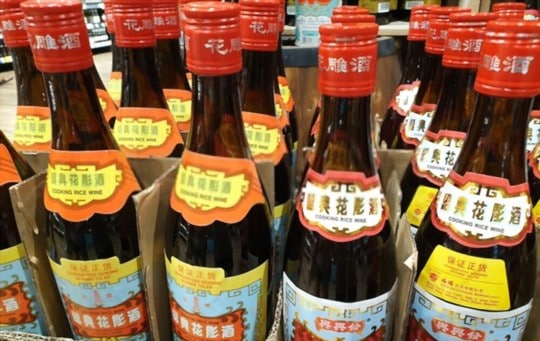
You may wonder where to buy Shaoxing wine and mirin for your next recipe.
Here's a detailed guide on where to find them.
You can easily find Shaoxing wine and mirin at specialty food stores or in the Asian section of most grocery stores.
Brands like Kikkoman and Takara are popular choices for mirin, while Pagoda is a well-known brand for Shaoxing wine.
You may also want to check out online retailers such as Amazon.
Com for easy delivery options.
Don't be afraid to branch out and try different brands when searching for these ingredients.
It's important to note, however, that not all substitutes will match the exact flavor, so be sure to choose according to your recipe needs.
If comparing purchase options for different types of alcohol, brandy vs wine buying differences and storage tips outlines how labeling and shelf life influence choices at retail.
Shaoxing Wine vs Mirin Flavor Profiles
However, there are certain factors to keep in mind before making a decision.
Considering taste, those who prefer sweeter flavours may opt for the tangy and sweet flavour of mirin while those who like nutty undertones with slight sweetness may opt for shaoxing wine.
Shaoxing wine is fermented from glutinous rice for years whereas mirin is made by mixing sake, sugar and rice vinegar.
Therefore, taking into account all these factors discussed above can help in deciding which option works best for different kinds of dishes.
For different takes on red wine and its acidic counterpart, see red wine vs red wine vinegar taste comparison. For a closer look at mirin alternatives, consult aji mirin vs rice vinegar usage differences.
Frequently Asked Questions
Are you confused about the differences between the two Asian cooking staples - Shaoxing wine and mirin? They share some similarities but each has qualities that make it better suited for certain recipes.
In many recipes, yes. Shaoxing Wine and Mirin fill similar roles, though each brings its own character.
Try a small test batch before committing to a full swap.
Availability varies by region. One is usually a standard grocery store item while the other may require a specialty or international market depending on where you live.
Can a beginner tell the difference by taste?
In a side-by-side tasting, yes.
The difference becomes less obvious when mixed into a recipe with other ingredients.
Most people notice the distinction more clearly on its own.