
The closest alternatives to Unagi Sauce are Teriyaki Sauce, BBQ Sauce, Hoisin Sauce, Soy Sauce, and Worcestershire Sauce.
Teriyaki Sauce is the closest match - it has a similar flavor and works at a 1:1 ratio in most recipes.
For cooking, BBQ Sauce also works well - adjust the amount to taste since it may be slightly stronger or milder.
Ever tried making a dish and it turned a bit.meh, because you missed that one key ingredient?
Yeah, we've been there too. It's like wanting to hit play on your favorite jam but your speaker's dead.
Total buzzkill. But here's the whipping up magic in the kitchen doesn't hinge on having that one sauce.
Think of these alternatives as your culinary lifeline - easy, nifty, and might just pinch-hit for the MVP in your next meal.

Flavor Profiles of Unagi Sauce Substitutes
Unagi sauce is a popular Japanese condiment known for its rich, sweet, and savory flavor.
It is commonly used as a glaze for grilled eel (unagi) dishes.
However, if you're looking for substitutes for unagi sauce due to dietary restrictions or unavailability, there are several options to consider.
| Substitute | Key Characteristics | Proper Ratio |
|---|---|---|
| Teriyaki Sauce | Sweet and savory flavor with a hint of umami; versatile and commonly used in Asian cuisine | Use an equal amount of teriyaki sauce as a substitute for unagi sauce |
| BBQ Sauce | Bold and smoky flavor with a touch of sweetness; commonly used as a marinade or glaze | Use an equal amount of BBQ sauce as a substitute for unagi sauce |
| Hoisin Sauce | Thick and fragrant sauce with a sweet and salty taste; commonly used in Chinese cuisine | Use an equal amount of hoisin sauce as a substitute for unagi sauce |
| Soy Sauce | Salty and savory flavor with a deep umami taste; widely used in various Asian dishes | Use half the amount of soy sauce compared to unagi sauce |
| Worcestershire Sauce | Tangy and savory sauce with a complex flavor; commonly used in Western cuisine | Use half the amount of Worcestershire sauce compared to unagi sauce |
Now, let's look into each substitute in more detail:
1. Teriyaki Sauce
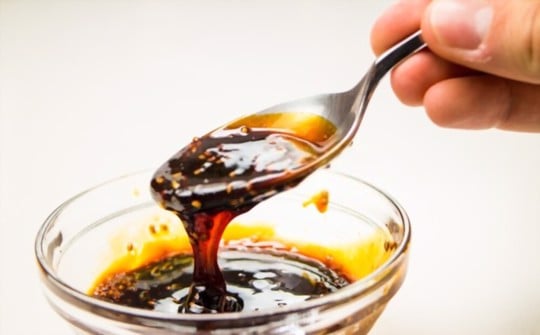
First on our list is teriyaki sauce.
This is a popular Japanese sauce made from soy sauce, mirin, sake, and sugar.
While unagi and teriyaki sauces are similar, teriyaki is slightly sweeter and not as smoky.
In terms of consistency, teriyaki sauce is thinner than unagi sauce and has a more watery texture.
It's also less sticky, making it ideal for use as a marinade or glaze.
Teriyaki sauce has a versatile flavor with chicken, seafood, and vegetables.
It's also a popular ingredient in Japanese cooking, so you'll often find it used in sushi rolls or served as a dipping sauce for tempura.
- Key Characteristics: Teriyaki sauce offers a sweet and savory flavor with a hint of umami. It is a versatile sauce commonly used in Asian cuisine, making it an excellent substitute for unagi sauce.
- Proper Ratio: Use an equal amount of teriyaki sauce as a substitute for unagi sauce. Adjust the sweetness or saltiness based on personal preference and desired taste.
2. BBQ Sauce

The next time you're at the grocery store, take a look at the BBQ sauce aisle.
You'll find a variety of different flavors, all of which can be used as a substitute for unagi sauce.
When choosing a BBQ sauce to use as a substitute, it's important to consider the flavor you're looking for.
If you want something sweet and savory, look for a honey-based BBQ sauce.
For something smoky, go for a sauce that contains chipotle peppers.
And if you're feeling adventurous, you can always make your BBQ sauce at home.
Experiment with different ingredients until you find a flavor combination that you love.
Who knows, you might even come up with a new favorite recipe.
- Key Characteristics: BBQ sauce provides a bold and smoky flavor with a touch of sweetness. While it may differ slightly in taste from unagi sauce, it can still be used as a substitute, particularly when grilling or glazing meat.
- Proper Ratio: Use an equal amount of BBQ sauce as a substitute for unagi sauce. Adjust the flavors by adding a small amount of soy sauce or honey, if desired.
3. Hoisin Sauce

Since its creation, hoisin sauce has become a popular ingredient in many cuisines.
It is commonly used as a dipping sauce, a marinade, or even an ingredient in other sauces.
Hoisin sauce is made from various ingredients, including soybeans, sweet potatoes, wheat flour, sugar, salt, and various spices.
The sauce is typically a dark brown or red and has a thick, sticky consistency.
It is also quite sweet, with healthy soybeans and spices.
Hoisin sauce can be found in most Asian markets and many supermarkets.
There are many ways to use hoisin sauce in cooking.
It is often used as a dipping sauce for dumplings or spring rolls.
It can also be used as a marinade for meats, such as chicken or pork.
Hoisin sauce can also be added to other sauces to add a more complex flavor.
- Key Characteristics: Hoisin sauce is a thick and fragrant sauce with a sweet and salty taste. It is commonly used in Chinese cuisine and can provide a similar depth of flavor to unagi sauce.
- Proper Ratio: Use an equal amount of hoisin sauce as a substitute for unagi sauce. Adjust the sweetness or saltiness according to personal preference.
4. Soy Sauce

One of the most commonly used condiments globally, soy sauce is a staple in many pantries.
But what exactly is soy sauce?
Soy sauce is a fermented liquid made from soybeans, wheat, salt, and water.
It has a salty, umami flavor that can enhance other foods.
Soy sauce is used in many Asian cuisines, including Chinese, Japanese, and Korean.
Soy sauce is a good substitute if you're out of unagi sauce.
It has a similar salty, umami flavor.
Soy sauce is also thinner than unagi sauce, so it may not be ideal for dipping sushi.
But it can be used in dishes that call for unagi sauce, such as stir-fries or marinades.
- Key Characteristics: Soy sauce is a staple in Asian cooking, known for its salty and savory flavor with a deep umami taste. While not exactly the same as unagi sauce, it can still complement dishes requiring a savory element.
- Proper Ratio: Use half the amount of soy sauce compared to unagi sauce. Soy sauce is saltier, so adjust the quantity accordingly. Add a touch of sweetness, such as honey or sugar, to mimic the sweet component of unagi sauce.
5. Worcestershire Sauce
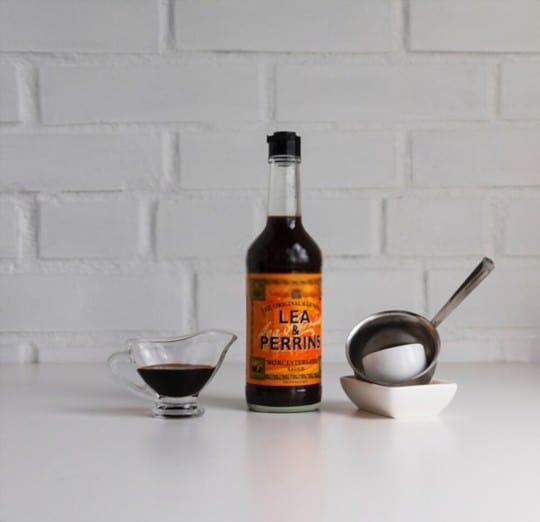
The last on our list of substitutes is Worcestershire sauce.
This sauce is made from various ingredients, including vinegar, tamarind, molasses, sugar, and spices.
It has a complex flavor that is both sweet and sour, with a hint of umami.
Worcestershire sauce can be used to substitute for unagi sauce in many dishes.
It has a similar flavor and can add depth and complexity to a dish.
However, it is important to remember that Worcestershire sauce is much saltier than unagi sauce.
Therefore, you may need to adjust the amount of salt in your recipe accordingly.
Depending on the other ingredients in your dish, Worcestershire sauce can also substitute for soy sauce.
It has a similar umami flavor and can help round out the flavors in a dish.
However, it is important to remember that Worcestershire sauce is much sweeter than soy sauce.
- Key Characteristics: Worcestershire sauce is a tangy and savory sauce with a complex flavor. Although it differs from unagi sauce, it can still contribute to a flavorful dish, particularly in Western cuisine.
- Proper Ratio: Use half the amount of Worcestershire sauce compared to unagi sauce. Worcestershire sauce has a strong taste, so adjust the quantity based on personal preference and the desired level of tanginess.
Frequently Asked Questions
Teriyaki Sauce is the best substitute for Unagi Sauce because it shares a similar flavor and texture. Use it at a 1:1 ratio in any recipe that calls for Unagi Sauce.
Yes, and the results are often hard to tell apart. Teriyaki Sauce is the go-to replacement.
For variety, BBQ Sauce adds its own twist to the dish.
Sometimes. Blending two partial substitutes - one for flavor and one for texture - gets closer to the original.
This works best when neither alone fully replicates what you need.
Not always. Some substitutes are processed or have a strong raw flavor that disappears with heat.
Check whether the original is typically used raw before assuming the substitute will work the same way.