
Cannellini beans are your closest swap for butter beans, and you can start with the same amount of cooked beans.
- Great Northern beans come next, with a mild, nutty flavor and a creamy texture.
- If you buy dried cannellini, you need a 5-hour soak and a 30-minute boil, like kidney beans.
- A drained 15-ounce can gives you about 1½ cups of cooked beans.
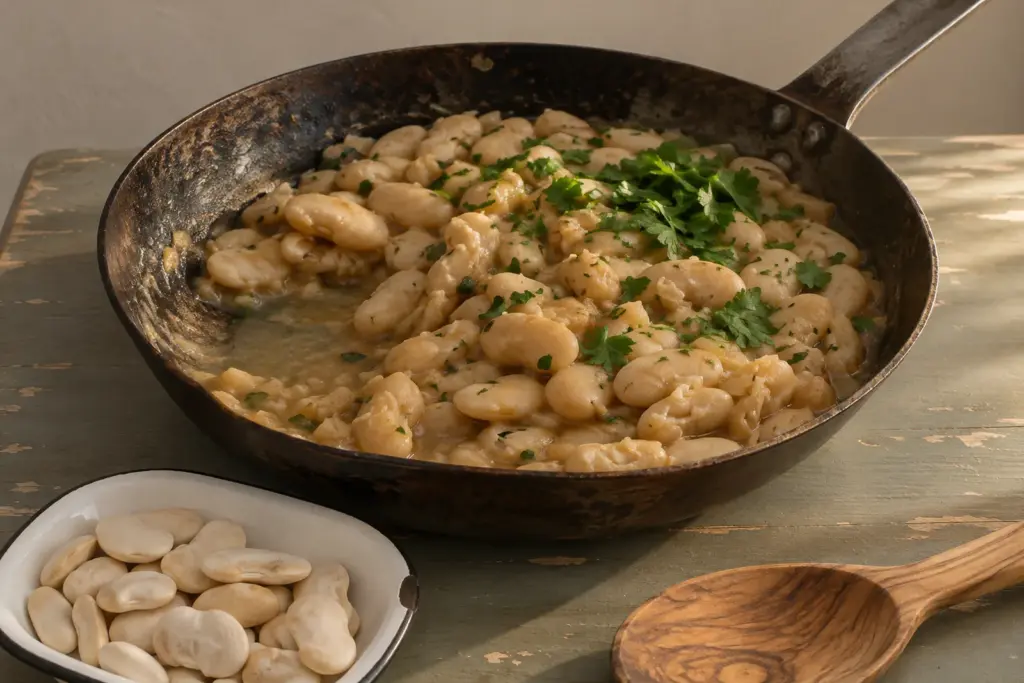
Butter beans are big, pale and soft, so the best swap matches their size and creaminess first. Any pantry swap between dried beans also changes your cooking time, because each bean needs its own soak and simmer time.
What Are Butter Beans, and What Do They Do in a Recipe?
Butter beans are lima beans, the same species (Phaseolus lunatus). An Extension expert answer says the UK and the Southern US call them butter beans and the rest of the world calls them limas, so you can use the swaps below when your recipe calls for lima beans.
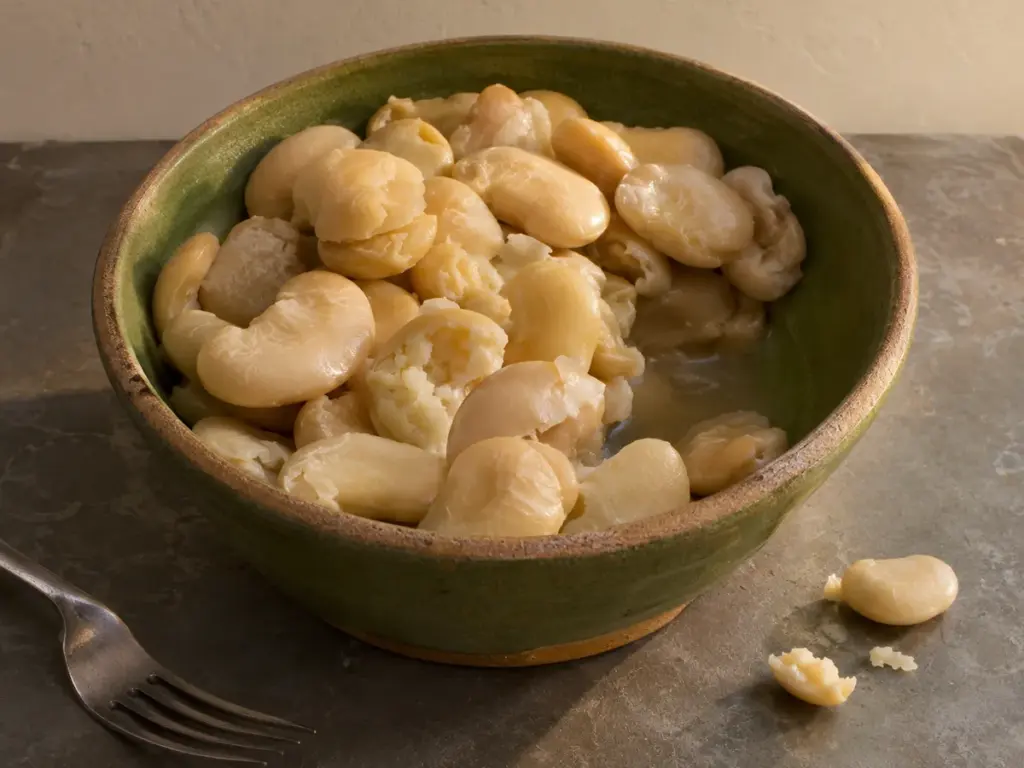
Four traits set butter beans apart, and each one tells you what a swap has to match:
- Butter beans cook up buttery and soft, according to America's Test Kitchen.
- America's Test Kitchen also says their vegetable flavor is stronger than most beans', so a mild white bean gives you a blander pot.
- They are big and flat, so a small round bean changes how your pot looks.
- They take a long simmer: Maine Extension lists large limas at 1 to 1½ hours after soaking.
6 Best Substitutes for Butter Beans
You can swap by the same amount of cooked beans as a starting point, since no source publishes a ratio. The simmer time is what changes from bean to bean: dried butter beans take 1 to 1½ hours after soaking, and each swap runs shorter or longer.
| Substitute | Texture | Simmer |
|---|---|---|
| Cannellini | Tender, creamy | Until tender |
| Great Northern | Creamy, mild | ¾ to 1 hour |
| Navy | Soft, velvety | 1½ to 2 hours |
| Cranberry | Soft, velvety | ¾ to 1 hour |
| Chickpeas | Dense, firm | ½ to 1 hour |
| Fava | Breaks apart | Check the package |
Maine Extension's times follow its own soaking steps, and its quick soak takes only 1 hour, so you still give dried beans the 5-hour soak from the bean safety box below before you count these times.
Maine gives no time for cannellini or fava, and the texture notes come from America's Test Kitchen's bean guide, the Michigan Bean Commission (navy) and Bob's Red Mill (fava).
1. Cannellini Beans
If you want the nearest match, cannellini beans fit best, since America's Test Kitchen describes them as thin-skinned, tender, creamy and nutty, "buttery" to "earthy," and says they hold their shape in soups, stews, casseroles and salads.
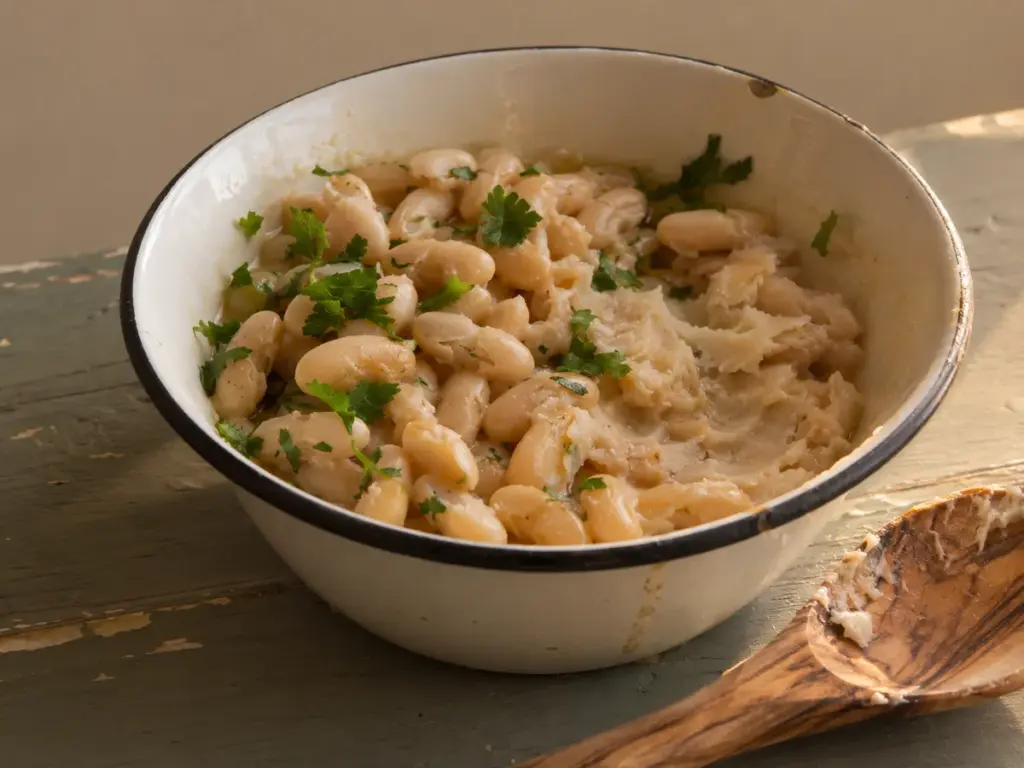
Dried cannellini are white kidney beans, so you soak them and give them the 30-minute boil from the bean safety box below before you cook them until tender. You trade a stronger vegetable taste for a nuttier, earthier one, which is the main difference between butter beans and cannellini beans.
2. Great Northern Beans
America's Test Kitchen lists Great Northern beans as larger than navy beans and less kidney-shaped than cannellini, with a mild, nutty flavor and a creamy texture that turns up in soups, stews, chilis and casseroles.
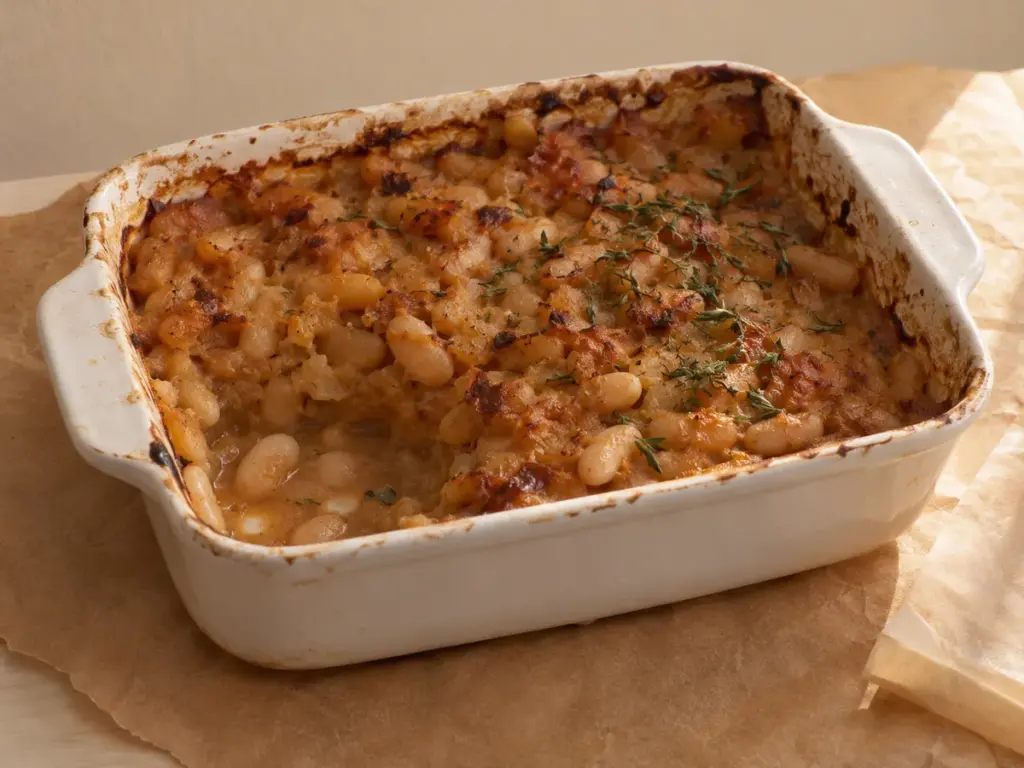
The gap between Great Northern beans and butter beans is mostly size and simmer time, so you check a pot of dried ones earlier than a butter bean recipe tells you to.
3. Navy Beans
Navy beans are small, oval and creamy white, with a neutral, slightly nutty taste and a soft, velvety texture, according to the Michigan Bean Commission, and America's Test Kitchen calls them the smallest of the white beans.
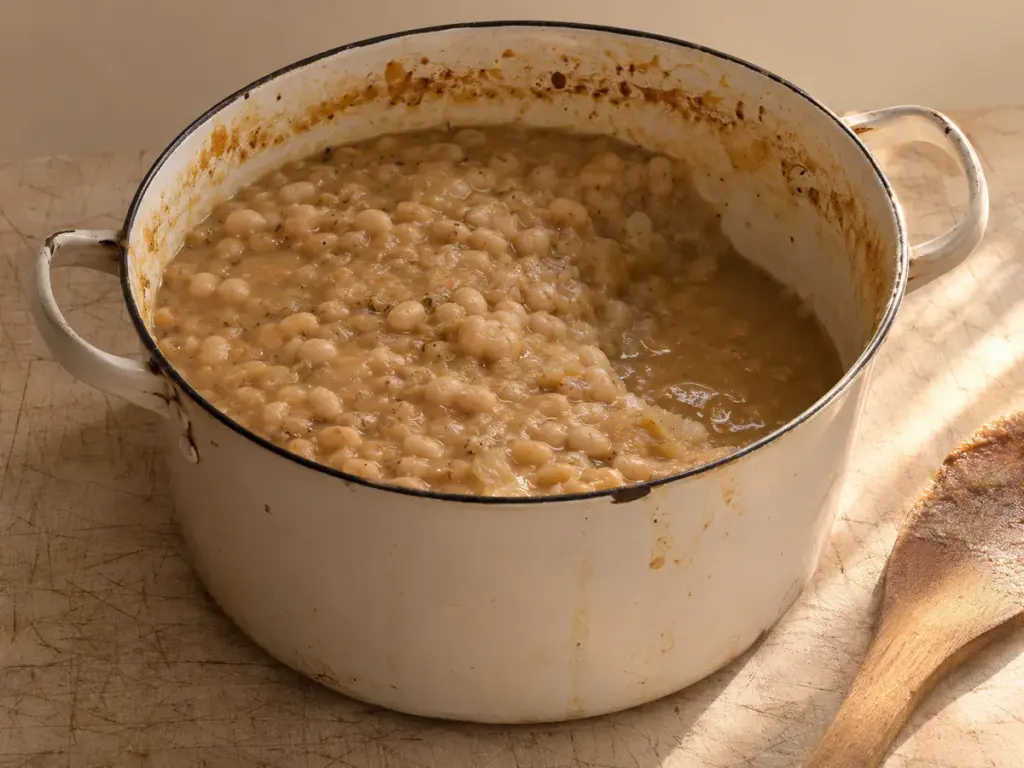
You can use them in pots where the bean is meant to go soft, since America's Test Kitchen names them the traditional bean for Boston baked beans and Senate bean soup.
They simmer longer than large limas in Maine Extension's table, so you start them earlier, and because navy beans are the same species as kidney beans, the bean safety box below applies to them.
4. Cranberry (Borlotti) Beans
Cranberry beans, called borlotti in Italy, make a sweeter, milder pot. America's Test Kitchen calls them thin-skinned, with a flavor some compare to chestnuts and a soft, velvety texture, and names them a classic choice for pasta e fagioli and minestrone.
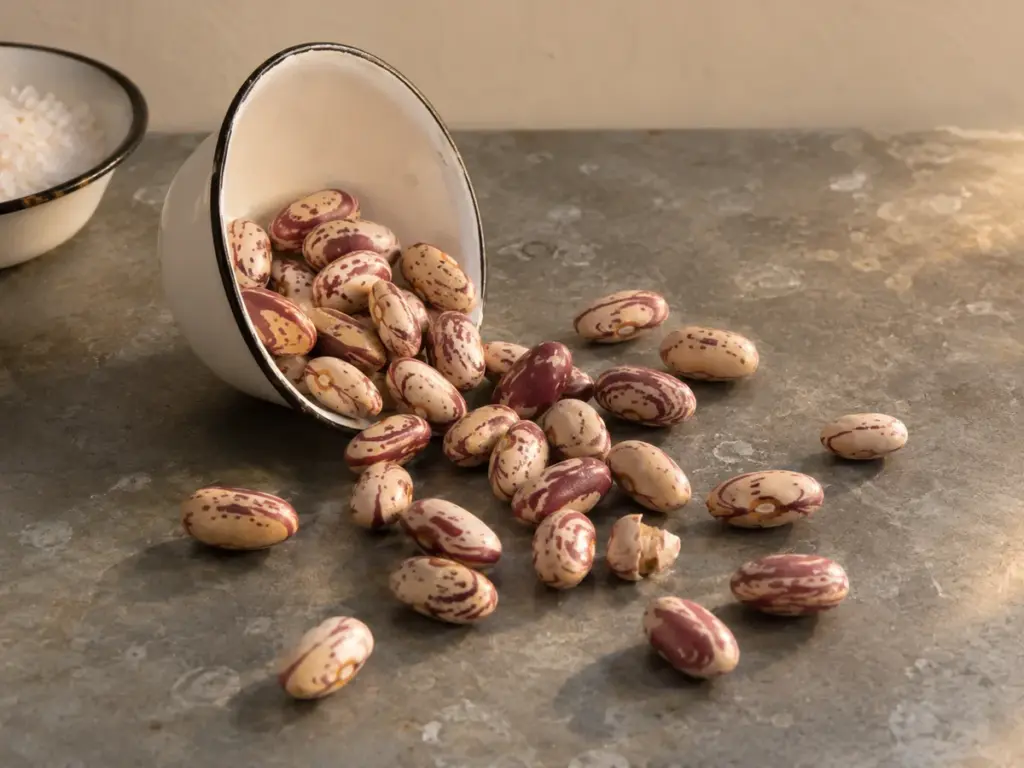
They simmer a little faster than large limas in Maine Extension's table. Because their cream-and-red streaks look nothing like pale butter beans, they fit best in a soup or stew, where you care more about a sweet, mild bean in a rich broth than about the color.
5. Chickpeas
Of the six swaps, chickpeas have the firmest texture, since America's Test Kitchen calls them dense, firm and "meaty" and says they hold their shape but turn creamy when cooked. Their flavor is mildly nutty and earthy, without the stronger vegetable taste of butter beans.
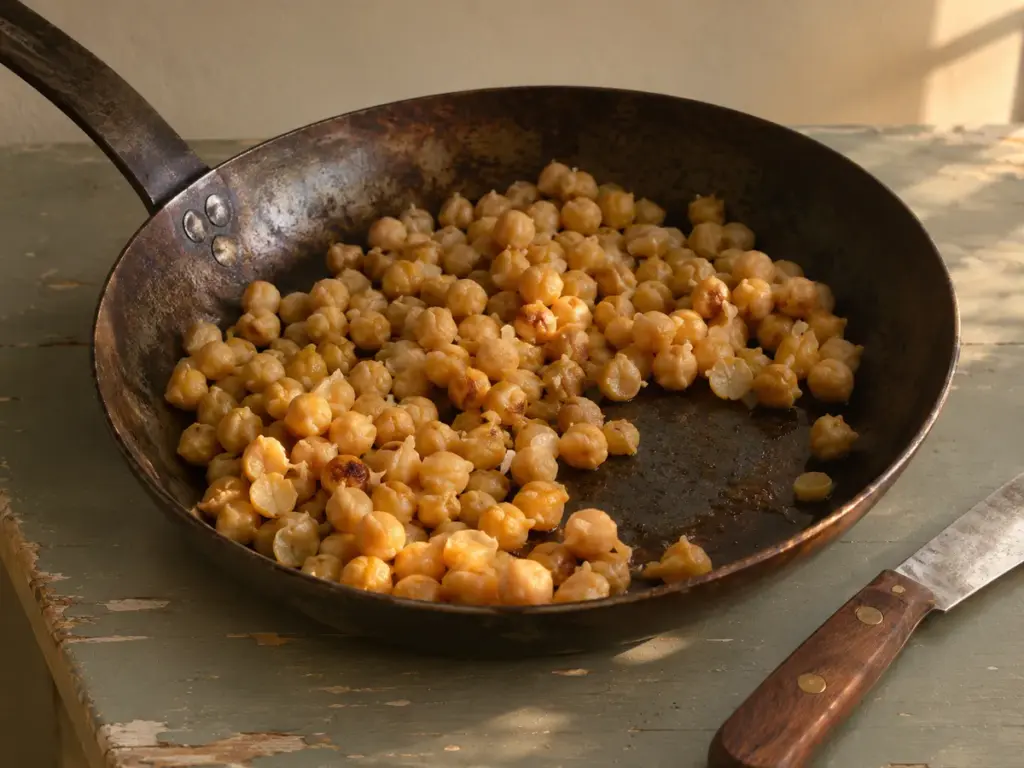
You can use chickpeas where butter beans stay whole in a salad or get mashed, but they are a poor fit where the beans should melt into the broth. A drained can needs neither the soak nor the simmer, and you can mash them into a dip, though white bean hummus and chickpea hummus differ in flavor and thickness.
6. Fava Beans
Bob's Red Mill calls its dried fava beans "light, buttery-flavored beans" and says they come already blanched, so you skip the peeling.
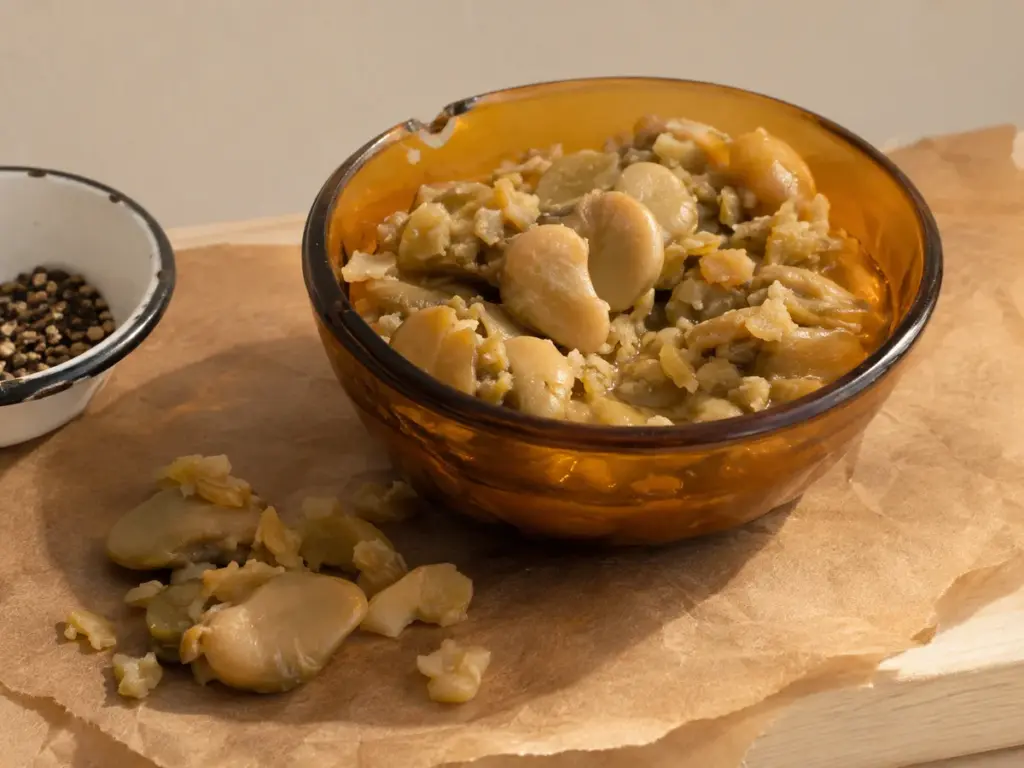
Some brands call for a soak, while Bob's own dried favas skip it and simmer for 40 to 45 minutes, so you go by the directions on your package.
Favas break apart as they cook while chickpeas hold their shape, so your pick between fava beans and chickpeas comes down to whether you want the beans whole.
How Do You Swap Dried, Canned and Cooked Beans?
If your recipe measures dried butter beans, you work from the dry amount: 1 cup of dried beans makes 2 to 3 cups cooked, and 1 pound (about 2 cups) makes about 6 cups, according to Maine Extension and University of Nebraska-Lincoln Extension.
If your recipe lists canned butter beans, drained canned cannellini or Great Northern beans are the nearest stand-ins and are already cooked, so you add them at the end of a soup. If you start from dried, you simmer until a bean mashes easily between your fingers, which is the doneness test the Nebraska Dry Bean Commission gives, and then measure.
Salt or acidic foods such as tomatoes slow the cooking, says Maine Extension, so you add acid only after the beans are tender, as Nebraska Extension advises.
Sources
- University of Maine Extension, How to Store and Cook Dried Beans: simmer times, yields, salt and acid
- University of Nebraska-Lincoln Extension, How to Cook Dry Beans from Scratch: yields, can equivalent, acid
- Nebraska Dry Bean Commission, Cooking: can equivalent, doneness test
- America's Test Kitchen, 25 Types of Dried Beans and How to Use Them: flavor, texture and uses of lima, cannellini, Great Northern, navy, cranberry and chickpeas
- Michigan Bean Commission, Michigan Navy Beans: navy bean size, taste and texture
- Bob's Red Mill, How to Cook Fava Beans: dried fava prep, simmer time, flavor
- Extension Ask an Expert, lima beans and butter beans: same species, regional names
- FDA, Natural Toxins in Food: raw kidney beans, soak and boil
- University of Illinois Extension, Kidney Beans and Slow Cookers: slow cooker temperature, cannellini toxin level
- Cornell World Crops, Bean (common, kidney, etc.): bean species
- MedlinePlus, Glucose-6-phosphate dehydrogenase deficiency: fava beans as a trigger

Food writer at GustoMeadow. Writes ingredient substitutes, food comparisons, taste guides and storage guides for home cooks.
Storage and food-safety numbers follow USDA, FDA and university extension guidance.



