
In the great soup-off between chowder and bisque, we're all winners. These soups bring their A-game to the table, each with a unique texture and history.
Now, I've dabbled in both. Chowder, thick and hearty, often finds its way into my winter meal plan.
On the flip side, bisque, smooth and creamy, feels like a hug in a bowl.
It's not just soup; it's a decision that speaks to our soul.
This debate runs deeper than just taste. It's about experiences, memories around a table, and yes, sometimes a little bit of playful argument.
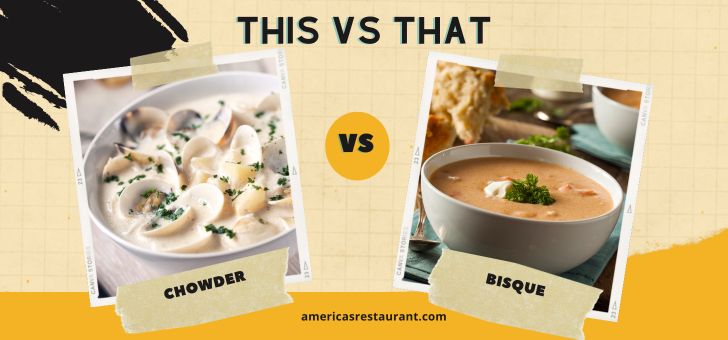
What is Chowder?
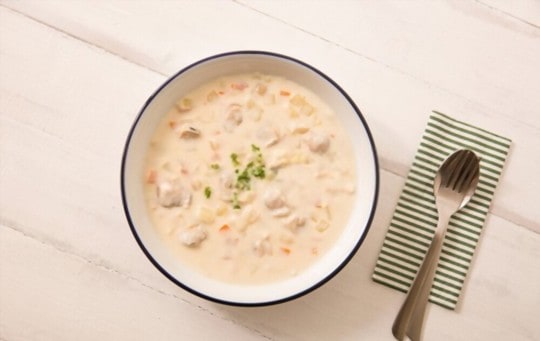
Chowder is a type of thick soup that originated in fishing communities, usually made with cream or milk and potatoes.
It commonly includes seafood such as clams, shrimp, or fish, but can also include vegetables like corn, carrots or celery.
The word "chowder" is believed to have come from the French word "chaudiere," which means cooking pot.
There are several regional variations.
New England Clam Chowder is perhaps the most well-known variation and features a creamy broth with plenty of chunky clam meat and diced potatoes.
Manhattan Clam Chowder features a thinner tomato-based broth with more vegetables than seafood, while Rhode Island Clam Chowder is less creamy and features more clear broth with larger chunks of potatoes.
If finishing a chowder meal with a citrus dessert, what goes well with lemon in desserts? 9 BEST options suggests complementary lemon pairings.
What is Bisque?
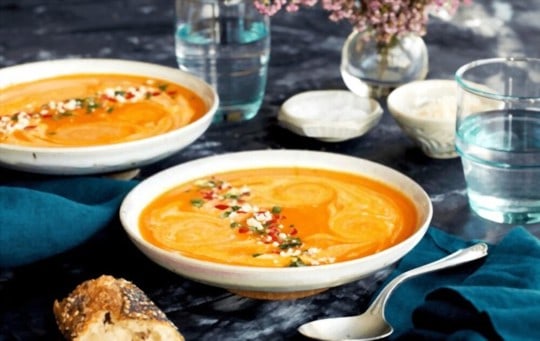
Bisque is a type of soup notable for its rich flavor, creamy texture, and use of seafood or vegetables as your main ingredients.
Unlike chowders that are thickened with flour-based roux, bisques typically use a pureed base of shellfish, fish, or vegetables to achieve its velvety consistency.
This soup's elegant appearance makes it an excellent starter course for formal occasions, but it's also incredibly satisfying when enjoyed on its own.
When making this delicacy, the sweet flavor imparted by crustaceans like lobsters, crab, or shrimp can be bolstered using doable ingredients like tomatoes and sherry wine.
A bisque can also have variations in thickness - some may be thin enough to be sipped while others can hold out a spoon upright.
Many restaurants serve lobster bisque or crab bisque as their house specialties because the seafood's delicate flavor combines perfectly with the soup's creamy goodness.
If you're looking to add some character to your menu or impress your guests at home, bisque is an excellent option.
Whether it's lobster, pumpkin sage, tomato basil vegetable, or any other bisque variation you prefer- one bowl is sure to tempt your palate.
For crunchy or creamy accompaniments to serve with a bisque starter, what to eat with guacamole? try these amazing combos offers ideas that translate to soup-friendly sides.
Differences Between Chowder and Bisque

Chowder and bisque are two popular soups that often get confused - see stew vs soup vs chowder comparison guide for how chowder differs.
Both have their distinct features in terms of texture, ingredients, taste, and preparation method.
The primary difference lies in the way they are thickened.
While chowder is typically thickened with potatoes or flour, bisque is made from a roux of butter and flour and then added to the soup base.
Another important difference between chowder and bisque is the type of seafood used.
Chowder typically contains clams or fish while bisque is mostly made with lobster or shrimp.
In terms of texture, chowder is usually thicker and creamier than bisque.
Although both soups originated from French cuisine, modern-day chowder has evolved into an American dish while bisque remains a classic French specialty.
Ultimately, the choice between chowder and bisque comes down to personal preference and taste.
In summary, understanding the differences between chowder and bisque can help you make an informed decision about which soup to choose depending on their preferences.
Whether you prefer a thick creamy texture or a lighter soup base, both soups offer unique tastes worth exploring.
Ingredients Used
A comparison of the ingredients used in chowder and bisque can help us understand which one is better.
Chowder frequently contains clams, potatoes, onions, and celery in a creamy broth.
On the other hand, bisque is traditionally made from shellfish such as lobster, crab or shrimp that are pureed into a cream-based soup.
In terms of flavor, chowder has a more strong taste profile due to the addition of various seasonings like thyme and bay leaves.
Bisque's flavor tends to highlight the sweetness of seafood rather than relying on additional flavors.
One unique feature in bisque is the use of brandy or sherry in the recipe which adds an extra layer of complexity to the soup's flavors.
Considering all these factors together such as ingredients used and flavor will assist in choosing which option to pursue according to one's preferences.
Texture and Consistency
This aspect distinguishes chowder and bisque.
Chowders have a thicker consistency, while bisques are smoother and creamier.
The difference in texture can stem from the ingredients used and cooking methods employed.
Chowders typically use potatoes and flour as thickeners, resulting in a chunky texture, whereas bisques use pureed shellfish or vegetables in a cream base, leading to a velvety feel.
The consistency of chowders presents a rustic quality that appeals to many individuals.
The thickened broth clings to the vegetables and seafood, providing a satisfyingly dense experience.
The smoothness of bisques allows for an even distribution of flavors throughout the dish without overpowering individual components - for other examples of silky texture, see 13 vegan hummus recipes for creamy texture.
This can make it easier to appreciate details in subtle flavors.
While both types of soups have their strengths, chowder might be better suited for heartier meals or colder climates due to its thickness.
In contrast, bisque could be more appropriate for more elegant occasions where finesse is required.
Ultimately, choosing between chowder and bisque depends on personal preferences and dietary needs.
Cooking Method
The preparation of chowder and bisque can be approached differently.
Chowder involves simmering chunks of seafood or meat in a pot along with vegetables, while bisque is made by pureeing shellfish or vegetables into a velvety consistency.
Both methods have their unique benefits and drawbacks.
Chowders tend to have a filling texture, making them an ideal choice for cold weather.
In comparison, bisques are silky smooth and lighter, making them the preferred option in warmer months.
Chowders traditionally contain potatoes and other starchy vegetables that help thicken the dish, while bisques rely on cream or butter to achieve a similar consistency.
One important consideration when choosing between these two options is allergens.
Bisques may contain gluten due to the flour used to make the roux that thickens it, whereas chowders are usually free of this ingredient.
For differences in using wine versus vinegar in recipes, white cooking wine vs white wine vinegar comparison explains when to choose each.
flavors
The flavors of chowder and bisque differ significantly due to their unique ingredients and preparation methods.
- While chowders typically feature a cream-based broth with chunky vegetables and seafood,.
- bisques show a smoother texture with pureed shellfish.
- The former offers hearty, savory flavors, whereas the latter emphasizes the delicate sweetness of the seafood.
When choosing between the two, it ultimately comes down to personal preference and desired taste experience.
Similarities Between Chowder and Bisque

Chowder and Bisque have several similarities since they are both hearty soups with a creamy base.
One key similarity between the two is that they often incorporate seafood or vegetables as the primary ingredient - for a sense of chowder's flavor, read tasting the tradition: clam chowder taste guide.
Also, both types of soup are served hot and are perfect for a cozy evening meal.
Both chowder and bisque tend to be thicker than traditional soups due to the use of cream and roux in their preparation.
Therefore, whether you choose chowder or bisque will depend on your taste preferences and the ingredients available to you.
Regional Variations of Chowder and Bisque
Distinct characteristics of Chowder and Bisque can vary by region.
Each coastal community has its unique variation, whether it is a filling Maine-style clam chowder or a lighter Manhattan version.
Likewise, the ingredients that make up bisques can change depending on location - see lobster bisque taste guide for regional richness to explore variations.
For example, shrimp bisques in the South may contain more spice than those found in New England.
Also, these distinctions are further extended by cities' cultures as well.
Norfolk-style clam chowder consists of vegetables, clams, and milk rather than cream.
Southerners use okra to thicken their version of gumbo-like soup instead of potatoes, while Californians may incorporate Dungeness crab meat into their chowders.
Ultimately, regional influences create an opportunity for both novice and seasoned food lovers to explore different variations and determine which style suits them best.
This cooking experience allows one to experience distant regions' unique flavors while experiencing delicious variations of chowder and bisque without breaking the bank every time.
When to Choose Chowder and When to Choose Bisque
To make a decision between Chowder and Bisque, you need to keep various factors in mind.
The texture is the most defining feature of both the soups.
In general, chowders have a thick and chunky consistency whereas bisques are creamier and smoother.
It is important to consider personal preferences, dietary restrictions, flavors, and the occasion before selecting one.
When opting for Chowder or Bisque, it's important to consider their ingredients as well.
While both varieties include seafood as the central ingredient, chowders typically come with an assortment of additional vegetables while bisques have pureed shellfish base.
If you prefer creamier preparations enhanced by aromatics like thyme or bay leaves then Bisque would be an excellent choice for you.
On the other hand, if heartiness is what you seek in soup along with crispy crackers or crusty bread then chowders should be your go-to option.
Each type has its unique attributes that contribute towards stirring up our olfactory senses differently.
Any preferences related to specific flavors or smells can play an essential role in deciding which soup suits best according to any given circumstance.
Making such subtle distinctions can help one in picking out their favorite amongst these two famous dishes without regretting later on.
If avoiding eggs affects menu choices, eggless breading: top 5 substitutes outlines replacements useful for breaded seafood served alongside soup.
Pairing Suggestions for Chowder and Bisque
Choosing the right pairings can make all the difference in your meal.
For Chowder, consider pairing it with bacon-wrapped scallops or a side of garlic bread for a delicious combination of flavors.
As for Bisque, serving it with grilled shrimp or a salad topped with roasted nuts and fruits can improve the dish to another level entirely.
To further improve your dining experience, try experimenting with different types of Chowder and Bisque recipes to find the perfect taste combinations.
Think beyond traditional pairings and try matching spicy Chowders with sweet cornbread or rich seafood Bisques with tangy citrus salads.
Ultimately, the pairings for both Chowder and Bisque will depend on individual preferences and palate.
By taking time to explore different combinations and finding what works best for you, you can ensure that every meal is an enjoyable cooking experience.
Comparing Texture and Flavor: Chowder vs Bisque
The decision ultimately depends on personal preference.
However, there are some fundamental differences between the two that make them worth exploring.
Another factor to consider is the type of seafood used in each dish.
Chowders commonly use clams, shrimp, or crab while bisques may incorporate lobster or shrimp.
Ultimately, both chowder and bisque have their unique qualities that make them suitable for different occasions.
Whether you're looking for comfort food or a sophisticated dish for a special occasion, both are delicious options worth trying.
what to serve with clam chowder? 7 best side dishes offers classic pairings. what to serve with corn chowder? 7 best side dishes lists options that work especially well with chowders.
Frequently Asked Questions
A bisque can also have variations in thickness some may be thin enough to be sipped while others can hold out a spoon upright. They share some similarities but each has qualities that make it better suited for certain recipes.
It depends on the dish. Chowder and Bisque share some overlap, but each shines in different preparations.
Swapping works best in forgiving recipes like soups or stews.
Pricing varies by brand and region, but one is typically more accessible at everyday price points. The other may cost more due to specialization or limited supply.
Is there a best time to use each one?
One shines in applications requiring subtlety and background support.
The other is better when it is meant to be a center.
Matching the right one to its role makes a noticeable difference.