
Foie Gras and Pâté stand at the foodie crossroads. It's like choosing between Beatles or Stones, but for your palate.
T4Both have their fan clubs.T5
Foie Gras is the luxe choice. It whispers "fancy dinner".
Pâté? It's your reliable, every gathering MVP.
T4We've all had that moment at a party. Standing there, cracker in hand, debating.
Our votes? Split down the middle.
Some of us lean into Foie Gras' rich, buttery rebellion. Others swear by Pâté's earthy, spreadable charm.
In this corner, we break it down. No fluff.
Just the straight goods on what makes each tick.
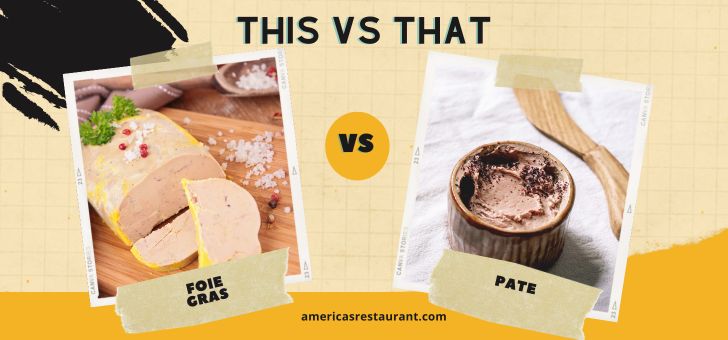
What is Foie Gras?

Foie gras is a delicacy made of the fattened liver of a duck or goose.
It is a French term which literally translates to "fat liver".
The process involves force-feeding the bird with grain through a tube multiple times a day, causing their liver to expand up to 10 times its normal size.
This results in a buttery and rich taste, making it a popular ingredient in high-end restaurants and cuisine worldwide - read a detailed foie gras taste guide to understand its flavor notes.
However, the production process of foie gras has sparked debate among animal welfare activists who consider it cruel and unethical.
What is Pâté?

Pâté, a French term that literally translates to "paste," is a type of meat dish traditionally made by combining ground or chopped meat with herbs, spices, and fat to create a smooth spreadable mixture.
This delicacy can be made from various meats like chicken liver, duck, pork, or beef and may also contain vegetables, fruits, or nuts for added flavors.
Pâté is typically served cold as an appetizer or snack on crackers or toasted bread.
For bright, herb-forward pairings that complement savory spreads, see Mediterranean vegan bowl recipes for inspiration.
For a contrasting sweet finish, citrus desserts can brighten a pâté course - lemon dessert pairing ideas show complementary flavor matches.
Differences Between Foie Gras and Pâté

Foie gras and pâté may seem similar, but they have distinct differences in terms of ingredients and approach.
Foie gras is made by force-feeding duck or goose to engorge the liver, while pâté uses ground meat mixed with other ingredients like herbs, spices, and butter.
Both are rich in flavor but differ significantly in texture.
While some people prefer foie gras due to its rareness and luxuriance, others opt for pâté as it's a versatile option that can be spread on bread or crackers - consider appropriate foie gras side dish ideas when planning a tasting.
Pâté also has variations like terrine and mousse.
Terrine involves cooking the mixture in a loaf pan while mousse contains whipped cream or eggs that make it lighter in texture than traditional pâté.
Despite these variations, pâté is often a more affordable option than foie gras due to its simpler production process.
Ingredients and Preparation
Foie gras and pâté are both delicacies made from the liver of ducks or geese.
While they share some similarities in preparation, their ingredients and methods of production set them apart.
Foie gras is made from the fattened liver of ducks or geese by force-feeding them through a tube inserted into their throat.
Pâté, on the other hand, is made by grinding liver with herbs, spices, eggs and fat before cooking it in a bain-marie.
It ultimately boils down to personal preference.
Foie gras is known for its richness and buttery texture while pâté has a more rustic flavor.
Foie gras can be enjoyed on its own as an appetizer or incorporated into dishes like seared foie gras with fruit compote or foie gras terrine.
Pâté is often served as an hors d'oeuvre on crackers or bread, but can also be used as a sandwich spread or salad topping.
In terms of nutritional content, both foie gras and pâté are high in fat and calories due to their liver content.
However, when consumed in moderation as part of a balanced diet, they can provide essential nutrients like iron and Vitamin A.
Foie gras production has come under scrutiny for its controversial force-feeding process.
While both foie gras and pate have their unique characteristics, deciding which one is better depends entirely on individual taste preferences.
When selecting either delicacy to consume, choose from reputable sources that practice ethical farming methods for best quality.
Texture and Consistency
Foie gras and pâté have distinct textural attributes that set them apart from each other.
Foie gras is smoother, silkier, and less dense in comparison to pâté.
Its texture is light and delicate due to the fat content of the liver.
Whereas pâté has a more solid and coarse texture as it contains extra ingredients such as meats, vegetables, herbs, and spices.
Pâté's denser consistency is a result of its additional components.
Also, The variance in texture affects their consumption methods.
Foie gras is often served chilled and spread on crackers or baguettes due to its smoothness.
In contrast, pâté pairs well with hearty bread or toast for added texture juxtaposition.
However, the mouthfeel preference differs for everyone as some may prefer the subtle softness of foie gras while others may enjoy the taste of chunky pâtés that require longer chewing times.
Ultimately, both foie gras and pâté serve as excellent delicacies for distinctive dining experiences.
For plant-based spread alternatives with a similarly smooth mouthfeel, try vegan hummus recipes for creamy texture.
flavors
Foie gras and Pâté possess unique flavors.
Foie gras, made from the liver of a duck or goose, has a rich, buttery taste with a slightly sweet and nutty undertone.
On the other hand, the flavor of Pâté varies widely depending on the type and ingredients used to make it.
Some may have meaty flavors while others may include ingredients like herbs, garlic, or cognac for added depth.
While both delicacies have their unique taste profiles, Foie Gras takes pride in being one of the most expensive foods worldwide because of its creamy richness and intensity in taste that tickles the senses elegantly.
Whereas Pâté is appreciated for its more diverse range in terms of variety and price points as it can be made out of various meats such as beef, chicken or pork.
Both Foie Gras and Pâté are high in fat content.
However, when eaten in moderation, they can serve as excellent sources of protein for one's body as they are rich in vitamins A and B12.
Therefore, when considering what option to choose between them, it is better to bear this factor under consideration and pick accordingly based on your dietary preferences.
In summary, choosing between Foie Gras vs Pate is simply down to personal preference based on factors such as budget constraints or dietary requirements.
Thus It's best to explore them yourself until you find which one tickles your fancy perfectly.
Culinary Uses
For this reason, it is important to consider the applications of foie gras and pâté.
Both are widely used in the kitchen, but their purposes may differ depending on their form.
Foie gras is often used as a luxurious ingredient due to its rich and buttery texture.
It can be seared to serve as a main dish or even added into sauce recipes to give them a velvety consistency.
On the other hand, pâté can be used in more versatile ways such as a spread for toast, cracker or sandwich filling.
If you are looking for unique flavors to add depth and variety to your dishes, foie gras provides an excellent option with its unique taste and texture.
However, if you're searching for a broader range of applications like sandwiches and appetizers, then pâté is ideal.
Overall, both ingredients have their respective strengths and make great additions to your repertoire of culinary treasures without overshadowing one another's specialities.
Similarities Between Foie Gras and Pâté

Foie Gras and Pâté share certain similarities in taste, preparation, and presentation.
Both are popular French delicacies made from the liver of animals such as ducks, geese, or chicken.
They are often served as a starter or appetizer and have a rich buttery texture with a unique flavor.
Also, these dishes require similar cooking techniques such as marinating, seasoning, and slow-cooking to perfection.
Their luxurious appearance makes them ideal for special occasions and celebrations.
Both Foie Gras and Pâté can be served either hot or cold and have different variations that originate from various regions of France.
One of the significant differences between them is their texture; Foie Gras has a smoother texture due to its method of preparation compared to Pâté which has a coarser texture.
Also, Foie Gras is more expensive than Pâté due to the specific way it is prepared.
Despite their differences, both dishes are highly regarded internationally and loved by many.
Considerations for Making a Choice
When deciding between foie gras and pâté, there are several factors to consider:
- Foie gras is a more refined and luxurious option while pâté is a more rustic and hearty option.
- Foie gras is made from duck or goose liver that has been specially fattened while pâté can be made from various meats blended with fat.
- Foie gras is typically served in smaller portions as an appetizer while pâté can be served in larger portions as a main course or snack.
Ultimately, the choice between these two delicacies depends on personal preference and the occasion - similar factors guide decisions when choosing meat grades like Angus vs Choice beef comparison.
Texture and Flavor: Foie Gras vs Pâté
Comparing foie gras and pâté can be a difficult task as they differ in taste, texture, and nutritional value.
While foie gras is more fatty and considered a luxury food item, pâté offers various options for flavors and textures at a reasonable price.
Both foie gras and pâté have their unique qualities that make them suitable choices in different situations.
While foie gras is perfect for a fancy dinner party or restaurant setting, pâté offers versatility in its preparation which makes it an ideal option for everyday use.
Pate comparisons with other spreads highlight different textures and uses - Pate vs Liverwurst comparison. Chicken liver mousse differences explained breaks down how preparation and texture change the final dish.
Frequently Asked Questions
Both are rich in flavor but differ significantly in texture. They share some similarities but each has qualities that make it better suited for certain recipes.
It depends on the dish. Foie Gras and Pâté share some overlap, but each shines in different preparations.
Swapping works best in forgiving recipes like soups or stews.
Pricing varies by brand and region, but one is typically more accessible at everyday price points. The other may cost more due to specialization or limited supply.
Is there a best time to use each one?
One shines in applications requiring subtlety and background support.
The other is better when it is meant to be a center.
Matching the right one to its role makes a noticeable difference.