
Teriyaki sauce and marinade seem like twins at first glance. Not so fast, though.
These staples in our kitchen have distinct roles. The sauce is often a thick, glossy glaze, perfect for that last-minute zing on your chicken.
Meanwhile, the marinade is where the magic begins, soaking your meat in flavors before it even hits the pan.
It's a face-off between the finishing touch and the flavor-infuser.
Our epic quest? Simple. We unravel this mystery together, spoon by spoon.
Trust me, we've all mixed them up before. Time to clear the air.
When distinguishing concentrated additives and subtle tasteings, a primer helps - extract vs flavor comparison explains how each impacts recipes differently.
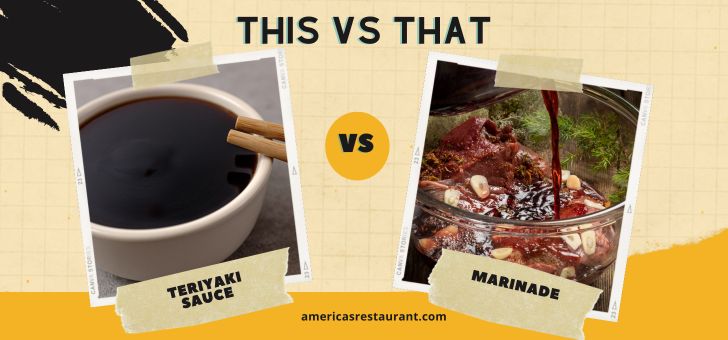
What is Teriyaki Sauce?
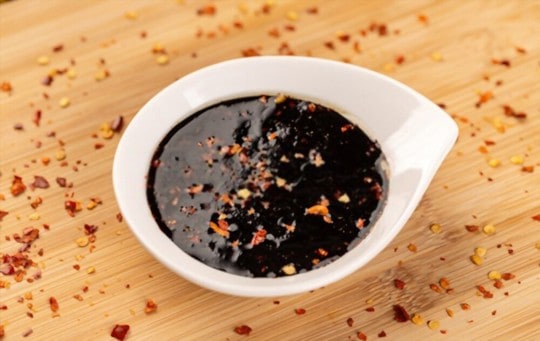
Teriyaki sauce is a sweet and savory condiment that originated in Japan.
Made from a combination of soy sauce, sugar, and mirin, it is commonly used as a marinade or glaze for meat, fish, and vegetables - see teriyaki vs soy sauce comparison for how they differ.
It has a distinct flavor characterized by its umami notes and caramelization.
This flexible sauce can be used in various ways, including as a dipping sauce for sushi or spring rolls or added to stir-fries and noodles dishes.
It can also be used as a base for salad dressings or even drizzled over grilled fruits for a unique twist.
One thing to note about teriyaki sauce is that it's not the same thing as marinade - while marinades are meant to soak into the protein before cooking to add flavor and tenderize, teriyaki sauce is applied towards the end of cooking to impart flavor and create a nice sticky glaze.
With its unique taste and versatility, teriyaki sauce remains an essential ingredient in both Japanese and worldwide cuisine.
What is a Marinade?

A marinade is a sauce that alters the flavor and texture of food by soaking it before cooking.
It is typically made of acid, oil, and herbs or spices.
The acidic component can be vinegar, citrus juice or wine that tenderizes meats by breaking down their proteins while adding flavor.
The oil adheres to the food's surface, locking moisture in and providing an even coating when cooked.
Herbs, spices, salt or sugar contribute to additional flavors improving the dish's taste profile.
Marinating requires time, as it needs hours or overnight to maximize its full potential.
Patience pays off since freshly marinated dishes make for juicy meats with a pop of flavors.
To reap maximum benefits from marinades without overwhelming the original flavor notes of your meat choice, choose seasoning blends proven for specific categories - beef, poultry or fish-specific blends are available in stores or online.
Great chefs know secret techniques that significantly enhance any basic marinade recipe - vacuum sealing the protein with the sauce enhances its absorption levels giving you more flavors.
Differences Between Teriyaki Sauce and Marinade
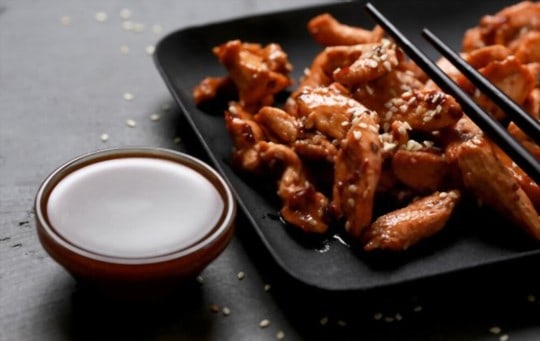
Teriyaki sauce and marinade are both used to enhance flavors in different dishes, but they have significant differences.
Teriyaki sauce is a thick and sweet condiment made of soy sauce and sugar with hints of ginger, garlic, or sesame oil.
Meanwhile, marinades are liquid mixtures containing acidity, oil, herbs and spices, which help tenderize meats.
While teriyaki sauce is usually added towards the end of cooking or drizzled over cooked food as a condiment, marinades are applied long before cooking to allow flavors to seep into the meat.
Also, teriyaki sauce can be used as a substitute for soy sauce in recipes that require it.
Note that marinating too long can break down proteins and negatively impact the texture of the meat while overusing teriyaki sauce can result in an overly sweet taste.
Understanding the differences between these two flavor enhancers will help you choose the best one for your dish without compromising its quality.
For recipes that lean Latin instead of Japanese, comparing chile sauces can help pick the right heat and flavor profile - see red vs green enchilada sauce comparison to decide which suits a dish.
Ingredients Used
The components that are used in both teriyaki sauce and marinade differ significantly.
While teriyaki sauce mostly includes soy sauce, sugar, rice vinegar and ginger, marinade has a wider range of ingredients including acidic items like citric or vinegar-based liquids, oils and herbs, spices etc.
These ingredients function to marinate or infuse meat or vegetables with flavors.
When it comes to the consistency of liquids used in teriyaki sauce and marinade, there is a significant distinction.
Teriyaki sauce is usually more syrupy than a marinade which tends to have a thin consistency because it needs to be easily absorbed by the food item being marinated.
An important factor which differentiates teriyaki from marinades is its purpose: Teriyaki sauces are mainly used as condiments or dipping sauces that highlight the flavor of cooked dishes whereas marinades serve as an important preparatory step before cooking food items to enhance their flavor.
flavor
Teriyaki Sauce and Marinade offer distinct flavors that make Japanese cuisine delicious.
Teriyaki Sauce is a sweet and savory sauce with a syrupy texture, while Marinade is thinner and tangier.
The latter tenderizes the meat, while the former adds a rich umami flavor to it.
Both have soy sauce as their base ingredient, but Teriyaki Sauce often includes sugar or honey, garlic, ginger, and sesame oil, giving it a sweeter profile.
Marinade has more acidic ingredients like vinegar or citrus juice that help break down proteins and allow better absorption of spices.
Although both can be used for grilling or stir-frying, the thicker consistency of Teriyaki Sauce makes it ideal for basting meats before serving them.
Understanding their differences can improve your culinary skills by creating dishes with unique taste combinations.
Purpose and Usage
Teriyaki Sauce and Marinade are commonly used in the cooking world, but their purpose and usage differ.
Understanding their unique properties is important to creating dishes that have the desired flavors.
Here is a look at the differences between Teriyaki sauce and marinades.
- Teriyaki sauce is a thick glaze made from soy sauce, sugar, rice vinegar, ginger, garlic and sometimes honey or pineapple juice. It's used as a finishing sauce after the dish is cooked which helps create a shine on the surface of food like grilled steak or stir-fried vegetables.
- On the other hand, Marinade is a liquid solution made from oil, salt, acid (citrus or vinegar), herbs, and spices. Meat or vegetables are soaked in marination to enhance flavor and tenderize it before cooking. Common marinades include Italian dressings or lemon herb mixtures.
- The flavors of Teriyaki sauce penetrate deep into meats like chicken or pork when used as a marinade for an extended period. But it can also burn quickly on high heat while grilling due to its sugar content generating charred bits which can cause displeasure in the eating experience.
- Contrarily, marinades help prevent meat from burning on high heat because of oils present in them. Along with flavor, it provides an extra layer so that your foods stay moist instead of getting dry while cooking.
- If you want to make Teriyaki sauce at home then 1 part soy sauce mixed with ½ part brown sugar works best for you. For a good marinade, mix olive oil with lemon juice and fresh herbs suitable for your dish accordingly.
It's essential to keep these points in mind when working with either Teriyaki sauce or marinades - using them interchangeably may lead to an undesirable eating experience.
Always use them accordingly to the dish and follow recipes or recommended uses.
Understanding the distinct qualities of these two will use your cooking skills further.
Understanding ingredient roles matters across cuisines; for baking and thickening questions, see plain flour vs all-purpose flour guide to pick the right flour.
Preparation and Cooking Method
Preparation and cooking method are essential factors in achieving culinary wonders.
Correctly executing the process can result in the perfect dish to satisfy your cravings.
Here's a 4-step guide to keep in mind when preparing and cooking teriyaki sauce or marinade:
- Teriyaki Sauce: Combine soy sauce, sake, mirin, brown sugar, ginger, garlic, and honey in a pan. Bring it to a boil while occasionally stirring then reduce heat and let it simmer for 10-15 minutes until it thickens.
- Marinade: Mix soy sauce, vinegar, oil, sugar, salt, pepper along with other additional ingredients you prefer then place the meat or poultry into the mixture inside a resealable bag. Refrigerate for at least an hour before cooking.
- Cooking Teriyaki Sauce: Grill your chicken or any other meat of your choice while occasionally basting teriyaki sauce on it. A minute before taking it off the grill baste once more for added flavor.
- Cooking Marinade: Remove chicken or meat from the marinade and discard leftover liquid. Grill them slowly over low heat while brushing occasional extra-fat sprayed on both sides of each cut.
Teriyaki and marinades are both methods of adding flavor.
However, they differ in terms of how long you soak your protein before cooking.
Teriyaki is about basting protein continually with subtle hints of sweetness while making them tender due to its slow-cooking process.
On the other hand, marinades require at least one hour to tenderize meat and poultry by breaking down tissues through acid content infusion before grilling or searing them to juicy perfection.
Marinade: Mix soy sauce, vinegar (white cooking wine vs white wine vinegar comparison), oil, sugar, salt, pepper along with other additional ingredients you prefer then place the meat or poultry into the mixture inside a resealable bag.
Similarities Between Teriyaki Sauce and Marinade
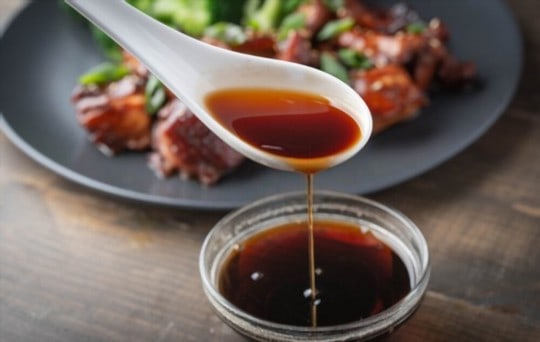
Teriyaki Sauce and Marinade are often used interchangeably in cooking.
They have common features that make them similar to each other.
Both are liquid mixtures of ingredients that add flavors to meat dishes.
They are usually used to tenderize the meat through the marination process before cooking.
Teriyaki Sauce and Marinade also contain a combination of salty, sweet and savory ingredients like soy sauce, honey, sugar, vinegar, garlic, and ginger.
However, while both Teriyaki Sauce and Marinade serve similar purposes in improving the flavor of meats, the primary difference is that a marinade is solely used for tenderizing the meat before cooking it whereas teriyaki sauce serves to add more flavor after cooking.
Ultimately, when deciding between using a marinade or teriyaki sauce on your dish will depend upon whether you want to impart flavor into your meat or tenderize it before cooking.
Comparing similar condiments can clarify subtle differences in texture and heat - prepared horseradish vs horseradish sauce comparison illustrates how like ingredients vary by processing.
How to Use Teriyaki Sauce and Marinade in Cooking?
Teriyaki sauce and marinade are two popular Japanese flavorings used to improve the taste of food.
To cook with these ingredients, it's essential to understand their differences and how to use them effectively.
To use teriyaki sauce and marinade in cooking, follow these six steps:
- Marinade tenderizes the meat: Use marinade to tenderize the meat by soaking it for a few hours or overnight.
- Use a ratio of 1:1:1: The basic mix is one part soy sauce, one part sake, and one part mirin.
- Add sugar or honey as per your taste: Adjust sweetness with sugar or honey or you can also use pineapple juice.
- Cook after patting dry: If using the marinade for grilling, first pat dry the meat to remove excess moisture. Coat it well before starting on a grill.
- Add cooked sauce if required - For dishes like stir-fry and sautés, add the (unused) marinade to frying pan along with vegetables/meat and give 15 seconds quick boil.
- Use teriyaki straight away - Use it straightway as there is no need for marination here.
Teriyaki sauce is primarily used as a finishing touch on grilled or roasted foods rather than marinating beforehand.
The thicker consistency of teriyaki sauce helps it stick better on top of food while giving a visually appealing glossiness.
For sticky, sweet glazes that differ from soy-based salty finishes, see hoisin sauce vs soy sauce comparison to understand how each plays in Asian cooking.
Where to Buy Teriyaki Sauce and Marinade?
There are various options available.
Here are some suggestions for where to buy them:
- Visit the Asian grocery stores as they have a wide range of Japanese sauces, including Teriyaki sauce and marinade.
- Check out online retailers that specialize in Japanese cuisine. They offer many options and convenient delivery services.
- Major supermarkets and grocery stores have some Teriyaki sauce and marinade options in their international aisle, so it's worth checking there too.
- Explore specialized gourmet food stores or organic suppliers as they offer unique Teriyaki sauces and organic marinades.
- If you prefer to make your marinade, look for specific ingredients like soy sauce, mirin, sake, ginger, garlic, honey or sugar in your local supermarket or health food store.
- You can find a vast range of ready-to-cook Teriyaki sauce and marinade options on Amazon or other online shopping platforms.
It's essential to note that the selection and availability of products may vary by location.
Before buying them from any source, ensure to check the expiry date, price range deal packs etc.
When shopping pantry staples, knowing product roles helps; for tomato-based liquids versus sauces, consult tomato juice vs tomato sauce differences before stocking up.
When to Use Teriyaki Sauce or Marinade
The difference between teriyaki sauce and marinade lies in their composition and usage.
While teriyaki sauce is a sweet and savory sauce used to glaze meats, vegetables or tofu, a marinade is a liquid mixture of ingredients such as oil, vinegar, spices, herbs used for flavoring meat before cooking.
Teriyaki sauce is relatively thicker than marinade and requires less time to prepare the food as it is applied towards the end of cooking process.
In contrast, marinating requires prior planning as it needs to sit on the meat for at least 30 minutes to allow the flavors to penetrate.
Understanding these differences can help improve your culinary skills and take your dishes to the next level.
duck sauce vs plum sauce comparison outlines how similar-sounding condiments differ in sweetness and texture. adobo sauce vs seasoning comparison explains when to use the paste versus the dry spice mix.
Frequently Asked Questions
These staples in our kitchen have distinct roles. They share some similarities but each has qualities that make it better suited for certain recipes.
In many recipes, yes. Teriyaki Sauce and Marinade fill similar roles, though each brings its own character.
Try a small test batch before committing to a full swap.
Availability varies by region. One is usually a standard grocery store item while the other may require a specialty or international market depending on where you live.
Can a beginner tell the difference by taste?
In a side-by-side tasting, yes.
The difference becomes less obvious when mixed into a recipe with other ingredients.
Most people notice the distinction more clearly on its own.