
Alright, folks, here's the scoop. Mixed Spice and Allspice are not a dynamic duo from a 90s band.
They're spices, you know, the kind that sneak into your pumpkin pie and holiday ham.
Now, we get it. It's a jungle out there in the spice aisle.
Mixed Spice is this cozy blanket of cinnamon, nutmeg, and friends. T4Allspice
? It's a one-ingredient wonder, pretending to be many.
We've been there, mixing them up, wondering why our cookies tasted funky. Trust, it's an easy mix-up.
Now, we're here to clear the air, with a few laughs along the way.
What is Mixed Spice?

Mixed spice is a blend of several spices commonly used in sweet dishes - a naming detail echoed in a cocktail vs mixed drink comparison that clarifies similar terminology.
It has warm, sweet and earthy flavors.
Some common ingredients are cinnamon, nutmeg, allspice, ginger and cloves.
Mixing these spices creates a delicious taste that brings flavor to baked goods like cakes, bread, and biscuits.
Another important point to note is that mixed spice typically contains no salt or sugar but can be found pre-mixed in grocery stores.
When cooking with it at home, it's highly recommended to buy whole spices rather than ready-made mixes if possible as this will ensure the freshest and best-tasting results in your cuisine without any added preservatives or stabilizers.
Overall, mixed spice offers wonderful depth of flavor and complexity that can improve many recipes beyond their ordinary levels.
You can use it differently when cooking such as adding a pinch to hot drinks or using it for spicing your meat dishes to improve the dish's richness and aroma naturally.
What is Allspice?
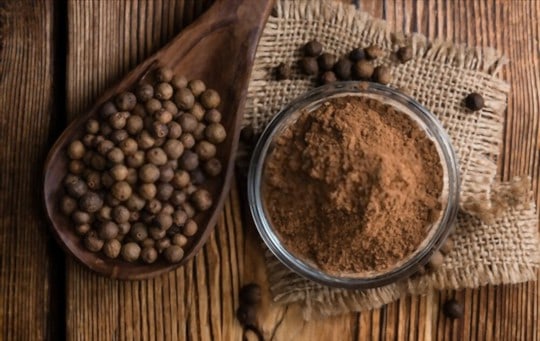
Allspice is a dried fruit from the evergreen Pimenta dioica tree.
The fruit looks like small brown berries, containing one or two black seeds with an aroma reminiscent of cloves, cinnamon, and nutmeg.
Allspice gets its name because it tastes like a blend of cinnamon, cloves, ginger, and nutmeg or mixed spice.
It is mostly grown in Jamaica; however, it is also found in regions of Mexico and Central America.
Allspice is popular for its warm and sweet flavour which makes it an essential ingredient in many dishes.
Jamaican cooking uses allspice in meat marinades, curries, beef patties and Jerk seasoning.
Besides culinary purposes, allspice has other uses for medicinal purposes as well since the fruit contains essential oils that have antiseptic properties.
Allspice Oil extracted from the fruit contributes to digestion relief and commonly used to soothe muscle pain sprain etc.
In addition to cooking applications and medicinal properties mentioned above Allspice oil offers therapeutic benefits targeted at treating several ailments such as arthritis pain management diabetic condition due to specific bitter compounds present in Allspices oil contribution towards insulin sensitivity improvement by improving circulation throughout the body.
Thus consumption of this precious spice comes with numerous health benefits along with its delicious culinary applications into your kitchen cabinets.
Allspice's warm profile pairs well with many dessert flavors; a what goes well with lemon in desserts piece shows flavor pairings that include similarly compatible spices.
Differences Between Mixed Spice and Allspice
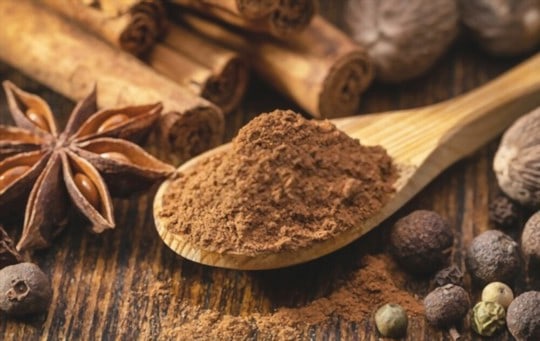
Mixed spice and allspice are two different ingredients that may seem alike to some people.
While mixed spice is a blend of cinnamon, nutmeg, allspice, mace, cloves, and ginger, allspice is a single spice made from dried unripe berries of the Pimenta dioica tree - a contrast similar to a five spice vs allspice comparison that highlights blend-versus-single-spice differences.
Ingredients Used
Various ingredients are used to create unique and exotic flavors in different cuisines.
The ingredients used in mixed spice and allspice are often confused due to their similar names.
However, they are quite distinct from each other in terms of taste, aroma, and usage.
Mixed spice is a blend of several warm spices such as cinnamon, nutmeg, ginger, cloves, and allspice powder.
It is commonly used in British cuisine to flavor cakes, puddings, fruit pies, and biscuits.
On the other hand, allspice is not a blend but a single spice that tastes like a mixture of several spices including clove, nutmeg and cinnamon.
Allspice is primarily used in Caribbean dishes and Jamaican jerk seasoning.
While mixed spice adds a unique sweet and spicy flavor to baked goods with its complex blend of different spices; allspice imparts a warm and earthy flavor with hints of clove that pairs well with meats such as pork or beef.
Flavor and Aroma
The alluring flavor and aroma of spices can make or break any dish.
Both mixed spice and allspice add warmth and depth to recipes, but what sets them apart? Extract vs flavor comparison explains how concentrated extracts differ from whole-spice profiles in aroma and taste.
Its profile is mild yet sweet, with a warm aroma from the cinnamon.
On the other hand, allspice is derived from the dried berries of the Pimenta dioica tree and has a more complex flavor that resembles a combination of cinnamon, nutmeg, and cloves.
It also adds peppery undertones to dishes.
They each have their strengths.
Mixed spice adds subtle sweetness to cakes and pies without overpowering other flavors.
It works well in savory dishes like stews or curries too.
Allspice's stronger flavor pairs well with gingerbread cookies or anything that benefits from its warm kick.
It's essential to keep in mind that the difference between mixed spice and allspice can affect how your recipe turns out.
Be mindful when substituting one for another as it could drastically alter the taste of your dish.
Opt for mixed spice if you want something milder but subtle or go for allspice if you're looking for strong flavors in your dishes.
Culinary Uses
Spices play an essential role in culinary arts.
They could transform a dish from modest to impressive instantly; so that they are integral in creating authentic and unique flavors.
Spice blends such as mixed spice and allspice are versatile enough for various recipes.
Mixed spice is a blend of spices that originated in the UK.
It is composed of cinnamon, nutmeg, cloves, allspice, and ginger.
Generally used in desserts such as cakes, pies or puddings.
In contrast, Allspice is not a blend but refers to the dried fruit of Pimenta Dioica plant locally found in the Caribbean.
It has a flavor similar to cinnamon-clove-nutmeg combo.
It is often used for savories like meat dishes, and vegetables.
While both spices contain similar ingredients; Mixed spices contain more cinnamon while allspice carries earthy flavors making them unique from each other.
They differ in application depending on where they originate hence having separate identities with contrasting nuances.
Spices provide diversity in flavors that separates ethnicity through taste segmentation; it is essential to discover which flavor best meets our cooking projects.
Similarities Between Mixed Spice and Allspice

Both Mixed Spice and Allspice are popularly used in baking and cooking - a usage overlap also explored in a pimento seeds vs allspice comparison that looks at related ingredients.
Both resemble each other regarding their appearance, texture, aroma, and flavors.
Both belong to similar infraorders of plants; hence they originate from the same botanical family.
Both spices are widely used globally, especially in European and Caribbean cuisines.
However, despite their similarities, there is a notable difference between these two spices that needs attention.
Mixed spice is a blend of common spices like cinnamon, nutmeg, allspice, mace, cloves, and ginger while Allspice is a dried berry from Pimenta Dioica plant with a flavor resembling cinnamon, clove and nutmeg put together.
Finally, both spices have unique flavors suitable for different dishes that need accentuation.
While Mixed Spice excels in baked goods like cakes and pies or savory dishes like meatballs or stews.
On the other hand, Allspice shines on hearty savory dishes like jerk chicken or soups plus some sweet treats like pumpkin pie or spiced cocoa drinks.
Can Mixed Spice be Used as a Substitute for Allspice, and Vice Versa?
Mixed Spice and Allspice both have a distinct flavor and aroma, but they are not the same.
While Mixed Spice is a blend of sweetly fragrant spices like cinnamon, nutmeg, allspice, mace, and cloves, Allspice is a single spice derived from the dried berries of the Pimenta dioica tree.
They cannot be used interchangeably; however, in some cases, Mixed Spice can be used as a substitute for Allspice - similar swap guidance appears in an allspice vs nutmeg comparison that outlines substitution considerations.
The amount of substitution depends on the recipe and the desired outcome.
When using Mixed Spice instead of Allspice or vice versa, it is essential to recognize that you cannot expect to achieve precisely the same taste as intended by the original recipe.
Substituting one spice for another changes flavor and aroma profiles in baked goods and desserts.
Mixed Spice works well in fruit-based cakes and winter dishes like apple pies or pumpkin muffins.
On the other hand, Allspice's unique bittersweet and warm aroma makes it ideal for savory dishes such as meat stews or soups.
Both these spices have a unique taste profile that gives your dish its signature flavor.
Substitute one for another only if you can't find one or neither ruin your dish's flavors; otherwise, head out to buy some spice.
Where to Buy Mixed Spice and Allspice?
Here are the places where you can purchase these spices:
- Local Grocery Stores - Major supermarkets carry both mixed spice and allspice.
- Speciality Food stores - If you prefer high-quality and unique blends, speciality food stores will have them in their inventory.
- Online Retailers - You can buy mixed spice and allspice from different online retailers such as Amazon, Walmart, Penzeys Spices, etc.
- Farmers' markets - Farmers' markets often offer locally sourced ingredients and homemade blends that are hard to find in other places.
- International food markets- Try international or ethnic grocery stores for harder-to-find varieties like Jamaican allspice.
- Dried & preserved food vendors- Look out for spice merchants selling various blends of dried and preserved herbs and spices at fairs or cultural festivals near you.
In addition to being a staple ingredient in Christmas cakes, mulled wine, cookies and pies recipes mixed-spice has a unique flavor by combining cinnamon with sweet warming spices including coriander seed, nutmeg ginger.
Meanwhile allspice is a single berry originating from Jamaica.
It gets its name from the fact that when ground it smells like cloves, cinnamon, and nutmeg combined.
This makes it perfect for improving savory dishes like stews and meaty curries.
If a specific blend isn't available, alternatives exist; a Chinese five spice substitutes list demonstrates swap options and sourcing tips that apply to other spice blends.
Spice Blend Differences: Mixed Spice vs Allspice
Both mixed spice and allspice share a common name, but they are not the same.
While mixed spice is a blend of various spices commonly used in British cuisine, allspice is derived from the dried berries of a tree native to Jamaica.
They differ in terms of flavor, aroma, and usage in cooking.
It's essential to understand the differences between these two spices to use them effectively in your cooking.
Whether you're looking for warm and sweet flavors or something more pungent and peppery, choose the right spice for the recipe to achieve optimal results.
Frequently Asked Questions
Differences Between Mixed Spice and Allspice Mixed spice and allspice are two different ingredients that may seem alike to some people. They share some similarities but each has qualities that make it better suited for certain recipes.
Sometimes. Mixed Spice works where Allspice is called for in certain dishes, but not all.
Check whether the recipe relies on a specific quality before substituting.
Cold preparations like salads and dressings often favor the option with a sharper, more defined flavor. Heat can mellow both, so the distinction matters more in uncooked dishes.
Do professional cooks prefer one over the other?
Professional preference depends heavily on the dish and cuisine style.
Each has its context where it outperforms the other, so most experienced cooks keep both on hand.
Fall Delight: what pumpkin spice latte tastes like explores the seasonal spice profile. apple pie spice substitutes guide lists practical swaps for baking when a specific blend is missing.