
We did too.
First off, they're both flatfish. Big shocker, right?
You find them chilling at the bottom of the ocean, trying not to be noticed.
Here's where it gets interesting, though.
Sanddabs have this quirky habit of only showing their left side. Talk about having a good side for photos!
Flounder, on the other hand, are more flexible. They can flaunt either side.
We once had a dinner party mix-up with these two. Expected flounder, got sanddabs.
The guests couldn't tell. Ended up being a hit!
Bottom line: they might look similar, but they're distinct in their own right. Both delicious, if you ask us.
What are Sand Dabs?

Sand dabs are a flatfish species that inhabit the Pacific Ocean.
They are small in size, reaching around 8-10 inches in length and are often caught for commercial and recreational purposes.
These fish have a greyish-brown colored mottled skin that blends in with the sandy ocean floor where they reside.
Sand dabs have long anal fins and tapered bodies with both eyes on their right side, making them a right-eyed flounder.
In terms of taste, sand dabs have a delicate, sweet flavor and soft texture which makes them popular among seafood enthusiasts - compare similar coastal notes with what sand fleas taste like for coastal flavor context.
They can be cooked in a variety of ways such as pan-frying, broiling, or baking to bring out their unique flavor.
Sand dabs are commonly compared to flounder due to their similarity in appearance and taste but there are some differences between the two species.
Compared to flounder, sand dabs have smaller mouths and scales that are less visible.
Also, unlike flounder who can grow up to three feet in length, sand dabs have a much smaller maximum size.
Overall, if you're looking for a tasty and unique fish experience then sand dabs may be just what you need.
With their distinctive appearance and flavor, they make an excellent addition to any meal.
What is Flounder?
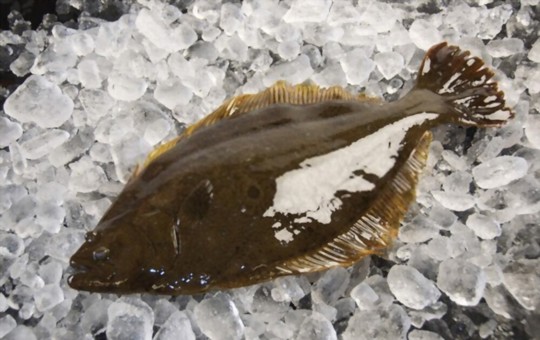
The flatfish Flounder is a species that inhabits both saltwater and freshwater habitats.
It is known for its unique body shape, which flattens sideways and resembles an oval.
The upper side of the fish can be olive green or dark brown, while its underside takes on a lighter color.
Flounders are often caught commercially and used in various cuisines worldwide due to their mild flavor and firm texture.
They are often prepared into fillets or used in dishes such as fish tacos.
Interestingly, flounders have two distinctly different sides - one with eyes and another without.
As a result, they swim sideways along the bottom of the ocean floor to avoid detection from predators lurking above.
Citrus is a classic match for flounder; for ideas that explore lemon's compatibility across dishes, lemon dessert pairings and flavor ideas highlights bright complements that also translate to savory plates.
Physical Characteristics and Appearance of Sanddabs and Flounder
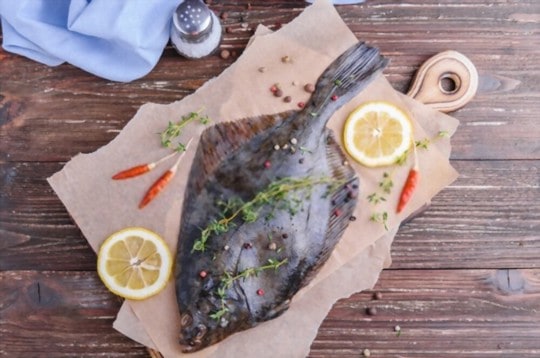
Sand dabs and flounder are both flatfish commonly found in North American waters.
These fish share similarities in their physical characteristics and appearance, but also have distinct differences that set them apart - see turbot vs flounder comparison for size and shape.
Sand dabs are typically smaller than flounder, with a maximum size of around 12 inches.
They have a dark brown or grayish-brown coloration on their upper side, with lighter coloring on their underside.
Sand dabs have eyes on the left side of their head, and their bodies are thin and elongated.
In contrast, flounder can grow much larger than sand dabs, with some species reaching lengths of up to three feet.
Flounder also have a flattened body shape but are wider and rounder compared to sand dabs.
They come in a variety of colors including brown, green, and black on their upper side with white or light-colored undersides.
Like sand dabs, they also have eyes on the left side of their head.
One unique characteristic of sand dabs is that they have rough skin that provides camouflage against the sandy ocean floor where they reside.
Also, flounder tend to be more adaptable to different environments compared to sand dabs who prefer sandy or muddy bottoms.
Overall, while these two types of flatfish may seem quite similar at first glance because of their flattened shape and location within North American waters; upon close inspection it's clear there are several distinguishing features between them.
Differences Between Sanddabs and Flounder
Sand dabs and flounder, two types of flatfish, share a similar appearance but differ in several ways.
Sand dabs are generally smaller in size with a more delicate texture and sweet taste, while flounder has a firmer texture and a mild flavor.
Unlike sand dabs that have a yellowish-gray color on their top side, flounder can come in various colors from brown to green to even orange.
Also, sand dabs occupy shallow waters while flounders prefer deeper waters making them relatively harder to catch.
1 - Habitat and Distribution
Sand dabs and flounders are two different types of flatfish that vary in their habitat and distribution.
Sand dabs can be found in the Pacific Ocean, specifically off the coast of California, while flounders inhabit both saltwater and freshwater environments around the world.
Flounders have a wider range of distribution, from shallow coastal waters to deep sea trenches.
The unique habitats of these fish affect their physical characteristics, such as the size and coloration of their bodies, to adapt to their surroundings.
2 - Flavor and Taste
The nuances of taste and flavors are essential aspects to differentiate between Sand Dabs and Flounder - learn extract vs flavor explanation for taste differences.
Both have distinct textures, with Sand Dabs being softer and more delicate than the flaky Flounder.
In terms of taste, Sand Dabs offer a sweeter flavor with buttery undertones, while Flounders have a mild flavor that complements well with seasoning.
Also, while both types of fish are perfect for grilling or frying, Sand Dabs tend to absorb seasonings more efficiently than their counterpart.
The white flesh of Flounder offers a subtle sweetness that makes it a perfect ingredient to add in savory dishes like stews.
3 - Texture and Cooking Methods
The consistency and culinary techniques required to cook both Sand Dabs and Flounder differ greatly.
The flakier texture of Sand Dabs makes them perfect for recipes that require frying, grilling or sautéing in butter or oil.
In contrast, Flounder's thicker fillets make them great for baked dishes or poaching.
Their denser flesh can better withstand prolonged cooking methods without falling apart.
Understanding the nuances of each fish type is key to maximizing flavor and dish execution.
When selecting a recipe, consider the desired result and choose the type of fish accordingly.
For poaching or creating pan sauces that complement either fish, a white cooking wine vs white wine vinegar guide for sauces helps choose the right acidic finish.
4 - Nutritional Profile
The nutritional value of both Sand Dabs and Flounder is similar.
They are low in calories, high in protein, and a good source of vitamins and minerals.
However, there are some differences between the two when it comes to specific nutrients.
Sand Dabs contain higher amounts of Omega-3 fatty acids than Flounder, which makes them a better choice for those looking to increase their intake of these essential fatty acids.
On the other hand, Flounder contains higher levels of Vitamin B12 than Sand Dabs, which is important for maintaining healthy nerve function and red blood cells.
Both fish can be a nutritious addition to any diet.
For cooks balancing savory, umami, or yeasty flavors in seafood dishes, what nutritional yeast tastes like and uses offers ideas for layering those notes.
Similarities Between Sand Dabs and Flounder

Sand dabs and flounder are two types of flatfish that share various similarities.
Both these species are bottom-dwelling creatures found in coastal waters and have a flat body that blends well with the ocean floor.
Sand dabs and flounder also have both eyes on the same side of their head, making them ideal predators who can spot prey from afar with ease.
Also, sand dabs and flounder have a similar diet consisting of crustaceans, small fish, and mollusks found in shallow waters.
They can grow to be small to medium-sized fish that are popular targets for commercial fishing due to their firm flesh texture and delicate taste.
One unique similarity between these two fish is that they are commonly used interchangeably in various culinary cuisines like tacos, sushi rolls, or fillets due to their similar flavors.
Culinary Uses and Popular Recipes for Sand Dabs and Flounder
Sand dabs and flounder are both tasty fish that have been popular in different culinary cultures for their unique flavors.
They can be cooked in many ways, including fried, grilled, poached, and sautéed.
Their delicate flavor and texture make them ideal for pairing with various ingredients such as lemon, garlic, butter, wine, herbs, and more.
Among the culinary uses of sand dabs and flounder is making sandwiches using either white or whole wheat bread - for plant-based sandwich inspiration, see vegan sandwich recipes with bold flavors.
They can also feature in sushi rolls or cooked in a delicious curry sauce.
Fried sand dabs and flounder served with tartar sauce are popular dishes in the Northern Pacific region of the US.
One key difference between the two fish is that flounder has a firmer texture compared to the softer sand dab meat.
As such, it is used to make fillets cut into portions or steaks that hold up well during cooking while still maintaining a juicy flavor.
Overall, there are many fabulous recipes using both sand dabs and flounders which have local varieties depending on where you happen to be.
From simple buttered fillets to complex stews with vegetables and seasoning combinations; there's almost no limit to what you can make once you get your hands on these fishes.
Where to Buy Sand Dabs and Flounder?
If you're looking for a place to purchase sand dabs or flounder, there are plenty of options available to you.
Here are some suggestions:
- Local fish markets: Check out your area's local fish market for fresh and locally sourced sand dabs and flounder.
- Grocery stores: Many supermarkets carry a wide variety of fish, including sand dabs and flounder. Look for these in the seafood section.
- Online retailers: Online fish retailers can ship fresh or frozen sand dabs and flounder right to your doorstep.
- Specialty seafood stores: If you're looking for higher-end options, specialty seafood stores often carry a wider selection of premium fish.
In addition to these options, some restaurants may also sell fresh or frozen sand dabs and flounder.
Keep an eye out for signs advertising their availability.
Availability may vary depending on where you live and what time of year it is.
It's always a good idea to call ahead to make sure that the store or restaurant has what you need before making the trip.
When buying either sand dabs or flounder, look for bright eyes, shiny scales, and firm flesh.
They should have a mild oceanic smell without any strong odors.
Cooking Differences: Sanddabs vs Flounder
As we come to the end of the comparison between Sand Dabs and Flounder, it is clear that both fishes have distinct differences in terms of taste, texture, and appearance.
Sand Dabs are a delicate fish with tender meat and a slightly sweet flavor, while Flounder has a firmer texture with a milder taste.
Also, Sand Dabs are smaller in size compared to Flounders.
Stuffed flounder can be served with many classic sides; what to serve with stuffed flounder - 7 best side dishes lists solid matches. For simpler fillet dinners, what to serve with flounder - 7 best side dishes suggests quick accompaniments.
Frequently Asked Questions
Bottom line: they might look similar, but they're distinct in their own right. They share some similarities but each has qualities that make it better suited for certain recipes.
In many recipes, yes. Sanddabs and Flounder fill similar roles, though each brings its own character.
Try a small test batch before committing to a full swap.
Availability varies by region. One is usually a standard grocery store item while the other may require a specialty or international market depending on where you live.
Can a beginner tell the difference by taste?
In a side-by-side tasting, yes.
The difference becomes less obvious when mixed into a recipe with other ingredients.
Most people notice the distinction more clearly on its own.