
Ever wonder what sand fleas taste like?
This article is your ticket into the surprisingly diverse world of edible insects, a topic that's gaining traction for its sustainability and nutritional benefits.
Sand fleas, small as they are, pack a punch in flavor and are considered a delicacy in many cultures. Imagine taking a bite of something that's both crunchy and juicy, with a taste that's unusual.
Join us as we dive deep into the flavor of sand fleas, uncovering what makes them tickle the palate in ways you might not expect.
Ready to discover what sand fleas bring to the table?
What are Sand Fleas?
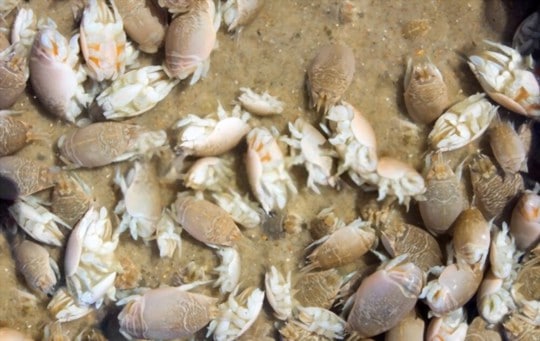
Sand fleas (Emerita) are members of the Phlebotomidae family.
They are also aquatic larvae that live on coastal beaches by the sand, which is where their name comes from.
Even though sand fleas look like bugs, they are more close relatives of the earthworm family.
In ancient Greek history, these sand flies were medically important to them.
They were used to treat many illnesses, but not much is known of their medical relevance like they once were.
They are also called jumping crustaceans in some parts of the world since they are known to jump at least 2 inches long from the ground.
They usually do this when feeding on planktons through their feelers which are the antennae-like part of their body.
Their briny, coastal taste can pair well with bright citrus accents; see lemon dessert pairing ideas with nine options for citrus combinations.
What Do Sand Fleas Taste Like?
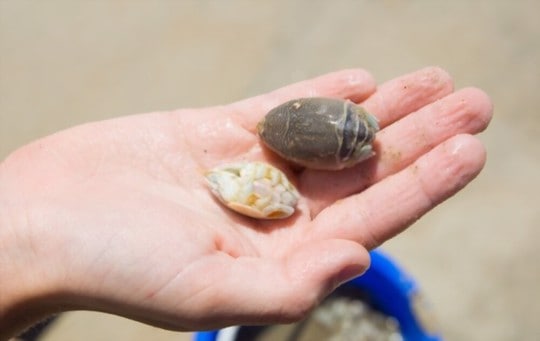
The taste of Sand Fleas is often described as close to the taste of sand crabs.
Because of their breeding location, which is coastal regions, they have a hint of the flavor of the sea.
One common way of eating sand fleas is frying them in butter until they are crispy.
It is a typical crunchy snack popularly eaten in parts of Asia, and it tastes very close to tempura prawns.
Both do sand fleas taste like crabs, but even their texture is similar to crabs.
Once fried or roasted, the hard outer shell becomes crispy and gives a nice crunch when you bite into them.
People who are experienced sand flea eaters say that female sand flea is much better for consumption because they tend to have more flesh than males.
Since sand fleas taste good with all kinds of seasonings, you can get as creative as you want with your spices.
Once they're fried to perfection, you will enjoy a nice burst of flavors and textures.
For a contrasting fruity comparison, try acai berry flavor guide explaining fruity notes.
How to Eat Sand Fleas?
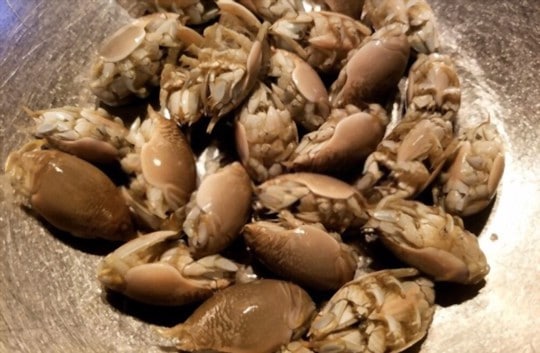
The first and foremost step to follow when preparing sand fleas is to wash them thoroughly.
Sand fleas are known to carry a lot of parasites, so it is best to get rid of all possible traces before you consume them.
The next step should be to boil them.
Washing them is only good enough to rise off the sand and any external debris that might be poisonous for human consumption.
Other than this, it is also important to eliminate all parasites from within.
Boiling them has dual benefits- it kills the parasites and softens the hard outer shell.
If you don't like fried food, you can eat them after boiling, which may taste bland.
You can take an additional step and season it well with the spices of your choice before consuming them.
If you want to go all out, you can dip them in batter or fry them as is in a deep fryer to get the maximum crispiness.
If you're going for a dry fried option, you can drain excess oil and toss them in mixed seasonings to give you a nice blend of flavors.
You can also serve these sand fleas alongside a salad or steamed vegetables.
The mixture of different textures brings out the flavors of the sand fleas and makes them stand out.
If you eat raw sand fleas, you could end up with many infections.
Let's take a look at some of the possible negative causes of consuming raw sand fleas:
If serving sand fleas as a snack, consider dips and sides such as avocado-based options - guacamole pairing combos and complement ideas offers several complementary choices.
- They contain parasites that can infect your digestive system.
- Build up Vibrio Vulnificus, a bacterium that may affect different parts of your body. In extreme cases, you may even have to amputate the infected parts of your body.
- It can cause Domoic acid toxicity, the imbalance of protein in your body.
Final Thought
While the species' name makes them very unappealing to eat, the taste tells a whole other story.
Once you cook them properly, the taste is very close to shrimp and crabs.
Their name isn't the most appealing, but they are versatile and can be used in various dishes.
If you want to try them on their own, wash them thoroughly to remove any sand residue and cook them long enough to kill all the parasites.
For a fruity taste comparison, acai berry flavor guide revealing taste notes. For serving and side ideas that work with crispy snacks, guacamole pairing combos worth trying.
Frequently Asked Questions
Ever wonder what sand fleas taste like? Sand fleas, small as they are, pack a punch in flavor and are considered a delicacy in many cultures.
The taste of Sand Fleas is often described as close to the taste of sand crabs.
Freshness matters. Sand Fleas tends to have a brighter, more pronounced taste when fresh.
Stored or aged versions may develop mellower or slightly different flavor notes.
Significantly. Younger or less ripe versions are often sharper, more astringent, or more bitter.
As it matures, flavors typically mellow and deepen into something more complex and approachable.
Texture and taste are inseparable. A pleasant texture encourages slower eating and better flavor perception.
Off-putting textures - too mushy, too fibrous, or unexpectedly gritty - can make even good flavors less enjoyable.