
Sumac and Za'atar often get lumped together in the spice rack. Bold move, considering they're as different as chalk and cheese.
Mid-recipe, we reach for one and pause. Wait, is this the tangy kick or the herby punch I need?
Sure, they share the spotlight in Middle Eastern cuisine. Yet, they dance to their own beats.
Our kitchens have seen the confusion. We've mistaken one for the other, and the results?
Memorable, to say the least.
Now, we're sorting it out. No more spice swap mishaps.
Get ready for a crash course on distinguishing these two.
What is Sumac?
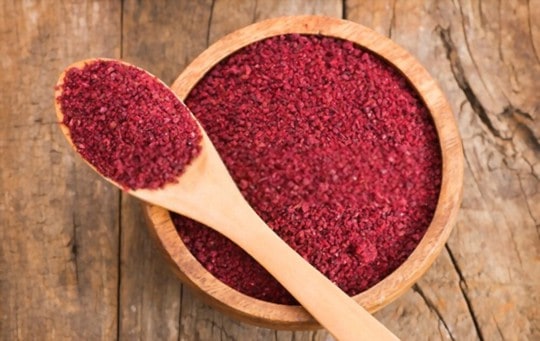
Sumac is an exotic spice.
It's made from the dried fruit of a wild shrub.
It's got a tangy, citrusy flavor - perfect for Middle Eastern dishes.
Think meat, fish, salads, and dips.
Plus, it's got anti-inflammatory properties.
And with its bright red color, it looks great too.
Sumac is often mistaken for za'atar - but they're totally different.
If you want a bold and flavorful flavor, try sumac.
Sumac's citrusy notes can pair nicely with desserts that use lemon; lemon dessert pairing ideas suggests compatible flavors.
What is Za'atar?

Za'atar is a beloved spice blend from the Middle East, with a unique flavor and aroma that has been enjoyed for centuries.
The blend consists of thyme, oregano or marjoram, sesame seeds, and sumac.
It has a distinct earthy flavor with hints of citrus, and can be used as a topping on bread, in dips, or dressings.
Za'atar also has various health benefits such as reducing inflammation and promoting respiratory health, and is an ancient recipe that dates back to Biblical times.
Za'atar is more than just a spice blend.
It carries with it stories and traditions from many cultures.
Enjoy it sprinkled on hummus or dipping your pita bread - or try guacamole pairing ideas for dips for similar combos.
Differences Between Sumac and Za'atar
Sumac and Za'atar are often confused in Middle Eastern cuisine.
But, they're not the same.
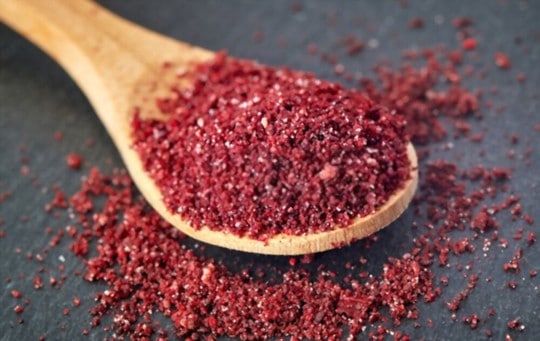
Sumac is a spice made from dried and ground berries.
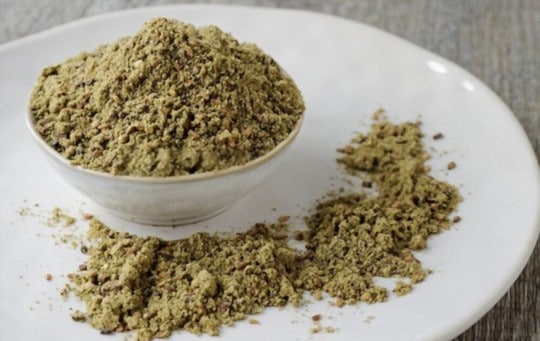
Za'atar, however, is a mix of herbs like thyme, oregano, and marjoram.
If sumac is unavailable, explore sumac substitute ideas for cooking to find suitable swaps.
Origin and Background
Sumac and Za'atar are two Middle Eastern spices that have become famous around the world.
Sumac has a tangy, lemony flavor.
Za'atar is a blend of herbs and spices like thyme, sesame seeds, and sumac.
These spices have been used in Middle Eastern dishes for centuries.
They stand out with their unique flavors and smoky aromas.
Sumac has long been known for its health benefits.
It has anti-inflammatory properties and can help boost immunity, ease menstrual pain, improve digestion, and aid weight loss.
People are now recognizing the power of Za'atar blend.
It has a great taste and can even enhance creativity when eaten in small amounts regularly.
Comparing Sumac and Za'atar may be tricky.
But, once you understand their differences and importance in Middle Eastern culture, you will appreciate these timeless spices that have reached beyond borders.
They bring people together with their delicious flavors.
Flavor and Aroma
Sumac has a tangy, lemony flavor with a sweet undertone (extract vs flavor comparison).
Za'atar, however, is a blend of sumac, sesame seeds, thyme and other spices.
It has a complex herbal flavor with hints of mint and oregano.
Both spices are aromatic and can add depth to dishes such as meats, veggies and dips.
Sumac is usually used as a finishing spice due to its strong taste.
Za'atar can be used as a marinade or rub for meats.
When deciding between them, consider the flavor of your dish and use each accordingly.
Ingredients Used
Sumac and za'atar are two Middle Eastern spices.
But, there's a difference.
Sumac is a deep red powder, with a tart flavor.
It's great in marinades and as a finishing touch on roasted foods.
Za'atar, on the other hand, is a special blend.
It has dried herbs, sesame seeds, and sumac.
People use it to season flatbreads or mix it with olive oil to make a dip.
The herbs and sesame seeds give za'atar a richer flavor than sumac alone.
Depending on the proportions, it can be more tangy or savory.
Choose sumac for a bit of acidity without overwhelming other flavors.
If you need something more hearty, go for za'atar.
Both spices will give your food a Middle Eastern twist.
Culinary Uses and Applications
Sumac and za'atar are two Middle Eastern spices.
They look and taste different, and they have different uses in cooking.
Sumac has a tangy, lemony flavor.
It's great as a rub on meats, fish, and veggies.
Also, it adds a sour taste to salads, dips, and rice dishes.
Za'atar is a mix of herbs.
It contains thyme, oregano, marjoram, sesame seeds, and sumac.
So, it has a richer flavor than sumac alone.
It's great as a seasoning for meats.
Plus, it can be sprinkled on veggies before baking.
Za'atar also tastes great mixed with olive oil for bread or cheese.
These spices are popular for modern cooking.
Chefs use them as condiments to make dishes more interesting.
Similarities Between Sumac and Za'atar
Sumac and Za'atar are two herbs that are often mistaken for each other.
They both have similar uses, but different tastes.
Sumac has a tart, tangy flavor, while Za'atar has a complex combination of herbaceous, nutty, and citrusy notes - learn more in what sumac tastes like guide.
Sumac is usually used as a main seasoning, while Za'atar is a condiment or blend.
To use them correctly, it's important to know the difference.
Sumac is slightly more acidic than Za'atar, making it great for marinades.
Za'atar may contain sesame seeds, so pairing it with oil makes a great dip for pita bread.
How to Incorporate Sumac and Za'atar in Cooking?
Sumac and za'atar are Middle Eastern spices that add special flavors to dishes.
Sumac is tangy and lemony.
Za'atar has a herby taste with sesame, thyme, and sumac.
Sprinkle sumac on hummus, grilled meats, or roasted vegetables for a zesty kick.
Mix it with olive oil for a salad dressing or marinade.
Za'atar can be sprinkled on flatbreads, mixed with olive oil as a dip, or used as a chicken or fish seasoning.
Create rubs and marinades with sumac and za'atar.
Sumac goes with beef and lamb, while za'atar is best with chicken and fish.
Add garlic, cumin, coriander, and paprika for complex flavors.
Experiment with baked goods like bread or crackers.
Sumac's tanginess pairs well with sweet flavors like honey or figs in desserts.
Try different flavor combos to make delicious dishes your guests will love.
Where to Find Sumac and Za'atar?
Sumac and Za'atar are Middle Eastern spices, adding flavor to dishes.
Wondering where to find them? Here are some options:
- Online from spice retailers.
- Middle Eastern grocery stores.
- Major supermarkets' international aisle.
- Local food markets.
- Plant nursery or garden store.
These two spices have different variations throughout the Middle East.
For example, Lebanese Za'atar has sesame seeds, sumac, thyme, oregano, and marjoram.
Jordanian Za'atar usually has only thyme.
Sumac, known as "sumak" in Turkey, has a unique taste depending on the region.
For locating specialty pastes and international ingredients, consult where to buy miso guide to find the right grocery aisle.
Flavor Profiles of Sumac and Za'atar
Sumac and za'atar are two popular Middle Eastern flavors.
They look similar, but there are differences.
Sumac has a tangy, sour taste.
Za'atar is a blend of herbs, such as thyme, oregano, and marjoram, with sumac.
Both have health benefits and can be used in various recipes.
Sumac is good as a spice rub for meat or veggies.
Za'atar works for dips, dressings, and mixed with olive oil for dipping bread.
Sumac gives color to dishes, and za'atar has an earthy flavor.
Cooking Middle Eastern food? Try sumac or za'atar to add flavor.
Experimenting with these spices will open up new culinary possibilities.
Frequently Asked Questions
Bold move, considering they're as different as chalk and cheese. They share some similarities but each has qualities that make it better suited for certain recipes.
They can stand in for each other in a pinch. Sumac and Za'atar overlap in some uses, but the flavor or texture will shift.
Adjust quantities to taste.
Shelf life differs based on processing and packaging. One often keeps longer unopened, while the other may need refrigeration or faster use after opening.
Which one is more forgiving in recipes?
One tends to perform more consistently across a range of cooking methods, making it the safer choice when experimenting.
The other delivers stronger results in specific applications.
Mediterranean blends have many replacements to try; za'atar seasoning substitutes list shows options. sumac substitute options for cooking covers swaps for tangy, citrusy notes.