
You can use jicama at a 1:1 ratio by volume, because peeled and diced it stays crisp in a stir-fry like water chestnuts.
- Lotus root suits a stir-fry, and canned bamboo shoots suit soups.
- Sunchokes and celery suit raw dishes or a last-minute addition.
- Chestnuts are too soft for the job.
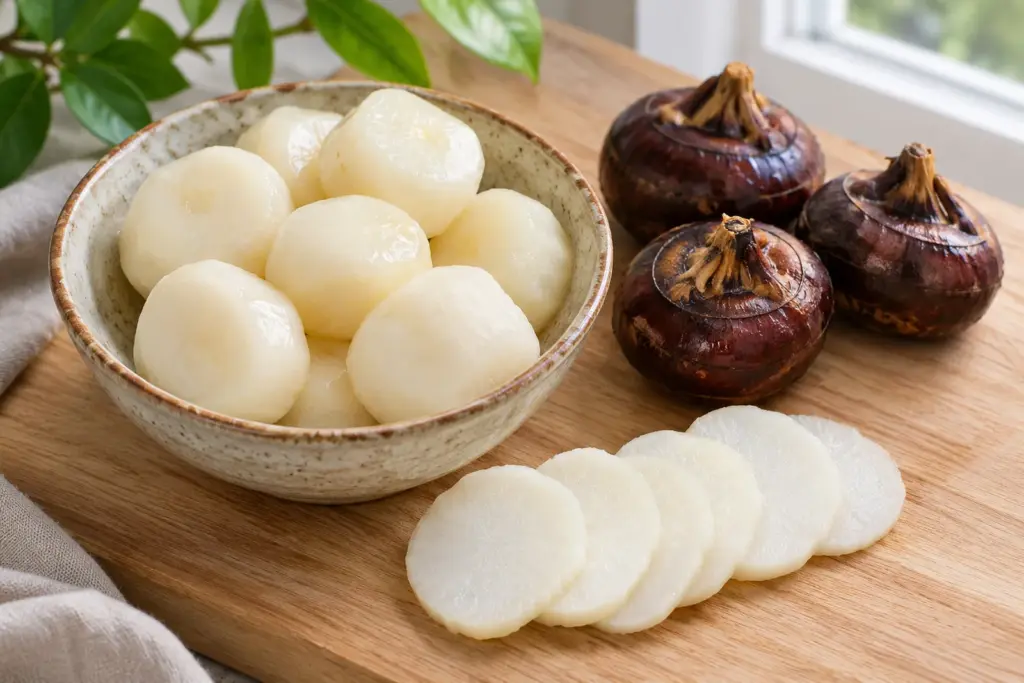
Water chestnuts give a dish crunch and almost no flavor of their own, so the ingredient swaps worth your money are the ones that stay crisp in the pan after you cook them.
What Do Water Chestnuts Do in a Recipe?
Water chestnuts are the corms of Eleocharis dulcis, a grass-like sedge that grows in marshes and mud, so you are buying an aquatic vegetable, not a tree nut. They stay crisp even after cooking or canning, which is unusual among vegetables, and Wikipedia credits cell walls that are cross-linked and strengthened by phenolic compounds.
Even so, Chowhound advises adding canned water chestnuts toward the end of cooking, and you can give every substitute below the same late spot in the pan.
5 Best Substitutes for Water Chestnuts
Every swap below starts at 1:1 by volume, so a half cup of chopped water chestnuts becomes a half cup of the substitute. No source publishes a ratio for these swaps, which makes 1:1 the place you start and adjust from, with the hot-pan swaps listed first.
| Substitute | Ratio and Cut | Best For |
|---|---|---|
| Jicama | 1:1, ¼-inch dice | Stir-fries, fillings, salads |
| Lotus root | 1:1, thin slices | Quick stir-fries |
| Canned bamboo shoots | 1:1, drained, chopped | Soups, dumpling fillings |
| Sunchokes | 1:1, thin raw slices | Slaws, salads |
| Celery | 1:1, small dice | Fillings, meatballs |
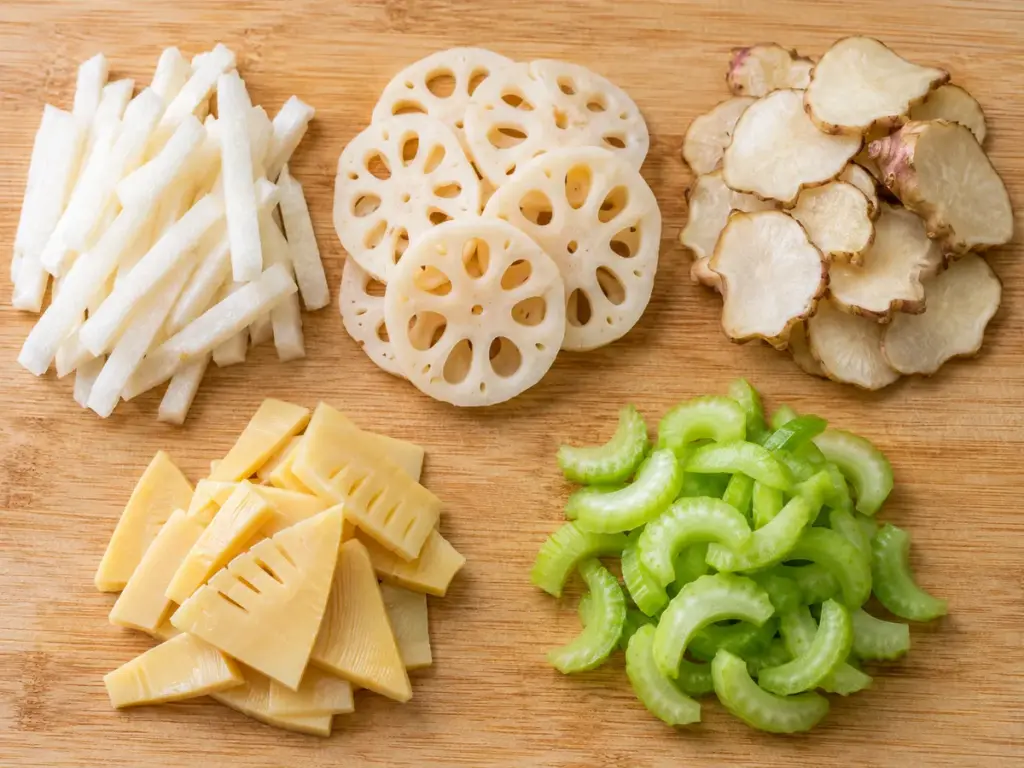
1. Jicama
Jicama is the closest everyday match, and you can find it in most grocery stores. The University of Georgia's food preservation guide puts its texture somewhere between a raw white potato and a Chinese water chestnut, and says it usually stays crisp when cooked gently, sautéed or stir-fried.
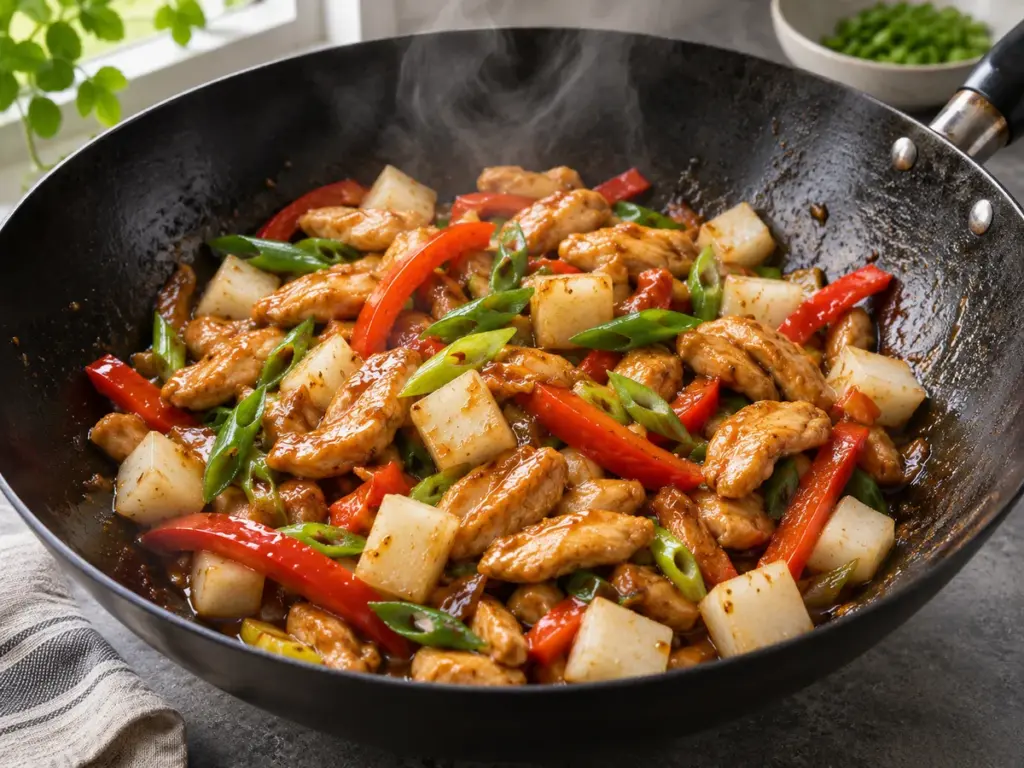
- The whole peel comes off, both the brown skin and the fibrous layer under it.
- Nevada Extension suggests ¼-inch sticks or slices, which match the size of sliced water chestnuts.
A smaller root is the better buy, because the same guide says larger jicama can be fibrous and starchy.
Once you cut it, jicama does not discolor or soften for some time, so you can dice it well before the pan is hot. When it goes in, its mild and lightly sweet taste lets the soy sauce, ginger and garlic lead.
2. Lotus Root
Each slice of lotus root shows a ring of holes, and because it tastes mild and slightly sweet, it changes how your stir-fry looks more than how it tastes.
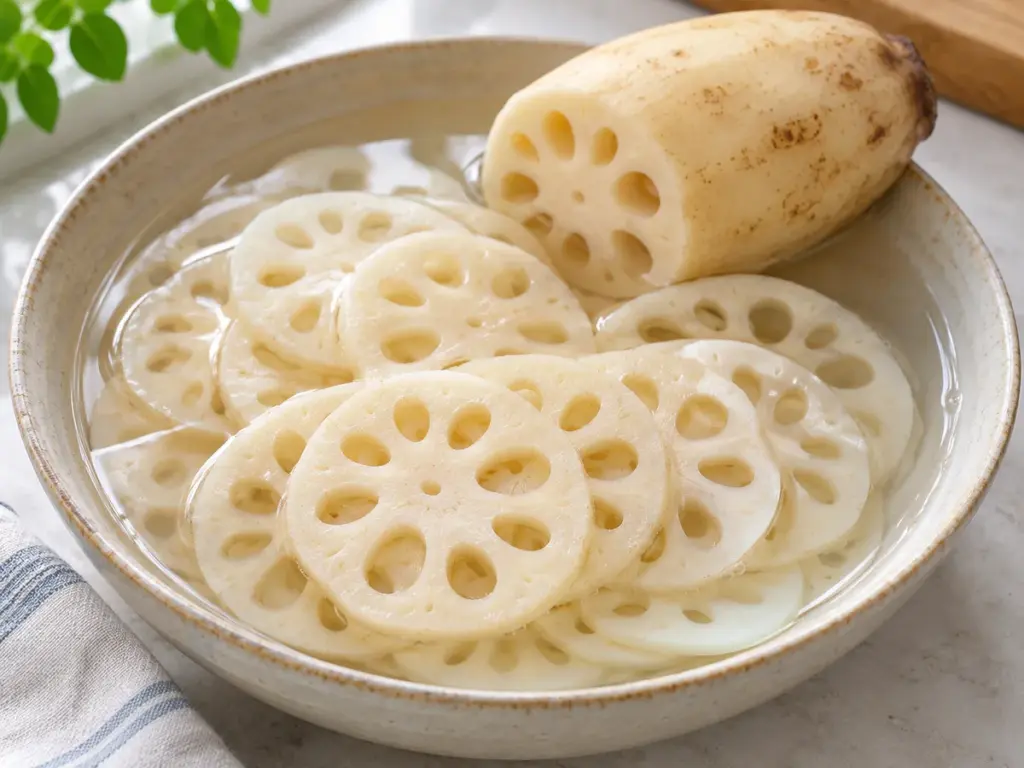
Lotus root discolors once you cut it, so Noobcook keeps its thin slices in water until the pan is ready, then stir-fries them quickly until they turn slightly translucent and still crunchy.
JustHungry says the root goes from crunchy to very starchy and a little sticky the longer it cooks, so you can taste a slice early and add it to a soup near the end.
3. Canned Bamboo Shoots
If you keep cans in the pantry, canned bamboo shoots are your easiest swap, because they come sliced and ready to use. They taste mild and a little earthy, which fits the soy-and-ginger sauces water chestnuts usually sit in.
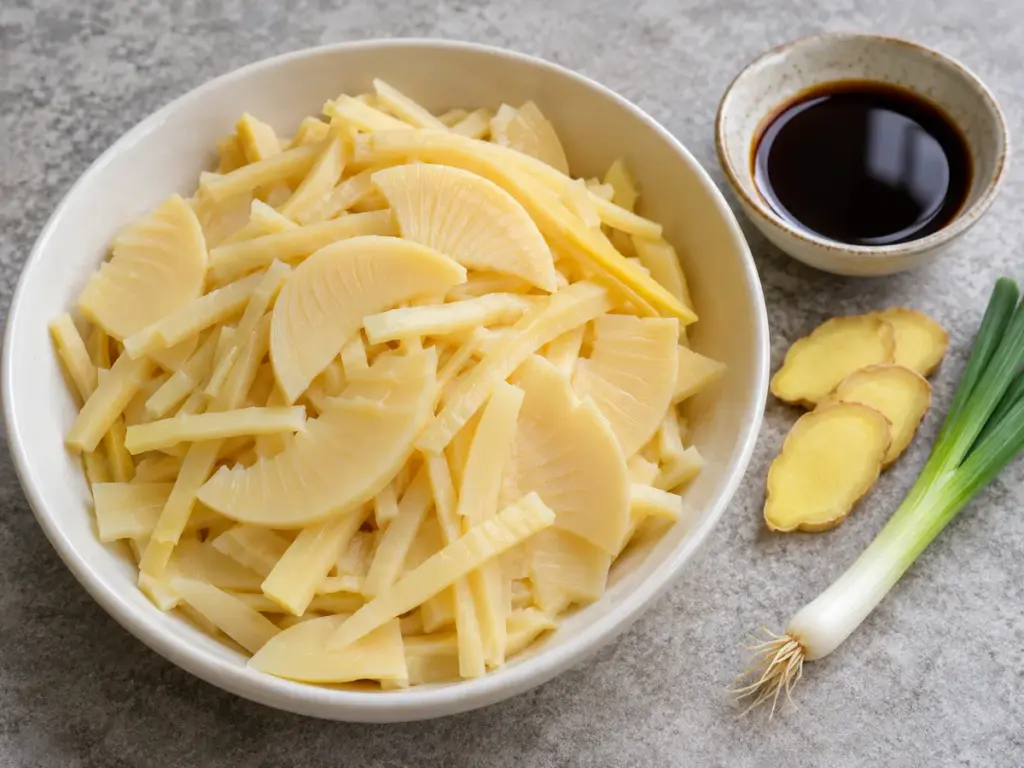
Once you drain and rinse them, the slices only need chopping to the size of sliced water chestnuts. CooksInfo notes that some cooks also blanch canned shoots to remove the processed taste.
Canned brands differ, so you can taste one drained slice to see how much crunch it keeps before it goes into soups, hot pot or dumpling fillings, the easiest places to use them.
4. Sunchokes
A cold dish such as a slaw, salad or dip suits sunchokes, also called Jerusalem artichokes, which taste nutty and lightly sweet. FoodPrint says raw ones are crunchy enough to be made into slaw, while the skin tends to toughen when they cook.
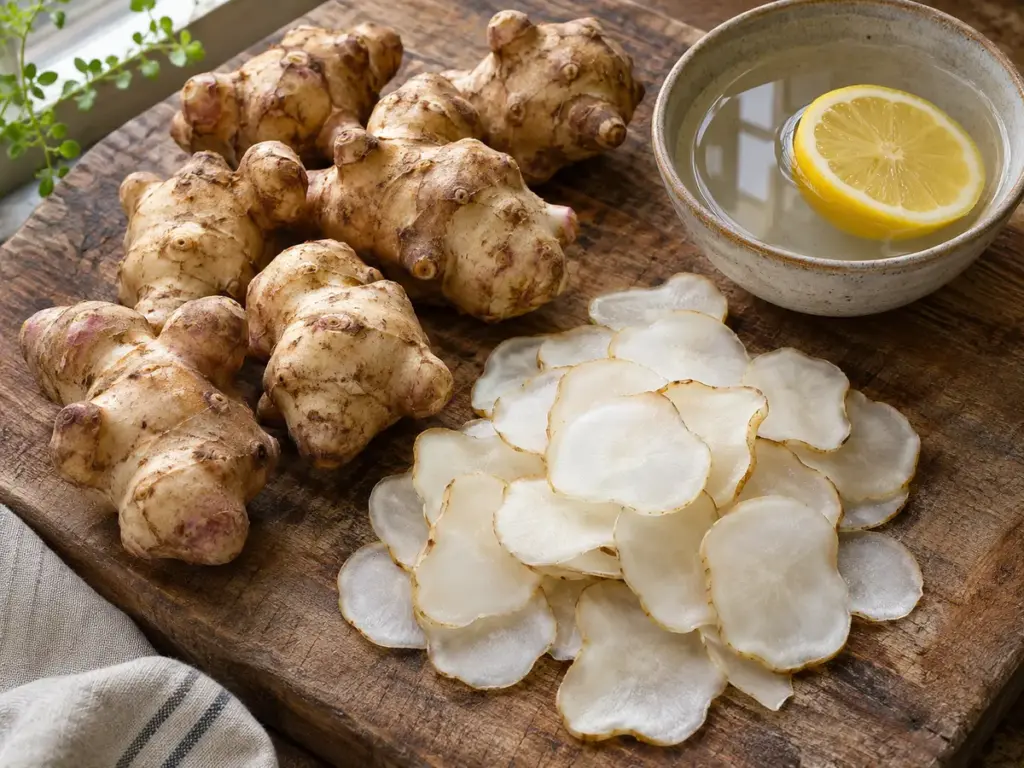
That makes sunchokes a raw swap, and cut slices stay pale if you toss them in lemon juice.
Sunchokes are also high in inulin, which can cause gas and bloating in excess, so you may want to keep the portion small.
5. Celery
You probably already have celery, though its crunch does not last long in heat. Food Hero's sautéed celery recipe softens it in 5 to 7 minutes, so it goes in raw or in the last minute of a stir-fry.
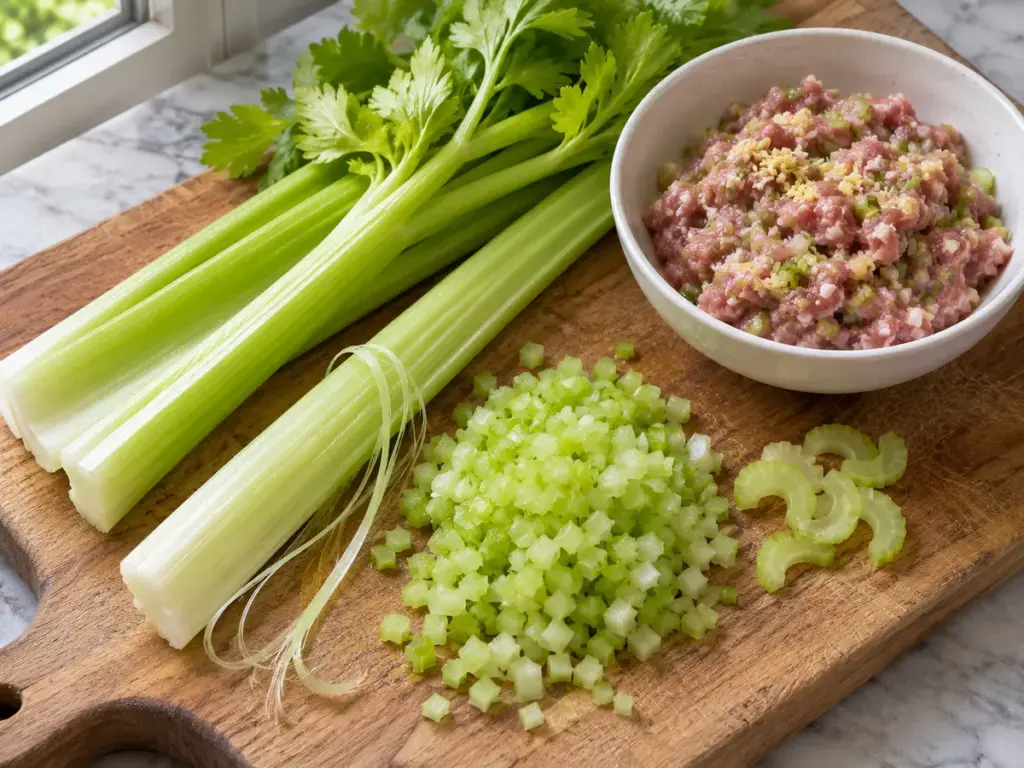
Celery tastes more assertive than a water chestnut, so it does best in fillings for dumplings, meatballs and lettuce wraps, where pork and ginger can carry it. Small dice or thin crescents suit those fillings, and you peel the tough strings off thick stalks first.
How Should You Cut the Swap for Dumplings, Dips and Bacon Wraps?
Most of the time you cut the swap to the size of the other stir-fry vegetables, so everything cooks at the same speed, but a few dishes need a different cut:
- In dumplings, potstickers and meatballs, finely minced jicama or celery blends into the filling and still crunches.
- In spinach dip and other cold dips, you can mince jicama and fold it in just before serving.
- In bacon-wrapped appetizers, jicama goes in as bite-size chunks, because the dish needs a whole piece to wrap.
Can You Use Chestnuts, Artichokes or Radishes Instead?
You may see three suggestions online that do not fit a hot pan.
- Chestnuts: true chestnuts grow on trees and have soft, starchy flesh next to the firm water chestnut, so the difference between chestnuts and water chestnuts shows up in your pan as well as on the label.
- Artichokes: sunchokes are also called Jerusalem artichokes but come from a different plant, so sunchokes and artichokes behave very differently and the sunchoke swap does not carry over to artichokes.
Radishes have a crisp raw texture and a pungent, peppery flavor, according to Wikipedia, and you usually eat the root raw, so they suit cold salads and slaws better than a hot pan.
Sources
- Eleocharis dulcis (Chinese water chestnut): aquatic sedge, crisp after cooking or canning, cell wall chemistry.
- University of Georgia, National Center for Home Food Preservation: Using and Preserving Jicama: texture, peeling, gentle cooking, root size, cut jicama.
- University of Nevada, Reno Extension: Jicama (FS-11-22): ¼-inch slices or sticks.
- Food Standards Australia New Zealand: Cyanogenic glycosides: raw bamboo shoots, boiling and canning.
- FoodPrint: Sunchoke (Jerusalem artichoke): crunchy enough for slaw, skin tends to toughen when cooked, lemon juice, inulin.
- Radish (Wikipedia): crisp raw texture, pungent peppery flavor, usually eaten raw.
- Noobcook: Stir-Fry Lotus Root: soaking slices in water, stir-fry until slightly translucent and still crunchy.
- JustHungry: How to cook lotus root (renkon): texture ranges from crunchy to starchy with cooking time.
- Chowhound: How To Prepare Canned Water Chestnuts: rinsing, adding toward the end of cooking.
- CooksInfo: Bamboo Shoots: blanching canned shoots.
- Food Hero: sautéed celery: celery softens in 5 to 7 minutes.

Food writer at GustoMeadow. Writes ingredient substitutes, food comparisons, taste guides and storage guides for home cooks.
Storage and food-safety numbers follow USDA, FDA and university extension guidance.



