
Yeast and baking soda often sit side by side in our kitchens, silently sparking confusion. T4What makes them different
? Well, it's all about the chemistry magic they perform.
Yeast, a living organism, feasts on sugars, burping out carbon dioxide and giving rise to our bread. Baking soda, on the other hand, needs an acid to kickstart its gas-releasing party.
Each has its unique role. Baking soda offers a quick rise, perfect for cookies and cakes.
Yeast takes its time, crafting flavors and textures in bread that are hard to beat.
Our kitchens have witnessed both triumphs and disasters. Like that time we accidentally used baking soda instead of yeast.
The result? A cake as flat as a pancake.
Lesson learned. Yet, these kitchen staples continue to amaze us with their versatility and power.
What is Yeast?

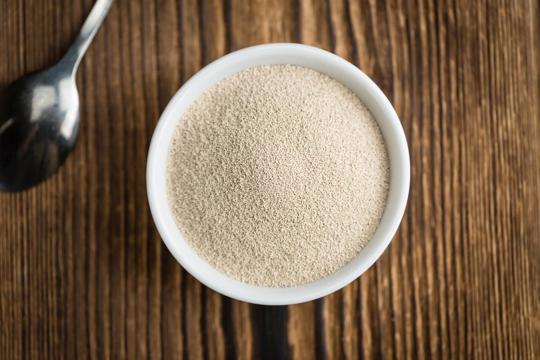
Yeast is a microscopic fungus with magical qualities.
It makes bread rise and offers a fluffy texture.
Yeast eats sugar and produces carbon dioxide, which expands the dough.
Air pockets form, resulting in a soft, airy feel.
Yeast has more to offer than just rising.
It adds flavor, too.
Some yeast is even cultivated for its distinct taste.
Plus, it aids in browning crusts.
How? It creates enzymes that change starches into sugars and caramelize them in the oven.
Yeast can also produce alcohol through fermentation.
Mix it with sugar and warm water and you can make beer or wine.
The alcohol evaporates in hot ovens.
Yeast is an incredible ingredient.
It brings life and dimension to our baking.
So, the next time you bite into a delicious loaf of bread, thank the powerful yeast.
What is Baking Soda?
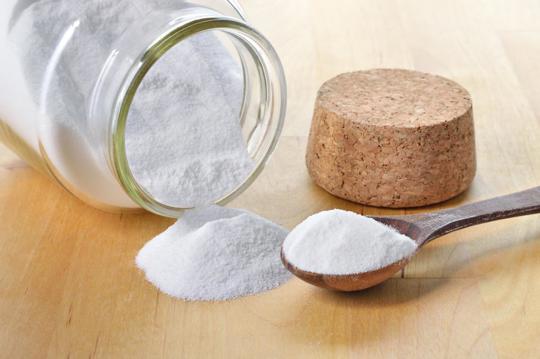
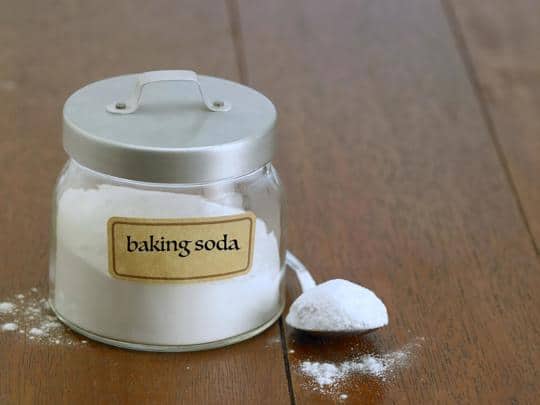
Baking soda, or sodium bicarbonate, is an essential part of baking.
It's a white powder, with an alkaline taste, and a slight saltiness.
When mixed with acid, like buttermilk or vinegar, it releases carbon dioxide gas.
This causes dough or batter to rise.
Thus, it's a must-have leavening agent in many recipes.
Baking soda also has a tenderizing effect.
It softens meat fibers before cooking.
In addition, it can be used for cleaning and as a natural deodorizer.
Because of its many uses, it's a kitchen staple all over the world.
For cupcake prep options, baking cups vs cupcake liners comparison explains which option works best for different batters.
Differences Between Yeast and Baking Soda
Yeast and baking soda may be used for baking - compare yeast vs sourdough starter differences to see how fermentation methods change results.
Function and Role in Baking
Yeast and baking soda both have important roles in baking.
Yeast is a microorganism that converts sugars to carbon dioxide gas, which creates air pockets.
This gives dough a light texture.
Baking soda is a leavening agent that, when mixed with acidic ingredients, releases carbon dioxide gas quickly.
The two differ in many ways.
Yeast takes time to activate and ferment, while baking soda works quickly.
Yeast gives a distinct flavor due to fermentation, whereas baking soda has a neutral taste.
And yeast is best for recipes that need longer proofing times or complex flavors, while baking soda is perfect for quick-rise recipes like muffins or pancakes.
For chemical leavening alternatives and how they behave in recipes, see cream of tartar vs baking powder comparison.
Activation Process
Yeast and baking soda must be activated for use in baking.
Yeast needs warm water/milk, plus sugar, to create a suitable environment for its cells to feed on and multiply.
The mixture becomes frothy and bubbly, an indication that the yeast is ready.
Baking soda needs an acid ingredient like vinegar or lemon juice, to trigger its reaction.
It then releases carbon dioxide gas which creates bubbles within the dough/batter, causing it to rise during baking.
Yeast and baking soda are leavening agents, but they have different activation processes.
Yeast takes time, allowing flavors to develop and impart a distinct taste.
Baking soda acts quickly, but may leave a slight metallic aftertaste if not neutralized by acidic ingredients.
Leavening Power and Reaction
Leavening power is the ability of something to make dough or batter rise.
Commonly, yeast and baking soda are used.
But they work in different ways.
Yeast is a living thing that eats sugar.
It makes carbon dioxide gas as a byproduct.
This gas gets trapped in the dough, making air pockets, and causing it to rise.
Yeast takes time, needing proofing or fermentation before use.
Baking soda is a chemical leavener.
When it meets with an acid (like vinegar, lemon juice, or yogurt) or heat, carbon dioxide gas is released.
This happens quickly, and leavening starts right away.
Yeast and baking soda may both make baked goods rise, but they are different.
Yeast gives a softer, lighter texture due to slow fermentation.
Baking soda can give a denser texture if not used properly.
Plus, yeast adds flavor to baked goods while baking soda is tasteless.
The choice between them is based on the desired recipe and preference.
To sum up, yeast and baking soda have different leavening powers and reactions.
Yeast needs time to ferment, while baking soda reacts fast with acids or heat.
Knowing this will help you choose the right leavening agent for your desired baking results.
Flavor Contribution
Yeast and baking soda have different roles when it comes to flavor.
Yeast adds a tangy flavor due to fermentation when activated by liquid and sugar.
Baking soda has a slight salty and bitter taste.
Its alkaline properties react with acidic ingredients, producing carbon dioxide bubbles that make dough rise.
These flavor differences affect the overall taste of your baked goods - for more on concentrates and essences, see extract vs flavor explanation.
Similarities Between Yeast and Baking Soda
Yeast and baking soda have similarities.
Both are leavening agents, and they react with heat to produce carbon dioxide.
This gas creates bubbles that make baked goods light and airy.
Still, there are differences.
Baking soda needs an acidic ingredient, like buttermilk or vinegar.
Yeast is alive and needs time to ferment.
But they both add volume and texture to sweet treats.
For a look at other common pantry protagonists and how they differ, corn starch vs baking powder comparison breaks down uses and textures.
Applications and Best Uses for Yeast and Baking Soda
Yeast and baking soda are two ingredients used to make baked goods rise and texture.
But, they differ.
Yeast is alive and belongs to the fungi family.
It ferments sugar to create gas which makes dough rise.
This needs time and 'proofing' with warm milk or water before adding to dough.
It works best for recipes needing long fermenting, like bread and pastries.
Baking soda is a chemical compound called sodium bicarbonate.
It generates gas when reacting with acid, such as vinegar or lemon juice.
This happens quickly, so it's best for recipes that require quick leavening, like cakes and cookies.
When using these ingredients, consider temperature and taste.
Yeast needs warm temperatures (80-95°F/27-35°C), and it adds flavor to the finished product.
Baking soda can leave a metallic taste if not balanced with acid.
When working with chocolate recipes, deciding between cocoa products matters - cocoa powder vs baking cocoa breakdown helps choose the right one.
Substituting Yeast for Baking Soda and Vice Versa
Yeast and baking soda can change your baking experience.
Both ingredients help dough rise, but they are different.
Yeast is alive and needs sugar to produce carbon dioxide gas, giving dough light texture.
Baking soda is a chemical that reacts with acid, making it rise quickly for cake-like texture.
Switching yeast and baking soda requires adjustments.
If you replace yeast with baking soda, increase the amount and skip rising time.
This may give a dense, less flavorful result.
If you use yeast instead, add sugar for it to feed on and let the dough rise.
This will give richer flavor and chewier texture.
These replacements are not always the same.
It's up to you to choose flavor and texture in your baking.
Try different things to find the best recipe.
If swapping foundations or convenience options, baking mix vs flour comparison guide clarifies when a mix can replace plain flour.
Baking with Yeast vs Baking Soda Tips
Yeast and baking soda are two very different leavening agents that have similar benefits when it comes to baking.
Yeast is a living organism that, when given heat and sugar, produces carbon dioxide bubbles that can cause dough to rise.
Baking soda is an inorganic alkali compound that produces gas when heated with an acid, which also causes dough to rise.
The main differences between yeast and baking soda lies in their ingredient lists, reactivity time periods, necessary temperatures for reaction, safety concerns upon consumption, and results achieved.
By understanding these distinctions between the two leavening agents, you can make an educated guess as to which one would be best suited for any particular recipe or baked good.
So now you have all the information you need to decide: what will be the best choice for your next masterpiece - yeast or baking soda?
Yeasty Wonders: nutritional yeast flavor explores flavor notes and uses. 5 BEST Substitutes for Yeast lists reliable replacements for different baking needs.
Frequently Asked Questions
Some yeast is even cultivated for its distinct taste. They share some similarities but each has qualities that make it better suited for certain recipes.
Choose Yeast when you want more control over the process. Baking Soda works better for hands-off preparation.
The best choice depends on your available time and equipment.
Availability varies by region. One is usually a standard grocery store item while the other may require a specialty or international market depending on where you live.
Can a beginner tell the difference by taste?
In a side-by-side tasting, yes.
The difference becomes less obvious when mixed into a recipe with other ingredients.
Most people notice the distinction more clearly on its own.