
Ever stood in your kitchen, staring down at Herbs de Provence and Italian Seasoning?
Baffled by the bottles. I remember the first time I tried cooking a fancy dinner.
The recipe called for Herbs de Provence. I grabbed Italian Seasoning instead.
T5Big mistake.T6
They may seem similar. Spoiler alert: they're not.
Today, we're breaking it down. No fluff, just facts and a bit of our personal mess-ups to guide you.
Stick with us, and you'll never mix them up again. Or, at least, you'll laugh about it if you do.
What is Herbs de Provence?

Herbs de Provence is a mix of herbs from France's Provence region.
These are typically thyme, rosemary, savory, marjoram, and oregano.
This combination gives dishes a unique flavor.
The aroma of Herbs de Provence brings images of lavender fields and French villages.
It can be used in marinades, rubs, or even sprinkled over roasted veggies or grilled meats.
Every chef has their own version of Herbs de Provence.
Some variations have lavender flowers, fennel seeds, or dried orange zest.
These additions bring more herbal flavors and complexity to a dish.
What is Italian Seasoning?

Italian seasoning is a blend of herbs that is packed with flavor.
It usually includes dried basil, oregano, rosemary, and thyme.
Plus, sometimes garlic powder.
These herbs add complexity to dishes like pasta sauces, soups, and roasted vegetables.
The herbs create a delicious balance of flavors that's typical of Italian cooking.
Unlike other mixes, Italian seasoning does not have salt or pepper.
This lets you customize the seasoning according to your own taste.
This blend is great for improving many types of dishes.
It will bring a taste of Italy to your kitchen.
Ingredients Used in Herbs de Provence and Italian Seasoning
Herbs de Provence and Italian Seasoning have slight differences in their ingredients.
Thyme, rosemary, oregano and basil are common to both blends.
Lavender flowers give Herbs de Provence a unique floral note.
Italian Seasoning has garlic powder and red pepper flakes for a bolder flavor.
These variations make each blend special.
If you want lavender for Provencal dishes, or garlic and peppers for Italian recipes, these seasonings are ideal.
Flavor and aroma will be enhanced with these wonderful options.
Differences Between Herbs de Provence and Italian Seasoning

Herbs de Provence and Italian seasoning may seem similar, but they have distinct differences.
Both are versatile and add flavor to dishes.
Composition of Herbs and Spices
Herbs & spices are key for bringing out the flavors of dishes.
They offer depth and complexity, taking dishs to new heights.
Herbs come from leafy plants, whereas spices come from other parts like seeds, roots or bark; this gives each herb & spice its individual characteristics - something that contributes to their unique flavor.
Different herbs & spices have different compositions, resulting in a range of tastes & aromas.
Herbs de Provence, for instance, includes thyme, rosemary, savory, marjoram, oregano & sometimes lavender flowers, creating an earthy-floral mix that pairs well with Mediterranean-style dishes.
In contrast, Italian seasoning comprises a mix of classic Italian herbs like basil, oregano, parsley & thyme with sweet hints.
It's often used in Italian cuisine to bring out the flavors of pasta dishes, pizzas & sauces.
Herbs de Provence & Italian seasoning have some ingredients in common, though the proportions vary.
This distinction leads to variations in taste profiles between the two.
Understanding the composition of herbs & spices allows us to experiment with different flavor combinations.
Whether it's adding warmth with cinnamon or freshness with mint leaves, this knowledge helps us create great dishs by tapping into the unique attributes of each herb & spice.
Regional Influence on flavors
Regional influence is important for seasoning flavors.
Each area has its own culinary traditions, ingredients, and cooking techniques.
This is clear in the difference between Herbs de Provence and Italian seasoning.
Herbs de Provence comes from Provence in France.
The mix usually has savory, thyme, rosemary, marjoram, and oregano.
These herbs give a floral and earthy flavor with citrus hints.
Italian seasoning has the flavors of Italy.
It often contains basil, oregano, rosemary, thyme, and parsley.
This mix gives a strong and savory taste, with garlic and pepper notes.
The details are in the herbs used in each blend.
Both have thyme and oregano, but with additional herbs.
Herbs de Provence has savory and marjoram, while Italian seasoning adds basil for extra freshness.
Typical Usage in Cuisines
Herbs de Provence and Italian seasoning are distinct.
In cuisines around the world, herbs are used differently.
Regions have their own blends of seasonings to enhance dishes' flavors.
Herbs de Provence is a blend of dried herbs from Provence, France.
It includes thyme, rosemary, basil, marjoram, savory, and lavender.
Herbs de Provence adds depth and fragrance to dishes like grilled meats, roasted vegetables, soups, and stews.
It has a flavor of Provence's rustic countryside.
Italian seasoning is a blend used in Italian cooking.
It has oregano, basil, thyme, and rosemary.
It adds strong flavor to pasta sauces, pizzas, marinades, salad dressings, and bread recipes.
It has the aromatic notes of Mediterranean cuisine.
Herbs de Provence and Italian seasoning contain similar herbs, but with different flavors.
Herbs de Provence captures French cooking's essence with fragrant herbs.
Italian seasoning has bold flavors found in Italian dishes.
Similarities Between Herbs de Provence and Italian Seasoning
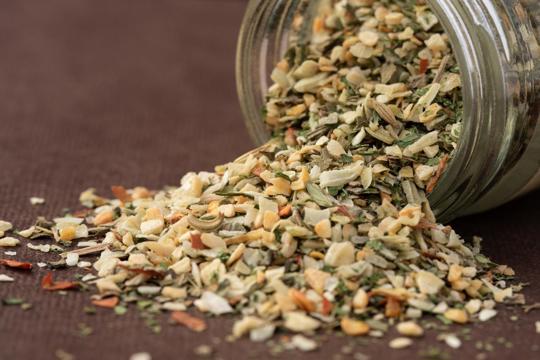
Herbs de Provence and Italian Seasoning have many similarities.
They are popular for adding flavor and aroma to dishes.
They often contain the same dried herbs like thyme, rosemary, basil, oregano, marjoram, savory, and sometimes lavender.
These herb mixtures are used to flavor Mediterranean cuisine.
Herbs de Provence is mainly associated with French food, while Italian Seasoning is used in Italian dishes.
They can be used interchangeably as they provide a similar flavor.
These spices are also versatile.
They work great in soups, stews, roasted meats, vegetables, pasta sauces, marinades, salad dressings, and even bread.
Using them adds complexity and depth to any recipe.
Common Herbs and Spices Found in Both Blends
Herbs de Provence and Italian seasoning both contain thyme, rosemary, and oregano.
These aromatics bring Mediterranean flavors.
The combination creates a good mix that boosts the cooking experience.
Thyme has an earthy, minty taste.
It adds flavor to soups, stews, and roasted meats.
Rosemary has an aroma like pine and a strong flavor that goes with grilled chicken or roasted veggies.
Oregano has a pungent taste like basil and thyme.
It can be used in pasta sauces, pizzas, salads, and meat marinades.
Herbs de Provence includes lavender, marjoram, and savory.
Lavender adds a floral note for poultry and game meats.
Marjoram's sweeter flavor adds warmth and complexity.
Savory adds an herbaceous taste.
Italian seasoning usually includes basil, which has a pepper-like flavor for tomato sauces and caprese salad.
This herb is the soul of Italian cuisine.
Herbs de Provence and Italian seasoning both offer unique blends.
These can take your palate on a journey without leaving your kitchen.
Recipes and Dishes That Feature Herbs de Provence and Italian Seasoning
Herbs de Provence and Italian Seasoning are widely used in recipes and dishes.
From French to Italian, they add depth and complexity to meals.
Aroma-infused pasta sauce with Italian seasoning? Roasted chicken with Herbs de Provence?
Both improve the flavors.
Herbs de Provence is classic in French cooking.
Thyme, rosemary, marjoram, savory, oregano - this blend adds a unique herbal fragrance to ratatouille, grilled meats and roasted vegetables.
Italian seasoning is popular in Italian-American cuisine.
Basil, oregano, thyme, rosemary, parsley - it enhances the flavors of pasta sauces, pizzas, soups, and marinades.
The herbs bring out the natural sweetness of tomatoes and go with the richness of garlic and olive oil.
The two have common ingredients, but their proportions and additional herbs set them apart.
Herbs de Provence has a more floral aroma due to lavender flowers.
It creates a distinctively French flavor.
Italian seasoning focuses on creating a balanced blend that pairs with Mediterranean flavors.
Experiment with these blends. Use Herbs de Provence in lamb stews or grilled fish.
Use Italian seasoning in breads or as a rub for roasts. Unlock a world of cooking exploration.
Flavor Profiles: Herbs de Provence vs Italian Seasoning
After exploring the differences between Herbs de Provence and Italian Seasoning, it's clear that each of these flavor-packed combination of ingredients should always remain a part of any home cook's spice cabinet.
Herbs de Provence embodies the traditional flavors of French cuisine, from rosemary to thyme, while Italian Seasoning is a gateway to the strong flavors of Italy.
And though there may be minor overlap when it comes to ingredient lists, there's no denying both combinations will bring an enchanting touch to every recipe it meets.
From salads and pastas to grilled meats and vegetables, take your dishes up with either one or both of these delicious combinations of herbs and spices.
No matter what you choose, creating flavorful dishes is made easier with aromatic herbs de Provence and zesty Italian seasoning - making the hard choice just slightly easier.
Frequently Asked Questions
Unlike other mixes, Italian seasoning does not have salt or pepper. They share some similarities but each has qualities that make it better suited for certain recipes.
Choose Herbs de Provence when you want more control over the process. Italian Seasoning works better for hands-off preparation.
The best choice depends on your available time and equipment.
Availability varies by region. One is usually a standard grocery store item while the other may require a specialty or international market depending on where you live.
Can a beginner tell the difference by taste?
In a side-by-side tasting, yes.
The difference becomes less obvious when mixed into a recipe with other ingredients.
Most people notice the distinction more clearly on its own.