
Summary of key points
The main difference between fresh and dried basil lies in the intensity of flavor. Fresh basil has a strong, aromatic taste and is best used in dishes where it can be added towards the end of cooking or as a garnish.
Dried basil, on the other hand, has a milder flavor due to the dehydration process and is better suited for longer cooking times. Also, fresh basil is more delicate and prone to wilting, while dried basil has a longer shelf life.
Ultimately, it depends on the dish you're making and your personal preference - fresh basil for great flavor or dried basil for a more subtle taste. Both options offer delicious ways to incorporate this popular herb into your cooking.
Basil, the green leafy star of many dishes, comes in two main costumes: fresh and dried.
The difference between fresh and dried basil is monumental. It's like comparing a movie watched in cinemas to one seen through a pair of binoculars from the next building.
We've all been at that crossroads in the kitchen, gripping a recipe that calls for one, while we only possess the other.
Here's the penny drop moment - fresh basil often brings a bright, almost sweet flavor to dishes. It's the superhero in salads or that final touch on your pizza.
In contrast, dried basil punches in with a more concentrated, earthy taste. It's the backbone in those hearty stews and sauces we leave simmering for hours.
We remember the first time we substituted one for the other; it was not pretty. Lesson learned.
To make the choice, know your dish's soul.
What is Fresh Basil?

Fresh basil, aka Ocimum basilicum, is a popular herb.
Its green leaves and aroma make it a top choice in Mediterranean and Asian cuisines.
It has a peppery, sweet taste with mint and clove hints.
Natural oils give it its distinctive fragrance.
Plus, fresh basil has medicinal benefits - see a fresh dill vs dill weed comparison of herb benefits for how related herbs differ.
Antioxidants protect the body and reduce inflammation.
It also has antibacterial properties and aids digestion.
Handle fresh basil with care to keep its delicate flavor and aroma.
Tear or chop just before use so it doesn't wilt.
Add to salads, sauces, soups, marinades, or even desserts.
Fresh basil enriches dishes, from Italian classics to new recipes.
So don't forget it next time you're grocery shopping or growing herbs.
A pop of freshness for your meals.
What is Dried Basil?
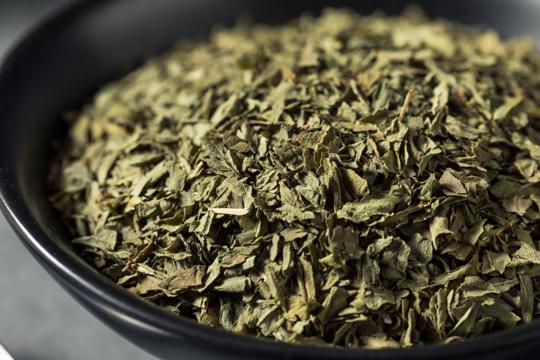
Dried basil is a culinary herb taken from the leaves of the basil plant.
It offers an easy way to add its special flavor to dishes.
To dry basil, moisture is removed from the leaves.
This makes the flavor much stronger and can be stored for longer.
It's important to remember that recipes may need less dried basil than fresh basil for the same taste - similar details appear in a dried thyme vs ground thyme comparison that explains potency differences.
Plus, while fresh basil looks good in dishes, dried basil adds more flavor and works well in slow-cooked meals where its strong aroma can really come out.
Key Differences Between Fresh Basil and Dried Basil

Fresh and dried basil may seem alike, but they have key differences - similar side-by-side contrasts appear in a Dinnerly vs Hello Fresh comparison to help choose between options.
It has bright green leaves and a strong aroma.
It is used in Mediterranean and Italian cuisine.
Dried basil goes through a drying process that makes the leaves shrink and turn a darker shade of green or brown.
Fresh basil has intense flavor and aroma due to its essential oils.
Dried basil has a milder taste.
Its lush green color and plump leaves make it visually appealing.
The texture is tender yet firm.
Dried basil, although not as striking, adds a subtle touch of green when sprinkled.
Fresh basil must be cleaned, dried, and stored properly to stay fresh.
To dry dried basil, the leaves must be harvested at their peak.
This allows the flavors to concentrate and preserves the herb's fragrance.
Dried basil can be powdered for easy incorporation into recipes that need a finer texture.
Rehydrate by soaking it in water or oil before use to restore texture.
Flavor and Aroma Intensity
Fresh basil has a bright, strong taste and strong aroma.
Its flavor is more intense, making dishes fresher.
Dried basil is milder and loses potency during the drying process.
Despite this, it still adds flavor to meals.
It's a matter of preference and recipe when choosing between fresh and dried basil - for another look at concentrated vs subtle taste, see extract vs flavor differences explained.
Both can improve the flavors of any cuisine.
Usage in Cooking
Fresh and dried basil are both key ingredients in many recipes.
Fresh basil provides a bright and aromatic flavor, while dried basil has a more concentrated, earthy taste.
Fresh basil can be used in salads, sandwiches, and pasta dishes to add a freshness.
It's also great for garnishing soups or sprinkling over pizzas.
Plus, it can be blended into pesto or used to stuff chicken breasts.
Dried basil has a distinct flavor that intensifies when cooked.
It's perfect for roasts, stews, and tomato-based sauces.
Add it early to infuse its essence throughout the dish - similar timing tips apply in a white cooking wine vs white wine vinegar comparison for when to add acidic components.
Pairs great with garlic, oregano, and thyme.
Both basil forms bring flavor to dishes, but they have different characteristics.
Fresh basil is zingy, while dried basil provides a deeper flavor.
The choice between fresh or dried depends on the desired outcome of your recipe.
Storage and Shelf Life
Storage is important.
Fresh basil should be wrapped in a damp paper towel and kept in a zip-top bag in the fridge.
It can last up to a week this way.
Dried basil should be stored in an airtight container in a cool, dark spot like the pantry.
It can hang around for 1-3 years.
Fresh basil delivers the best flavor right after being picked or purchased.
Its leaves have a powerful aroma and taste.
But dried basil is more available year-round and still has an earthy taste that can add complexity.
Drying basil not only lengthens shelf life, but also beefs up flavor.
So fresh basil has a brighter taste, while dried basil has a more concentrated flavor.
Similarities Between Fresh Basil and Dried Basil
Fresh and dried basil share many similarities.
Both have a sweet and slight peppery taste, as well as essential oils that give them their distinct aroma and flavor.
They can also be used interchangeably in recipes, although adjustments may need to be made - see a Freshly vs Hello Fresh comparison of meal flexibility for more on swapping ingredients.
Fresh basil stands out with its bright green color and delicate leaves.
It's often used as a garnish, or added at the end of cooking to maintain freshness and fragrance.
Dried basil has a longer shelf life and intense flavor due to the drying process.
It's great for adding an aromatic punch to sauces, soups, or marinades.
Ultimately, which type of basil you use depends on your preference and the dish you're preparing.
Fresh basil gives a bright burst of flavor, while dried basil is more convenient.
Experimenting with both can help you decide which works best for your cooking.
Tips for Substituting Fresh Basil with Dried Basil and Vice Versa

Or vice versa, there are some tips to keep in mind.
Here's how to make the switch smoothly:
- If a recipe requires fresh basil but you only have dried, use one-third of the amount given. Dried herbs are more concentrated, so a bit goes a long way.
- On the other hand, if you're using dried basil instead of fresh, use three times the amount in the recipe. Fresh herbs are milder than their dried counterparts.
- To keep the flavor of fresh basil when substituting for dried, add it near the end of cooking. This maintains its taste and aroma.
- For recipes like salads or garnishes, soak dried basil in water before adding it in. This rehydrates and prevents it from being too dry.
- Remember that while dried basil can be stored for longer, fresh basil is tastiest when used within a few days.
These tips should help you navigate between fresh and dried basil.
Knowing how to swap means your dish won't miss a beat.
Plus, you can try using other herbs with similar flavors.
Oregano or thyme can be used in recipes where their flavors blend well.
By being flexible and trying different combinations, you can give your creations unique flavors.
So don't be scared to experiment and have fun exploring herb substitutions in your favorite recipes.
If a recipe requires fresh basil but you only have dried, use one-third of the amount given - similar substitution ratios appear in a dried vs fresh mushrooms comparison that explains rehydration and concentration.
Choosing Between Fresh and Dried Basil for Cooking
Choosing between fresh basil and dried basil depends on the situation and what outcome you want to achieve.
Both have different advantages depending on how you will use them and each one provides its own unique flavor to whatever dish you are creating.
To know for sure which one will work best for your recipe, it's important to understand exactly what you are trying to accomplish.
Fresh basil is more ideal for dishes that call for a lighter taste, whereas drying it allows for a stronger taste that can be used in heavier dishes.
If you're looking for an herbal accompaniment that isn't too overpowering or a subtle flavor boost, then fresh basil may be your best bet.
However, if you're looking for a distinct flavor then dried basil is the way to go.
Fresh lime juice and bottled lime juice have different flavor and storage profiles. Fresh lime juice vs bottled lime juice breakdown explains those contrasts. Rubbed sage vs fresh sage comparison of uses is useful when deciding between dried and fresh herbs for recipes.
Frequently Asked Questions
The main difference between fresh and dried basil lies in the intensity of flavor. They share some similarities but each has qualities that make it better suited for certain recipes.
In many recipes, yes. Fresh Basil and Dried Basil fill similar roles, though each brings its own character.
Try a small test batch before committing to a full swap.
Availability varies by region. One is usually a standard grocery store item while the other may require a specialty or international market depending on where you live.
Can a beginner tell the difference by taste?
In a side-by-side tasting, yes.
The difference becomes less obvious when mixed into a recipe with other ingredients.
Most people notice the distinction more clearly on its own.