
Summary of key points
The main difference between couscous and pasta is their ingredients and texture. Couscous is made from semolina flour, while pasta can be made from a variety of flours like wheat, rice, or legumes.
In terms of texture, couscous is smaller and more granular compared to the various shapes and textures of pasta.
Another distinction is their versatility in cooking. Couscous is a staple in North African cuisine and can be served as a side dish or mixed with vegetables and protein for a complete meal.
Pasta, on the other hand, is a popular ingredient in dishes from all over the world and can be used in soups, salads, casseroles, and more.
Both couscous and pasta are delicious and easy to prepare options for a quick meal. Consider experimenting with different flavors and ingredients to spice up your dishes.
Couscous and pasta sit on our tables often. Starch show-down!
Couscous, a pearl of the desert, is as mysterious as the Sahara. Pasta, an Italian stalwart, versatile like an actor changing costumes.
Staring at the shelf, couscous on one side, pasta on the other. What's the deal?
Our kitchen escapades have shown us the light.
Couscous is quick, a five-minute wonder meal. Pasta asks for a bit more of our time, a test of patience and skill.
In our book, choosing between them feels like picking a favorite child. Tough, right?
What is Couscous?

Couscous is a traditional North African staple made of durum wheat semolina.
It looks like tiny pearls and has a light, fluffy texture after cooking.
It's used in many dishes and is found in Mediterranean and Middle Eastern cuisines.
Couscous is often steamed or boiled, taking up the flavor of the ingredients it's cooked with.
Its mild taste makes it great for salads, stews, and sides.
Plus, couscous is quick to make - great for quick meals or big gatherings.
Couscous has a long history in North Africa where it's an important part of their culture.
It's been eaten for centuries in Morocco, Algeria, Tunisia, and other countries in the region.
In short, couscous is a versatile grain with a light texture that absorbs flavors.
It doesn't need a lot of prep, yet it still gives you tasty dishes.
So why not give couscous a go the next time you want to try something new?
For thinking about flavor pairings beyond savory dishes, see lemon dessert pairing ideas to spark sweet-savoury contrasts.
What is Pasta?

Pasta is a classic Italian dish made from wheat flour, water, and sometimes eggs.
It comes in many shapes, such as tubes, ribbons, or sheets.
Boil it until tender and enjoy with sauces, veggies, or meat.
It dates back to ancient times and is now popular worldwide.
Different regions in Italy have their own types of pasta - like spaghetti and fusilli.
It's a great source of energy, iron, and B vitamins.
Plus, it fits into a balanced diet with veggies and lean proteins.
Pasta has a special place in people's hearts.
It's a simple comfort food that brings people together.
So why not treat yourself to a comforting bowl of pasta?
For casual gathering pairings that work with many dishes, check guacamole pairing ideas for crowd-pleasing sides.
Differences Between Couscous and Pasta

Couscous and pasta? Not so similar.
They are both grains made from wheat, semolina, or other flours - see couscous vs orzo comparison for how small shape changes affect texture.
But their textures and preparation methods are different.
Ingredients Used
Couscous and pasta have distinct ingredients.
Couscous is made from wheat semolina rolled into small granules.
While pasta is usually made from durum wheat flour or semolina plus water.
In terms of texture and cooking methods, they differ.
Couscous is rooted in North African and Middle Eastern cuisines.
Pasta is known for its Italian connection.
When deciding between couscous and pasta for your dish, consider the ingredients and cultural backgrounds.
This will give your meal a unique touch.
Texture and Shape
Couscous and pasta may look alike, but they are poles apart in texture and shape.
Couscous is made of tiny, light granules of wheat or semolina.
It looks like small balls and has a slightly chewy feel.
On the other hand, pasta can be spaghetti, penne, or macaroni - each with its own shape and texture.
Pasta usually has a firmer bite and is found in a range of forms - from thin strands to tubes.
Couscous has a texture that easily absorbs flavors and sauces, so it works perfectly in salads or stews.
Its small size allows for even cooking and ensures each bite contains the sauce or dressing.
Pasta's shape has a big influence on its culinary uses.
Long, thin types like spaghetti are great for twirling around a fork and getting every bit of tomato-based sauce.
Penne or rigatoni, with their ridges, are often served with meat sauces.
Short, chunky shapes like macaroni or fusilli are great for creamy cheese sauces or baking.
In addition, couscous and pasta have different cooking times and methods.
Couscous is easy - it only needs to be rehydrated using hot liquid, such as water or broth.
However, pasta takes longer to cook - it needs to be boiled until al dente.
The cooking time depends on the shape and thickness.
Overcooking pasta can make it mushy.
To sum up, couscous and pasta have different textures and shapes, making them two distinct ingredients with varied culinary applications.
Whether you like fluffy couscous or the variety of pasta shapes, both provide delicious possibilities for a tasty meal.
Cultural Origin and Culinary Usage
Couscous and pasta are popular staples in the cooking world.
Each has its own distinct cultural origins and uses.
Couscous is from North Africa, made of durum wheat or semolina flour.
It has been important for centuries in countries like Morocco, Algeria, and Tunisia.
A steaming technique is used to make it light and fluffy.
Pasta originates from Italy.
It is made of wheat flour mixed with water or eggs.
It comes in various shapes, sizes, and textures.
From spaghetti to lasagna sheets to tortellini, there's a type for everyone.
Couscous is the main dish in North African cuisine.
It is usually paired with hearty stews or grilled meats and vegetables.
Spices enhance its flavor.
Pasta is a prominent staple in Italian cuisine at every mealtime.
From spaghetti bolognese to ricotta cheese-filled ravioli, flavors are crafted by skilled chefs.
Couscous and pasta are versatile.
They can be paired with sauces and proteins, and are found on menus worldwide.
Cooking Methods
Couscous & pasta? Not the same.
Boiling water is needed for both, but couscous requires less & cooks faster.
Pasta is different - more water & longer cooking time.
Unique couscous tip? It can be steamed too.
This gives it a lighter, fluffier texture.
Popular in North African cuisine.
Bottom line? Knowing the cooking methods makes a huge difference in your dish - and even simple swaps like white cooking wine vs vinegar comparison change final flavors.
Similarities Between Couscous and Pasta
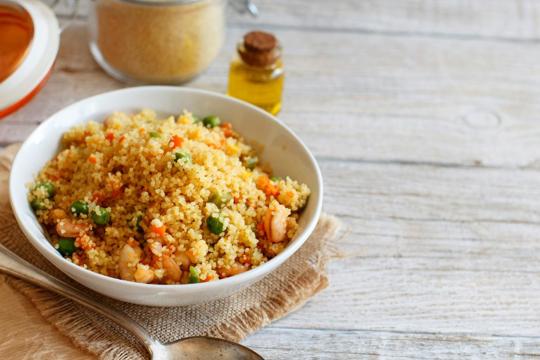
Couscous and pasta have some similarities that make them popular for various cuisines.
Both are types of starchy carbs used as staples.
They have a mild taste, allowing them to complement other ingredients.
Texture-wise, they have a firm yet tender bite.
Cooking them requires boiling in water or broth until softened.
Plus, couscous and certain types of pasta can be substituted in recipes - for shape-specific swaps see fusilli vs rotini pasta comparison to pick the best fit.
Lastly, they provide energy due to their high carb content.
They are also low in fat and contain important nutrients.
Couscous vs Pasta: Which is Healthier?
Couscous and pasta are both beloved dishes.
But which one is healthier? They differ in a few ways.
Couscous is made from semolina wheat, which is moistened and rolled into granules.
Pasta is commonly made with durum wheat flour and water.
This gives couscous its light texture, while pasta is chewier.
Couscous usually has less calories and carbs than pasta.
But pasta usually has more protein per serving.
Whole wheat couscous and pasta have more fiber than their refined counterparts.
Couscous contains selenium, magnesium, and B vitamins.
Pasta has iron and zinc.
The exact nutrient content may vary, though.
Which is healthier? It depends on your needs and tastes - consider couscous substitutes list if looking for different calorie or fiber profiles.
Couscous is lighter and has fewer calories and carbs, while pasta has more protein and a heartier texture.
Couscous and Pasta Varieties
Couscous and pasta have their own special flavors and textures.
Couscous is made from semolina wheat and pasta from durum wheat.
Moroccan couscous is made of small granules.
It's steamed and goes great with stews.
Israeli couscous is bigger and chewy.
It's best for salads.
Whole wheat couscous is healthier.
Pastas come in many shapes.
Spaghetti, penne, lasagna sheets - there's a shape for every sauce.
Long noodles like linguine or fettuccine match creamy sauces.
Macaroni or fusilli go great with chunky sauces.
Tortellini and ravioli are special and have a filling.
Cooking methods are different too.
Pasta is boiled in salted water.
Couscous is steamed or soaked in hot water.
That way, each grain absorbs the right amount of liquid for the best taste and texture.
For an alternative grain perspective, compare quinoa vs pasta comparison to see how protein and texture differ.
Cooking Differences: Couscous vs Pasta
Ultimately, both couscous and pasta are delicious, flexible ingredients that are suitable for a variety of dishes.
Cooking either one can easily help you create something special in the kitchen.
The differences between the two lie in their texture, taste and nutritional value.
Couscous is made from semolina wheat and has a lighter, airier consistency than pasta's denser structure.
It also has a mild flavor compared to pasta, which comes in different flavors and shapes depending on the variety.
Also, couscous has more healthy nutrients like fiber, magnesium and protein than pasta.
Both ingredients are excellent for adding flavor to salads or soups or serving as sides with roasted veggies or meats.
So why not take advantage of having both on hand? Get creative and explore what kind of exciting cooking experiences you can come up with using the unique flavors from either couscous or pasta.
Gluten-free options have their own textures. gluten-free pasta vs regular pasta comparison explains key differences. the pasta mishaps: overcooked pasta taste describes what to avoid when cooking.
Frequently Asked Questions
The main difference between couscous and pasta is their ingredients and texture. They share some similarities but each has qualities that make it better suited for certain recipes.
It depends on the dish. Couscous and Pasta share some overlap, but each shines in different preparations.
Swapping works best in forgiving recipes like soups or stews.
Pricing varies by brand and region, but one is typically more accessible at everyday price points. The other may cost more due to specialization or limited supply.
Is there a best time to use each one?
One shines in applications requiring subtlety and background support.
The other is better when it is meant to be a center.
Matching the right one to its role makes a noticeable difference.