
Summary of key points
The main difference between couscous and orzo is the type of grain used. Couscous is made from semolina flour while orzo is a type of pasta made with wheat.
In terms of appearance, couscous is more granular and resembles small beads, while orzo has a longer and thinner shape similar to rice.
In terms of taste, both grains have a mild and slightly nutty flavor. However, orzo may have a firmer texture when cooked compared to the softer consistency of couscous.
In terms of culinary uses, both grains are often used as a base for salads, stews, or mixed with vegetables and meats. Couscous is commonly used in North African cuisine while orzo is more popular in Italian and Greek dishes.
Ever stare at tiny grains in the kitchen and think, "Is this couscous or orzo?" Yep, we've been there.
Couscous is a North African staple, tiny pearls of semolina. Orzo, on the other hand, hails from Italy, a rice-shaped pasta.
Both might fool a hungry stomach at a quick glance. We once cooked orzo expecting it to fluff up like couscous.
Spoiler: it didn't.
Now, we're here to lay it all out. The differences, uses, and a few chuckles about our mix-ups along the way.
What is Couscous?
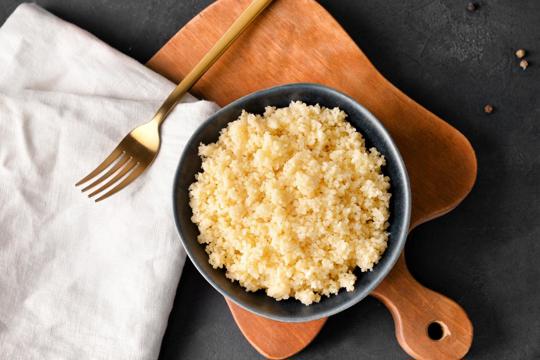
Couscous is a grain made from semolina flour.
It's a popular ingredient in North African cuisine.
Tiny granules are cooked by steaming, making it light and fluffy.
It's often used in salads, stews, and sides. Let's learn more about couscous.
It's made from rolling semolina flour, water, and salt together.
After drying, steaming cooks the couscous.
This process allows it to absorb moisture and keep its shape.
Couscous comes in different sizes.
Fine takes less time to cook and has a delicate texture.
Larger granules take longer and are chewier.
To explore flavor pairings that complement mild grains, what goes well with lemon in desserts? examines complementary tastes that can inspire pairings.
What is Orzo?

Orzo, an Italian pasta with an oval shape, is often mistaken for rice.
It's made from durum wheat flour, unlike couscous which is made from semolina flour.
Its unique shape lets it absorb flavors and sauces well.
Orzo is versatile in the kitchen.
It can be used in soups, salads, and even main courses.
It brings a nice chewiness to dishes.
Orzo is great in creamy risottos or mixed with roasted vegetables.
It's adaptable when cooked.
Cooks can make it as al dente or tender and fluffy, according to their preferences.
Plus, it cooks quickly, making it a convenient choice for a satisfying meal.
Couscous and orzo look similar and are used in recipes, but their origins and compositions are different.
Couscous comes from North Africa and has a finer texture.
It's made from steamed semolina grains and goes well with stews and tagines.
Differences Between Couscous and Orzo
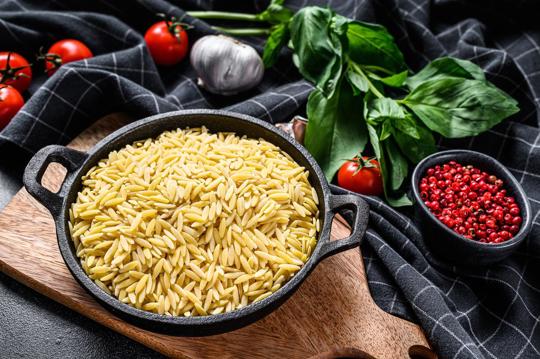
Couscous and orzo are both types of pasta - but very different - see couscous vs pasta comparison for a closer look at how they differ.
1 - Origin and Culinary Background
Couscous and orzo have unique characteristics that make them distinctive.
Couscous originates from North Africa and is made of semolina wheat or barley flour.
It has a light, fluffy texture and is used in both savory and sweet dishes.
The traditional method for steaming couscous involves using a special pot called a couscoussier.
Orzo comes from Italy, particularly the south.
Unlike couscous, it is shaped like rice but is actually pasta.
This small-sized pasta has a delicate appearance and smooth texture.
It is commonly used in soups, salads, pilafs, and casseroles.
Couscous and orzo are distinct in terms of taste profiles and cultural significance.
North African couscous highlights cumin, coriander, cinnamon, and saffron.
Orzo accentuates the flavors of Mediterranean ingredients like olive oil, garlic, tomatoes, and fresh herbs like basil.
So, why not start a journey and explore the diverse culinary possibilities of couscous and orzo? Delight in flavorful dishes from across the globe.
2 - Shape and Texture
Couscous and orzo may look alike. But, they differ greatly.
Couscous is made from crushed durum wheat semolina.
This gives it a light and fluffy texture.
Orzo is pasta shaped like large grains of rice.
It has a denser texture and a substantial bite.
Couscous is perfect for salads, stews, and tagines.
Its small size also means faster cooking time.
Orzo is great for soups, casseroles, and pilafs.
Its chewy texture improves dishes.
Couscous and orzo are different.
The choice depends on the desired outcome.
Knowing these differences helps you pick the right ingredient for your next meal.
3 - Ingredients and Grain Type
Couscous and orzo may look alike, but they're not the same.
Couscous is made from semolina wheat and orzo is durum wheat.
They have different textures plus flavors that can change a dish.
Couscous has a light, fluffy texture. It has a nutty taste that goes with sweet or savory dishes.
Orzo has a texture like rice or barley and a mild flavor, making it great for cooking.
Couscous is used in North African cuisine.
Moroccan dishes like salads or sides often use it.
Orzo is popular in Mediterranean food, like soups, salads, and pilafs.
Nutrition-wise, couscous is higher in calories and lower in fat.
It also has more fiber and protein.
However, they're both good sources of carbs.
Just watch your portion sizes.
Couscous and orzo look similar but they're not.
Knowing the difference can help you pick the right grain for your dish.
For another grain-focused comparison, grain alcohol vs vodka comparison explains differences in production and composition.
4 - Cooking Methods and Preparation
Cooking couscous and orzo involve different techniques.
Couscous usually steams or boils, taking less time than boiling orzo.
However, you can also sauté the orzo before boiling.
Both grains are versatile and can be used in various recipes.
When cooking techniques call for deglazing or adding acidity, white cooking wine vs white wine vinegar comparison shows which ingredient works better in various recipes.
Similarities Between Couscous and Orzo
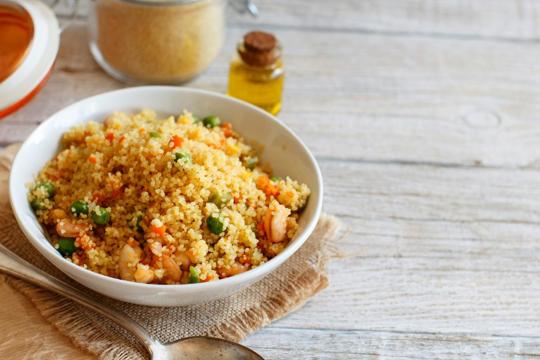
Couscous and Orzo are two types of pasta.
They look similar, but have some differences.
They can be used interchangeably in recipes - compare orzo vs arborio comparison to see where swap-ins work best.
They have a neutral flavor, so they take on the taste of other ingredients.
Couscous is made from durum wheat semolina.
It has a nutty flavor and a light, fluffy texture when cooked.
Orzo is like grains of rice. It is used in Italian dishes like minestrone.
When cooked, it holds its shape and has a more substantial bite.
Nutritional Comparison
Couscous and orzo are both popular grain-based foods.
But they differ in their nutritional value.
Couscous is a staple of North African cuisine and is made from semolina wheat.
It provides energy with carbs but lacks fiber and protein.
Orzo, which looks like large grains of rice, contains more fiber and protein.
So, it helps you feel fuller longer.
Calorie-wise, couscous is higher than orzo.
A 1 cup serving of cooked couscous has 176 calories, while the same amount of cooked orzo has 140 calories.
This is important for those watching their calorie intake.
Plus, their mineral composition differs too.
Couscous has more potassium and selenium than orzo.
Potassium helps maintain heart and muscle function.
Selenium is an antioxidant and protects your body from harmful free radicals.
Both couscous and orzo can be used in many dishes.
From salads to soups and pilafs, they add texture and flavor.
Before picking couscous or orzo, consider your dietary needs and preferences.
Couscous gives quick energy because of its carb content.
Orzo's fiber and protein give you sustained satiety.
For a sense of how savory additions change a dish's profile, nutritional yeast taste guide describes its umami-rich flavor.
Culinary Uses of Couscous and Orzo
Couscous and orzo are both incredibly versatile.
But, they differ in texture and origin.
Couscous is a North African staple.
It is made from durum wheat semolina, giving it a light and fluffy texture.
This makes it perfect for salads, pilafs, and stews - as it does not overpower other ingredients.
Orzo, also known as rice-shaped pasta, has its roots in Italy.
It is made from wheat semolina and has a similar shape and size to large grains of rice.
This makes it great for soups, casseroles, risottos, and pilafs.
It soaks up flavors effectively while adding substance to the dish.
Despite their similarities, couscous and orzo have distinct textures that are ideal for certain preparations - see couscous substitutes guide for suitable alternatives.
Couscous' airy mouthfeel enhances dishes with subtlety, while orzo offers a heartier bite that can stand up to bold flavors.
Couscous and orzo offer countless cooking possibilities, depending on which texture you prefer.
Texture and Cooking Differences: Couscous vs Orzo
After reading about the differences between couscous and orzo, it's clear that they both make excellent choices for a variety of dishes.
If your recipe calls for delicate flavors and light texture, choose orzo.
But if you're looking for something more intense in flavor with a slightly chewy texture, then go with couscous.
No matter what kind of dish or what flavor you're looking to create, there's no doubt that couscous and orzo will easily turn even the most common cooking ingredient into a gourmet meal.
Whether enjoyed as an entrée, side dish, or even a dessert topping, these tiny grains bring a taste of Mediterranean flavor to any plate.
Together, couscous and orzo can set the stage for adventurous cooking explorations that open up a world of new flavor combinations.
For swaps and alternatives, variety to recipes: orzo pasta substitutes selection lists good replacements. For serving ideas, what to serve with couscous: couscous side dish ideas outlines complementary sides.
Frequently Asked Questions
The main difference between couscous and orzo is the type of grain used. They share some similarities but each has qualities that make it better suited for certain recipes.
In many recipes, yes. Couscous and Orzo fill similar roles, though each brings its own character.
Try a small test batch before committing to a full swap.
Availability varies by region. One is usually a standard grocery store item while the other may require a specialty or international market depending on where you live.
Can a beginner tell the difference by taste?
In a side-by-side tasting, yes.
The difference becomes less obvious when mixed into a recipe with other ingredients.
Most people notice the distinction more clearly on its own.