
Good replacements for Best Couscous include Quinoa, Short-grain Rice, Sorghum, Millet, and Cooked Rice.
Quinoa, for instance, isn't just for health nuts.
For cooking, Short-grain Rice also works well - adjust the amount to taste.
Couscous is a staple in many kitchens, ours included. But have you ever hit a roadblock in your cooking adventure because you're out of couscous?
It happens to us all. Instead of scrapping dinner plans, we've found some amazing alternatives to keep the vibe alive.
Quinoa, for instance, isn't just for health nuts. It's a versatile champ that cooks up nice and fluffy.
And rice? It's not just a side dish; it can be the main event with the right recipe.
Then there's barley, bringing a nutty flavor that couscous can only dream of.
Not to mention, bulgur wheat and orzo pasta step in with their unique textures and flavors, making dinner not just saved but transformed.
The 5 Best Substitutes for Couscous
For those who are gluten-free or avoiding wheat for other reasons, couscous is often off-limits.
But that doesn't mean you have to miss out on this delicious and versatile food.
There are plenty of substitutes for couscous that will let you enjoy all your favorite dishes without the wheat.
1 - Quinoa
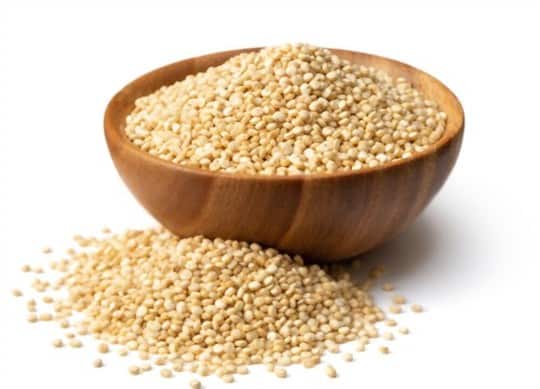
Quinoa is a South American grain that has become increasingly popular recently.
It has a light, fluffy texture and a slightly nutty flavor.
It is also very versatile; it can be used in sweet or savory dishes, as a side dish, or as the main ingredient.
Quinoa is high in protein and fiber and is also a good source of iron and magnesium.
It is gluten-free, making it a good choice for those with celiac disease or gluten intolerance.
Quinoa is relatively easy to cook; it can be boiled like rice or baked or roasted.
It can also be served cold, making it a great choice for salads or grain bowls.
Whether you are looking for a healthy alternative to couscous or simply want to try something new, quinoa is definitely worth trying.
2 - Short-grain Rice
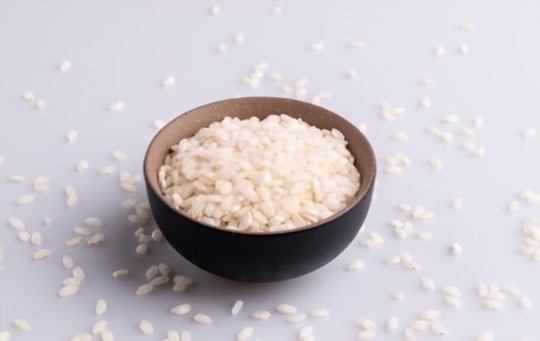
Short-grain rice is a type of rice that is characterized by its short, stubby kernels.
It is typically used in sushi, risotto, and paella.
Short-grain rice is higher in starch than other types of rice, which gives it a stickier texture.
It is also less likely to become mushy when cooked.
The high starch content also results in a sweeter taste.
For these reasons, short-grain rice is often considered the best type of rice for making sushi.
It is also popular for dishes that require a creamy or slightly sticky consistency, such as risotto and paella.
If you are looking for rice that has a sweet taste and a stickier texture, then short-grain rice is a perfect choice.
3 - Sorghum
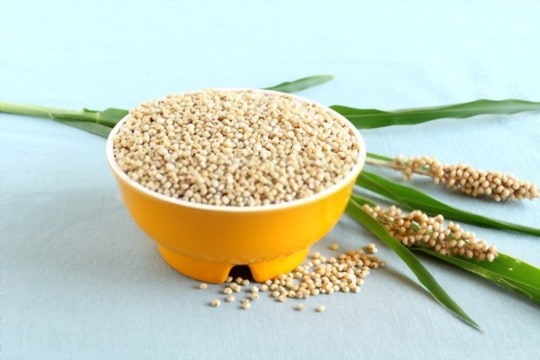
Sorghum is a type of grass that is native to Africa and has been used for centuries as a food source.
It can be used in place of rice or wheat in many recipes and is a good source of dietary fiber.
The grain can be ground into flour or pearl, and the sweet juice can be extracted and used to make syrup.
Sorghum has a mild, nutty flavor and a slightly chewy texture.
When cooked, sorghum has a fluffy, slightly sticky consistency that is similar to couscous.
The texture of sorghum also depends on how it is processed.
For example, whole grain sorghum has a chewy texture, while sorghum flour is more like traditional wheat flour.
No matter how it is used, sorghum is a versatile and delicious ingredient that can add flavor and interest to any dish.
4 - Millet
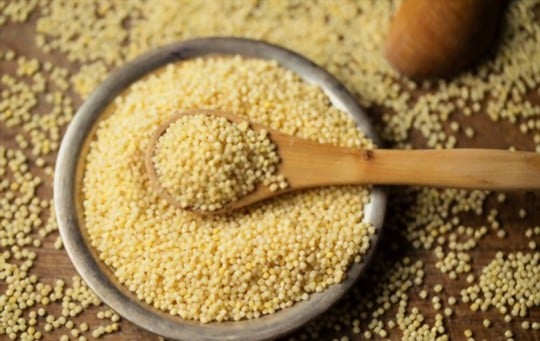
Millet is a grain with a nutty flavor and a slightly chewy texture.
When cooked, it retains its shape well and has a slightly sticky quality.
Millet is often used as an alternative to rice or other grains in pilafs and risottos.
It can also be eaten as a hot cereal or added to soups and stews.
Because of its mild flavor, millet pairs well with other ingredients, making it a versatile grain for use in many different dishes.
5 - Cooked Rice
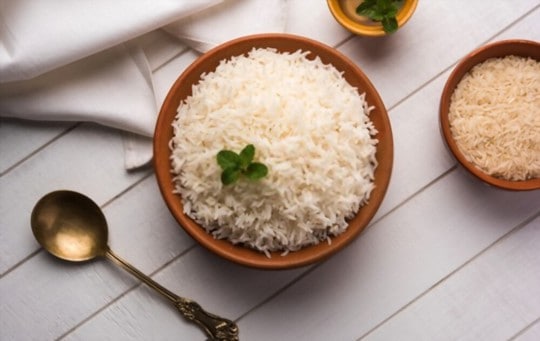
Cooked rice is a staple of many cuisines around the world.
It can be steamed, boiled, stir-fried, or even baked.
No matter how it is prepared, cooked rice always has a soft, slightly chewy texture.
The flavor of cooked rice is relatively mild, although it can vary depending on the type of rice used.
For example, brown rice has a nuttier flavor than white rice.
Basmati rice has a delicate, slightly floral flavor, while jasmine rice has a light, sweet taste.
Regardless of the type of rice used, cooked rice is a versatile food that can be enjoyed on its own or as part of a larger dish.
You might also want to know how couscous compares.
Frequently Asked Questions
Quinoa, Short-grain Rice, Sorghum, Millet, and Cooked Rice. Use it at a 1:1 ratio in any recipe that calls for Best Couscous.
In most cases, yes. Try Quinoa first since the flavor is closest.
Short-grain Rice handles heat and texture differently, so test in small batches.
It can, especially with ingredients that have distinct colors or pigments. The difference is usually minor in mixed dishes but may be more visible in lighter sauces or batters.
How do you adjust seasoning when using a substitute?
Taste as you go.
Substitutes can be saltier, milder, or sweeter than the original.
Add seasoning gradually and adjust at the end rather than matching the original recipe amounts exactly.