Summary of key points
The main difference between soft shell crab and hard shell crab is in the stage of maturity. Soft shell crabs are caught right after molting, when their shells are still soft and pliable.
Hard shell crabs are fully grown and have a hard outer shell.
In terms of cooking, soft shell crabs can be eaten whole, while hard shell crabs need to be cracked open to access the meat. Soft shell crabs are also often breaded and fried, while hard shell crabs can be cooked in various ways, such as steaming, boiling, or baking.
In terms of taste and texture, soft shell crabs are known for their tender and delicate meat, while hard shell crabs have a firmer texture. However, both types of crabs have a sweet and briny flavor that is beloved by seafood lovers.
Crabs, right? Those pinchy sea critters we all love.
Here's the scoop on soft shell and hard shell crabs.
Soft shells are teenage crabs, caught mid-growth spurt. They've ditched their old, snug homes for new, roomier ones.
Eating them is a breeze - no tools required.
Hard shells are the adults in the room. They've stopped growing and their shells are tough.
Crack and peel is the game here.
We've all been there, right? Wrestling with a crab leg at a family BBQ.
It's a battle.
Soft or hard, it's all crab. And who doesn't love crab?
What are Soft Shell Crabs?
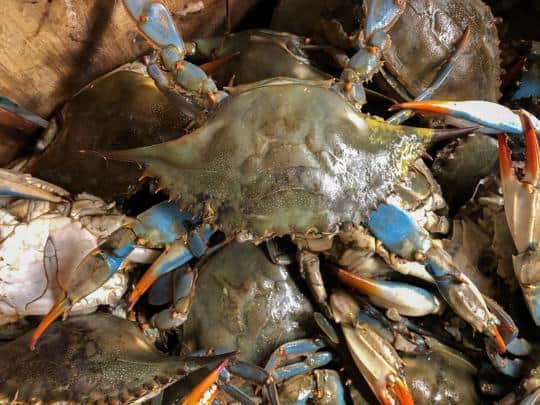
Soft shell crabs are a scrumptious seafood delight with an outer covering that differs from hard shell crabs.
When these species are caught during their molting phase, they develop a soft and edible shell, offering an exclusive cooking experience.
Molting happens when the soft shells shed their old exoskeletons.
This creates a brief period where their shells become flexible and delicate.
Chefs can then cook them whole without cracking or peeling.
They are usually eaten with their entire bodies intact, giving an amazing texture and flavor.
Soft shell crabs must be harvested at the perfect time.
Catching too early and they won't have shed their shells yet.
If caught too late, their new shells will have hardened.
So, timing is critical for this tender treat.
To prepare soft shells for cooking, they are usually cleaned by removing their gills and other parts before seasoning and lightly frying.
This enhances their natural flavor while maintaining the desired crispness of the soft shell.
Soft shells bring many benefits to food.
They can be fillings in sandwiches or tacos, or served as a main course with accompaniments.
What are Hard Shell Crabs?
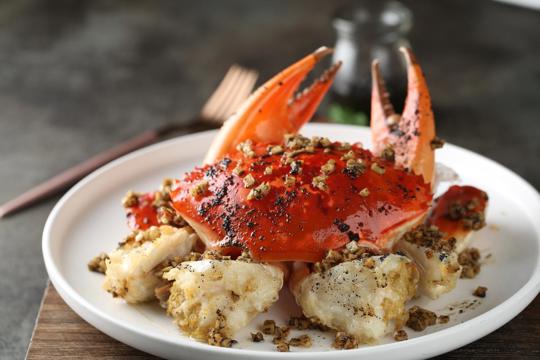
Hard shell crabs are crustaceans with an armor-like exterior.
Their shells don't expand as they grow, and they molt to shed them.
During this time, they must hide until their new shell hardens.
The hard shell offers them natural defense against predators and preserves the juicy flavor of their meat.
They are usually cooked live for maximum freshness.
In addition, these crabs have a special ability to regrow lost limbs.
If they lose a limb in a fight or an escape attempt, they can grow it back through autotomy.
This incredible adaptation cuts off blood flow to the wound and forms a soft tissue called blastema.
To sum up, hard shell crabs have protective shells that don't grow.
They molt and rely on their hardened shells for protection.
Their meat is delicious, and they can regenerate lost limbs through autotomy.
Differences Between Soft Shell Crabs and Hard Shell Crabs

Soft shell and hard shell crabs both have unique tastes and textures.
Knowing the differences helps people appreciate and experiment with them.
Life Stage and Molt Process
Crabs molt, or shed their old exoskeleton and grow a new one.
This is key for their growth. During molting, they become soft shell crabs.
These are more vulnerable and have a softer texture than hard shell crabs.
Soft shell crabs have just molted and are still forming a new exoskeleton.
They are easy to spot as their shells are soft and pliable.
You can eat all parts of them, including the legs and claws.
This stage is short-lived, only lasting a few days, then the exoskeleton starts to harden.
Now they are a hard shell crab.
Hard shell crabs have fully developed and hardened shells. This provides better protection.
Their shells cannot be eaten as they are too rigid.
These have firm meat and require more effort to crack open.
Not all species of crabs molt into soft shell crabs.
King crabs and Dungeness crabs, for example, never go through this stage.
To sum up, the main difference between soft shell and hard shell crabs lies in their life stage and exoskeleton.
Soft shell crabs have just molted and are still forming a new exoskeleton, while hard shell crabs have fully developed and hardened shells.
Texture and Edibility of the Shell
Soft shell crabs are distinct from hard shell crabs. Their shell is softer and more delicate.
This affects the eating experience and opens up culinary possibilities.
The soft shells are prized for their tender meat.
This is because they molt, shedding their old exoskeleton.
During this transition, the shell remains flexible and edible.
This makes it easy to eat without having to crack it open.
The malleable shell allows for various cooking methods, such as frying, grilling and sautéing.
It absorbs marinades and spices well.
This yields a dish with a great balance of textures - crispy on the outside, tender on the inside.
Soft shell crabs are also convenient. No need to crack open tough exteriors.
Plus, they can be used in many dishes - sandwiches, salads, pasta, and more.
A unique delicacy with endless possibilities.
Culinary Use and Preparation Methods
Soft shell and hard shell crabs vary in their culinary use and prepping.
Soft shell crabs are treasured for their tender meat.
The hard outer shell is taken off before cooking them.
They can be sautéed, fried, or grilled.
Hard shell crabs require more time to get their meat.
These are often used in crab cakes or boiled in seasoned water.
Each type of crab provides unique qualities for different tastes.
Both soft shell and hard shell crabs offer scrumptious choices for seafood lovers.
Availability and Seasonality
Soft shell crabs are a delicacy from late spring to early autumn.
That's when they molt and shed their hard outer shell.
During these months, they are prime and sought after.
Hard shell crabs are available all year round. They don't molt like soft shells.
Different species of hard shells have varied availability based on their habitats and fishing seasons.
Soft shell crabs are tender and mild.
They are fried or grilled and found in seafood restaurants and markets in the warmer months.
Hard shells are more work to eat, but they offer a bigger meat yield than soft shells.
They have a firm texture and a sweet taste that appeals to seafood lovers.
Hard shells are usually boiled or steamed before being cracked open.
Soft shell crabs have a seasonal limit.
But, hard shells offer a consistent supply all year.
Both types have their own unique qualities and flavors, so seafood fans can enjoy various creations throughout the year.
Similarities Between Soft Shell Crabs and Hard Shell Crabs

Soft shell and hard shell crabs share lots.
They are the same species, and both are yummy. People love their sweet, juicy meat.
Both can be cooked in a range of ways, like grilling, frying, or sautéing.
Plus, both types go through molting.
This is when they shed their old exoskeleton to get bigger.
Their shells become soft and pliable, then harder.
This process happens many times in their life.
But, they look different.
Soft shell crabs have recently molted. Their thin outer shell is edible.
Hard shell crabs have fully developed shells. You have to crack them to get at the meat.
This gives a unique experience to people who like the challenge of breaking open a crab's exoskeleton.
Soft shell crabs are only available at certain times of the year.
But, hard shell crabs can be eaten all year round.
flavor and Taste Comparison
Soft shell and hard shell crabs may look alike, but their flavors differ.
Soft shell crabs are known for being tender and sweet.
Hard shell crabs, on the other hand, have a strong, briny taste.
Soft shell crabs have an edible shell.
This offers a unique texture - crisp outside, moist inside.
With hard shell crabs, you must crack them to access the meat.
They tend to be bigger than soft shell crabs.
Cooking methods can make a big difference in flavor.
Light ingredients like lemon juice work best on soft shells.
For hard shells, you can use bolder flavors like black pepper, paprika, or chili powder.
How to Enjoy Soft Shell Crabs and Hard Shell Crabs?
Soft shell crabs boast a delicate texture and mild flavor.
Enjoy them by sauteing or deep frying.
Use as a main dish or in sandwiches and salads.
Hard shells take more effort - crack 'em open with a mallet or hands.
Steaming or boiling and seasoning with spices is a great way to begin.
Improve the taste with tartar or aioli for soft shells and butter-based garlic sauce for hard shells.
Safety first. Both types should be cooked through.
Soft shells should be crispy on the outside, tender on the inside.
Hard shells should have firm but juicy meat.
Whether soft or hard, there are countless yummy ways to enjoy crabs.
Experiment with flavors and techniques for an elevated experience.
Culinary Differences: Soft Shell vs Hard Shell Crab
After reading this article, you should now have a much better understanding of the differences between soft shell and hard shell crabs.
From their appearance to their taste, texture, and availability, you can now have an idea of what kind of crab each one entails.
While they both offer a delicious dining experience, it is important to recognize that each has unique characteristics that make them stand out from one another.
Ultimately, the decision is yours-do you prefer the sweet and delicate flavor of the soft shell or the crunchy and sweet magnificence of the hard shell? Whatever type of crab you choose, it's sure to be a memorable meal.
And with so many different cooking methods available for each variety, feel free to explore new flavors and recipes until you find your perfect crab feast.
Frequently Asked Questions
The main difference between soft shell crab and hard shell crab is in the stage of maturity. They share some similarities but each has qualities that make it better suited for certain recipes.
Often, yes. The two share enough common ground that most palates won't notice a swap.
Soft Shell Crab is usually milder while Hard Shell Crab brings more intensity.
Nutritional differences exist but are often minor in typical serving sizes. Neither is universally healthier - it depends on what specific nutrients or dietary goals you are focused on.
Which stores better after opening?
Once opened, one keeps better in the refrigerator with proper sealing.
The other may oxidize or separate more quickly, so using it promptly or in smaller quantities works better.