
Summary of key points
The main difference between sprouted tofu and regular tofu is in the way they are made. Sprouted tofu is created by fermenting soybeans, while regular tofu is made by curdling soy milk.
This process gives sprouted tofu a slightly different texture and flavor compared to regular tofu.
Also, sprouted tofu has a higher protein content and may be easier to digest for some individuals. However, regular tofu is more versatile in cooking and can be used in a variety of dishes such as stir-fries, soups, and even desserts.
When it comes down to it, the choice between sprouted tofu and regular tofu will depend on personal preference and dietary needs. Both options provide a great source of plant-based protein for vegetarian or vegan diets.
Ever noticed how tofu sections in stores keep growing? There's sprouted tofu, then there's the regular kind.
Big question: what sets them apart?
We dived into the tofu ocean, without any special gear. Sprouted tofu is like the hip cousin of the regular tofu.
T4It's made from sprouted soybeans. Sounds healthier, right?
And yes, it kind of is.
Our test kitchen got busy. One thing we noticed: sprouted tofu has a firmer texture.
And talking about flavor? A bit nuttier.
Regular tofu, on the other hand, is our reliable friend.
Smooth, blendable, and always there in a pinch.
We even threw them into our curry last Tuesday. Both rocked.
What is Sprouted Tofu?
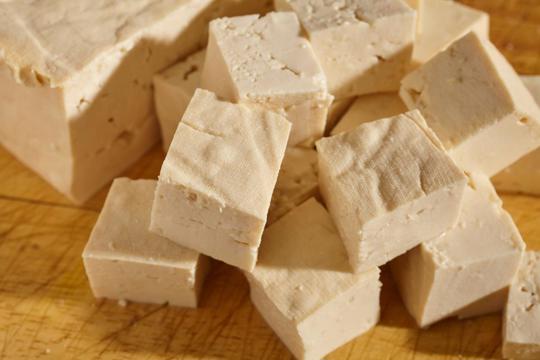
Sprouted tofu is different than regular tofu.
It's made from sprouted soybeans, rather than unfermented soy milk.
Plus, the sprouting process adds more vitamins, minerals, and antioxidants.
It also has a nutty flavor and a firmer texture.
Nutritionally, sprouted tofu has more protein and fiber.
So, it's a healthier option for those looking to increase their nutrient intake.
Sprouted tofu is great in stir-fries, salads, and soups.
Plus, it holds its shape when cooked.
If you want to explore something new, try sprouted tofu.
It offers a unique twist on traditional tofu with its distinct flavor, texture, and nutritional benefits.
What is Regular Tofu?

Regular tofu, also known as bean curd, is a staple in many Asian cuisines.
It's made from soy milk that has been coagulated.
This creates a neutral flavor that can take on the taste of surrounding ingredients.
Plus, it has a unique texture.
Regular tofu comes in different consistencies - soft, firm, and extra firm.
Soft tofu is great for desserts or soups.
Firm and extra firm tofu are better for stir-fry and grilling.
Nutritionally, regular tofu is low in calories but high in protein.
It contains all nine essential amino acids.
Plus, it has minerals like calcium, iron, and magnesium.
It's also a good source of antioxidants and polyunsaturated fats.
The production process of regular tofu is unique.
Soy milk is extracted from soaked soybeans.
Then a coagulant like calcium sulfate or magnesium chloride is used to curdle it.
The curds are pressed to remove excess liquid before being molded into blocks.
This process creates regular tofu's unique texture and sets it apart from sprouted tofu.
Regular tofu is an ingredient to explore.
It's versatile, nutritious, and has a distinct production process.
Vegetarians and meat-eaters alike can benefit from adding it to their meals.
There are endless possibilities for culinary creativity with regular tofu.
For a look at how similar-sounding pairs can differ, see Marcona vs regular almonds comparison guide for a clear comparison of texture and flavor contrasts.
Differences Between Sprouted Tofu and Regular Tofu
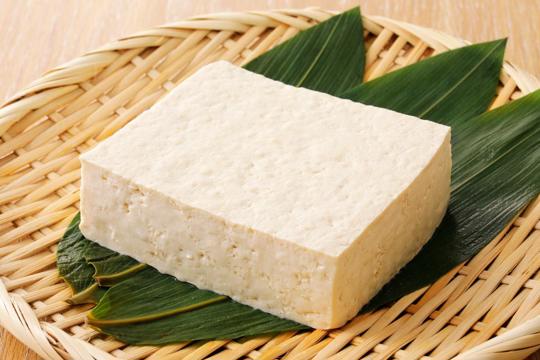
Sprouted tofu and regular tofu may appear alike, yet there are key contrasts between them.
For perspective on how tofu stacks up against animal proteins, consult tofu vs meat comparison benefits to weigh nutrition and culinary roles.
Production Process
Sprouted & regular tofu have different production processes.
To make sprouted tofu, you soak soybeans, germinate them, and then turn them into tofu.
This improves the nutrition & digestibility.
For regular tofu, you curdle soy milk & press the solids into blocks.
These production differences cause variations in taste, texture & nutrition.
Nutritional Composition
Sprouted and regular tofu have different nutritional compositions.
Sprouted tofu has higher protein, amino acids, vitamins, and minerals.
Plus, it has less fat. Still, regular tofu has its own advantages, such as calcium and iron.
Both kinds of tofu have qualities that can boost any diet.
If flavor influences how a nutrient is used in cooking, read nutritional yeast taste guide for insight into pairing savory, nutrient-dense ingredients.
Texture and Taste
Sprouted tofu has a different texture and taste than regular tofu.
It's firmer and nuttier, and perfect for grilling or stir-frying.
Its unique flavor adds complexity to dishes.
Plus, it has more nutritional value than regular tofu.
Vitamins, minerals, and antioxidants are more easily absorbed due to the sprouting process.
And it has less antinutrients, which can interfere with nutrient absorption.
It's also versatile. Sprouted tofu can be used in salads, curries, and desserts.
It won't break apart when cooked. So, it's a great option for those on plant-based diets.
Sprouted tofu offers a unique texture and taste to improve cooking experiences, plus more nutritional value and adaptability.
For another take on how unique flavors read in recipes, see acai berry taste guide to compare how distinct tastes affect dish composition.
Digestibility and Allergenicity
Sprouted and regular tofu have different digestibility and allergenicity factors.
Sprouted tofu, made from germinated soybeans, may be easier to digest due to the breakdown of compounds that can be difficult for some to digest.
Regular tofu may be more allergenic for those with soy allergies because of its higher concentration of soy proteins.
Therefore, those with known allergies should speak to a healthcare professional before consuming either type of tofu.
Sprouted tofu has unique nutritional advantages.
The sprouting process increases the bioavailability of minerals such as calcium, iron, and zinc.
It also has a higher concentration of antioxidants, which help combat oxidative stress and reduce the risk of chronic diseases.
Both offer valuable protein, their digestibility and allergenicity differ.
Sprouted tofu may be a better option for those who struggle to digest regular tofu or have allergies.
However, consultation with a medical professional is recommended prior to making any dietary changes.
Sprouted tofu may be a better choice in terms of digestibility and nutrition compared to regular tofu.
It provides better digestibility and more health benefits, but it is important to speak to a healthcare professional before making any changes.
Similarities Between Sprouted Tofu and Regular Tofu
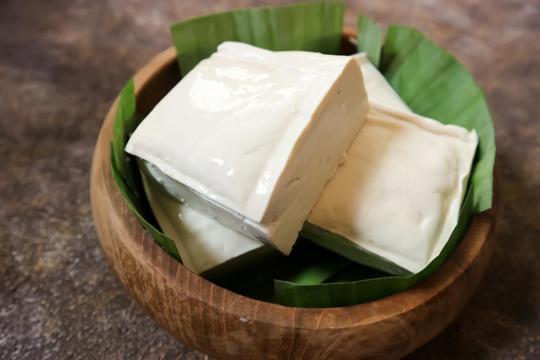
Sprouted and regular tofu share many similarities.
Both are made from soybeans and are packed with protein.
They are popular amongst vegans and vegetarians for their versatility and ability to take on flavors from other ingredients.
They can both be cooked in various ways, such as grilling, stir-frying, or baking.
They have similar textures, making them ideal for dishes like soups, salads, and wraps.
Also, they both provide essential nutrients like calcium, iron, and magnesium.
Low in calories, they can easily be added to a balanced diet.
Also, they are cholesterol-free, making them a heart-healthy alternative to meat products.
In terms of flavor, sprouted and regular tofu have a mild taste which can be enhanced with the right seasonings and marinades.
Whether you choose sprouted or regular tofu, they can both serve as a meat substitute, providing a great source of plant-based protein.
Some people prefer sprouted tofu over regular tofu, as it may contain higher levels of certain nutrients.
Sprouting increases the availability of vitamins B and C while decreasing levels of antinutrients like phytic acid.
However, there is limited scientific research comparing the nutritional profiles of the two types.
For an unrelated example of comparing similar products, see Hennessy VSOP vs regular comparison to understand how small production differences create noticeable results.
Cooking and Culinary Uses
Cooking with tofu? It's a case of sprouted versus regular.
Both are great in various dishes, but their texture and flavor can be different.
Regular tofu is mighty versatile.
It has a soft, creamy texture - perfect for blending into smoothies or desserts.
It also can be marinated, grilled, stir-fried, or added to soups or stews.
Its neutral flavor allows it to take on the tastes of spices and seasonings.
Sprouted tofu gives traditional recipes a unique twist.
Firm and with a slight nutty flavor, it adds a nice chewiness.
It can be sliced or diced for stir-fries, sautés, baked or grilled - great for kebabs and sandwiches.
Water content is different between these two types of tofu.
Regular tofu has more water, so it needs draining before cooking.
Sprouted tofu has less water, so it may not need as much draining.
Nutrition-wise, both offer similar benefits.
They're both made from soybeans, so they have protein, essential amino acids, iron, calcium, and other nutrients.
Some people believe the sprouting process may increase nutrient availability in sprouted tofu.
When choosing liquids for marinades and sauces, consider the roles of different acids and wines - white cooking wine vs white wine vinegar uses explains flavor and cooking differences.
Where to Buy Sprouted Tofu and Regular Tofu
Sprouted and regular tofu are easy to find.
Look for them in the refrigerated section of grocery stores, health food stores, and online retailers.
Asian markets also carry a wide variety of tofu types.
Plant-based diets are popular now, so it's easier to find these ingredients.
Shop in-store or online - there's sure to be sprouted and regular tofu near you.
For another example of where to find similar produce types, see hothouse vs regular cucumber differences to learn where each variety is commonly sold.
Nutritional Benefits of Sprouted vs Regular Tofu
Having explored both sprouted and regular tofu, it's clear that there are several distinct differences between the two.
From the processing procedures and practices to the taste and nutritional value, it becomes obvious that those looking to maximize their pepper protein intake should opt for sprouted tofu instead of regular tofu.
Sprouted tofu has more minerals, fewer toxins, and a more strong flavor than its counterpart.
Ultimately, aware consumers should select products with careful consideration rather than just mindlessly choosing the least expensive variety available.
To guarantee your meal is as healthy as possible, shop smart and purchase only ethical brands that have high-quality assurance policies so you know your product was made responsibly.
Frequently Asked Questions
The main difference between sprouted tofu and regular tofu is in the way they are made. They share some similarities but each has qualities that make it better suited for certain recipes.
They can stand in for each other in a pinch. Sprouted Tofu and Regular Tofu overlap in some uses, but the flavor or texture will shift.
Adjust quantities to taste.
Shelf life differs based on processing and packaging. One often keeps longer unopened, while the other may need refrigeration or faster use after opening.
Which one is more forgiving in recipes?
One tends to perform more consistently across a range of cooking methods, making it the safer choice when experimenting.
The other delivers stronger results in specific applications.
Thai Banana vs Regular Banana: texture and use differences highlights how varieties can change cooking roles. Mini Cucumbers vs Regular Cucumbers: size and flavor comparison explains when one type fits recipes better.