
Summary of key points
The main difference between habanero and jalapenos is in their level of spiciness. Habaneros are known for being one of the hottest chili peppers, while jalapenos have a milder heat.
In terms of flavor, habaneros have a fruity and slightly floral taste, while jalapenos have a more earthy and grassy flavor. Because of their intense heat, habaneros are often used in small quantities or as a way to add a kick to dishes.
Jalapenos, on the other hand, can be used in larger quantities and are commonly found in Mexican cuisine.
It's important to handle both types of peppers with caution as they can cause skin irritation or burns if not handled properly. It's also important to note that personal tolerance for spiciness may vary, so it's best to use these peppers in moderation when cooking for others.
Ever stared at a pepper and wondered, "What on earth are you?" Well, we often find ourselves in a spicy dilemma - habanero or jalapeño?
Both pack a punch. Yet, they're not twins in a pod.
Habaneros, those little fireballs, light up dishes with intense heat.
Jalapeños? A tad gentler.
They flirt with our palate, offering a warmth that's just right.
Why do we care?
One time, we threw a habanero into the salsa. Thought we were brave.
Spoiler: We weren't.
No more mix-ups. Ready?
What are Habaneros?
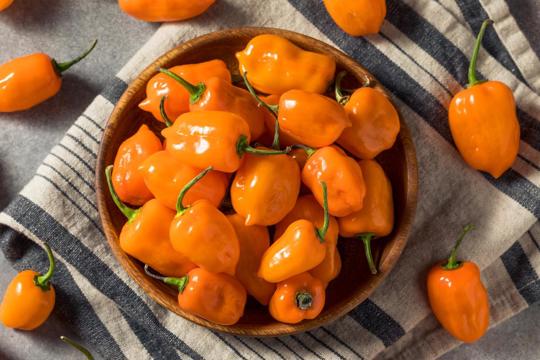
Habaneros are a type of chili pepper that will certainly ignite your palate.
With a distinctively smoky and slightly sweet flavor, these fiery peppers range from 100,000 to 350,000 Scoville units, making them one of the hottest peppers you'll come across.
Originating from the Yucatan Peninsula in Mexico, the habanero has become increasingly popular in recent years, especially in spicy food lovers' diets.
And the is, not only are habaneros flavorful and versatile in the kitchen, but they also have some fantastic health benefits.
Packed with vitamins A and C, iron, and potassium, these small peppers can be a good addition to a balanced diet.
So if you're up for the challenge, give habaneros a try and experience the heat and flavor for yourself.
What are Jalapenos?

Jalapenos, originating from Mexico, are a type of chili pepper that is commonly used in cooking due to its unique flavor and mild to medium spiciness.
One can recognize them by their oblong shape, deep green color, and distinctive wrinkles.
These peppers contain a good level of Vitamin C and potassium - both nutrients that are important in maintaining a healthy and strong body.
Interestingly, the spiciness of jalapenos comes from a compound called capsaicin, which is also found in other chili peppers.
Surprisingly, the heat of jalapenos can vary depending on several factors such as maturity, size, and growing conditions.
However, despite the varying degrees of spiciness, jalapenos always manage to add a unique and exciting flavor to countless recipes.
Heat Level Comparison: Habaneros vs Jalapenos
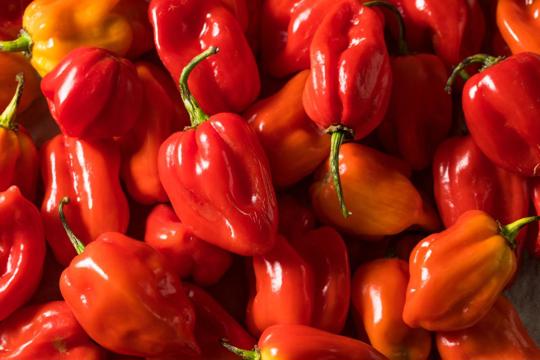
Habaneros and jalapenos are two types of chili peppers.
Habaneros are much hotter.
They range from 100,000 to 350,000 Scoville heat units (SHU).
Jalapenos are milder, with 2,500 to 8,000 SHU.
The heat in habaneros is due to capsaicin.
It stimulates the sensory nerves and creates a burning feeling.
In terms of flavor, habaneros have fruity undertones.
Jalapenos offer a milder, earthy taste.
This means they can be used for different culinary purposes.
Habaneros for salsa and hot sauces.
Jalapenos for dishes without overpowering them.
When handling either type of pepper, caution is needed.
They can cause irritation or burns.
Gloves or washing hands thoroughly is recommended.
Habaneros and jalapenos differ significantly in terms of their heat levels.
Knowing these distinctions will help you choose the right pepper for the desired level of heat in your favorite dishes.
flavor Comparison: Habaneros vs Jalapenos
Habaneros and jalapenos are two popular hot peppers.
Habaneros have intense heat and a fruity taste.
Whereas, jalapenos have milder heat with a grassy and sweet flavor.
Both add a unique kick to dishes.
Habaneros make your palate sing, while jalapenos provide a more subtle heat.
Consider your heat tolerance and flavor you want, when deciding which pepper to use.
Physical Appearance and Size Comparison
Habanero and jalapenos are often confused.
But they are different.
They both belong to the Capsicum family.
Habaneros are smaller and round. They have a wrinkled skin.
Jalapenos have a smooth skin. Size and texture affect the flavor of each pepper.
Knowing the differences can add to the spicy food experience.
Culinary Uses and Pairings: Habaneros and Jalapenos
Habaneros and jalapenos are peppery delights used in many recipes.
Habaneros bring intense heat to salsas, marinades, and hot sauces.
Meanwhile, mild jalapenos offer an earthy, smoky flavor for nachos, chili, and stuffed appetizers.
These peppers differ in terms of spiciness.
Habaneros have a scorching heat level between 100,000-350,000 SHU.
In contrast, jalapenos are milder, measuring 2,500-8,000 SHU.
This difference allows chefs to control the dishes' heat levels.
They can be swapped, the flavors and spiciness will change.
It's up to the cook to decide which pepper to use based on their heat tolerance and taste preferences.
Habaneros bring the heat while jalapenos provide a milder touch.
Knowing their distinctions helps cooks select the right pepper to tempt palate.
Scoville Scale: Measuring Pepper Heat
The Scoville Scale is a must-have to measure pepper heat.
It lets us compare how spicy different peppers are.
Wilbur Scoville, a pharmacist, created it in 1912.
He made a method of diluting pepper extracts with sugar water.
People then tasted them to get the heat level.
The Scoville Scale rates peppers on capsaicin concentration.
Capsaicin is the compound that causes peppers to be hot.
The more capsaicin, the hotter the pepper.
Habaneros are very spicy and get a high score.
Jalapenos have a milder heat and score lower.
The range of the Scoville Scale is 0 (no heat) to over 2 million units (very hot).
At first, humans tasted the pepper to measure its heat.
Nowadays, HPLC technology does it.
Habaneros and jalapenos are both on the Scoville Scale.
But they have different flavors.
Habaneros have intense heat and a fruity taste.
That's why they are used in hot sauces and salsas.
Meanwhile, jalapenos have a milder flavor and are used as toppings or ingredients in dishes.
Safety Precautions when Handling Habaneros and Jalapenos

Handling habaneros and jalapenos requires safety precautions.
Here's a 3-step guide:
- Wear gloves. These peppers contain capsaicin, which can cause burning sensations if it touches your skin. Gloves provide a barrier to minimize the risk.
- Don't touch your face. Capsaicin can easily transfer from your hands to your eyes, nose or mouth, causing discomfort or pain. Wash your hands thoroughly after handling these peppers.
- Clean utensils and surfaces. After cutting or working with these peppers, clean all items with soap and water. This prevents any residual capsaicin being left behind.
Remember, habaneros and jalapenos are intense due to capsaicin.
This compound gives the peppers their spiciness but also makes them harmful if not handled properly.
Heat Levels of Habanero and Jalapenos
As shown throughout this post, when it comes to habanero and jalapenos, there are some significant differences between these two flavorsome peppers.
From their variety of shapes, sizes, and colors to their varying heat levels, habaneros and jalapenos make for diverse ingredients in a wide range of dishes.
While they are both often seen as key components of Mexican cuisine, they also play an important role in other cultures around the world, introducing bright flavors and aromas to anything from sandwiches and salads to soups and sauces.
For those seeking something more mild than the hotness found in most habaneros, the slightly milder jalapeno can be an ideal option.
However, for anyone looking for that extra kick of heat with every bite that a true habanero pepper can provide, then there is really no substitution.
Frequently Asked Questions
The main difference between habanero and jalapenos is in their level of spiciness. They share some similarities but each has qualities that make it better suited for certain recipes.
Sometimes. Habanero works where Jalapenos is called for in certain dishes, but not all.
Check whether the recipe relies on a specific quality before substituting.
Cold preparations like salads and dressings often favor the option with a sharper, more defined flavor. Heat can mellow both, so the distinction matters more in uncooked dishes.
Do professional cooks prefer one over the other?
Professional preference depends heavily on the dish and cuisine style.
Each has its context where it outperforms the other, so most experienced cooks keep both on hand.