
Summary of key points
The main difference between whelk and conch is the type of mollusk they come from. Whelks are a type of sea snail, while conchs are large sea snails with spiral-shaped shells.
In terms of flavor and texture, both whelk and conch have a chewy and slightly rubbery consistency. However, whelks tend to be smaller and have a milder taste compared to conchs, which are often described as having a stronger and more gamey flavor.
Both seafood options are commonly used in various dishes, such as soups and stews, and can be found in different cuisines around the world. these mollusks may have different nutritional values depending on their species and how they are prepared.
Ever wondered about the difference between a whelk and a conch?
We got you. These sea creatures often confuse the best of us with their spiral shells and marine charm.
Each sports its unique flair in the ocean's depths.
Whelks tend to lean on the smaller side, and their taste? Oh, it's a seafood lover's dream.
T4Conchs, on the other hand, are the beefier cousins, with a size that's hard to miss.
Our seaside escapades led us to a scrumptious discovery once. Picture this: a plate full of well-prepared whelks and conchs.
It was a meal we'll never forget.
Ready to dive deep into their fascinating world?
What is Whelk?

Whelk are often mistaken for conch.
These sea snails have spiral shells and belong to the Buccinidae family.
Their shells are thick and rugged, protecting them from predators and the ocean.
Whelk differ from conch in diet.
They are carnivorous, using their muscular foot to search for clams, mussels, and other shellfish.
They use their radula (tongue-like organ) to capture their prey.
Then, they drill a hole in the shell with acidic enzymes and suck out the soft tissues.
The breeding habits of whelk are distinct from conch.
Males transfer sperm to females with a penis.
Females lay eggs in gelatinous capsules, attached to rocks or surfaces.
The eggs hatch into larvae and grow into adult whelks.
Lemon brightens seafood as well as sweets - lemon dessert pairings and flavor matches show complementary ingredients that also work with shellfish.
What is Conch?

Conch, those magical sea creatures, are mollusks that belong to the same family as snails and clams.
With their recognizable spiral-shaped shells and bright colours, they are easily spotted.
They are found in warm coastal waters all over the world and have been a part of different cultures for centuries.
Their hard external shell protects their soft bodies.
The shell is made of calcium carbonate and grows with the conch.
Its shape can vary depending on where the conch lives and its diet.
Some species have long, slender shells, while others have shorter, sturdier ones.
Surprisingly, conch are hermaphrodites, meaning they have both male and female reproductive organs.
They lay eggs after fertilization takes place inside them.
After hatching, young conch larvae float along with ocean currents until they find a suitable place to settle on the ocean floor.
Conch are not just biologically significant, but also culturally important.
Their meat is a delicacy in some cuisines, e.g. Caribbean and Mediterranean dishes.
Conch shells are often used as musical instruments or decorations because of their unique shape and strength.
Conch can be served with dips and salsas; what to eat with guacamole suggests dipping combos that translate well to fried or grilled conch bites.
Differences Between Whelk and Conch
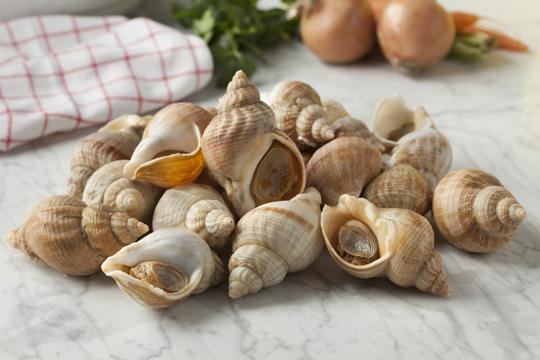
In short, these marine gastropods share common roots, but differ in habitat, diet, and appearance.
Whelks are found in cold waters and eat other shellfish, while conchs live in warm environments and feed on plant matter - learn about the conch's flavor in this conch taste guide for seafood lovers.
Taxonomy and Classification
Taxonomy and Classification are important for understanding the difference between whelks and conchs.
Scientific processes categorize and classify organisms based on their characteristics, and explain their evolutionary relationships.
When comparing whelks to conchs, taxonomy reveals essential features.
Both creatures belong to the Mollusca phylum.
But, they are classified into different families: Buccinidae for the whelks and Strombidae for conchs.
Whelks are gastropods with a spiral shell that often has detailed patterns and a pointed spire.
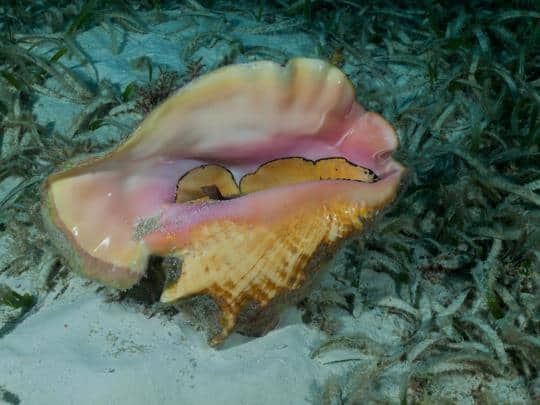
Conchs, however, have sturdier shells with a flared lip.
Also, the classification of these sea organisms includes their feeding habits.
Whelks are carnivorous predators.
They use their strong foot to scour the ocean floor in search of clams or mussels.
Conversely, conchs are herbivores that graze on algae beds.
This dietary variation results in different ecological roles in marine systems.
Physical Characteristics and Shell Shape
Whelks and conchs may appear alike, but their physical characteristics and shell shape are different.
Whelks have a spiral-shaped shell with a pointed apex - similar shell differences appear in a top shell vs abalone comparison that highlights distinctive shapes.
Conchs have a more elongated and cylindrical shell.
Whelks usually have thicker and rougher shells than conchs, which have thinner and smoother shells.
Also, the color patterns on their shells contrast.
Whelks have darker hues while conchs have lighter shades.
These unique features make it easy to tell them apart.
Habitat and Geographic Distribution
Whelks and conchs are two popular mollusks.
Whelks live in cold-water environments such as the North Atlantic and North Pacific oceans.
Conchs, however, prefer warmer waters like the Caribbean Sea and the Gulf of Mexico.
Whelks live in rocky areas like intertidal zones and subtidal regions with sandy bottoms.
They also inhabit shallow waters near reefs.
This gives them a wide range in their geographic distribution.
Conchs prefer sandy areas with seagrass beds or coral reefs.
They graze on algae or sea grasses in these habitats, and are abundant in the Caribbean Sea.
Whelk species can go into deeper waters, allowing them to explore a range of depths.
Conchs, however, tend to stick to shallower depths.
These mollusks have different habitats and geographic distributions, which gives us insight into their ecology.
It also shows us the diversity of marine life across different regions.
Flavor and Culinary Use
Whelk and conch offer a special flavor that can improve your dishes.
Whelk has a sweet, lobster-like flavor, perfect for seafood recipes.
Conch has a more mild, slightly sweet taste, like calamari or clams.
This makes it great in soups, salads and fritters.
In terms of texture, whelk is tender but firm.
Conch is chewier. This affects how they're cooked.
Both can be enjoyed raw in ceviche or sushi.
But they also shine when cooked.
Whelk can be boiled or steamed for pasta or risotto.
Conch can be marinated and grilled, or breaded and fried for appetizers.
These ocean treasures will add elegance to your meals - and understanding an extract vs flavor explanation for chefs helps highlight how subtle tastes carry through dishes.
But they may not be readily available.
If you can find them - go for it. Your palate will thank you.
Similarities Between Whelk and Conch
Whelks and conchs have some similarities.
Both are mollusks found in oceans.
They have spiral-shaped shells for protection.
They also both have a muscular foot and a head with senses.
Also, their eating habits are similar.
They both eat clams and small crustaceans - flavors from that diet show up in preparations like conch fritters taste examples for cooks.
Even though there're differences, these similarities show the link between them and the amazing marine life.
Nutritional Value and Health Benefits
Whelk and conch are great shellfish delights.
They are low in calories, yet provide high amounts of protein - perfect for a healthy diet.
Plus, they contain essential vitamins A and B12, minerals such as iron, zinc, and selenium.
Omega-3 fatty acids in these shellfish have many benefits.
They can reduce inflammation, support heart health, and boost brain function.
They also benefit skin and hair health.
Plus, whelk and conch are rich sources of antioxidants.
These protect cells from free radical damage, and may lower the risk of cancer and macular degeneration.
So, whelk and conch are amazing.
Both do they taste good, but they're also great for your health.
Why not indulge in them today?
For a savory, cheese-like boost that pairs well with seafood, nutritional yeast taste profile explains how it complements shellfish dishes.
Culinary Uses and Popular Dishes
Whelk and conch are prized for culinary uses.
They can be cooked in various ways, adding a classy touch to any meal.
Simmered, grilled, or served raw - these shellfish delicacies offer a unique and flavorful experience.
One popular dish is whelk salad.
This salad mixes the tender meat of whelk with crisp vegetables and a tangy dressing.
The mix of textures and flavors creates an amazing contrast that will tempt your palate.
Another beloved dish is conch fritters.
These deep-fried balls are made from minced conch meat, flour, and spices.
Crispy outside; soft inside.
Served with a zesty dipping sauce - they're irresistible as appetizers.
The versatility of whelk and conch doesn't end there.
Both are used in stews, chowders, and soups to add depth and richness.
Their slightly sweet taste blends well with other ingredients, making the overall flavor amazing.
Plus, whelk and conch have nutritional benefits.
They are excellent sources of lean protein and contain vitamins and minerals essential for good health.
Crave a delicate salad or crispy fritters? Whelk and conch will take your cooking projects to the next level.
Explore these tasty shellfish options and let your creativity shine.
Taste and Texture of Whelk vs Conch
From their outward appearance to their weight ranges, flavors, habitats, and more-they are dissimilar in many ways.
Although whelks might not be the most appealing option on a seafood restaurant menu, conch is lauded for its unique flavor that makes it a popular appetizer or entrée.
Whether you're looking for an interesting addition to a dinner party or simply want something different to enjoy while eating out, it's important to make sure you know exactly which type of shellfish you're getting.
With an understanding of the core differences between whelks and conchs, you'll be able to make an informed decision about your seafood choices.
So don't leave it up to chance: learn the difference now so that your seafood experience can be impressively delicious.
For further reading on related seafood flavors, consult a conch taste guide for flavor details. For shell shape comparisons across gastropods, see the top shell vs abalone comparison.
Frequently Asked Questions
The main difference between whelk and conch is the type of mollusk they come from. They share some similarities but each has qualities that make it better suited for certain recipes.
It depends on the dish. Whelk and Conch share some overlap, but each shines in different preparations.
Swapping works best in forgiving recipes like soups or stews.
Pricing varies by brand and region, but one is typically more accessible at everyday price points. The other may cost more due to specialization or limited supply.
Is there a best time to use each one?
One shines in applications requiring subtlety and background support.
The other is better when it is meant to be a center.
Matching the right one to its role makes a noticeable difference.