
Summary of key points
The main difference between turnips and jicama is in their origins and taste. Turnips are root vegetables that have been cultivated for hundreds of years, while jicama is native to Mexico and has gained popularity in recent years.
In terms of appearance, turnips are usually white or purple with a round shape, while jicama has a tan skin and oblong shape.
In terms of taste, turnips have a slightly bitter and peppery flavor, while jicama is mild and refreshing with a texture similar to water chestnuts. Both can be cooked or eaten raw, but turnips are more commonly used in savory dishes while jicama is often consumed as a snack or added to salads for crunch.
Ever stared at turnips and jicama in the store, wondering if they're just long-lost tuberous twins? Spoiler: they're not.
Turnips, those purple-hued veggies, have been around our dinners for ages. Jicama?
That's the crunchy newcomer on the scene. T4Different textures, flavors, origins.T5
Mistaking one for the other. Happens to the best of us. Here's a breakdown.
Short sentences. Quick facts. No fluff. Ready to finally get it? We thought so.
What is a Turnip?
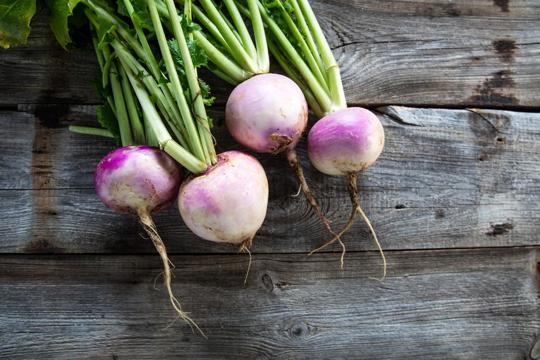
Turnips are root veggies in the Brassicaceae family.
They have a round, white or creamy shape.
They're known for their crunchy texture and slightly spicy taste.
Plus, they're packed with vitamins, minerals, and fiber.
You can enjoy turnips in many ways.
Raw, they make a good addition to salads and slaws.
When cooked, they get tender and sweet.
You can roast, boil, mash, or add them to soups & stews.
Turnips can grow in different climates and soils.
They love cool weather and can even handle frost and low temps.
So, they're perfect for colder regions.
Turnips have been used for medicinal purposes for many years.
They might have antioxidant properties that help reduce inflammation and strengthen immunity.
Some research suggests they might even help with heart health.
What is Jicama?

Jicama is a root vegetable native to Mexico, also known as Mexican turnip or yam bean.
It belongs to the legume family and has a crunchy texture and mild sweetness.
Latin American and Asian cuisines use it due to its health benefits and versatility.
Its rough, brown skin needs to be peeled.
The flesh is white and crunchy, like an apple or water chestnut.
You can eat it raw or use it in salads, slaws, and snacks.
Jicama is hydrating, low-calorie, and low-fat.
It is also rich in fiber and vitamin C, plus minerals such as potassium and manganese.
The mild flavor makes it easy to pair with other ingredients.
You can dip jicama in salsa or hummus, add it to stir-fries, or use it in savory or sweet recipes.
Differences Between Turnip and Jicama

Turnip and jicama may look alike.
But they have many differences.
Appearance and Texture
Turnips and jicamas look alike, but they differ in many aspects.
Turnips are round and have a smooth skin.
Jicamas have an elongated shape and a rough, brownish bark-like skin.
Turnips have a firm flesh, varying from white to yellowish.
Jicamas have a crisp, juicy texture like an apple.
The taste of turnips is slightly bitter or pungent.
Jicamas have a mild and sweet flavor.
Taste and Flavor
Turnips and jicamas may look similar, but their flavor is very different.
Turnips have a bitter, sharp taste with a hint of spiciness.
Jicamas are sweet and juicy with a mild flavor.
These flavors make them great ingredients in many dishes.
Turnips add an earthy, peppery taste to soups, stews, and roasts.
They make savory dishes more flavorful.
Jicamas are great for salads and slaws.
Their crisp texture is refreshing.
Turnips are firm and dense when raw.
They become tender when cooked.
Jicamas stay crunchy even after cooking.
They can be used in stir-fries or as snacks.
To sum up, turnips have a bold flavor and jicamas are sweet and crunchy.
Knowing this makes it easier for chefs and home cooks to pick the perfect ingredient for their dishes.
Nutritional Profile
Turnips and jicama may look alike, yet their nutrition facts are very distinct.
Turnips have low calories but lots of nutrients like Vitamin C, fiber, and potassium.
Jicama has fewer calories, but is still full of dietary fiber, vitamin C, potassium, and iron.
Both are great for a healthy diet because of their high nutrient content.
However, turnips have slightly more vitamin C than jicama.
This text emphasizes the nutritional differences between turnip and jicama without using too many words.
Culinary Uses
Turnip and jicama are two super-versatile veggies with special culinary uses.
Turnips are yummy when boiled or roasted, and jicama is usually eaten raw in salads or as a snack.
Both veg can be added to soups, stews, and stir-fries for extra flavor and texture.
Turnips have a slightly peppery taste, so they're great for mashing or pureeing.
Jicama has a mild, refreshing flavor that works well with citrus fruits and spicy seasonings.
Both veggies can give dishes an earthy or crisp flavor.
In addition to their classic uses, turnips and jicama offer some unique culinary options.
Turnips can be grated or spiralized for low-carb pastas and noodles.
Or, pickle them for a zesty alternative to regular pickles.
Jicama can be used as a water chestnut substitute in Asian recipes like stir-fries and spring rolls.
Its crunchy texture adds a yummy bite.
So next time you're meal planning, don't forget about turnips and jicama.
From comforting turnip dishes to fresh jicama salads, these veggies can give your cooking a new twist.
Try different cooking techniques and flavor combos to get the most out of them in the kitchen.
Similarities Between Turnip and Jicama

Turnips and jicamas have some similarities that make them comparable.
Both are crunchy, with a mild, sweet flavor.
Raw or cooked, they're a good addition to salads and stir-fries.
They're also low in calories and high in dietary fiber - great for a healthy lifestyle.
Still, there are differences between turnips and jicamas.
For example, turnips contain more vitamin K than jicamas.
Plus, turnip greens are edible and nutritious.
They provide vitamins A and C, plus iron.
Cooking and Preparation Methods for Turnip and Jicama
Both turnips and jicama offer versatile cooking options.
You can boil, steam, bake, roast, or stir-fry turnips to bring out their earthy flavor.
Jicama is usually eaten raw for its sweet taste and crunchy texture.
To prepare turnip, peel off the skin then dice or slice.
For jicama, cut off the ends and peel the skin away.
Boil turnips until tender. Stir-fry to add flavor.
Baking or roasting brings out the sweetness.
Jicama can be added to salads or slaws without cooking it.
Try roasting with oil and spices for a unique snack.
Pickling or pureeing can also improve the flavors of both.
Where to Buy Turnip and Jicama?
Turnips and jicama are easy to get.
Look for them in grocery stores, supermarkets, and farmers markets.
They are usually found in the produce section.
Grocery stores are a great option for buying turnips and jicama.
Supermarkets provide more variety.
And, if you want locally grown veggies, farmers markets are the way to go.
Plus, they have an awesome atmosphere.
Specialty stores may have unique turnips and jicama.
Check them out for a new cooking experience.
Taste and Texture: Turnip vs Jicama
Turnips are sweeter with a mild flavor and a more fibrous texture.
Comparatively, Jicamas are crunchy and have a sweet/starchy flavor.
Nutritionally speaking, Jicama is slightly lower in calories but higher in many vitamins, minerals, dietary fiber, and antioxidants than its counterpart.
Also, the two vegetables differ significantly in their preparation methods - for instance turnips can be boiled or roasted while jicamas must always be eaten raw since cooking will destroy their delicate cell walls and cause them to become soggy.
Ultimately, both root vegetables offer an array of health benefits and delicious flavors depending on the unique recipe needs of each individual household.
Frequently Asked Questions
The main difference between turnips and jicama is in their origins and taste. They share some similarities but each has qualities that make it better suited for certain recipes.
Sometimes. Turnip works where Jicama is called for in certain dishes, but not all.
Check whether the recipe relies on a specific quality before substituting.
Cold preparations like salads and dressings often favor the option with a sharper, more defined flavor. Heat can mellow both, so the distinction matters more in uncooked dishes.
Do professional cooks prefer one over the other?
Professional preference depends heavily on the dish and cuisine style.
Each has its context where it outperforms the other, so most experienced cooks keep both on hand.